
Hi Fin Red Banded Goby: Elegance in Miniature for Your Reef Display

Welcome to Aquarium Mastery!
Intrigued by the vibrant hues and unique personality of the Hi Fin Red Banded Goby? Unlock the secrets to providing exceptional care for this stunning reef inhabitant. Dive in and discover everything you need to know about Hi Fin Red Goby care, from ideal tank conditions to compatible tank mates, and ensure your miniature reef display thrives! Ready to elevate your aquascaping game?
- Introducing the Hi Fin Red Banded Goby: A Reef-Safe Gem
- Essential Hi Fin Red Goby Care: A Comprehensive Guide
- Hi Fin Red Banded Goby Behavior and Compatibility
- Identifying and Addressing Common Health Issues
- Breeding Hi Fin Red Banded Gobies: A Challenging but Rewarding Endeavor
- Sourcing and Selecting Healthy Hi Fin Red Banded Gobies
- The Allure of the Hi Fin Red Banded Goby in Reef Aquariums
- Frequently Asked Questions
- Final Reflection: Appreciating the Miniature Wonders
- Ignite Your Reef with a Splash of Color!
Introducing the Hi Fin Red Banded Goby: A Reef-Safe Gem
Why Choose a Hi Fin Red Banded Goby for Your Nano Reef?
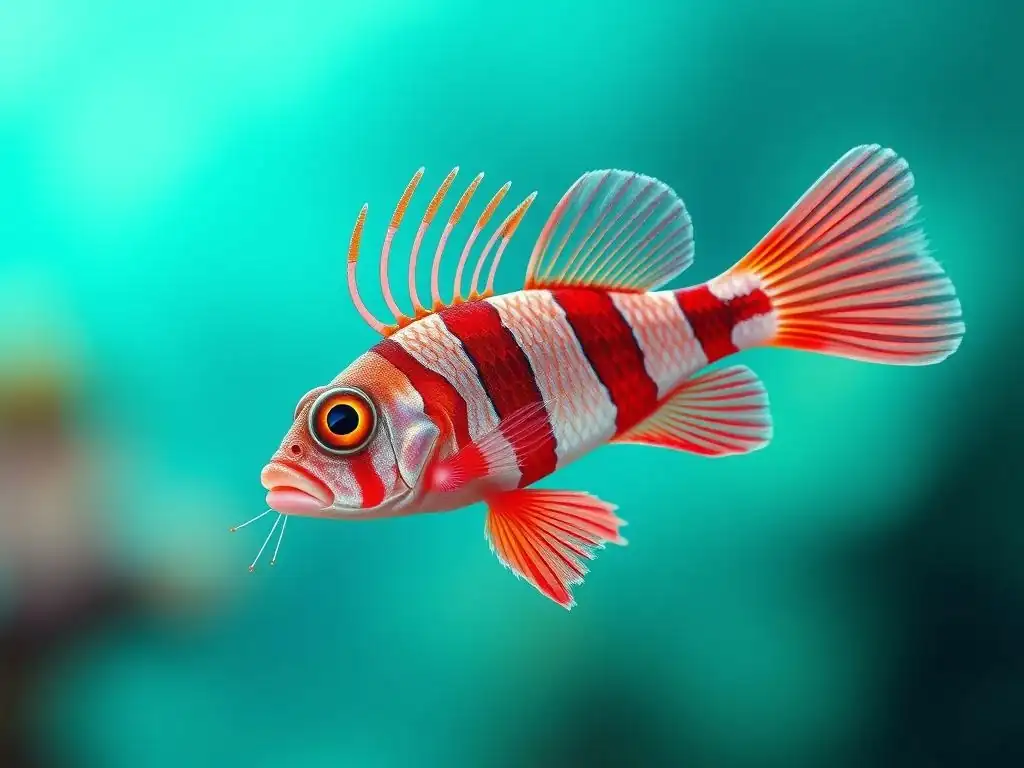
The Hi Fin Red Banded Goby ( Stonogobiops nematodes) is an exceptionally popular choice for nano reef aquariums due to its striking aesthetics and manageable size. Its vibrant red and white bands, coupled with an impressively elongated dorsal fin, create a captivating visual spectacle. Growing to an average adult size of just 2.5 to 3 inches (approximately 6-7.5 cm), this goby fits perfectly into smaller reef setups, adding dynamic interest without overwhelming the bioload or requiring extensive space. Its peaceful demeanor further solidifies its status as an ideal resident for delicate reef environments.
Beyond its beauty, the Hi Fin Red Banded Goby offers unique behavioral advantages. While not a primary sand sifter, its natural tendency to establish a secure burrow, often in partnership with a pistol shrimp, provides a fascinating glimpse into symbiotic relationships within your tank. This intricate interaction can become a focal point of your aquarium, offering hours of observation. Furthermore, their relatively low bioload makes Hi Fin Red Goby care less demanding on filtration systems, an important consideration for the typically more sensitive water parameters of nano reefs.
Scientific Classification and Origin of Stonogobiops nematodes
The Hi Fin Red Banded Goby belongs to the family Gobiidae, a diverse group of ray-finned fish known for their small size and often benthic lifestyles. Specifically, it is classified under the genus Stonogobiops and the species nematodes. This scientific name, along with common names such as Filament-finned Goby or Barber Pole Goby, highlights its distinctive physical characteristics, particularly its thread-like dorsal fin and striped coloration.
Native to the vast Indo-Pacific region, Stonogobiops nematodes can be found spanning from the Red Sea across to Fiji. In their natural habitat, these gobies typically inhabit sandy or rubbly bottoms near coral heads and rocky outcrops, at depths ranging from approximately 30 to 200 feet (10-60 meters). They are commonly observed near the entrances of burrows, which they share with various species of pistol shrimp, showcasing their inherent reliance on these protective shelters in the wild.
Essential Hi Fin Red Goby Care: A Comprehensive Guide
Optimal Tank Conditions for Hi Fin Red Banded Gobies
Ideal Water Parameters: Temperature, Salinity, and pH
Maintaining precise and stable water parameters is paramount for the long-term health and vibrancy of the Hi Fin Red Banded Goby. The ideal temperature range for this species is between 72-78°F (22-25.5°C). Salinity should be kept consistently within 1.023-1.026 specific gravity, mirroring their natural marine environment. Furthermore, the pH level should be maintained within the alkaline range of 8.1-8.4. Fluctuations outside these narrow windows can cause significant stress, weakening the goby's immune system and making it susceptible to disease.
Beyond these core parameters, attention to detail in water chemistry is critical for effective Hi Fin Red Goby care. Regular testing with reliable kits is essential to monitor levels of ammonia, nitrite, and nitrate. Ammonia and nitrite should always be undetectable (0 ppm), as even trace amounts are highly toxic to marine fish. While some nitrate is tolerable in a reef system, it should ideally be kept below 10-20 ppm. Consistent water changes, typically 10-15% weekly or bi-weekly, are vital for replenishing trace elements and exporting accumulated nitrates and other undesirable compounds, thereby ensuring a pristine environment.
The Importance of Stable Water Chemistry for Goby Health
Stable water chemistry directly impacts the physiological well-being of the Hi Fin Red Banded Goby, preventing osmotic shock and supporting robust immune function. These small, delicate fish are particularly sensitive to rapid changes in their environment, which can lead to severe stress and compromised health. For instance, a sudden drop in salinity from 1.025 to 1.020, even if corrected, can be detrimental, causing internal cellular damage and increasing susceptibility to parasitic infections like marine ich.
Consistent levels of alkalinity (8-12 dKH), calcium (400-450 ppm), and magnesium (1250-1350 ppm) are also beneficial, especially in a reef setting, as they support the overall biological stability of the tank. While gobies do not directly utilize these elements for calcification, their stability contributes to a healthier ecosystem that indirectly benefits all inhabitants. Maintaining these parameters through careful dosing or regular water changes is a cornerstone of comprehensive Hi Fin Red Goby care, ensuring the fish remains unstressed and resilient against potential health challenges.
Diet and Feeding Habits of the Hi Fin Red Banded Goby
What to Feed Your Hi Fin Red Banded Goby: A Nutritious Diet
The Hi Fin Red Banded Goby is a carnivore, primarily feeding on tiny benthic invertebrates and zooplankton in its natural habitat. In the aquarium, a varied and nutritious diet is crucial for their long-term health and vibrant coloration. High-quality enriched frozen foods should form the staple of their diet. Excellent choices include enriched mysis shrimp, brine shrimp, and finely chopped seafood such such as krill or scallops. These foods provide essential proteins, fats, and vitamins necessary for their metabolic needs.
While primarily preferring frozen foods, some Hi Fin Red Banded Gobies may eventually accept small, high-quality marine pellets or flakes. It is advisable to offer a mix of different foods to ensure a complete nutritional profile. For instance, supplementing frozen mysis shrimp with a vitamin-enriched formula like Selcon can significantly boost their overall health and immune response. Given their often shy nature and slow feeding habits, ensuring food reaches them, especially in a community tank, is a key aspect of effective Hi Fin Red Goby care.
Feeding Frequency and Techniques for Success
Due to their small size and relatively high metabolism, Hi Fin Red Banded Gobies benefit from frequent, small feedings. Ideally, they should be fed 2-3 times per day. This approach prevents large spikes in nutrients while ensuring a steady supply of energy for the fish. It's important to remember that these gobies are often slow eaters and can be easily outcompeted by more aggressive or faster-moving tank mates.
To ensure your Hi Fin Red Banded Goby receives adequate nutrition, spot feeding is often the most effective technique. Using a turkey baster or a pipette, you can direct food precisely to their hiding spot or where they typically forage. Turning off powerheads or circulation pumps during feeding times can also prevent food from scattering too quickly, allowing the goby more time to consume its meal. Consistent and careful feeding practices are fundamental to proper Hi Fin Red Goby care, promoting growth and vitality.
Tank Size and Setup: Creating the Perfect Habitat
Minimum Tank Size Requirements for a Single Goby or Pair
While the Hi Fin Red Banded Goby is a small fish, providing an appropriately sized habitat is crucial for its well-being and long-term success. For a single specimen, a minimum tank size of 10 gallons is often cited, but a 20-gallon or larger aquarium is highly recommended. The increased water volume in larger tanks provides greater stability in water parameters, which is particularly beneficial for this sensitive species.
If you plan to keep a mated pair of Hi Fin Red Banded Gobies, a tank of at least 20-30 gallons is advisable. This larger footprint provides sufficient space for the pair to establish a territory and reduces potential stress, especially if they are sharing the tank with other peaceful inhabitants. Adequate space also allows for more diverse aquascaping, creating multiple hiding spots and clear lines of sight, which are important for these shy and observant fish.
Substrate and Aquascaping Ideas for a Happy Goby
The substrate is a critical component of a Hi Fin Red Banded Goby's habitat, particularly if you plan to house it with a symbiotic pistol shrimp. A fine sand bed, at least 2-3 inches (5-7.5 cm) deep, is essential to allow for natural burrowing behavior. Without a suitable substrate, the goby may become stressed and unable to exhibit its natural instincts, especially if paired with a shrimp.
Aquascaping should focus on providing ample hiding spots and security. Arrange live rock to create caves, crevices, and overhangs that the goby can quickly dart into when feeling threatened.
Ensure that the rockwork is stable and securely placed on the bottom of the tank, not just on top of the sand, to prevent collapses if burrows are dug underneath. Incorporating various sizes of rubble or small pieces of rock near the sand bed can also provide material for a pistol shrimp to construct its burrow, further enhancing the goby's sense of security and promoting natural behaviors, which are central to comprehensive Hi Fin Red Goby care.
Hi Fin Red Banded Goby Behavior and Compatibility
Are Hi Fin Red Banded Gobies Peaceful?
Hi Fin Red Banded Gobies are renowned for their exceptionally peaceful and shy temperament, making them ideal inhabitants for a wide range of reef aquariums. They pose absolutely no threat to corals, other invertebrates, or even the smallest reef fish. Their non-aggressive nature means they will not nip at fins or compete aggressively for food, allowing them to coexist harmoniously with other docile species.
However, their timid nature also means they can be easily intimidated. In a tank with overly active or aggressive tank mates, the Hi Fin Red Banded Goby may retreat into hiding for extended periods, leading to stress and even starvation if they are outcompeted for food. It is crucial to select tank mates that match their calm disposition to ensure they feel secure enough to venture out and thrive. This careful consideration of temperament is a vital aspect of successful Hi Fin Red Goby care.
Choosing the Right Tank Mates for Your Goby
Selecting appropriate tank mates is paramount for the well-being of the Hi Fin Red Banded Goby. Ideal companions are other peaceful, small, and relatively slow-moving fish that won't harass or outcompete them for food. Good examples include small species of clownfish (like Ocellaris or Percula), firefish, small cardinalfish (e.g., Banggai or Pajama), and other docile nano gobies (exercising caution to ensure no territorial disputes if tank size is limited).
Conversely, certain types of fish should be avoided. Any large, predatory species, or highly active and aggressive fish, are unsuitable. This includes most damselfish (which can be territorial), large wrasses, triggerfish, and angelfish, all of which may bully, outcompete, or even prey on the small Hi Fin Red Banded Goby. Prioritizing peaceful cohabitation ensures the goby remains unstressed and can exhibit its natural behaviors, optimizing your Hi Fin Red Goby care efforts.
The Symbiotic Relationship with Pistol Shrimp
Understanding the Goby-Shrimp Partnership
One of the most captivating aspects of Hi Fin Red Banded Goby behavior is its classic mutualistic symbiotic relationship with certain species of pistol shrimp. In this remarkable partnership, the nearly blind pistol shrimp (e.g., Alpheus bellulus or Alpheus randalli) diligently digs and maintains a complex burrow system within the sand bed, providing a secure refuge for both itself and the goby.
In return for shelter, the Hi Fin Red Banded Goby acts as the "eyes" of the partnership. Perched vigilantly at the burrow entrance, the goby constantly monitors the surroundings for potential predators.
Upon sensing danger, it will rapidly flick its tail, signaling the shrimp, and both will instantly retreat into the safety of the burrow. This fascinating cooperation offers mutual benefits: the shrimp gains protection from predators it cannot see, and the goby gains a secure, pre-dug home, making this one of the most rewarding partnerships to observe in a reef aquarium and a highlight of specific Hi Fin Red Goby care.
Providing a Suitable Environment for Symbiotic Behavior
To encourage and sustain the symbiotic relationship between a Hi Fin Red Banded Goby and a pistol shrimp, specific environmental conditions must be met. A deep, fine sand bed, at least 3 inches (7.5 cm) deep, is absolutely essential for the pistol shrimp to effectively dig and maintain its elaborate burrow system. Without adequate substrate, the shrimp cannot create a suitable home, and the partnership will not form or endure.
Furthermore, stable rockwork should be arranged to provide anchor points for the burrow, preventing collapses and offering additional security. Introducing the goby and shrimp simultaneously, or the shrimp slightly before the goby, can facilitate the pairing. Ensure there are no overly aggressive tank mates that might stress either partner. Providing a quiet, undisturbed area in the tank where they can establish their territory will greatly increase the chances of observing this incredible natural behavior, enriching your Hi Fin Red Goby care experience.
Identifying and Addressing Common Health Issues
Recognizing Signs of Illness in Your Hi Fin Red Banded Goby
Early detection of illness is crucial for successful treatment and maintaining optimal Hi Fin Red Goby care. Observe your goby daily for any deviations from its normal behavior. Common behavioral signs of distress include increased hiding, lethargy, loss of appetite, rapid or labored breathing, and flashing (rubbing against rocks or substrate). Unusual swimming patterns, such as erratic movements or inability to maintain buoyancy, are also strong indicators of a problem.
Physical signs of illness should also be monitored closely. Look for any discoloration, fading of their vibrant red and white bands, or the appearance of white spots (indicative of marine ich or velvet). Other concerning physical symptoms include cloudy eyes, frayed or clamped fins, open sores, abnormal growths, or a sunken belly. Any of these signs warrant immediate investigation and, if necessary, isolation in a quarantine tank for observation and potential treatment.
Common Diseases Affecting Red Banded Gobies and Their Treatment
Like many marine fish, Hi Fin Red Banded Gobies can be susceptible to common parasitic infections if water quality is poor or new fish are introduced without quarantine. The most prevalent are Marine Ich ( Cryptocaryon irritans) and Marine Velvet ( Amyloodinium ocellatum). Ich manifests as small white spots resembling salt grains, while velvet appears as a dusty, yellowish film.
Both are highly contagious and can be fatal if left untreated. Treatment options include copper-based medications (use with extreme caution in reef tanks as copper is toxic to invertebrates), hyposalinity (reducing salinity to 1.008-1.010 SG for a period), or transferring the fish to a hospital tank while the display tank goes fallow for 6-8 weeks to eliminate parasites.
Bacterial infections and fin rot can also affect gobies, often secondary to poor water quality, stress, or physical injury. Symptoms include cloudy eyes, red streaks, open sores, or deteriorating fins. Treatment typically involves improving water parameters through increased water changes and, in severe cases, the use of broad-spectrum antibiotics, often administered via medicated food or a short-term bath in a separate tank. Maintaining pristine water quality is the best preventative measure for Hi Fin Red Goby care.
Quarantine Procedures and Preventing Disease Outbreaks
Implementing a strict quarantine procedure for all new fish, including Hi Fin Red Banded Gobies, is the single most effective way to prevent disease outbreaks in your main display tank. A dedicated quarantine tank (QT) of at least 10-20 gallons should be set up with a heater, simple filtration (sponge filter), and PVC pipes or small rockwork for hiding. New fish should be kept in the QT for a minimum of 4 weeks, ideally 6-8 weeks. This period allows for observation, stress reduction, and preemptive treatment for common parasites or bacterial issues before introduction to the main tank.
During the quarantine period, carefully observe the goby for any signs of illness. Administer prophylactic treatments if necessary, such as a freshwater dip or a low-dose copper treatment, depending on the perceived risk. Crucially, never transfer water or equipment directly between the quarantine tank and the main display tank. Maintaining stable water parameters in both tanks and practicing good biosecurity will significantly reduce the risk of introducing pathogens, ensuring the health of your existing inhabitants and enhancing your overall Hi Fin Red Goby care strategy.
Breeding Hi Fin Red Banded Gobies: A Challenging but Rewarding Endeavor
Creating a Breeding Environment for Stonogobiops nematodes
Breeding Hi Fin Red Banded Gobies in a home aquarium is a challenging but highly rewarding endeavor, requiring specific conditions and dedicated effort. A separate breeding tank, typically 20-30 gallons, is highly recommended to provide a controlled environment free from predators or competition. This tank should feature stable, pristine water parameters, mirroring those of their ideal display conditions.
Crucially, the breeding tank must include a fine sand bed of at least 3-4 inches (7.5-10 cm) deep to facilitate burrowing and egg laying. Small, stable rock structures or PVC pipes should be provided within the sand to serve as potential burrow entrances and secure locations for the eggs. Maintaining slightly elevated temperatures, around 78-80°F (25.5-26.5°C), and ensuring a consistent supply of high-quality, nutritious foods for the conditioning pair will further encourage spawning behavior, central to advanced Hi Fin Red Goby care.
Identifying Male and Female Gobies
Sexual dimorphism in Hi Fin Red Banded Gobies is subtle, making it challenging to definitively distinguish males from females without observing breeding behavior. Generally, males might appear slightly larger or more robust, and their colors may intensify during courtship. However, these differences are often not pronounced enough for reliable identification by the average aquarist.
The most dependable method for obtaining a breeding pair is to purchase a group of four to six juvenile gobies and allow them to naturally pair off in a suitable aquarium. Once a pair has formed, they will often exhibit territorial behavior, sharing a burrow and defending its entrance. Observing a pair consistently residing together in a single burrow is the strongest indication of a male and female bond, signaling the potential for future breeding success in your Hi Fin Red Goby care efforts.
The Breeding Process and Raising Fry
Hi Fin Red Banded Gobies are substrate spawners, meaning the female lays her eggs within the security of their shared burrow, typically on the ceiling or walls. The male then fertilizes the eggs and primarily takes on the role of guarding them, fanning them to ensure proper oxygenation and keeping them clean. The eggs are tiny and typically hatch within 4-7 days, depending on temperature.
Raising the fry is the most challenging aspect of breeding Hi Fin Red Banded Gobies due to their extremely small size and specific dietary needs. Newly hatched fry require microscopic live foods such as rotifers for their initial feedings, followed by newly hatched brine shrimp as they grow larger. High mortality rates are common, but with meticulous attention to water quality, frequent small feedings, and careful observation, successful rearing can be achieved, representing a significant accomplishment in advanced Hi Fin Red Goby care.
Sourcing and Selecting Healthy Hi Fin Red Banded Gobies
Where to Buy Hi Fin Red Banded Gobies
When looking to add a Hi Fin Red Banded Goby to your aquarium, selecting a reputable source is paramount to ensuring you acquire a healthy specimen. Local fish stores (LFS) that specialize in marine fish and maintain clean, well-kept tanks are a good starting point. Visiting an LFS allows you to visually inspect the fish and its holding conditions before purchase, and you can directly ask staff about their acclimation and quarantine procedures.
Online retailers also offer a wide selection of marine fish, including the Hi Fin Red Banded Goby. When buying online, choose reputable vendors with strong positive reviews, clear shipping policies, and live arrival guarantees. Many specialized online stores have robust quarantine protocols in place, which can reduce the risk of bringing disease into your display tank. Always research the seller's reputation and ask about their specific Hi Fin Red Goby care practices before making a purchase.
What to Look for When Choosing a Healthy Specimen
A thorough visual inspection is crucial when selecting a Hi Fin Red Banded Goby. A healthy specimen should be active and alert, even if shy. While they will often retreat to a hiding spot when approached, they should not be lethargic or unresponsive. Their eyes should be clear and bright, not cloudy or sunken. The fins should be intact, without any tears, nips, or signs of fin rot.
Pay close attention to their coloration; the red bands should be vibrant and distinct, and the white areas should be clean, without any signs of discoloration, white spots (ich), or a dusty film (velvet). Avoid any gobies that appear to be breathing rapidly, have a pinched or sunken belly (indicating malnourishment or internal parasites), or exhibit any open sores or lesions. Selecting a visibly healthy fish is the foundational step in providing excellent Hi Fin Red Goby care from day one.
Acclimation Procedures for Introducing Your New Goby to Your Tank
Proper acclimation is critical for the survival of any new marine fish, especially delicate species like the Hi Fin Red Banded Goby, which are sensitive to changes in water parameters. The drip acclimation method is highly recommended. This involves slowly introducing water from your display tank into the bag containing the new goby over a period of 30-60 minutes, allowing for a gradual equalization of temperature, pH, and salinity. A slow drip acclimation kit or a simple airline tubing with a knot can achieve this.
Before beginning acclimation, float the bag in your tank for 15-20 minutes to equalize temperature. During and after acclimation, keep the aquarium lights off for several hours to reduce stress on the newly introduced fish. When transferring the goby, gently net it and place it into the tank; avoid adding any of the water from the shipping bag into your display tank, as it may contain ammonia or pathogens. Providing a secure hiding spot immediately upon introduction will help the goby settle in and reduce its initial stress, ensuring a smooth transition and effective Hi Fin Red Goby care.
The Allure of the Hi Fin Red Banded Goby in Reef Aquariums
Enhancing Your Reef Display with this Elegant Species
The Hi Fin Red Banded Goby is more than just a fish; it is a living jewel that can significantly enhance the aesthetic appeal and dynamic interest of any reef aquarium, particularly nano and pico setups. Its striking crimson and pristine white stripes, coupled with its distinctive, elongated dorsal fin, create a visual focal point that is both elegant and captivating. Unlike larger, more boisterous species, its modest size ensures it won't overshadow delicate corals or other invertebrates, allowing the full beauty of your reefscape to shine.
Its peaceful nature makes it an ideal inhabitant for mixed reef environments, where aggressive species can cause stress or damage. The Hi Fin Red Banded Goby brings a sense of calm and intricate observation to the tank. Its presence can even encourage other shy species to be more active, as they may feel a greater sense of security when a watchful sentinel like the goby is present, further enriching the overall ecosystem of your reef display.
The Hi Fin Red Banded Goby: A Master of Camouflage and Observation
Despite its vibrant coloration, the Hi Fin Red Banded Goby possesses a remarkable ability to blend into its surroundings and disappear with astonishing speed. This mastery of camouflage and quick retreat into its burrow is a fascinating behavior to observe. Aquarists often spend hours watching their goby's watchful eyes, which are constantly scanning the environment for potential threats or food, demonstrating an innate alertness.
When paired with a pistol shrimp, the goby's role as an observer becomes even more pronounced. The intricate dance between the vigilant goby and the burrow-building shrimp highlights the complex natural behaviors that can be recreated and enjoyed within a home aquarium. This symbiotic partnership not only provides a unique educational experience but also adds a layer of natural intrigue that makes the Hi Fin Red Banded Goby a truly mesmerizing addition, offering endless opportunities for observation within your Hi Fin Red Goby care efforts.
Maintaining a Thriving Hi Fin Red Banded Goby Population in Your Reef Tank
Long-term success with Hi Fin Red Banded Gobies in a reef tank hinges on a consistent commitment to optimal Hi Fin Red Goby care. This includes maintaining stable and pristine water parameters, providing a varied and nutritious diet delivered effectively, and ensuring a stress-free environment with appropriate tank mates and ample hiding spots. Regular testing of water chemistry, consistent small water changes, and a proactive approach to feeding are all vital components.
Furthermore, diligent observation for any early signs of stress or illness, coupled with prompt intervention in a quarantine tank if necessary, will contribute significantly to their longevity. By prioritizing excellent water quality, a well-designed habitat, and thoughtful tank mate selection, your Hi Fin Red Banded Goby will not only survive but thrive, continuing to be a captivating and elegant focal point in your reef aquarium for many years to come.
Frequently Asked Questions
How difficult is it to care for a Hi Fin Red Banded Goby?
Hi Fin Red Banded Gobies are generally considered easy to care for, making them suitable for beginner to intermediate reef aquarists. They require a stable environment and consistent water parameters.
What size aquarium is recommended for a Hi Fin Red Banded Goby?
A tank of at least 10 gallons is recommended for a single Hi Fin Red Banded Goby. Larger tanks are always better as they provide more stable water conditions and space.
What type of diet does a Hi Fin Red Banded Goby require?
These gobies are primarily carnivores and require a diet of small, meaty foods. Offer them a variety of frozen mysis shrimp, brine shrimp, and other small invertebrates.
Are Hi Fin Red Banded Gobies reef safe?
Yes, Hi Fin Red Banded Gobies are generally considered reef safe. They will not typically bother corals or other invertebrates, making them a great addition to a reef aquarium.
What water parameters are ideal for a Hi Fin Red Banded Goby?
Maintain a temperature of 72-78°F, a specific gravity of 1.023-1.025, and a pH of 8.1-8.4. Regular water changes are crucial for their health.
Final Reflection: Appreciating the Miniature Wonders
The journey into the world of the Hi Fin Red Banded Goby, as explored in this article, underscores the enduring appeal of bringing the ocean's beauty into our homes. Beyond the practical aspects of Hi Fin Red Goby care, we've touched upon a deeper connection: the responsibility and joy that comes with curating a miniature ecosystem. This isn't just about owning a fish; it's about fostering life and appreciating the intricate balance of nature.
The allure of these tiny creatures extends far beyond their vibrant colors and playful personalities. Their presence in our aquariums serves as a constant reminder of the delicate beauty and interconnectedness of coral reefs, ecosystems facing increasing threats. In every walk with nature, one receives far more than he seeks.
- John Muir. This quote encapsulates the profound impact these miniature ambassadors can have, inspiring us to learn, protect, and appreciate the natural world around us.
As you consider adding a Hi Fin Red Banded Goby to your reef display, remember that you're not just acquiring a pet, but becoming a steward of a small piece of the ocean. Let the knowledge gained here guide your decisions, ensuring the well-being of these elegant creatures and fostering a deeper appreciation for the wonders that lie beneath the waves. Embrace the challenge, celebrate the beauty, and let the Hi Fin Red Banded Goby inspire you to become a more conscious and compassionate aquarist.
Ignite Your Reef with a Splash of Color!
Thank you for exploring the vibrant world of the Hi Fin Red Banded Goby! We hope this article has illuminated the beauty and unique care requirements of these miniature reef inhabitants, empowering you to make informed decisions for your aquarium. Now, let's turn that knowledge into action and bring your reef dreams to life!
Here's how you can deepen your understanding and enhance your aquarium experience:
- Plan your reef carefully: Assess the compatibility of your existing or planned livestock with Gobiodon okinawae to ensure a harmonious environment.
- Delve Deeper: Research the specific dietary needs of Gobies and prepare a varied feeding plan to keep your fish healthy and thriving.
- Share the Wonder: Inspire fellow reef enthusiasts by sharing your newfound knowledge and experiences with Hi Fin Red Banded Gobies on social media or in online forums.
What unique challenges are you most excited to overcome in creating the perfect reef habitat for your Gobiodon okinawae?