
Fire Shrimp (Lysmata debelius): A Dazzling but Shy Reef Cleaner

Welcome to Aquarium Mastery!
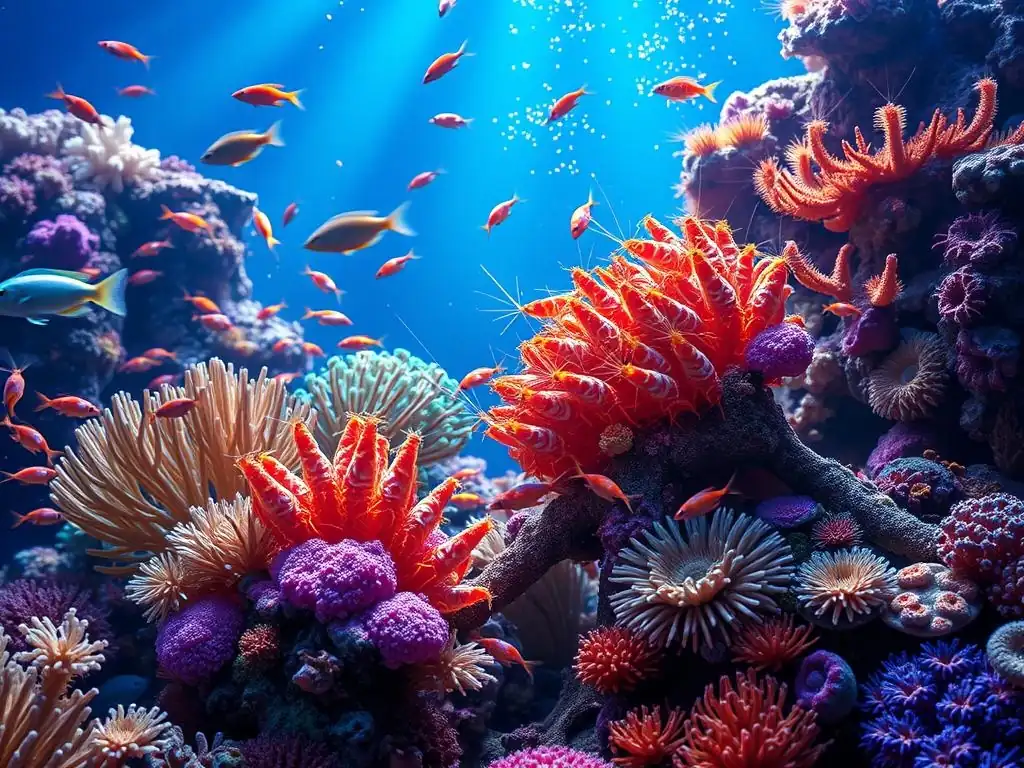
Ever been captivated by the vibrant flash of red in a reef tank? Dive into our Fire Shrimp (Lysmata debelius) care guide and uncover the secrets to keeping these dazzling, yet surprisingly shy, reef cleaners thriving. But that's just the beginning! Discover expert tips on saltwater aquarium maintenance, compatible tank mates, and how to create the perfect reef environment. Ready to ignite your aquarium passion? Let's get started!
- Fire Shrimp Care Guide: Introduction to Lysmata debelius
- Fire Shrimp Appearance and Identification
- Fire Shrimp Natural Habitat and Behavior
- Setting Up a Suitable Aquarium for Fire Shrimp
- Fire Shrimp Diet and Feeding
- Fire Shrimp Tank Mates: Compatibility and Considerations
- Fire Shrimp Molting Process: What to Expect
- Fire Shrimp Breeding in Captivity
- Common Health Issues and Prevention in Fire Shrimp
- Purchasing Fire Shrimp: Selection and Acclimation
- Troubleshooting Common Fire Shrimp Issues
- Fire Shrimp: Pros and Cons of Keeping Them in a Reef Aquarium
- Conclusion: Mastering Fire Shrimp Care for a Thriving Reef Aquarium
-
Frequently Asked Questions
- What are the basic requirements for keeping Fire Shrimp (Lysmata debelius)?
- What do Fire Shrimp eat, and how often should I feed them?
- Are Fire Shrimp compatible with other invertebrates and fish in a reef tank?
- What are some common signs of stress or illness in Fire Shrimp?
- How often do Fire Shrimp molt, and what should I do when they do?
- Final Reflection: The Enduring Allure of the Fire Shrimp
- Ignite Your Reef Tank: Welcome the Fire Shrimp!
Fire Shrimp Care Guide: Introduction to Lysmata debelius
What are Fire Shrimp and Why are they Popular in Reef Tanks?
The Fire Shrimp, scientifically known as Lysmata debelius, is a striking invertebrate highly sought after by marine aquarists due to its brilliant coloration and beneficial cleaning habits. Characterized by its intense scarlet red body, often accented with bright white antennae and distinct white "socks" on its legs, this species adds a vibrant splash of color to any reef aquarium. Their popularity stems not only from their dazzling appearance but also from their active role as opportunistic scavengers and symbiotic cleaners within the tank environment.
Beyond their aesthetic appeal, Fire Shrimp are valued for their peaceful temperament and their natural inclination to consume detritus and uneaten food particles, contributing to a cleaner tank. They are also known to establish "cleaning stations" where they will remove external parasites and dead tissue from compatible fish, providing a fascinating glimpse into the symbiotic relationships found on natural coral reefs. This dual benefit of beauty and utility makes them a highly desirable addition for many aquarists looking for a comprehensive Fire Shrimp care guide.
Understanding the Role of Fire Shrimp as Reef Cleaners
In their natural habitat, Fire Shrimp are obligate cleaners, meaning they actively seek out fish to clean. They position themselves at specific "cleaning stations" on the reef, signaling their presence to fish, which then present themselves for cleaning. In the aquarium, this behavior translates into a valuable service where they will meticulously inspect and clean various fish species, often removing harmful parasites like marine ich or consuming dead skin cells. This symbiotic relationship is not only beneficial for the fish's health but also provides a captivating behavior for the aquarist to observe.
Furthermore, Fire Shrimp contribute significantly to the aquarium's clean-up crew by actively scavenging. They will readily consume uneaten food, decaying organic matter, and various forms of detritus that accumulate in the tank. This reduces the organic load, helping to maintain stable water parameters and minimize the build-up of nitrates and phosphates. Their diligent scavenging habits make them an integral part of maintaining a healthy and balanced reef ecosystem, making their inclusion a thoughtful choice in any Fire Shrimp care guide.
Fire Shrimp Appearance and Identification
Identifying Features: Bright Red Coloration and White Markings
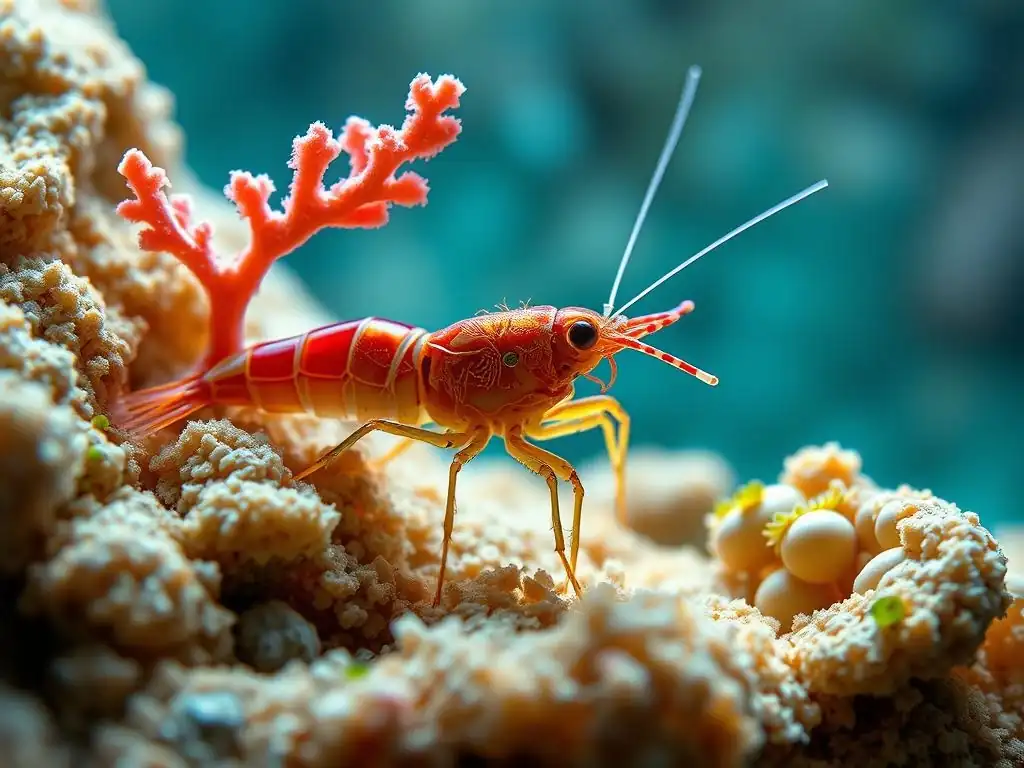
The most distinguishing feature of the Fire Shrimp is its incredibly vivid, uniform scarlet red body, which is unmatched by most other commonly available marine shrimp. This intense coloration makes them stand out dramatically against the backdrop of live rock and corals in a reef tank. Unlike some other cleaner shrimp species that might have stripes or spots, Lysmata debelius typically displays a consistent red hue across its entire body, providing a bold visual statement.
In addition to their striking red, Fire Shrimp possess several key white markings that aid in their identification. They have prominent, long white antennae that constantly twitch and explore their surroundings. Perhaps most notably, they exhibit distinctive white "socks" or bands on their walking legs (periopods), which are often visible even when the shrimp is partially hidden. Some individuals may also display subtle white markings or spots on their carapace or tail, further accentuating their unique and appealing appearance, which is a vital detail for any Fire Shrimp care guide.
Size and Lifespan of the Fire Shrimp
Fire Shrimp are considered a moderately sized invertebrate for reef aquariums. Adult specimens typically reach an average length of 2 to 2.5 inches (approximately 5 to 6.5 centimeters) from the tip of their rostrum to the end of their tail. While most individuals fall within this range, some particularly robust specimens may grow slightly larger, occasionally reaching up to 3 inches (7.5 centimeters) under optimal conditions. Their size makes them suitable for a wide range of tank dimensions, from nano reefs to larger community setups.
With diligent Fire Shrimp care and stable aquarium conditions, Lysmata debelius can enjoy a respectable lifespan in captivity. On average, these shrimp live for approximately 2 to 3 years. However, under exceptionally pristine water parameters, a consistent and nutritious diet, and a stress-free environment, some individuals have been known to live for up to 4 years. Factors such as frequent water quality fluctuations, inadequate diet, or constant harassment from tank mates can significantly reduce their longevity.
Distinguishing Fire Shrimp from Similar Shrimp Species
It is essential for aquarists to accurately identify Lysmata debelius to ensure they provide the correct Fire Shrimp care, as several other shrimp species share similar common names or appearances. The most common confusion arises with the Skunk Cleaner Shrimp ( Lysmata amboinensis), which also performs cleaning services and has red elements. However, the Skunk Cleaner Shrimp is easily distinguished by its prominent white stripe running down its back, flanked by two red stripes, whereas the Fire Shrimp is uniformly red with only white antennae and leg markings.
Another species that can sometimes be mistaken for a Fire Shrimp is the Peppermint Shrimp ( Lysmata wurdemanni), particularly certain color variations. However, Peppermint Shrimp are typically a duller reddish-brown or translucent with faint red banding, lacking the vibrant, intense scarlet of the Fire Shrimp. They also do not possess the distinctive white antennae or "socks" of Lysmata debelius. Careful observation of these key identifying features is crucial to ensure you are acquiring and providing appropriate Fire Shrimp care for the correct species.
Fire Shrimp Natural Habitat and Behavior
Origin and Distribution of Lysmata debelius
The Fire Shrimp, Lysmata debelius, originates from the warm, tropical waters of the Indo-Pacific Ocean. Its natural range extends broadly across this vast region, encompassing areas from the Red Sea in the west, eastward through the Indian Ocean, and reaching into the central Pacific, including countries like Indonesia, the Philippines, Fiji, and parts of the Great Barrier Reef. This wide distribution indicates its adaptability to various reef environments within these tropical latitudes.
In its native habitat, Lysmata debelius is primarily found in association with coral reefs. They typically inhabit rocky crevices, caves, overhangs, and other sheltered areas within the reef structure. These hiding spots provide protection from predators and strong currents. They are generally found at depths ranging from shallow areas of about 10 feet (3 meters) down to deeper waters, sometimes exceeding 100 feet (30 meters), where they establish cleaning stations for local fish populations. Understanding their natural environment is key to providing optimal Fire Shrimp care in captivity.
In their natural reef environment, Fire Shrimp are often observed individually or in stable pairs, sometimes forming small groups or trios. They are known for establishing "cleaning stations" on prominent rocks or coral formations, where they await fish seeking their services. This symbiotic relationship is a cornerstone of their natural behavior, with fish approaching the shrimp and often posing in specific ways to allow for thorough cleaning of parasites and dead tissue.
While generally peaceful, Fire Shrimp can exhibit territorial behavior, especially towards other cleaner shrimp species or even conspecifics if the aquarium space is limited. In the wild, competition for cleaning stations or prime hiding spots can occur. However, their primary interaction is with the fish they clean, displaying a remarkable level of cooperation. Their social dynamics in the aquarium largely mirror these wild behaviors, making it important to consider space and tank mates as part of comprehensive Fire Shrimp care.
Understanding their Shy Nature and Hiding Habits
Despite their strikingly bold coloration, Fire Shrimp are naturally quite shy and reclusive creatures. In the wild, this shyness is a survival mechanism, allowing them to retreat quickly into the safety of crevices and caves when predators are near. When first introduced to an aquarium, or if they feel threatened or stressed, they will often spend a significant amount of time hidden within the live rock structure, only venturing out for food or to clean fish.
This inherent shyness means that providing ample hiding spots is a crucial aspect of Fire Shrimp care. A tank rich in live rock with numerous caves, overhangs, and crevices will allow the shrimp to feel secure and eventually become more visible as they acclimate to their new environment. Without adequate shelter, a Fire Shrimp can become chronically stressed, leading to health issues and a reluctance to display its natural behaviors or vibrant color. Patience and a well-structured environment are key to encouraging these beautiful invertebrates to thrive and be seen.
Setting Up a Suitable Aquarium for Fire Shrimp
Minimum Tank Size for Fire Shrimp: Considerations for Space
When planning to add a Fire Shrimp to your marine aquarium, tank size is an important consideration for their well-being and the stability of their environment. For a single Fire Shrimp, a minimum tank size of 10 to 20 gallons (approximately 38 to 75 liters) is generally recommended. While they are not large invertebrates, this volume provides sufficient water stability and enough space for them to establish a territory, forage, and find adequate hiding spots.
For aquarists considering keeping multiple Fire Shrimp, or integrating them into a bustling community reef tank, a larger aquarium is highly advisable. A 30-gallon (around 115 liters) tank or more provides significantly greater stability in water parameters, which is crucial for sensitive invertebrates. Larger tanks also offer more room for extensive live rock aquascaping, which is essential for providing the numerous hiding spots that Fire Shrimp require to feel secure and reduce stress, thereby enhancing your overall Fire Shrimp care efforts.
Essential Water Parameters for Optimal Fire Shrimp Health
Maintaining stable and pristine water parameters is paramount for the health and longevity of Fire Shrimp. These invertebrates are highly sensitive to fluctuations in their environment, making consistent monitoring and maintenance a core aspect of Fire Shrimp care. The ideal salinity range for Lysmata debelius is between 1.023 and 1.026 specific gravity, mimicking their natural reef habitat.
Temperature should be kept stable within 72-78°F (22-25.5°C), and pH levels should remain between 8.1 and 8.4. Crucially, ammonia and nitrite levels must always be undetectable (0 ppm), as even trace amounts can be highly toxic to shrimp. Nitrates should be kept as low as possible, ideally below 10-20 ppm. Additionally, stable levels of calcium (380-450 ppm) and alkalinity (8-12 dKH) are vital for the development and health of their exoskeleton, particularly during the molting process. Regular testing and consistent water changes are indispensable for their optimal health.
Creating a Reef-Safe Environment: Compatible Tank Mates
Creating a truly reef-safe environment is essential for Fire Shrimp, as they are generally peaceful and do not pose a threat to corals or other invertebrates. They thrive in well-established reef tanks that offer a diverse ecosystem. The cornerstone of a suitable environment is a generous amount of live rock, which not only aids in biological filtration but, more importantly for the shrimp, provides the numerous crevices, caves, and overhangs they instinctively seek for shelter.
When selecting tank mates, prioritize peaceful, non-aggressive fish species that will not view the Fire Shrimp as a potential meal. Compatible fish include many types of clownfish, gobies, blennies, and smaller wrasses. Avoid large predatory fish like triggers, lionfish, or aggressive groupers. Ensuring a calm, stable environment with appropriate tank mates and ample hiding spots will significantly reduce stress for your Fire Shrimp, allowing them to exhibit their natural behaviors and contribute to the health and beauty of your reef tank.
Fire Shrimp Diet and Feeding
What Do Fire Shrimp Eat? A Comprehensive Guide to Their Diet
Fire Shrimp are opportunistic omnivores and scavengers, both in their natural reef habitat and within the confines of an aquarium. In the wild, their diet primarily consists of the external parasites and dead tissue they meticulously remove from fish at their cleaning stations. Beyond this symbiotic feeding, they also forage for various types of detritus, uneaten food particles, and small benthic invertebrates found within the reef structure.
In a home aquarium, Fire Shrimp will readily adapt to a variety of prepared foods, making their dietary needs relatively easy to meet as part of a Fire Shrimp care guide. They will eagerly accept high-quality flake foods, sinking pellets, and a range of frozen foods. Excellent choices for frozen fare include mysis shrimp, brine shrimp, and finely chopped seafood such as krill or squid. They will also continuously scavenge for leftover food particles from fish feedings and any accumulating detritus, contributing to the tank's cleanliness.
Supplementing their Diet: Ensuring Proper Nutrition
While Fire Shrimp are efficient scavengers, relying solely on the detritus and leftover food in a typical aquarium may not provide all the necessary nutrients for optimal health and vibrant coloration. Supplementing their diet is crucial, especially to ensure they receive adequate calcium and other minerals essential for their exoskeleton health and successful molting. A well-rounded diet directly impacts their longevity and their ability to maintain their dazzling red hue.
To supplement their diet, offer foods that are rich in calcium, such as calcium-fortified invertebrate pellets or frozen foods specifically designed for crustaceans. Occasional offerings of nutrient-dense options like spirulina flakes or small pieces of dried nori (seaweed) can also provide additional vitamins and minerals. Providing a varied diet ensures that your Fire Shrimp receives a complete nutritional profile, which is a fundamental aspect of comprehensive Fire Shrimp care.
Feeding Frequency and Avoiding Overfeeding
The feeding frequency for Fire Shrimp largely depends on the population of your reef tank and the amount of detritus available for scavenging. In a well-established and moderately stocked reef aquarium, where there is some leftover food from fish feedings and natural detritus, direct feeding 2 to 3 times per week is generally sufficient. They will actively forage and supplement their diet from the tank's natural ecosystem.
It is crucial to avoid overfeeding your Fire Shrimp, as this can lead to several problems within the aquarium. Excess uneaten food will quickly decompose, contributing to elevated nitrate and phosphate levels, which can negatively impact water quality and promote unwanted algae growth. Offer only what your Fire Shrimp can consume within a few minutes to prevent waste. Observing their activity and their cleaning habits will help you gauge their hunger and adjust feeding accordingly, ensuring effective Fire Shrimp care.
Fire Shrimp Tank Mates: Compatibility and Considerations
Best Tank Mates for Fire Shrimp: Peaceful Fish and Invertebrates
Selecting appropriate tank mates is a critical aspect of Fire Shrimp care to ensure their safety and well-being. Fire Shrimp are generally peaceful and compatible with most calm, non-aggressive fish species that are not large enough to consider them prey. Excellent choices for fish tank mates include many popular reef species such as Ocellaris and Percula Clownfish, various types of gobies (e.g., Watchman Goby, Yellow Watchman Goby), blennies (e.g., Lawnmower Blenny, Two-Spot Blenny), and smaller, peaceful wrasses like Six-Line Wrasses or Fairy Wrasses.
In terms of invertebrate compatibility, Fire Shrimp typically coexist well with other peaceful invertebrates. This includes various species of snails (e.g., Turbo Snails, Nassarius Snails), hermit crabs, and other small, non-aggressive shrimp species, although caution is advised when mixing different cleaner shrimp species due to potential territorial disputes. They are also considered reef-safe and will not harm corals, anemones, or other sessile invertebrates, making them an ideal addition to a vibrant mixed reef tank.
Fish to Avoid: Potential Predators of Fire Shrimp
To ensure the safety of your Fire Shrimp, it is essential to avoid introducing any fish that are known predators of shrimp or other small invertebrates. Any large, aggressive, or carnivorous fish species should be excluded from a tank housing Fire Shrimp. This includes notorious predators such as Lionfish, large Triggerfish (e.g., Clown Triggerfish, Picasso Triggerfish), aggressive Groupers, Snappers, and certain types of Eels (e.g., Moray Eels). These fish will almost certainly view a Fire Shrimp as a meal.
Even some fish that are not strictly predatory can pose a threat. Certain larger angelfish species (e.g., some Pomacanthus species or larger Centropyge species), Hawkfish, and aggressive Dottybacks might harass, nip at, or even consume smaller or recently molted Fire Shrimp. It is crucial to research the specific compatibility of any potential tank mate thoroughly before introducing it to an aquarium containing Fire Shrimp. Prioritizing peaceful tank mates is a fundamental component of successful Fire Shrimp care.
Maintaining a Balanced Ecosystem within the Reef Tank
Maintaining a balanced ecosystem is vital for the long-term health and peaceful coexistence of all inhabitants, including your Fire Shrimp. This involves ensuring the tank is adequately sized to accommodate all its residents, providing sufficient space for each species to establish its territory and forage without undue competition. A larger tank typically offers greater stability in water parameters and more room for diverse aquascaping.
Crucially, a well-structured aquascape with ample live rock is paramount. This provides not only biological filtration but also the essential hiding spots and crevices that Fire Shrimp need to feel secure, especially during vulnerable times like molting. Regularly observing the interactions between your Fire Shrimp and other tank mates allows you to identify any signs of aggression or stress early. If incompatible behaviors persist, be prepared to separate or rehome problematic species to ensure the well-being of your Fire Shrimp and the overall harmony of your reef aquarium.
Fire Shrimp Molting Process: What to Expect
Understanding the Molting Cycle of Lysmata debelius
Molting, scientifically known as ecdysis, is a fundamental and necessary biological process for all crustaceans, including the Fire Shrimp ( Lysmata debelius). It is how they grow. Unlike fish, shrimp have a rigid external skeleton (exoskeleton) that does not expand. To increase in size, they must periodically shed their old, restrictive shell and grow a new, larger one. This process occurs more frequently in younger, rapidly growing shrimp and less often as they mature.
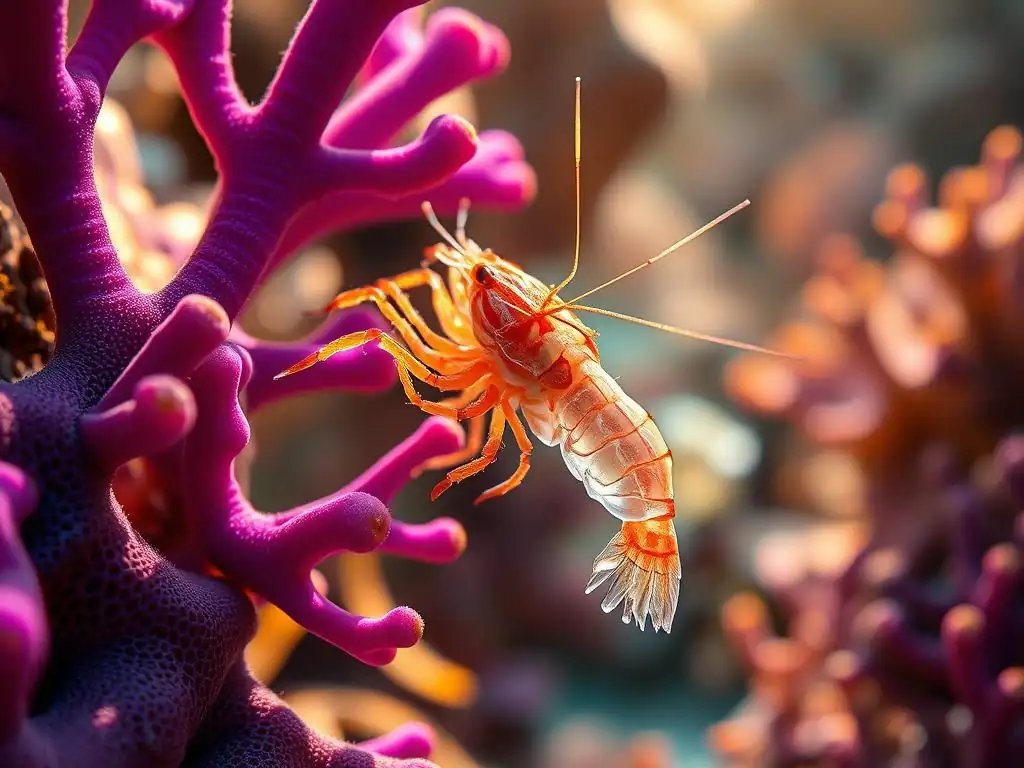
Before molting, the Fire Shrimp absorbs some calcium from its old shell and secretes a new, softer exoskeleton underneath. The old shell then splits, typically along the back near the head, allowing the shrimp to carefully back out of it. This entire process can take anywhere from a few minutes to an hour. The shed exoskeleton, often a ghostly, translucent replica of the shrimp, is frequently found in the tank after a successful molt. Understanding this cycle is a key part of Fire Shrimp care.
Recognizing Signs of Molting and Providing a Safe Environment
Several subtle signs can indicate that a Fire Shrimp is preparing to molt. You might observe a slight dulling of their vibrant red coloration, as the new shell forming underneath can obscure the intensity of the old one. They may also become less active, spending more time hidden in their preferred crevices, and show a reduced interest in food in the days leading up to the molt. Occasionally, a faint gap might be visible between their carapace and abdomen as the old shell begins to separate.
During and immediately after molting, the Fire Shrimp is extremely vulnerable. Its new exoskeleton is soft and pliable, offering no protection from predators or even strong water currents. Therefore, providing a safe and undisturbed environment is crucial. Ensure your aquarium has plenty of secure hiding spots, such as caves, dense live rock structures, or even PVC pipes. Avoid disturbing the tank or introducing new tank mates during this sensitive period. Maintaining stable water parameters, especially calcium and alkalinity, is vital to aid in the successful hardening of the new shell, a critical aspect of Fire Shrimp care.
What to do When Your Fire Shrimp Molts
After your Fire Shrimp has successfully molted, you will typically find its discarded, translucent exoskeleton in the tank. It is generally safe, and often beneficial, to leave this shed shell in the aquarium for a day or two. The Fire Shrimp, or other members of your clean-up crew, may consume the old shell to reabsorb valuable calcium and other minerals, which can aid in the hardening of the new exoskeleton. This is a natural recycling process within the tank.
The newly molted Fire Shrimp will be very reclusive and fragile for a period, usually a few days, until its new shell fully hardens. During this time, continue to ensure stable water parameters and avoid any aggressive tank mate introductions or significant tank disturbances. If the shed shell remains in the tank after 48-72 hours, and the shrimp has not consumed it, it can be carefully removed to prevent its decay from potentially impacting water quality. Observing this process is a rewarding part of Fire Shrimp care.
Fire Shrimp Breeding in Captivity
Conditions Required for Successful Fire Shrimp Breeding
Fire Shrimp are protandric hermaphrodites, meaning they are born male and can transition to female later in life, or function as both simultaneously. For successful breeding, you typically need at least two Fire Shrimp, as they are not self-fertilizing. A compatible pair will often form a bond and remain close, engaging in mutual grooming. To encourage breeding, optimal water quality and stable parameters, as outlined in a general Fire Shrimp care guide, are essential.
A dedicated breeding tank is often recommended to protect the delicate larvae from filtration systems and predation by other tank inhabitants. The water temperature can be kept slightly on the higher end of their preferred range, around 76-78°F (24.5-25.5°C), as this can sometimes stimulate spawning. Consistent, high-quality nutrition for the adult shrimp, particularly foods rich in protein and calcium, also contributes to their reproductive health and the viability of their eggs.
Identifying Male and Female Fire Shrimp
Accurately distinguishing between male and female Fire Shrimp can be challenging, especially when they are young or if you only have a single specimen. As protandric hermaphrodites, they possess both male and female reproductive organs, and their sexual function can change over time. Visually, there are no definitive external characteristics that reliably differentiate a "male" from a "female" Fire Shrimp.
The most practical approach to establishing a breeding pair is to acquire two or more Fire Shrimp and allow them to naturally pair off. Compatible individuals will often be observed consistently staying together, often sharing the same hiding spot, and engaging in mutual grooming. In a pair, the larger individual is more likely to be functioning as the female, as they typically grow larger when they take on female reproductive roles. Observing these behaviors is key to successful Fire Shrimp care for breeding purposes.
Raising Fire Shrimp Larvae: Challenges and Requirements
Raising Fire Shrimp larvae in captivity is notoriously challenging and requires a significant commitment of time and resources. Upon hatching, the larvae are planktonic and incredibly tiny, usually less than 1 millimeter in length. They are highly susceptible to being drawn into filtration systems and are easily predated upon by even the smallest fish or corals in a display tank. This necessitates a dedicated larval rearing tank, typically a bare-bottom tank with gentle aeration.
The primary challenge lies in providing appropriate food for the microscopic larvae. They require a consistent supply of very small live foods, such as phytoplankton, rotifers, and newly hatched brine shrimp nauplii, which must be cultured separately. Maintaining pristine water quality in the larval tank is also critical, as the larvae are extremely sensitive to ammonia and nitrite. Due to these demanding requirements and the high mortality rates often encountered, successfully raising Fire Shrimp larvae to maturity is considered an advanced aspect of Fire Shrimp care, often achieved only by experienced breeders.
Common Health Issues and Prevention in Fire Shrimp
Recognizing Signs of Illness in Fire Shrimp
Observing your Fire Shrimp regularly is crucial for early detection of potential health issues, which can be addressed more effectively with prompt Fire Shrimp care. A healthy Fire Shrimp is typically active, constantly exploring its surroundings, scavenging for food, and maintaining its vibrant, intense red coloration. Any significant deviation from these normal behaviors can be an indication of stress or illness.
Signs of illness in Fire Shrimp include prolonged periods of hiding, even when the tank is quiet, or a noticeable decrease in activity levels. They may refuse to eat, even when offered their favorite foods. Physical symptoms can include a dull or faded coloration, white spots or lesions on their body (distinct from their natural white markings), or a failure to successfully complete a molt, leaving them stuck in their old shell. Any of these symptoms warrant immediate investigation into water parameters and tank conditions.
Common Diseases and Parasites Affecting Fire Shrimp
While Fire Shrimp are relatively hardy invertebrates, they can be susceptible to certain health problems, often stemming from environmental stress or poor water quality. Bacterial and fungal infections can occur, typically manifesting as fuzzy growths, discoloration, or lesions on their body. These are often secondary infections that take hold when the shrimp's immune system is weakened due to suboptimal conditions.
One of the most common issues encountered with Fire Shrimp is molting complications. A failed molt, where the shrimp is unable to fully shed its old exoskeleton, can be fatal. This is often caused by insufficient calcium or iodine in the water, or by general poor water quality and stress. While Fire Shrimp are known for cleaning parasites off fish, they can occasionally be affected by external parasites themselves, though this is less common if proper quarantine procedures are followed for all new tank inhabitants.
Preventing Health Problems Through Proper Care and Water Quality
The cornerstone of preventing common health issues in Fire Shrimp is meticulous and consistent Fire Shrimp care, with a strong emphasis on maintaining pristine and stable water quality. Regular partial water changes (e.g., 10-20% bi-weekly or monthly) are essential to dilute nitrates and replenish trace elements. Consistent monitoring of key parameters such as salinity, temperature, pH, ammonia, nitrite, and nitrate levels is paramount to ensure they remain within optimal ranges.
Beyond water quality, a varied and nutritious diet, particularly one that includes calcium-rich foods, supports healthy molting and overall vitality. Providing ample hiding spots in the aquarium reduces stress, which in turn strengthens the shrimp's immune system. Finally, always quarantine any new fish or invertebrates before introducing them to your main display tank. A quarantine period of 2-4 weeks allows you to observe new additions for signs of disease and treat them if necessary, preventing the introduction of pathogens that could harm your Fire Shrimp or other tank inhabitants.
Purchasing Fire Shrimp: Selection and Acclimation
Selecting Healthy Fire Shrimp from Reputable Sources
When purchasing Fire Shrimp, the initial selection process is crucial for ensuring you acquire a healthy specimen that will thrive in your aquarium. Always choose a reputable local fish store or a well-regarded online vendor known for their high-quality marine livestock and ethical practices. Avoid impulse purchases from sources with questionable tank conditions or unresponsive staff.
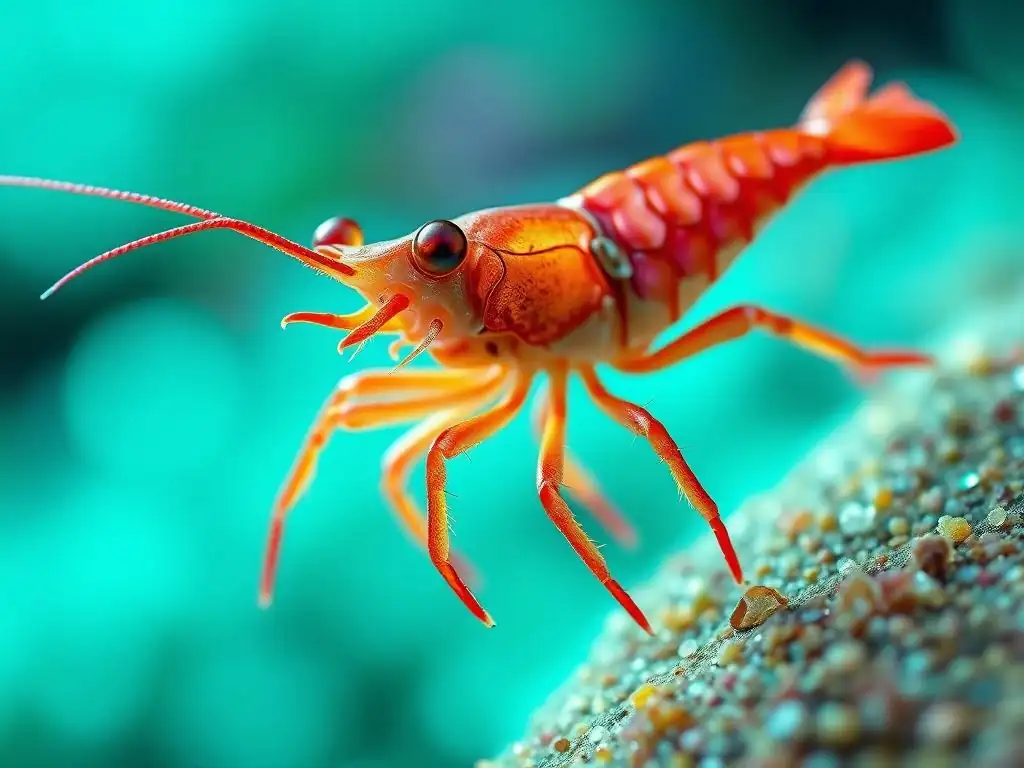
Once at the store, carefully observe the Fire Shrimp in their holding tank. Look for individuals that are active, moving around, and exploring their environment. Their coloration should be vibrant and intense red, with clear white markings.
Avoid shrimp that appear lethargic, are constantly hiding, have dull or faded colors, or show any signs of physical damage such as missing antennae or legs (though minor limb loss can regenerate over molts). Inquire about how long the shrimp has been at the store and its feeding habits. A healthy Fire Shrimp should be alert and responsive to movement, a key indicator for a successful Fire Shrimp care journey.
Acclimation Process: Introducing Fire Shrimp to Your Tank Safely
Fire Shrimp are highly sensitive to sudden changes in water parameters, particularly salinity and pH. Improper acclimation can lead to severe stress, shock, or even death. Therefore, a slow and careful acclimation process is absolutely essential. The drip acclimation method is widely regarded as the safest and most effective way to introduce Fire Shrimp to your aquarium, minimizing the risk of osmotic shock.
Begin by floating the sealed bag containing the shrimp in your sump or display tank for 15-20 minutes to equalize the water temperature. After this, open the bag and secure it to the side of a bucket or container. Using airline tubing and a knot or airline valve, start a slow drip of your aquarium water into the bag.
Aim for a drip rate of about 2-3 drops per second, allowing the volume of water in the bag to slowly double over a period of 45-60 minutes. Once acclimated, gently net the Fire Shrimp from the bag and place it into your tank, discarding the bag water to prevent introducing any potentially harmful substances into your display. This meticulous process is vital for successful Fire Shrimp care.
Quarantine Procedures: Preventing the Introduction of Diseases
While the Fire Shrimp itself is less prone to carrying certain fish diseases, implementing a quarantine procedure for all new livestock, including invertebrates, is a crucial best practice in reef keeping. Even seemingly healthy shrimp can carry parasites or bacterial infections that could potentially spread to your main display tank, putting your established inhabitants at risk. A separate quarantine tank (QT) allows you to observe the shrimp in isolation and treat any issues before integration.
A basic QT setup for a Fire Shrimp can be a small 5-10 gallon tank with a heater, a small powerhead for gentle circulation, and a piece of PVC pipe or a small, inert rock for hiding. Avoid using substrate in the QT, as it can trap waste and absorb medications. Keep the QT bare-bottom for ease of cleaning and observation.
Maintain pristine water parameters in the QT, mirroring those of your main display tank. A quarantine period of 2 to 4 weeks is generally recommended, allowing sufficient time to detect and address any potential health concerns, thereby safeguarding your entire reef system and ensuring effective Fire Shrimp care.
Troubleshooting Common Fire Shrimp Issues
Fire Shrimp Hiding: Understanding and Addressing Shyness
One of the most common observations new Fire Shrimp owners make is their tendency to hide extensively, often remaining out of sight for prolonged periods. While Fire Shrimp are naturally shy and reclusive, excessive or constant hiding can be a sign of stress or an unsuitable environment. This could be due to a lack of sufficient hiding spots, the presence of aggressive tank mates, or unstable water parameters.
To address excessive hiding, first ensure your aquarium is well-aquascaped with plenty of live rock offering numerous crevices, caves, and overhangs where the shrimp can feel secure. Review your tank mate list to confirm there are no aggressive fish that might be harassing the shrimp. Thirdly, meticulously test all water parameters (salinity, temperature, pH, ammonia, nitrite, nitrate, calcium, alkalinity) to ensure they are stable and within optimal ranges. Given time, a secure environment, and proper Fire Shrimp care, most shy Fire Shrimp will eventually become more comfortable and visible within the tank.
Fire Shrimp Not Eating: Identifying Potential Causes and Solutions
A Fire Shrimp refusing to eat can be a concerning sign, but it's important to consider several potential causes before panicking. It might simply be that the shrimp has recently molted, and its appetite is temporarily suppressed as it recovers and hardens its new shell. In a well-stocked reef tank, the shrimp might also be finding sufficient food by scavenging on detritus and leftover fish food, making direct feeding less necessary.
However, a persistent lack of appetite can also indicate poor water quality, illness, or severe stress. Begin by thoroughly checking all water parameters to ensure they are stable and within optimal ranges. Observe the shrimp for any physical signs of illness, such as discoloration or lesions, or unusual behavior. Try offering a variety of highly appealing foods, such as frozen mysis shrimp or brine shrimp, to entice it. If the issue persists despite optimal conditions and varied food offerings, further investigation into potential underlying health problems may be necessary, and is an important part of Fire Shrimp care.
Fire Shrimp Aggression: Causes and Solutions
Fire Shrimp are generally considered peaceful invertebrates, and aggression from them is relatively rare. When it does occur, it is almost exclusively directed towards other cleaner shrimp species, particularly other Lysmata species like the Skunk Cleaner Shrimp ( Lysmata amboinensis), due to territorial disputes or competition for resources. It is highly uncommon for a Fire Shrimp to show aggression towards fish or other invertebrates in a reef tank, unless they are extremely small and slow-moving, which is a rare exception.
If you observe aggression, especially between multiple cleaner shrimp, it typically indicates that the aquarium is either too small to support multiple territories or there is insufficient live rock and hiding spots to allow each shrimp to establish its own space. In such cases, the best solution is to either rehome one of the aggressive shrimp or consider upgrading to a larger tank with more elaborate aquascaping to provide distinct territories. Ensuring there is ample food available for all inhabitants can also reduce competition and potential squabbles.
Fire Shrimp: Pros and Cons of Keeping Them in a Reef Aquarium
Advantages of Fire Shrimp: Reef Cleaning and Beauty
One of the most significant advantages of keeping Fire Shrimp in a reef aquarium is their undeniable aesthetic appeal. Their vibrant, intense scarlet red coloration, contrasted with their white antennae and leg markings, makes them an immediate focal point in any tank. They add a dynamic splash of color and movement, enhancing the visual beauty of the entire reef ecosystem. For many aquarists, their striking appearance alone justifies their inclusion.
Beyond their beauty, Fire Shrimp offer tangible benefits as active members of the clean-up crew. They diligently scavenge for uneaten food, detritus, and decaying organic matter, helping to maintain pristine water quality and reduce nutrient buildup. More uniquely, they actively engage in cleaning fish, removing external parasites and dead tissue, which is a fascinating and beneficial symbiotic behavior to observe. This combination of beauty and utility makes them a highly desirable addition for comprehensive Fire Shrimp care.
Disadvantages of Fire Shrimp: Shyness and Potential Incompatibility
Despite their many advantages, Fire Shrimp do come with a few considerations that aquarists should be aware of. Their most notable "disadvantage" is their inherent shyness. Especially when newly introduced or if they feel threatened, they may spend a significant amount of time hidden within the rockwork, making them less visible than some aquarists might prefer. This can sometimes be disappointing for owners who wish to frequently admire their vibrant coloration.
Another potential drawback is their sensitivity to certain medications, particularly copper-based treatments, which are common for fish diseases but highly toxic to invertebrates. This means if you need to treat your fish for an illness, the Fire Shrimp would need to be removed to a separate, invertebrate-safe hospital tank. While generally peaceful, they can also be incompatible with large predatory fish, requiring careful tank mate selection. Their lifespan, typically 2-3 years, is also relatively short compared to some other long-lived reef inhabitants.
Overall Considerations Before Adding Fire Shrimp to Your Reef Tank
Before adding Fire Shrimp to your reef aquarium, a thorough assessment of your existing setup and a commitment to their specific needs are crucial. First, evaluate your current tank inhabitants to ensure compatibility. Fire Shrimp thrive in peaceful environments and should not be housed with large, aggressive, or predatory fish that might view them as food. Ensure your tank size is adequate, providing not only swimming space but also ample live rock with numerous hiding spots to accommodate their shy nature.
Furthermore, be prepared to commit to the stringent water quality requirements outlined in this Fire Shrimp care guide. Stable salinity, temperature, and pH, along with undetectable ammonia and nitrite, and very low nitrates, are non-negotiable for their long-term health. A varied and nutritious diet, supplemented with calcium, is also essential for healthy molting and vibrant coloration. By carefully considering these factors, you can ensure a successful and rewarding experience with these dazzling reef inhabitants.
Conclusion: Mastering Fire Shrimp Care for a Thriving Reef Aquarium
The Fire Shrimp ( Lysmata debelius) stands out as an exceptional addition to any marine reef aquarium, offering a captivating blend of vibrant beauty and valuable ecological service. Their intense scarlet coloration makes them an immediate focal point, while their diligent scavenging and symbiotic cleaning behaviors contribute significantly to the health and cleanliness of the tank environment. Successfully keeping these dazzling invertebrates hinges on a deep understanding and consistent application of their specific care requirements.
Mastering Fire Shrimp care involves providing a stable and pristine saltwater environment, characterized by consistent water parameters, appropriate temperature, and ample hiding spots within a well-structured live rock aquascape. A varied and nutritious diet, supplemented with calcium, is crucial for their overall health and successful molting. Furthermore, careful consideration of compatible tank mates is paramount to ensure their safety and reduce stress. By adhering to these guidelines, aquarists can enjoy the mesmerizing presence and beneficial contributions of Fire Shrimp, fostering a thriving and visually stunning reef aquarium for years to come.
Frequently Asked Questions
What are the basic requirements for keeping Fire Shrimp (Lysmata debelius)?
Fire Shrimp require a stable reef environment, including appropriate salinity, temperature (72-78°F), and pH (8.1-8.4). They also need plenty of hiding places and good water quality.
What do Fire Shrimp eat, and how often should I feed them?
Fire Shrimp are opportunistic scavengers that will eat uneaten food, algae, and parasites. Supplement their diet with small pieces of meaty food like frozen mysis shrimp or flake food a few times a week.
Are Fire Shrimp compatible with other invertebrates and fish in a reef tank?
Fire Shrimp are generally peaceful but can be preyed upon by larger, aggressive fish. Avoid keeping them with species known to eat invertebrates. They are typically compatible with other reef inhabitants such as snails and corals.
What are some common signs of stress or illness in Fire Shrimp?
Signs of stress can include hiding excessively, lack of appetite, or loss of color. Improper water parameters or harassment from other tank mates can lead to stress.
How often do Fire Shrimp molt, and what should I do when they do?
Fire Shrimp molt regularly as they grow, shedding their exoskeleton. Do not remove the shed exoskeleton as they may consume it to replenish minerals. Increased hiding is common after molting as they are vulnerable.
Okay, here's a final reflection crafted for your "Fire Shrimp (Lysmata debelius): A Dazzling but Shy Reef Cleaner" article, optimized for emotional connection and a lasting impression, while keeping the "Fire Shrimp care guide" keyword in mind:
Final Reflection: The Enduring Allure of the Fire Shrimp
The journey into understanding the Fire Shrimp, Lysmata debelius, reveals more than just the intricacies of reef tank maintenance; it highlights the profound beauty and delicate balance within our miniature aquatic ecosystems. As reef keeping continues to grow in popularity, the responsible care of these vibrant creatures becomes increasingly crucial, ensuring their survival and the health of the reef environment they inhabit.
The Fire Shrimp's captivating color and beneficial cleaning habits have made it a beloved addition to many aquariums. This article, I hope, has illuminated not just the practical aspects of their care, but also the deeper responsibility we bear as stewards of these delicate lives. As Jacques Cousteau wisely stated, The sea, once it casts its spell, holds one in its net of wonder forever.
This wonder extends to the smallest inhabitants of our reefs, reminding us of the interconnectedness of all living things.
Now, as you consider adding a Fire Shrimp to your own reef tank, or perhaps reflect on the ones you already cherish, remember that informed care is an act of conservation. Let this guide inspire you to delve deeper into the needs of these dazzling creatures, ensuring their well-being and contributing to the long-term health of our planet's precious coral reefs.
Ignite Your Reef Tank: Welcome the Fire Shrimp!
Thanks for diving into the fascinating world of Fire Shrimp! We hope you've discovered how these vibrant creatures can bring both beauty and utility to your reef aquarium. Now, let's take action to make your underwater paradise even better:
- Introduce a Fire Shrimp to your reef tank and watch it thrive! Ensure your tank parameters are suitable for these crustaceans before acquiring one.
- Share this article with fellow reef tank enthusiasts! Spread the knowledge and help others discover the benefits of Fire Shrimp.
- Observe your existing invertebrates carefully. Could a Fire Shrimp help keep them clean and healthy?
What invertebrates are currently thriving in your tank, and how could a Fire Shrimp potentially enhance their well-being?