
Unraveling Clownfish Genetics: The Science Behind Designer Morphs & Breeding

Welcome to Aquarium Mastery!
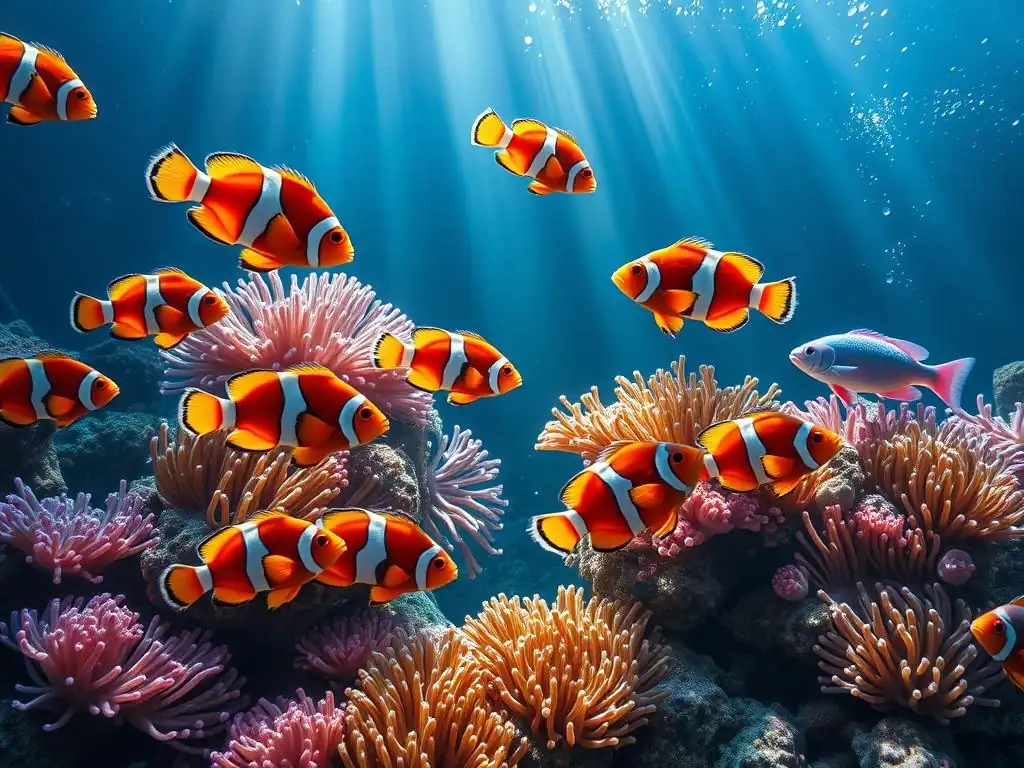
Ever wondered how those stunning designer clownfish get their unique patterns and vibrant colors? Dive deep with us as we unravel the fascinating world of Clownfish breeding genetics explained. Prepare to unlock the secrets behind morphs, inheritance, and the science that makes these captivating creatures so incredibly diverse. Ready to become a Clownfish breeding genetics expert? Let's explore!
- Introduction to Clownfish Genetics and Breeding for Aquarists
- Basic Clownfish Genetics: Genes, Chromosomes, and Inheritance
- Clownfish Breeding: The Foundation for Genetic Selection
- Designer Clownfish Morphs: A World of Genetic Possibilities
- The Genetics of Clownfish Coloration: Understanding Pigments and Patterns
- Inbreeding and Line Breeding in Clownfish: Risks and Benefits
- Genetic Mutations in Clownfish: Spontaneous Variations and Their Impact
- Advanced Clownfish Breeding Techniques: Genetic Testing and Marker-Assisted Selection
- Clownfish Breeding Genetics Explained: A Summary and Future Outlook
-
Frequently Asked Questions
- How do clownfish genetics influence the appearance of designer morphs?
- What role does selective breeding play in creating different clownfish morphs?
- What are some of the common genetic traits that breeders focus on when breeding clownfish?
- How important is understanding water chemistry for successful clownfish breeding?
- What are some of the challenges associated with breeding clownfish for specific genetic traits?
- Final Reflection: The Vibrant Future of Clownfish Conservation
- Dive Deeper: Become a Clownfish Breeding Pro!
Introduction to Clownfish Genetics and Breeding for Aquarists
Why Understanding Clownfish Genetics Matters for Aquarium Hobbyists
For the dedicated aquarium hobbyist, delving into the intricacies of clownfish genetics is far more than an academic exercise; it's a practical pathway to success and deeper engagement with the hobby. A solid grasp of how traits are inherited allows breeders to predict outcomes, minimize undesirable traits, and consistently produce healthy, vibrant offspring. This knowledge is crucial for anyone aiming to move beyond simply keeping clownfish to actively breeding them, ensuring the long-term viability and quality of their captive populations.
Furthermore, understanding the genetic underpinnings of clownfish helps in troubleshooting common issues and making informed decisions about breeding pairs. For instance, knowing that certain deformities or health issues can be genetically linked allows a breeder to avoid pairing fish that might pass on such predispositions, potentially reducing mortality rates in fry by identifying weak lines. This proactive approach to clownfish breeding genetics explained ensures a more robust and resilient next generation.
The Growing Popularity of Designer Clownfish Morphs
The allure of unique and visually striking clownfish morphs has fueled a significant boom in the aquarium trade, transforming the landscape of captive breeding. Unlike their wild-type counterparts, designer clownfish exhibit a stunning array of patterns and colors, from the intricate white webbing of "Snowflakes" to the stark black and white of "Black Storms." This demand is not merely aesthetic; it also carries substantial economic incentive for breeders.
A high-end designer morph, such as a "Black Storm" Ocellaris, can retail for upwards of $300-$500 per fish, a stark contrast to the $20-$40 price tag of a standard Ocellaris. This significant price differential highlights the value placed on unique genetic expressions. The market for these specialized clownfish has seen an estimated 15-20% annual growth in recent years, demonstrating a clear and increasing interest among aquarists in understanding and producing these captivating variations through careful clownfish breeding genetics explained.
Basic Clownfish Genetics: Genes, Chromosomes, and Inheritance
Understanding the Clownfish Genome: A Simplified Overview
At the core of every clownfish, much like any living organism, lies its genome – the complete set of genetic instructions encoded in DNA. This vast blueprint dictates every characteristic, from the number of stripes to their vibrant coloration and even their ultimate size. Each specific instruction for a trait is carried by a segment of DNA known as a gene. These genes are organized and packaged into structures called chromosomes.
For instance, Amphiprion ocellaris, the common Ocellaris clownfish, possesses 24 pairs of chromosomes, totaling 48 chromosomes in each somatic cell. The sequencing of the Amphiprion ocellaris genome in 2017 was a landmark achievement, revealing approximately 26,000 protein-coding genes. This foundational understanding provides invaluable insight into how clownfish breeding genetics explained can be manipulated for specific outcomes, offering a scientific basis for selective breeding efforts.
How Genes Determine Clownfish Traits: Color, Pattern, and Size
The visible traits of a clownfish, such as its distinctive orange hue, the number and shape of its white stripes, or its adult size, are all determined by the specific genes it inherits from its parents. Genes come in different forms, or alleles, which can be dominant or recessive. A dominant allele will express its trait even if only one copy is present, while a recessive allele requires two copies (one from each parent) to be expressed.
Consider the "Picasso" trait in Amphiprion percula: this irregular bar pattern is often attributed to a dominant or co-dominant gene. If a clownfish inherits just one copy of this gene, it can display the Picasso pattern. If it inherits two copies, it might exhibit an even more extensive white pattern, leading to a "Platinum" or "Snowflake"-like appearance. This illustrates how specific genetic loci influence visible traits, providing a clear example of the principles of clownfish breeding genetics explained.
The Role of Chromosomes in Clownfish Inheritance
Chromosomes serve as the physical vehicles that carry genes from one generation to the next. In sexually reproducing organisms like clownfish, offspring inherit half of their chromosomes from each parent, ensuring a mix of genetic material. This process occurs during the formation of gametes (sperm and eggs) through a specialized cell division called meiosis.
During meiosis, homologous chromosomes – the pairs of chromosomes inherited from each parent – exchange genetic material through a process called recombination or "crossing over." This shuffling of alleles on the chromosomes creates new combinations of genes, contributing significantly to the genetic diversity observed in clownfish broods. The rate of recombination can vary across different chromosomal regions, influencing the probability of specific trait inheritance and adding another layer of complexity to clownfish breeding genetics explained.
Clownfish Breeding: The Foundation for Genetic Selection
The Clownfish Breeding Cycle: From Mating to Hatching
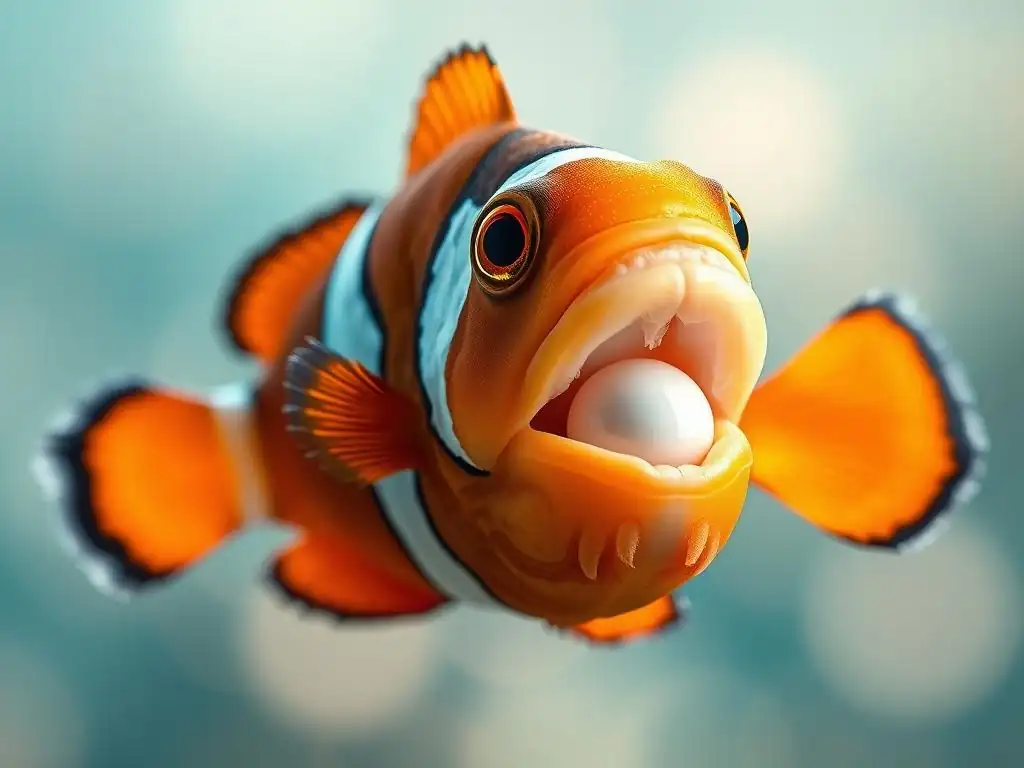
The journey from a pair of clownfish to a new generation begins with a well-established breeding pair, often exhibiting synchronized behaviors. The female typically lays adhesive eggs on a cleaned surface, usually near the base of her host anemone or a suitable substitute like a clay pot or PVC pipe. The male then fertilizes these eggs externally. Over the next 7 to 10 days, the male meticulously guards and fans the eggs, ensuring proper oxygenation and removing any unfertilized or diseased eggs.
A typical pair of Ocellaris clownfish can lay between 300 to 1,000 eggs per clutch, with clutches occurring every 10-14 days under optimal conditions. The exact incubation period is temperature-dependent; at water temperatures around 26-27°C (79-81°F), larvae typically hatch within 7-10 days, usually after lights out. These newly hatched larvae are planktonic and require specialized feeding and care to survive through their metamorphic stage.
Genetic Variations in Clownfish Broods
Despite originating from the same two parents, clownfish broods exhibit a remarkable degree of genetic variation. This diversity is a natural consequence of sexual reproduction, where genes are shuffled and recombined during meiosis. No two offspring, except in rare cases of identical twinning (not common in fish), will be genetically identical. This means that even within a single clutch, individual fry can display subtle or significant differences in their developing traits.
For example, even from genetically similar parents, a brood of 500 clownfish fry might exhibit a wide range of variations in stripe thickness, color intensity, and growth rates. It's common to find perhaps 5-10% of the brood displaying unique or highly desirable traits, while another 5-10% might have undesirable traits or minor deformities. This inherent variability is precisely what allows for selective breeding, as breeders can identify and isolate individuals with desired characteristics, a key aspect of clownfish breeding genetics explained.
Selective Breeding: Choosing Desirable Traits in Clownfish
Selective breeding is the cornerstone of creating designer clownfish morphs, involving the intentional pairing of individuals that exhibit desired traits to produce offspring with enhanced versions of those characteristics. This process mimics natural selection but is guided by human intervention, accelerating the development of specific phenotypes. Breeders meticulously evaluate each generation, looking for improvements in color, pattern, size, and overall health.
A breeder might, for instance, carefully select the top 10-20% of a brood based on the most desirable traits, such as perfectly formed "Snowflake" patterns or exceptionally vibrant orange coloration. These chosen individuals are then nurtured and used as future breeders, with the aim of increasing the prevalence of that specific trait. Through consistent selective breeding over several generations, a trait that might have appeared in only 1% of the initial F1 generation can be increased to over 50% by the F3 or F4 generation, demonstrating the powerful impact of understanding clownfish breeding genetics explained.
Designer Clownfish Morphs: A World of Genetic Possibilities
The Origins of Designer Clownfish: A History of Selective Breeding
The captivating world of designer clownfish morphs didn't emerge overnight; it's the result of decades of dedicated observation and selective breeding by aquarists and commercial hatcheries. Originally, hobbyists sought to breed wild-type clownfish to reduce reliance on wild collection. However, occasional spontaneous genetic mutations would appear in captive broods, presenting unique patterns or colors previously unseen.
The "Snowflake" Ocellaris, for instance, which revolutionized the designer clownfish market, originated from a naturally occurring genetic mutation in a single wild-type Ocellaris clownfish propagated by Sustainable Aquatics in the early 2000s. This single fish, displaying an unusual irregular white pattern, became the progenitor for a multi-million dollar industry segment. Its discovery and subsequent stabilization through selective breeding perfectly illustrate how understanding clownfish breeding genetics explained can transform a rare anomaly into a widely available and highly sought-after morph.
Popular Designer Clownfish Morphs and Their Genetic Basis
The diversity of designer clownfish morphs available today is truly astonishing, each with a unique visual appeal and, often, a specific genetic story. These morphs are generally categorized by the species they originate from, as different species can express similar-looking patterns due to different underlying genetic mechanisms. Understanding these genetic bases is key to successful breeding.
Ocellaris Clownfish Morph Genetics
The Ocellaris clownfish ( Amphiprion ocellaris) is arguably the most common species for designer morphs due to its prolific breeding and adaptability.
- Snowflake: Characterized by irregular, fragmented white patterns that often extend into the orange body. This trait is widely believed to be a single dominant or co-dominant gene. When a Snowflake Ocellaris is bred with a standard Ocellaris, approximately 50% of the offspring will display the Snowflake trait, demonstrating clear Mendelian inheritance in clownfish breeding genetics explained.
- Picasso: Similar to Snowflake but typically with more defined, broken white bars. The genetic basis is often linked to the Snowflake gene, possibly being a different expression or a modifier.
- Black Ocellaris (Darwin Ocellaris): These fish are entirely black with white stripes (or even solid black in some extreme examples). This melanistic trait is generally considered recessive, meaning two copies of the gene are needed for the fish to appear black.
Percula Clownfish Morph Genetics
The Percula clownfish ( Amphiprion percula) is closely related to the Ocellaris but often exhibits different genetic expressions for similar patterns.
- Picasso Percula: Displays more pronounced and irregular white patterns than its Ocellaris counterpart, often with very thick, broken bars. The underlying genetics for Picasso in Perculas is complex but often involves a dominant or co-dominant gene.
- Platinum Percula (Gladiator/Whiteout): These are almost entirely white with orange fins, having very little orange body coloration. This extreme white coverage often results from a homozygous expression of the "Picasso" gene or a closely linked modifier. Breeding two Picasso Perculas can yield approximately 25% Platinum offspring, indicating a recessive or co-dominant interaction when two copies of the gene are present.
Premnas biaculeatus (Maroon) Clownfish Morph Genetics
The Maroon clownfish ( Premnas biaculeatus) is known for its larger size and aggressive temperament, but it also boasts some spectacular designer morphs.
- Lightning Maroon: Characterized by distinctive, jagged white patterns resembling lightning bolts across its body. Discovered in 2004 off Papua New Guinea, its inheritance pattern is still being studied but appears to be a dominant trait. This morph is a prime example for understanding the complexities and excitement inherent in clownfish breeding genetics explained.
- Gold Nugget Maroon: These morphs exhibit a solid gold or orange body with minimal white markings, a trait selectively bred for its unique coloration.
Creating New Clownfish Morphs: A Step-by-Step Guide [Example Morph: Snowflake]
The process of creating a new clownfish morph, while often beginning with a serendipitous mutation, follows a systematic approach rooted in genetic principles. Taking the "Snowflake" Ocellaris as an example, here's a simplified guide:
- Identify a Unique Individual: The process starts with the observation of a single fish displaying an unusual, novel trait – in the case of the Snowflake, an Ocellaris clownfish with irregular, fragmented white patterns instead of the typical three clean bars. This is often a spontaneous genetic mutation, a rare occurrence.
- Isolate and Breed to Confirm Heritability: The unique individual is then isolated and paired with a standard wild-type clownfish (or another fish with a known genetic background). The goal is to see if the trait is passed on to the offspring (F1 generation). If approximately 50% of the F1 offspring display the trait, it strongly suggests a dominant or co-dominant gene is responsible, confirming its heritability and paving the way for understanding its clownfish breeding genetics explained.
- Line Breed to Stabilize the Trait: Once heritability is confirmed, breeders begin "line breeding." This involves pairing the F1 individuals that express the desired trait (e.g., Snowflake x Snowflake, or Snowflake x standard if the trait is dominant) to increase the prevalence and consistency of the pattern in subsequent generations (F2, F3, etc.). Careful selection is made in each generation to only breed the best examples of the morph.
- Outcross to Introduce Genetic Diversity: While line breeding concentrates desirable traits, it can also lead to inbreeding depression over many generations. To maintain genetic vigor and health, breeders periodically "outcross" the line-bred fish with unrelated, healthy clownfish that either express the trait or are known carriers. This introduces new genetic material while preserving the desired morph, ensuring the long-term health and stability of the new line.
The Genetics of Clownfish Coloration: Understanding Pigments and Patterns
Melanophores: The Key to Black Pigmentation in Clownfish
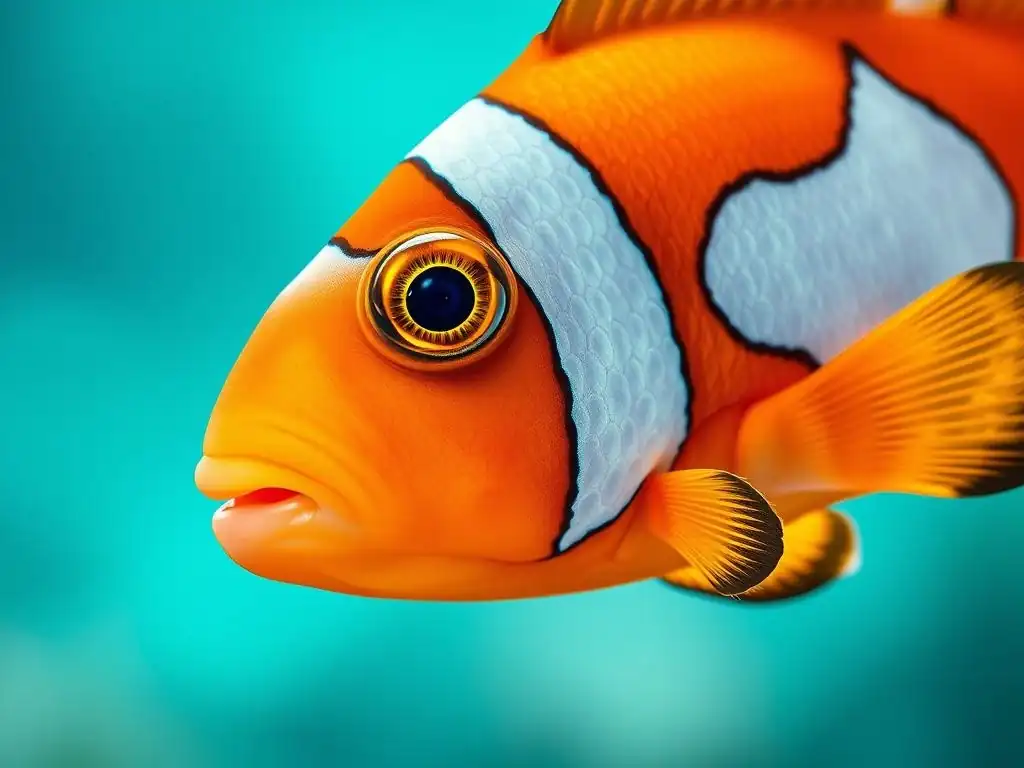
Melanophores are specialized pigment cells that produce and store melanin, the dark brown or black pigment responsible for black coloration in clownfish. The distribution, density, and activity of these cells determine the extent and intensity of black areas on a clownfish's body, such as the distinct black outlines of their white stripes or the solid black body of a "Darwin Ocellaris."
In morphs like "Blacker Ice" Ocellaris, the enhanced black pigmentation is a direct result of a significantly higher density and more widespread distribution of these melanophores compared to standard Ocellaris clownfish. Recent genetic studies are beginning to pinpoint the specific regulatory genes that control melanophore development, migration, and melanin production. Understanding these genes provides crucial insight into how breeders can selectively enhance or diminish black coloration, a vital component of clownfish breeding genetics explained.
Carotenoids: Creating Orange and Yellow Hues
The vibrant orange and yellow hues characteristic of many clownfish species are primarily due to carotenoid pigments. Unlike melanophores, which synthesize their own pigments, clownfish cannot produce carotenoids internally. Instead, they must obtain these pigments through their diet, typically from zooplankton and algae in their natural environment or from specially formulated foods in captivity.
These carotenoids are then stored in specialized pigment cells called xanthophores (for yellow) and erythrophores (for red/orange). The intensity of the orange or yellow coloration is directly related to the amount and type of carotenoids consumed and absorbed. For instance, a diet rich in astaxanthin, a common carotenoid found in krill and spirulina, can significantly enhance the orange and red hues. Some commercial clownfish foods contain up to 500 mg/kg of astaxanthin specifically to optimize color, demonstrating the interplay between genetics and nutrition in clownfish coloration.
The Genetics Behind Clownfish Stripes and Patterns
The iconic white stripes that define most clownfish species are not merely superficial markings; their formation and precise positioning are under complex genetic control. These stripes typically develop during the larval metamorphosis stage, usually around 7-10 days post-hatch, as the fish transitions from a free-swimming larva to a benthic juvenile. The number, thickness, and integrity of these stripes are dictated by intricate genetic pathways that regulate the migration and differentiation of various pigment cells.
Research indicates that the precise positioning and formation of clownfish stripes are governed by a complex interplay of developmental genes, including those from the Hox gene family, and various signaling pathways. Mutations in these genes can lead to dramatic alterations in stripe patterns, resulting in the fragmented, irregular, or even absent stripes seen in morphs like "Picasso," "Snowflake," or "Platinums." These mutations provide the raw material for new designer morphs, offering a fascinating avenue for exploring clownfish breeding genetics explained.
Inbreeding and Line Breeding in Clownfish: Risks and Benefits
Understanding Inbreeding Depression in Clownfish
Inbreeding, the mating of closely related individuals (e.g., siblings, parent-offspring), is a common practice in selective breeding programs to rapidly concentrate desirable traits. However, it carries significant risks, primarily that of "inbreeding depression." This phenomenon occurs when repeated inbreeding leads to a reduction in genetic diversity, increasing the likelihood of offspring inheriting two copies of harmful recessive alleles.
In clownfish, severe inbreeding depression can manifest in various negative ways. These include reduced fertility (smaller clutch sizes, lower hatch rates), smaller adult size, increased prevalence of deformities (e.g., spinal curvature, gill plate issues, fin deformities, observed in up to 5% in highly inbred lines), weakened immune systems, and higher mortality rates in fry and juveniles. For instance, studies on other captive-bred fish populations show that inbreeding over several generations can lead to a 10-20% reduction in growth rate and a 5-15% increase in susceptibility to disease, highlighting the critical need for careful management in clownfish breeding genetics explained.
Strategies for Avoiding Inbreeding in Clownfish Breeding Programs
Mitigating the risks of inbreeding depression is paramount for maintaining healthy and robust clownfish breeding lines. Responsible breeders employ several strategies to ensure genetic diversity while still pursuing desirable traits.
- Maintain Detailed Genetic Records: Meticulous record-keeping is essential, tracking parentage, brood numbers, and any observed genetic issues over multiple generations. Professional clownfish breeders often maintain records of at least three generations to track parentage and avoid sibling-to-sibling or parent-to-offspring pairings inadvertently.
- Introduce New Bloodlines (Outcrossing): Periodically introducing unrelated individuals into a breeding program, known as outcrossing, is a highly effective method to infuse new genetic material and increase heterozygosity. Introducing a new, unrelated breeding pair every 2-3 generations can effectively mitigate the risks of inbreeding depression, ensuring the long-term viability of a line.
- Use a Large Breeding Population: Maintaining a larger number of breeding pairs and rotating their use can help prevent the rapid accumulation of deleterious recessive alleles. A larger gene pool provides more options for outcrossing and reduces the chances of accidental close pairings, thereby safeguarding the overall genetic health of the clownfish breeding genetics explained.
Line Breeding: Maintaining Desirable Traits While Minimizing Risks
Line breeding is a refined form of inbreeding that, when executed carefully, allows breeders to concentrate desirable traits within a specific lineage while attempting to minimize the negative effects of inbreeding depression. Unlike indiscriminate inbreeding, line breeding involves a strategic, controlled approach to pairing related individuals, often focusing on a specific, high-quality individual as a foundation.
For example, a breeder might use a particularly exceptional "Snowflake" male and breed him to his best "Snowflake" daughter. This intensifies the desired trait. However, to counteract the risks of inbreeding, the offspring from this pairing would then be outcrossed with an unrelated "Snowflake" or a genetically diverse standard Ocellaris that has excellent health and vigor. This meticulous process, balancing close pairings with strategic outcrosses, can significantly increase the percentage of "show quality" Snowflakes in a brood from, for instance, 20% to 60% within 4-5 generations, demonstrating how to carefully manage clownfish breeding genetics explained for optimal results.
Genetic Mutations in Clownfish: Spontaneous Variations and Their Impact
Identifying and Understanding Genetic Mutations
Genetic mutations are random, spontaneous changes in an organism's DNA sequence. These alterations can occur due to errors during DNA replication, exposure to environmental factors (like radiation or certain chemicals), or simply through natural biological processes. While many mutations are neutral or even harmful, a small percentage can result in novel traits that are either beneficial or aesthetically desirable.
The initial "Snowflake" pattern in Ocellaris clownfish, the "Black Ocellaris" (Darwin Ocellaris), and the striking "Lightning Maroon" clownfish all originated as spontaneous genetic mutations observed in wild or captive populations. These rare occurrences, estimated to be less than 1 in 10,000 individuals for a significant visible change, provide the raw material for the creation of new morphs. Identifying these unique individuals in a brood is the first critical step in leveraging these natural variations within clownfish breeding genetics explained.
The Role of Mutations in Creating New Clownfish Morphs
Once a desirable genetic mutation is identified, it becomes the foundation for developing a new clownfish morph. Breeders isolate the individual exhibiting the novel trait and undertake controlled breeding efforts to confirm that the mutation is heritable – meaning it can be passed down to offspring. If the mutation is dominant, approximately 50% of the F1 offspring will express the trait when bred with a wild-type. If it's recessive, it might only appear in 25% of the F2 generation after sibling-to-sibling crosses.
This confirmation of heritability is crucial. Once established, breeders can then selectively breed individuals carrying the mutation to stabilize the trait, enhance its expression, and create a consistent line. The entire designer clownfish industry is built upon the identification, propagation, and refinement of these natural genetic mutations, showcasing the dynamic power of understanding clownfish breeding genetics explained.
Ethical Considerations Regarding Genetic Manipulation
While the term "genetic manipulation" often conjures images of laboratory gene editing, in the context of clownfish breeding, it primarily refers to the intense selective breeding of naturally occurring mutations. This practice raises several ethical considerations within the hobbyist community. The primary concern revolves around animal welfare: whether breeding for extreme aesthetic traits might inadvertently compromise a fish's health, natural behavior, or longevity.
For instance, some extreme "Platinum" morphs can exhibit extensive white pigmentation that covers their eyes, potentially leading to reduced vision and impacting their quality of life. Ethical breeders often draw a line at propagating lines that consistently produce individuals with severe deformities or health issues, even if a unique pattern is present. The debate centers on balancing the desire for novel aesthetics with the responsibility to ensure the health and well-being of the fish, advocating for responsible practices in all aspects of clownfish breeding genetics explained.
Advanced Clownfish Breeding Techniques: Genetic Testing and Marker-Assisted Selection
The Potential of Genetic Testing in Clownfish Breeding
Genetic testing, while still an emerging tool in the mainstream aquarium hobby, holds immense potential for revolutionizing clownfish breeding. By analyzing a clownfish's DNA, breeders can gain precise insights into its genetic makeup, moving beyond visual cues alone. This allows for far more informed breeding decisions and can significantly accelerate the development of new morphs and the improvement of existing lines.
The benefits of genetic testing include:
- Identifying Carriers of Recessive Traits: A fish might visually appear normal but carry a recessive gene for a desirable morph (e.g., a "Snowflake" gene in a standard-looking Ocellaris). Genetic testing can identify these heterozygous carriers, allowing breeders to make targeted pairings to produce specific morphs. This can increase the yield of desired morphs by 20-30% in a single generation compared to traditional methods.
- Confirming Parentage: Genetic testing provides irrefutable proof of parentage, essential for maintaining accurate breeding records and preventing accidental inbreeding in large-scale operations.
- Screening for Genetic Diseases: Although less common in the hobby, genetic testing can potentially identify predispositions to certain genetic diseases or vulnerabilities, allowing breeders to remove affected individuals from their breeding programs.
Using Genetic Markers to Predict Clownfish Traits
Genetic markers are specific DNA sequences that are located near, or within, a gene responsible for a particular trait. By identifying these markers, breeders can predict whether an individual clownfish carries a specific trait, even before it becomes visually apparent. This technique, known as Marker-Assisted Selection (MAS), offers a powerful advantage in selective breeding programs.
For example, if researchers identify a Single Nucleotide Polymorphism (SNP) that consistently co-segregates with the "Snowflake" pattern, breeders could test clownfish fry at a very young age—even before their patterns fully develop—to predict which individuals will express the "Snowflake" trait. This capability would save significant time, resources, and tank space typically dedicated to growing out large numbers of fish to maturity before their traits are discernible. The application of genetic markers represents a cutting-edge approach to understanding and applying clownfish breeding genetics explained.
Ensuring Genetic Diversity in Clownfish Populations
Despite the focus on creating specific designer morphs, ensuring broad genetic diversity within captive clownfish populations is crucial for their long-term health and resilience. Over-reliance on a few foundational individuals for popular morphs can lead to genetic bottlenecks, reducing the overall genetic variation and making populations more susceptible to diseases and environmental changes.
To combat this, large commercial hatcheries and responsible hobbyist breeders employ strategies such as:
- Maintaining Multiple Breeding Lines: Instead of relying on a single breeding pair for a morph, maintaining 50-100 distinct breeding pairs, each representing a slightly different genetic lineage, helps preserve diversity.
- Periodic Introduction of New Genetics: Regularly introducing new, unrelated wild-caught individuals (where permissible and sustainable) or genetically diverse captive-bred individuals from different sources helps refresh the gene pool. This practice helps maintain heterozygosity levels, ideally above 80%, crucial for the long-term health and adaptability of the species, ensuring the ongoing vitality of clownfish breeding genetics explained.
Clownfish Breeding Genetics Explained: A Summary and Future Outlook
The Future of Designer Clownfish: What's Next in Genetic Selection?
The world of designer clownfish is continuously evolving, driven by both scientific understanding and the creative spirit of dedicated aquarists. As our knowledge of clownfish breeding genetics explained deepens, the future promises even more precise control over trait expression and potentially the emergence of entirely new morphs. While direct gene editing tools like CRISPR are not currently common in the hobbyist sphere, the foundational understanding of pigment pathways and developmental genes could lead to more sophisticated selective breeding strategies.
We might see the emergence of morphs with entirely novel color combinations, patterns that defy current classifications, or even enhanced resilience to specific environmental stressors. The ability to predict traits at earlier life stages through genetic markers will streamline breeding efforts, making the creation of designer morphs more efficient and accessible. The continued collaboration between scientific research and practical aquaculture will undoubtedly shape the next generation of these captivating marine fish.
Ethical Considerations for Clownfish Breeding and Morph Creation
As the ability to manipulate clownfish traits becomes more refined, the ethical considerations surrounding breeding and morph creation will remain paramount. The responsible breeding community consistently emphasizes the importance of prioritizing fish health and welfare above the pursuit of extreme aesthetic traits. This means carefully evaluating breeding pairs to avoid passing on genes linked to deformities or health issues, even if the resulting patterns might be unique.
For instance, a responsible breeder might choose not to propagate a line that consistently produces individuals with severe spinal deformities or compromised vision, even if a unique pattern is present. This commitment to the well-being of the fish underscores the ethical framework that guides the advancements in clownfish breeding genetics explained, ensuring that the hobby remains sustainable and humane.
Resources for Further Learning About Clownfish Genetics and Breeding
For aquarists eager to delve deeper into the fascinating subject of clownfish breeding genetics explained, a wealth of resources is available. Engaging with these materials can provide both theoretical knowledge and practical insights from experienced breeders.
- Scientific Publications: While often technical, academic papers on fish genetics, particularly those focusing on Amphiprion species, offer foundational biological information regarding their genome, development, and specific gene functions.
- Online Forums and Communities: Platforms like the "Clownfish & Anemone Breeding" forum on Reef2Reef are invaluable. They host discussions from thousands of experienced breeders, offering practical advice, sharing breeding logs, and often debating the nuances of genetic inheritance in real-world scenarios.
- Specialized Books: Comprehensive guides such as "The Complete Illustrated Guide to the Clownfishes" by Fautin and Allen provide robust biological information on clownfish species, including insights into their reproductive biology and natural variations.
- Aquaculture Conferences and Workshops: Attending industry events or workshops, even virtually, can offer direct access to leading experts and cutting-edge research in marine ornamental fish breeding.
Frequently Asked Questions
How do clownfish genetics influence the appearance of designer morphs?
Clownfish genetics determine the color patterns, striping, and other physical traits of the fish. Breeders manipulate these genetics through selective breeding to create unique and desirable "designer" morphs.
What role does selective breeding play in creating different clownfish morphs?
Selective breeding is the process where breeders choose specific clownfish with desirable traits to breed together. Over generations, this process amplifies these traits, leading to the development of new and distinct morphs.
What are some of the common genetic traits that breeders focus on when breeding clownfish?
Breeders commonly focus on traits like color intensity, stripe patterns (e.g., number, thickness, and placement), and the presence of unique markings. They also consider overall health and vigor.
How important is understanding water chemistry for successful clownfish breeding?
Maintaining stable and optimal water chemistry is crucial for successful clownfish breeding. Proper parameters promote healthy fish, successful spawning, and viable fry development.
What are some of the challenges associated with breeding clownfish for specific genetic traits?
Breeding clownfish for specific traits can be challenging due to recessive genes, which may not always express themselves. Also, maintaining genetic diversity to avoid inbreeding issues is crucial.
Final Reflection: The Vibrant Future of Clownfish Conservation
The exploration of clownfish genetics, as we've seen, isn't just an academic exercise; it's a crucial endeavor with real-world implications for conservation and the future of marine ecosystems. Understanding the genetic underpinnings of designer morphs and successful breeding programs allows us to not only appreciate the beauty of these creatures but also to safeguard their wild populations against increasing threats.
This journey into the genetic code of clownfish has highlighted the delicate balance between human intervention and natural preservation. It reminds us that our fascination with these vibrant fish carries a responsibility to ensure their survival, not just in aquariums, but in their natural habitats. In the end, we will conserve only what we love; we will love only what we understand; and we will understand only what we are taught.
- Baba Dioum. This quote encapsulates the importance of education and understanding in fostering a genuine commitment to conservation.
Now, armed with a deeper understanding of clownfish breeding genetics, consider how you can contribute to a more sustainable future for these iconic fish. Whether it's supporting responsible breeding practices, advocating for marine conservation efforts, or simply educating others about the importance of biodiversity, your actions can make a difference. Let's work together to ensure that the vibrant colors of clownfish continue to grace our oceans for generations to come.
Dive Deeper: Become a Clownfish Breeding Pro!
Thanks for exploring the fascinating world of clownfish genetics with us! We hope you've gained valuable insights into creating your own designer morphs. Now, let's put that knowledge into action.
Here are some steps you can take right now:
- Start Planning Your Clownfish Breeding Project: Identify the traits you want to combine and research compatible breeding pairs. This is your primary action, so make it count!
- Share this article with fellow aquarium enthusiasts and spark a conversation about clownfish breeding strategies.
- Explore AquariumMastery.com's forum – Introduce yourself and ask others if they have ever crossbred clownfish.
What unique clownfish morph are you dreaming of creating?