
Toxic Anemones: Species to Avoid for Safe Clownfish Hosting

Welcome to Aquarium Mastery!
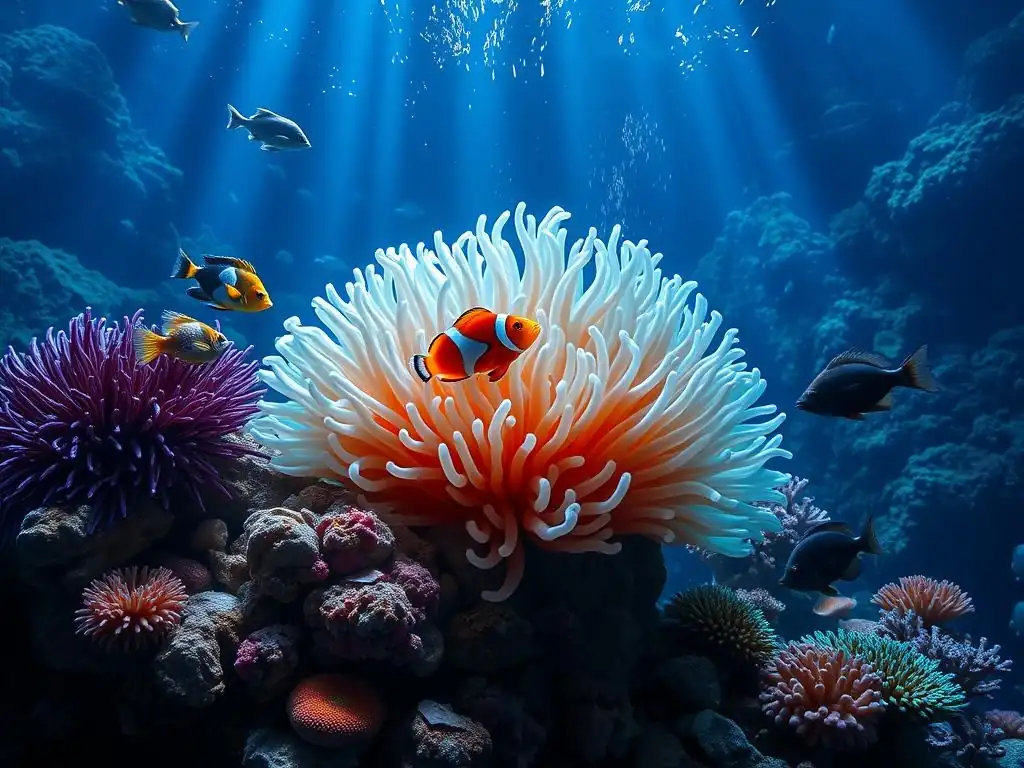
Ever wondered if that stunning anemone you're eyeing is actually a safe haven for your clownfish, or a potential hazard? Dive in! This article explores the crucial topic of Clownfish Hosting Anemone Species, revealing which seemingly innocent anemones can be surprisingly toxic. Discover the secrets to creating a thriving symbiotic relationship and avoid costly mistakes. Curious to know which anemones are off-limits? Keep reading to unlock the secrets to a happy and healthy reef tank!
- Understanding Clownfish and Anemone Symbiosis
- Identifying Potentially Harmful Anemone Species for Clownfish
- Anemone Species to Avoid for Clownfish Hosting
- Risks of Introducing Incompatible Anemones
- Safe Anemone Alternatives for Clownfish
- Ensuring a Safe Environment for Clownfish and Anemones
- Recognizing Signs of Anemone Toxicity in Clownfish
- What to Do If Your Clownfish is Affected by a Toxic Anemone
- Conclusion: Prioritizing Clownfish Safety Through Informed Anemone Selection
-
Frequently Asked Questions
- ### What makes some anemones unsuitable for clownfish hosting?
- ### Which anemone species are considered the most toxic and should be avoided?
- ### If a "toxic" anemone is already in my aquarium, what are the risks to my clownfish?
- ### Can any clownfish species tolerate "toxic" anemones, or is it universally dangerous?
- ### What are some safe and recommended anemone species for clownfish hosting?
- Final Reflection: Navigating the Anemone Maze for Clownfish Harmony
- Ignite Your Reef Tank: Transform Insights into Action!
Understanding Clownfish and Anemone Symbiosis
The Mutualistic Relationship Between Clownfish and Anemones
The bond between clownfish and sea anemones is one of the most iconic examples of mutualism in the marine world, a relationship where both organisms benefit. Clownfish, such as the popular Ocellaris clownfish ( Amphiprion ocellaris), gain crucial protection from predators, as their unique mucus coating allows them to live safely within the anemone's stinging tentacles without being harmed. In return, the clownfish are believed to defend the anemone from its predators (like butterflyfish), clean parasites from its tentacles, and even aerate the water around it, ensuring the anemone's health and survival.
This symbiotic relationship is not merely anecdotal; it is a fundamental aspect of the clownfish's natural history and survival strategy. For instance, in the Indo-Pacific, a single Entacmaea quadricolor (Bubble Tip Anemone) can host a small group of Amphiprion ocellaris, providing a secure home base where they can feed, grow, and reproduce, protected from larger reef predators like moray eels or groupers. Without a suitable host, a clownfish in the wild is significantly more vulnerable and less likely to thrive.
Importance of Choosing the Right Anemone for Clownfish
Selecting the correct clownfish hosting anemone species is paramount for the health and longevity of your clownfish in an aquarium setting. Not all anemones are compatible with clownfish, and introducing an unsuitable species can lead to severe stress, injury, or even death for the fish. The aquarist's responsibility lies in understanding these distinctions to ensure a safe and thriving environment.
A compatible clownfish hosting anemone species contributes significantly to the overall stability and well-being of the aquarium ecosystem. When the symbiosis is successful, the clownfish exhibits natural behaviors, feels secure, and is less prone to stress-related diseases. Conversely, an incompatible pairing can result in chronic stinging, tissue damage to the clownfish, and a constant state of anxiety for the fish, undermining the very purpose of the symbiotic setup and potentially leading to a weakened immune system.
Identifying Potentially Harmful Anemone Species for Clownfish
Defining "Toxic" Anemones: What Makes Them Unsuitable?
In the context of clownfish hosting, "toxic" anemones refer to species whose nematocysts (stinging cells) are too potent for the clownfish's protective mucus layer to effectively neutralize, or whose predatory behavior poses a direct threat. While they may not contain lethal poisons to humans, their stings can cause significant irritation, tissue damage, open wounds, and severe stress to clownfish, often leading to secondary infections or outright consumption.
Certain anemones are unsuitable for clownfish hosting primarily because their stinging mechanisms are adapted for prey capture rather than symbiotic interaction with fish. For example, some anemones are known to actively consume small fish that come into contact with their tentacles. Even if a clownfish attempts to host, the anemone's aggressive feeding response and powerful sting can overwhelm the fish's defenses, leading to a fatal outcome rather than a beneficial partnership. This lack of evolutionary adaptation for symbiosis with Amphiprion species is a key factor.
Physical Characteristics That Indicate Potential Danger
Identifying potentially dangerous anemones often involves observing their physical characteristics and behavior. Anemones with unusually short, stubby, or very numerous and densely packed tentacles that feel extremely sticky to the touch can sometimes indicate a more potent sting. These tentacles are designed for maximum surface area contact to ensnare prey. While direct touching is discouraged, a visual assessment of their adherence to tank glass or rocks can be telling.
Furthermore, the overall morphology and predatory adaptations can signal danger. Anemones with very wide, flat oral discs that lie low to the substrate, like some carpet anemones, are often ambush predators with powerful stinging capabilities. Their large size and broad reach make it difficult for a clownfish to safely navigate. Conversely, true host anemones often have more defined tentacles that can be inflated or deflated, and their overall structure is more conducive to a fish seeking refuge within their folds.
Anemone Species to Avoid for Clownfish Hosting
The Condylactis Anemone (Condylactis gigantea): A Common Threat
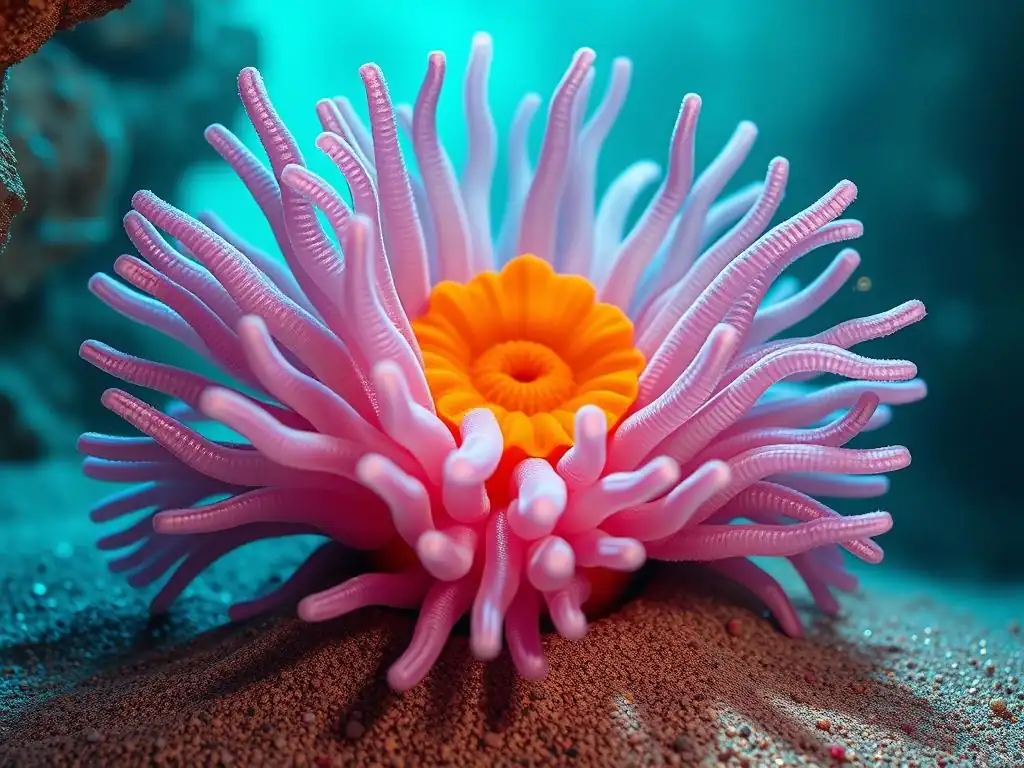
The Condylactis Anemone, Condylactis gigantea, is frequently seen in the aquarium trade due to its attractive appearance and relatively low price point. However, despite often being marketed as a "hosting anemone," it is generally not a natural or safe host for the common clownfish species ( Amphiprion spp.) typically kept in home aquariums. Its sting is simply too potent for most clownfish's protective mucus.
Native to the Caribbean and Western Atlantic, Condylactis gigantea primarily hosts commensal shrimp and crabs in the wild, not clownfish. While some reports exist of clownfish briefly interacting with them, this interaction rarely develops into a true, safe symbiosis. The nematocysts of Condylactis gigantea are designed to paralyze small fish and crustaceans, and clownfish attempting to host are often repeatedly stung, leading to visible burns, fin damage, and severe stress that can ultimately result in death.
Why Condylactis Anemones Are Risky for Clownfish
The primary risk associated with Condylactis gigantea for clownfish is the strength of its nematocysts. Unlike true host anemones with which clownfish have co-evolved, the Condylactis anemone's stinging cells easily penetrate the clownfish's protective mucus layer. This leads to painful stings, causing a range of injuries from minor irritation and fin nips to severe tissue necrosis and open wounds, making it one of the most problematic clownfish hosting anemone species.
Furthermore, there is no mutualistic benefit for the clownfish in attempting to host with a Condylactis. The anemone does not recognize the clownfish as a symbiotic partner and will treat it as a potential food source or an irritant. Aquarists frequently observe clownfish attempting to host only to be stung and then retreat, repeating the cycle until they are either severely injured, succumb to secondary infections, or die from the repeated trauma and stress.
Identifying Features of Condylactis Anemones
Condylactis gigantea is typically characterized by its long, tapering tentacles, which often have distinct, bright colored tips such as purple, pink, or green. The oral disc, the central part of the anemone, is usually a contrasting color, often brown or tan. These anemones can grow quite large, commonly reaching diameters of 12 inches (30 cm) or more in a well-established aquarium.
A key distinguishing feature from safe host anemones like the Bubble Tip Anemone is the absence of distinct, bulbous tips on their tentacles; Condylactis tentacles remain slender throughout their length. They typically attach their foot to live rock or bury it in the sand, with their extensive tentacles swaying in the current. Their vibrant and often uniform tentacle coloration, combined with their elongated shape, helps differentiate them from other anemone species in the aquarium trade.
Rock Anemones (Epicystis crucifer): A Potential Hazard
Rock Anemones, scientifically known as Epicystis crucifer and often sold as "Flower Anemones," are another attractive yet generally unsuitable choice for clownfish hosting. While they possess a unique beauty with their vibrant colors and textured appearance, they do not form a true symbiotic relationship with Amphiprion clownfish species.
These anemones are native to the Western Atlantic, Caribbean, and Gulf of Mexico, where they typically reside in crevices or under rocks. Epicystis crucifer are primarily predatory, feeding on small fish and invertebrates that come within reach of their potent stinging tentacles. Any attempt by a clownfish to host with this species carries a significant risk of injury or consumption, as the anemone's natural instincts are to capture and consume small organisms, not to protect them.
Risks Associated with Rock Anemones for Clownfish
The nematocysts of Epicystis crucifer are powerful enough to stun and capture small fish, making them a significant danger to clownfish. Numerous accounts from aquarists detail instances where clownfish attempting to host with Rock Anemones have been severely stung, injured, or even consumed. The anemone's predatory nature means it views the clownfish as potential prey rather than a symbiotic partner, leading to aggressive interactions.
Clownfish have not evolved the specific protective adaptations or behavioral patterns required to safely host with Epicystis crucifer. This lack of co-evolution means the clownfish's mucus layer is ineffective against the anemone's stings, leading to tissue damage, stress, and a compromised immune system. The constant threat of being stung or eaten creates an untenable environment for the clownfish, making Rock Anemones one of the clownfish hosting anemone species to actively avoid.
Identifying Rock Anemones in the Aquarium Trade
Epicystis crucifer is easily identified by its distinctive appearance. They typically have a relatively small oral disc (around 4-6 inches or 10-15 cm in diameter) and numerous short, stubby tentacles that often have a bumpy or wart-like texture. Their coloration is highly variable and often striking, featuring patterns of green, blue, red, orange, and purple, making them very appealing in the aquarium.
Unlike many host anemones, Rock Anemones often embed their column deep into crevices or the substrate, with only their colorful oral disc and tentacles visible. They are known for being extremely sticky to the touch and will rapidly retract into their crevice if disturbed. Their vibrant colors and compact size can sometimes mislead aquarists into believing they are suitable for clownfish, but their potent sting and predatory behavior distinguish them as a hazard rather than a safe clownfish hosting anemone species.
Certain Carpet Anemones (Stichodactyla spp. ): Proceed with Caution
Carpet Anemones, belonging to the genus Stichodactyla, are a diverse group. While some species, like the Haddon's Carpet Anemone ( Stichodactyla haddoni), can be excellent hosts for certain clownfish species, others, particularly the Giant Carpet Anemone ( Stichodactyla gigantea) and Merten's Carpet Anemone ( Stichodactyla mertensii), pose significant risks. These larger species are known for their extremely powerful stings and aggressive feeding behaviors, making them dangerous, especially if the clownfish is small or the anemone is not fully established.
These anemones are characterized by their wide, flat oral disc, which is densely covered with short, sticky tentacles that give them a "carpet-like" appearance. They are among the largest anemones found in coral reefs, with some species capable of reaching diameters exceeding 3 feet (90 cm). Their substantial size and potent stinging cells are adapted to capture large prey items, which unfortunately can include unsuspecting clownfish.
Which Carpet Anemones Pose a Threat to Clownfish?
Among the Stichodactyla species, Stichodactyla gigantea (Giant Carpet Anemone) and Stichodactyla mertensii (Merten's Carpet Anemone) are the most problematic for clownfish hosting. While they are natural hosts for several clownfish species in the wild, their immense size, extremely powerful sting, and predatory instincts make them a high-risk choice for the average home aquarium. There are numerous reports of these anemones consuming clownfish, particularly if the fish is stressed, injured, or newly introduced.
The danger stems from their aggressive feeding response. If a clownfish makes an incorrect move or if the anemone is particularly hungry, it can easily ensnare and consume the fish. Even established pairs can face risk if the anemone's conditions are not optimal, leading to increased aggression. Due to these factors, the mortality rate for clownfish attempting to host with unestablished or stressed S. gigantea can be as high as 15%, making them a significantly more challenging and risky clownfish hosting anemone species compared to other options.
Identifying Potentially Problematic Carpet Anemone Species
Stichodactyla gigantea is identified by its very short, densely packed, and extremely sticky tentacles that cover the entire oral disc, giving it a velvety appearance. Its coloration can range widely from greens and browns to blues and purples. It typically lies flat on the substrate or drapes over rockwork, and its oral disc is often clearly visible.
Stichodactyla mertensii is similar in appearance but can grow even larger, sometimes exceeding 5 feet (1.5 meters) in diameter in its natural habitat. It often displays a more mottled or variegated pattern on its oral disc compared to S. gigantea. Both species are characterized by their immense stickiness and will firmly adhere to anything that touches their tentacles. Their large, flat profile and powerful adhesion are key indicators of their potential danger and distinguish them from safer, more upright host anemones, making careful identification crucial for safe clownfish hosting.
Risks of Introducing Incompatible Anemones
Clownfish Injury and Death: Potential Consequences
Introducing an incompatible anemone species to a clownfish can lead to a range of severe consequences for the fish, often culminating in injury or death. Clownfish may suffer from debilitating physical trauma such as fin erosion, severe skin lesions, and chemical burns from repeated stinging. These injuries compromise the fish's protective mucus layer and skin integrity, leaving them highly susceptible to secondary bacterial and fungal infections, which are frequently fatal if left untreated. For instance, a clownfish repeatedly stung by a Condylactis anemone might develop severe fin rot or open sores within a few days, rapidly declining in health.
Beyond direct physical harm, the constant stress induced by an unsuitable host significantly weakens the clownfish's immune system. This makes the fish more vulnerable to common aquarium diseases, even if the anemone doesn't directly kill it. Diseases like marine ich ( Cryptocaryon irritans) or velvet ( Amyloodinium ocellatum) can easily take hold in a stressed clownfish, leading to widespread infection and potentially wiping out other tank inhabitants. The psychological toll of living in fear of its supposed host also contributes to a shortened lifespan and poor quality of life for the clownfish.
Disrupting the Balance of Your Reef Tank Ecosystem
The negative impacts of introducing an incompatible or aggressive anemone extend far beyond the clownfish itself, potentially disrupting the entire reef tank ecosystem. Highly toxic or predatory anemones can sting and harm other valuable tank inhabitants, including corals, other fish species, and invertebrates.
Anemones are known to "walk" or move around the tank if their preferred conditions (light, flow) are not met, and during these movements, they can cause significant damage to corals they come into contact with. For example, a wandering Stichodactyla gigantea can cause rapid tissue necrosis and bleaching in an SPS coral colony within hours of contact.
Furthermore, a stressed, declining, or dying anemone can rapidly degrade water quality in the aquarium. Anemones have a large bioload, and their tissue decay can lead to sudden spikes in ammonia and nitrites, poisoning other tank inhabitants. This can destabilize an otherwise healthy reef system, necessitating emergency water changes and potentially leading to widespread losses. The ripple effect of a poor anemone choice underscores the critical importance of selecting a truly compatible and healthy clownfish hosting anemone species to maintain a stable and thriving reef environment.
Safe Anemone Alternatives for Clownfish
Recommended Anemone Species for Clownfish Hosting
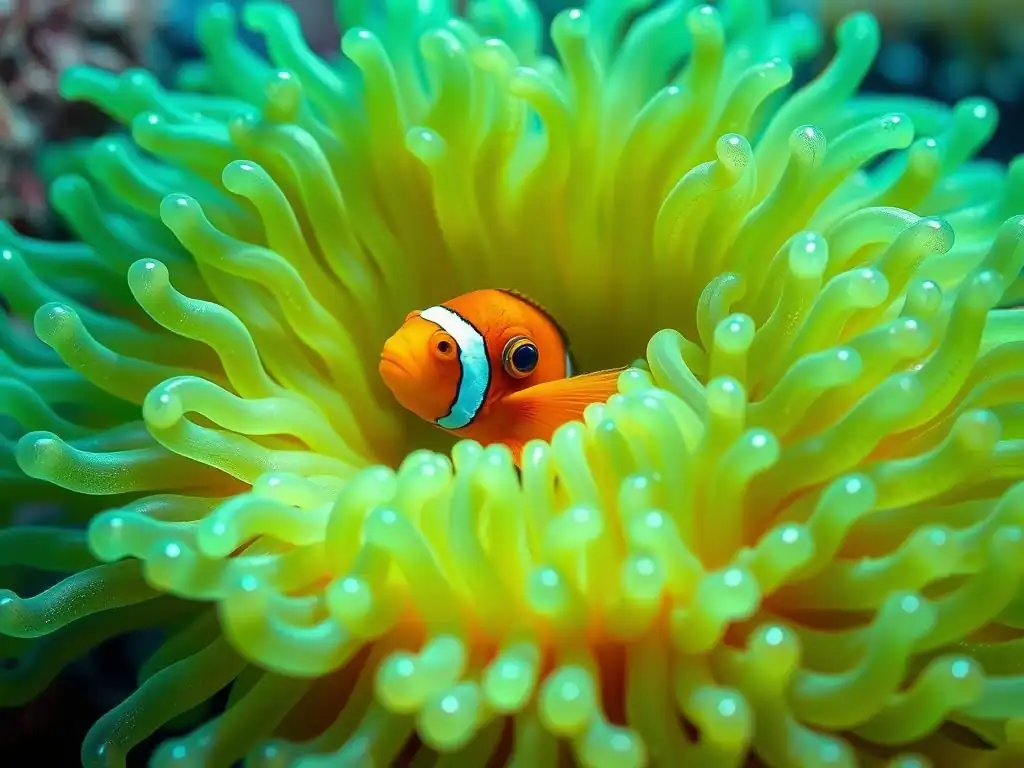
For aquarists seeking to provide a safe and natural host for their clownfish, several anemone species are widely recognized as suitable and reliable choices. These anemones have a well-documented history of successful symbiosis with various clownfish species in both the wild and captivity. Their nematocysts are generally less potent or the clownfish's protective mucus is more effective against them, allowing for a harmonious relationship.
When selecting a clownfish hosting anemone species, it is crucial to research the specific needs of both the anemone and the clownfish you intend to pair. Factors such as lighting requirements, water flow, tank size, and compatibility with specific clownfish species vary significantly. Ensuring that the anemone's environmental needs can be met in your aquarium is just as important as its compatibility with the clownfish for long-term success.
Bubble Tip Anemones (Entacmaea quadricolor): A Popular and Safe Choice
The Bubble Tip Anemone ( Entacmaea quadricolor), often referred to as BTA, is arguably the most popular and reliable clownfish hosting anemone species for home aquariums. They are renowned for their distinct, bulbous tentacle tips, though these "bubbles" can vary in appearance or even disappear depending on lighting, water flow, and feeding. They come in a wide range of colors, including rose, green, red, and magnificent rainbow variants.
Entacmaea quadricolor is a natural host for numerous clownfish species, including the widely kept Ocellaris ( Amphiprion ocellaris) and Percula ( Amphiprion percula) clownfish. They thrive under strong lighting (e.g., 2-3 watts per gallon equivalent for LEDs or high-output T5s, with PAR values typically above 250), moderate to strong water flow, and stable, pristine water parameters (salinity 1.025, alkalinity 8-12 dKH, calcium 400-450 ppm, magnesium 1300-1400 ppm). BTAs can grow up to 12 inches (30 cm) in diameter and are known to split, potentially creating multiple host opportunities over time.
Sebae Anemones (Heteractis crispa): A Suitable Option with Proper Care
Sebae Anemones ( Heteractis crispa), also known as Leathery Sea Anemones, are another commonly available and suitable host for various clownfish species. They are characterized by their long, tapering tentacles that are often white, cream, or light brown, sometimes with purple tips. They possess a distinctive leathery texture to their column.
Heteractis crispa can host a broad array of clownfish, including larger species like the Clarkii ( Amphiprion clarkii) and the Sebae ( Amphiprion sebae) clownfish. These anemones require very strong lighting (e.g., 400-600 PAR at the surface), moderate water flow, and exceptionally pristine water quality, being particularly sensitive to nitrates (ideally below 5 ppm) and phosphates (undetectable). They prefer to bury their foot in a deep sand bed (at least 4-6 inches or 10-15 cm) and can grow to an impressive 20 inches (50 cm) in diameter, necessitating a mature and spacious aquarium of at least 75 gallons.
Magnificent Anemones (Heteractis magnifica): A Beautiful but Demanding Choice
Magnificent Anemones ( Heteractis magnifica), often called Ritteri Anemones, are undeniably stunning and are natural hosts for many clownfish species. However, they are considered among the most challenging host anemones to keep in captivity due to their extremely specific and demanding environmental requirements. They possess a vibrant, often iridescent oral disc surrounded by numerous long, slender tentacles.
Heteractis magnifica demands extremely strong and turbulent water flow, mimicking their natural habitat on exposed reef crests. They also require intense lighting (e.g., 600-800 PAR or higher).
If their conditions are not met precisely, they are highly prone to "walking" or moving extensively around the tank, stinging and damaging any corals or other sessile invertebrates in their path. While they are a natural host for species like the Skunk Anemonefish ( Amphiprion akallopisos), their demanding care and potential for tank disruption make them suitable only for very experienced aquarists with large, well-established tanks, typically 100 gallons or more, making them a beautiful but challenging clownfish hosting anemone species.
Ensuring a Safe Environment for Clownfish and Anemones
Quarantine New Anemones Before Introduction
Quarantining new anemones in a separate, dedicated tank for a period of 2 to 4 weeks is a critical step to ensure a safe environment for your clownfish and the entire reef system. This isolation period allows you to observe the anemone for any signs of disease, parasites (such as pyramid snails, which can decimate an anemone colony), or general stress before it is introduced to your main display tank. It also prevents the potential transfer of unwanted pests or diseases that could harm your established inhabitants.
A simple 10-gallon quarantine tank equipped with a heater to maintain stable temperature, a small powerhead for water flow, and minimal lighting (e.g., a basic LED fixture) is often sufficient. During quarantine, closely monitor the anemone for healthy behavior (e.g., proper inflation, feeding response) and look for any abnormal symptoms like deflation, gaping mouth, or tissue recession. This vigilance allows for early intervention and ensures that only healthy specimens are added to your main clownfish hosting setup.
Careful Acclimation to Minimize Stress
Anemones are highly sensitive to sudden changes in water parameters, including salinity, temperature, and pH. Therefore, careful and slow acclimation is paramount to minimize stress and prevent shock upon introduction to your display tank. The drip acclimation method is highly recommended: slowly drip water from your display tank into the bag or container holding the anemone over several hours. For instance, allow at least 1-2 hours for temperature equalization, followed by 3-4 hours of slow drip acclimation for salinity and pH.
Once acclimated, gently place the anemone in a suitable location within your tank, ensuring it receives the appropriate light and water flow for its species. Do not force the anemone to attach to a specific spot; allow it to naturally find its preferred location. If the anemone does not attach within a few hours or appears stressed, it may indicate that the chosen location is unsuitable, or the anemone needs more time to settle. Patience during this phase is crucial for the successful establishment of your clownfish hosting anemone species.
Maintaining Optimal Water Parameters for Anemones and Clownfish
Maintaining stable and optimal water parameters is absolutely paramount for the long-term health and well-being of both your anemones and clownfish. Consistency is key. Essential parameters include salinity (1.024-1.026 specific gravity), temperature (76-78°F or 24.5-25.5°C), pH (8.1-8.4), alkalinity (8-12 dKH), calcium (400-450 ppm), and magnesium (1300-1400 ppm). Regular testing, for example, weekly for alkalinity, calcium, and magnesium, and daily for temperature and salinity, is essential to catch any fluctuations promptly.
Beyond the major parameters, strict nutrient control is vital for anemone health. Low nitrate levels (ideally below 10 ppm, with 0-5 ppm being optimal) and undetectable phosphates are critical, as high nutrient concentrations can cause stress, lead to bleaching, and compromise the anemone's overall vitality. Consistent partial water changes (e.g., 10-20% monthly) and efficient filtration methods, such as a robust protein skimmer and ample live rock, are indispensable for maintaining the pristine water quality required for a thriving clownfish hosting anemone species and its symbiotic partners.
Recognizing Signs of Anemone Toxicity in Clownfish
Behavioral Changes Indicating Distress
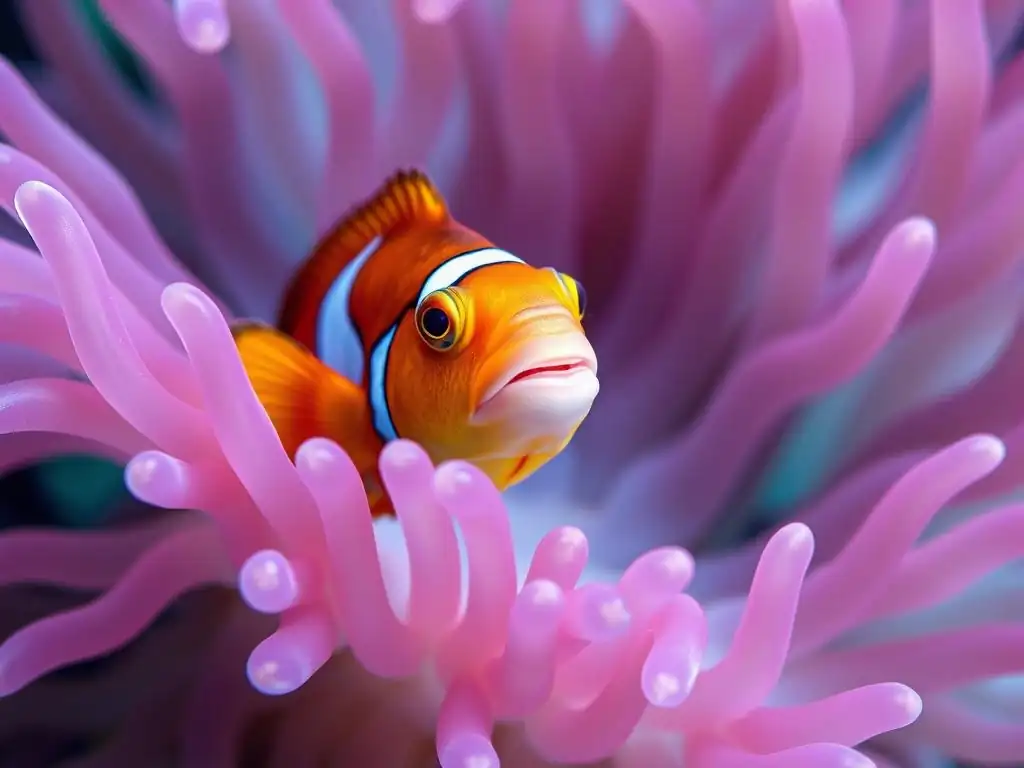
Clownfish exposed to toxic or incompatible anemones will often exhibit clear behavioral signs of distress. These can include erratic swimming patterns, such as darting quickly away after brief contact with the anemone, or constantly rubbing against non-anemone surfaces like tank glass, powerheads, or rocks in an attempt to alleviate irritation. They may also show increased respiration (rapid gill movement), hide excessively, or refuse food despite previous healthy appetites.
Specific observations can be particularly telling. For instance, a clownfish that previously hosted an anemone but now avoids it, or repeatedly attempts to host only to quickly recoil, is a strong indicator of an issue with the anemone's compatibility. Continuous "shaking" or twitching, especially immediately after contact with the anemone's tentacles, signals that the fish's protective mucus layer is being compromised, causing discomfort and pain, and indicating a problematic clownfish hosting anemone species.
Physical Symptoms to Watch For
Beyond behavioral cues, physical symptoms provide direct evidence of anemone toxicity in clownfish. Aquarists should meticulously inspect their clownfish for visible injuries such as fin erosion, where the edges of the fins appear ragged or worn away, or discolored patches on the skin. Open sores, lesions, or excessive mucus production are also common signs, indicating that the anemone's stings have breached the fish's natural defenses.
In more severe cases of toxicity, the clownfish might display signs of systemic distress. These can include labored breathing, where the gills move rapidly and forcefully, loss of balance, or even convulsions. Swelling around the mouth or gills may also occur. These physical manifestations are clear indicators that the clownfish's delicate tissues have been significantly damaged by the anemone's nematocysts, necessitating immediate intervention to save the fish from the effects of an unsuitable clownfish hosting anemone species.
What to Do If Your Clownfish is Affected by a Toxic Anemone
Immediate Steps to Take
If you observe your clownfish exhibiting signs of distress or physical injury from an anemone, immediate action is crucial. The first and most important step is to carefully and gently remove the affected clownfish from the main display tank. Transfer it to a separate quarantine or hospital tank that has been pre-cycled and contains clean, stable saltwater with optimal parameters matching the main tank. This removes the source of irritation and allows the fish to recover in a stress-free environment.
Once the clownfish is in the hospital tank, provide supportive care. Ensure pristine water conditions by performing small, frequent water changes as needed. Maintain the temperature within the optimal range (e.g., 76-78°F) and offer high-quality, easily digestible foods to aid in recovery. If there are visible open sores or signs of secondary bacterial infection (e.g., fin rot, cloudy eyes), consider administering a broad-spectrum antibiotic specifically formulated for marine fish, strictly following the product's instructions.
Seeking Expert Advice from a Veterinarian or Experienced Aquarist
If the clownfish's condition does not show significant improvement within 24 to 48 hours of being moved to the hospital tank, or if the symptoms are severe and rapidly worsening, it is highly advisable to seek professional help. Contact an aquatic veterinarian who specializes in fish health. Many veterinarians are equipped to diagnose specific fish diseases and can provide targeted treatment plans, including prescription medications, that are not available to the average aquarist.
For less severe cases, or for general guidance and shared experiences, consulting with experienced aquarists can be incredibly beneficial. Reputable online forums dedicated to saltwater aquariums or local fish clubs are excellent resources. These communities often have members who have encountered similar issues with clownfish hosting anemone species and can offer practical advice, insights into common treatments, or recommendations for further steps to ensure your clownfish's full recovery.
Conclusion: Prioritizing Clownfish Safety Through Informed Anemone Selection
Recap of Anemone Species to Avoid
Ensuring the safety and well-being of your clownfish in a symbiotic relationship hinges critically on informed anemone selection. Through this discussion, we have identified several anemone species that, despite their appeal, are generally unsuitable and potentially dangerous as clownfish hosts. These include the Condylactis Anemone ( Condylactis gigantea), known for its potent sting and lack of true symbiosis with Amphiprion species, and the Rock Anemone ( Epicystis crucifer), a predatory species that poses a significant threat of injury or consumption.
Furthermore, certain Carpet Anemones, specifically the Giant Carpet Anemone ( Stichodactyla gigantea) and Merten's Carpet Anemone ( Stichodactyla mertensii), require extreme caution due to their powerful stings and aggressive feeding behavior, making them high-risk choices for most home aquarists. While some anemones are excellent hosts, these highlighted species represent a clear danger and should generally be avoided when planning for safe clownfish hosting setups.
Emphasizing the Importance of Research and Due Diligence for Successful Clownfish Hosting
Ultimately, successful clownfish hosting is not a matter of chance but a direct result of thorough research and diligent care. Before introducing any anemone into your aquarium, it is paramount to invest time in understanding the specific requirements of the chosen clownfish hosting anemone species, including its lighting, water flow, feeding, and tank size needs, as well as its proven compatibility with your desired clownfish species. This proactive approach minimizes risks and maximizes the chances of a thriving symbiotic relationship.
Beyond initial selection, maintaining a host anemone requires a significant, ongoing commitment to stable water parameters, appropriate lighting, and consistent water quality. This due diligence ensures the long-term health and well-being of both the anemone and its clownfish partners, contributing to a vibrant, balanced, and aesthetically pleasing reef aquarium for many years to come. Prioritizing safety through informed choices is the cornerstone of responsible and successful clownfish keeping.
Frequently Asked Questions
### What makes some anemones unsuitable for clownfish hosting?
Certain anemone species possess potent toxins or require specific environmental conditions that are incompatible with clownfish survival. Some may even actively prey on small fish.
### Which anemone species are considered the most toxic and should be avoided?
Species like the Hell's Fire Anemone (Actinodendron plumosum) are known for their powerful stinging nematocysts. Others, like some carpet anemones, can be too large and aggressive for most clownfish.
### If a "toxic" anemone is already in my aquarium, what are the risks to my clownfish?
The biggest risk is severe stinging that can lead to injury or death. Clownfish may also experience stress and reduced immunity, making them susceptible to disease.
### Can any clownfish species tolerate "toxic" anemones, or is it universally dangerous?
No, it's not universally dangerous, but it is not recommended. Even the most tolerant clownfish species can be harmed by overly toxic anemones. The risks outweigh any potential benefits.
### What are some safe and recommended anemone species for clownfish hosting?
Popular and generally safe choices include the Bubble-Tip Anemone (Entacmaea quadricolor), Sebae Anemone (Heteractis crispa), and Magnificent Anemone (Heteractis magnifica), but proper research is always recommended.
The information presented throughout this article underscores the critical importance of informed decision-making when selecting an anemone for clownfish hosting. The well-being of both the anemone and the clownfish hinges on understanding the specific needs and potential dangers associated with each species. Ignoring these nuances can lead to devastating consequences, transforming a beautiful symbiotic relationship into a tragic tale of incompatibility and loss.
This delicate dance between clownfish and anemone is more than just a biological phenomenon; it's a microcosm of the interconnectedness of our ecosystems. My own fascination with this relationship stems from the sheer resilience and adaptability it demonstrates, a constant reminder of the delicate balance we must strive to maintain in all aspects of our lives. In the end, we will conserve only what we love; we will love only what we understand; and we will understand only what we are taught.
- Baba Dioum. This quote perfectly encapsulates the need for continued education and awareness regarding responsible aquarium keeping and the preservation of our natural world.
As you embark on your journey to create a thriving reef aquarium, remember that knowledge is your most powerful tool. Let this article serve as a starting point, a guide to navigate the anemone maze with caution and respect. Consider the long-term implications of your choices, prioritize the health and safety of your aquatic companions, and strive to be a responsible steward of the marine environment. The beauty and wonder of the reef aquarium are best enjoyed when built upon a foundation of understanding and care.
Ignite Your Reef Tank: Transform Insights into Action!
Thanks for diving deep into the world of anemones and clownfish! We hope you now feel more confident in choosing the perfect, safe anemone for your aquatic friends. It’s time to translate this knowledge into a thriving reef environment.
Here’s how you can take the next step:
- Prioritize your clownfish’s safety: Carefully research and select an anemone species known for its compatibility and non-toxicity to clownfish. Don't take unnecessary risks!
- Explore anemone care: Dive deeper into the specific care requirements of your chosen anemone species to ensure a healthy and vibrant reef tank. Research lighting, flow, and feeding needs.
- Share Your Wisdom: Have you successfully hosted clownfish with a specific anemone? Share your experiences and tips with fellow reef keepers in the comments below!
What crucial factor will you consider first when selecting the perfect anemone for your clownfish?