
Common Problems When Breeding African Cichlids & How to Solve Them

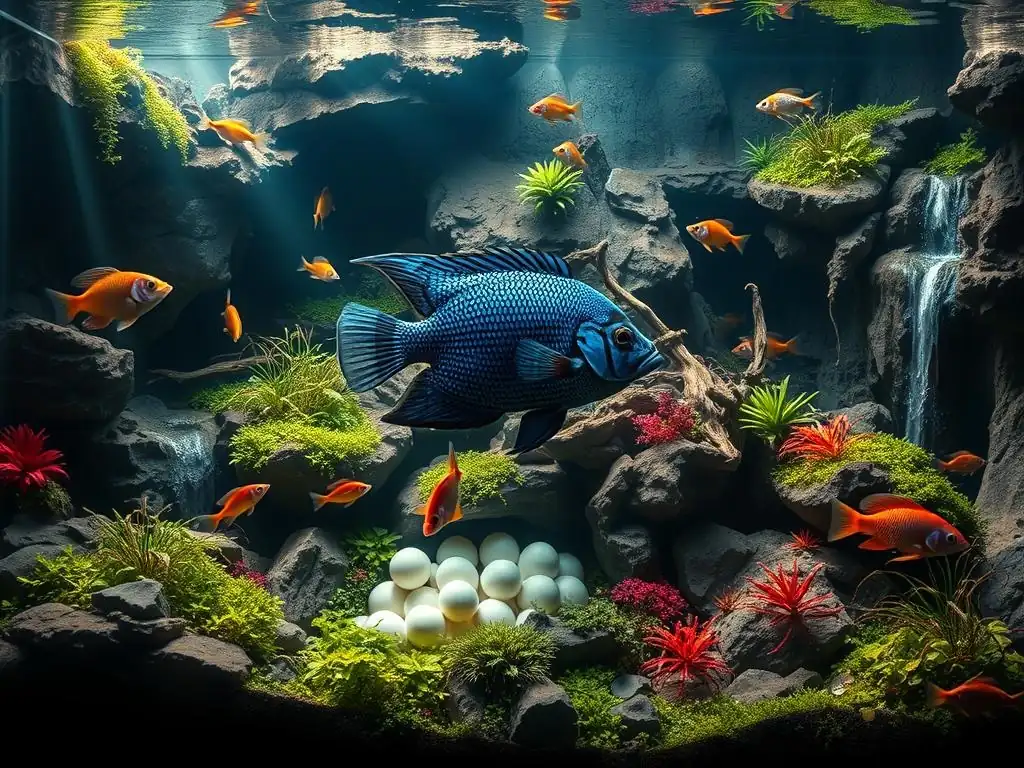
Welcome to Aquarium Mastery! Ever wondered why your vibrant African cichlids aren't producing the next generation of aquatic wonders? Unlocking the secrets to successful African cichlid breeding can be tricky, but you've come to the right place. Dive in to discover common African cichlid breeding problems and learn proven solutions to help you achieve breeding success. Let's get started!
- Understanding African Cichlid Breeding Challenges
-
Common African Cichlid Breeding Problems and Solutions
- Problem 1: Incompatible Breeding Pairs
- Problem 2: Poor Water Quality and Its Impact on Breeding
- Problem 3: Aggression Issues During Breeding
- Problem 4: Egg Eating and Fry Predation
- Problem 5: Lack of Proper Spawning Substrate
- Problem 6: Infertile Eggs or Low Hatch Rate
- Problem 7: Fungal Infections on Cichlid Eggs
- Preventing African Cichlid Breeding Issues: Proactive Steps
- Post-Breeding Care for African Cichlids and Fry
- Conclusion: Mastering African Cichlid Breeding
-
Frequently Asked Questions
- What are some common problems encountered when trying to breed African cichlids?
- Why might my African cichlids refuse to spawn, despite seemingly ideal conditions?
- How can I manage aggression between male and female African cichlids during breeding?
- What are the main causes of egg or fry loss in African cichlid breeding tanks?
- How important is water chemistry for successful African cichlid breeding?
- Final Reflection: Cultivating Success in African Cichlid Breeding
- Unlock Cichlid Breeding Success!
Understanding African Cichlid Breeding Challenges
Why Breeding African Cichlids Can Be Tricky
Breeding African cichlids, particularly species from the Rift Valley lakes like Mbuna and Peacock cichlids, presents a unique set of challenges compared to many other freshwater fish. Their complex social structures, aggressive tendencies, and specific environmental requirements demand careful attention from aquarists. Unlike egg-scattering species, most African cichlids are mouth-brooders, meaning the female carries the eggs and fry in her mouth for several weeks, which adds another layer of complexity to successful reproduction. This distinct behavior necessitates precise tank conditions and management to ensure the survival of both parents and offspring.
Furthermore, the specific water chemistry found in their natural habitats – highly alkaline and hard water – is crucial for their well-being and breeding success. Deviations from these parameters can lead to stress, disease, and ultimately, a reluctance to spawn. Many beginners underestimate the nuances of maintaining these specific conditions consistently, leading to common African cichlid breeding problems. Understanding these inherent difficulties is the first step towards a successful breeding program, requiring patience, observation, and a commitment to providing an optimal environment.
Key Factors Affecting Successful Cichlid Reproduction
Several critical factors significantly influence the success rate of African cichlid reproduction. Foremost among these is water quality, which must be pristine and stable. African cichlids thrive in water with a pH range typically between 7.8 and 8.6, and a general hardness (GH) of 10 to 20 dGH. Consistent temperature, ideally between 76°F and 82°F (24°C-28°C), also plays a vital role in stimulating spawning behavior and ensuring egg viability. Poor water parameters, even slight fluctuations, can inhibit breeding or lead to infertile eggs.
Beyond water chemistry, the physical environment of the aquarium is paramount. Adequate tank size is essential to mitigate aggression and provide sufficient territory for breeding pairs; a minimum of 55 gallons is often recommended for smaller Mbuna colonies, while larger species or Peacock cichlids may require 75 gallons or more. The male-to-female ratio is another crucial consideration, with a common recommendation of one male to three or four females to disperse aggression and reduce stress on individual females. Lastly, a high-quality, varied diet rich in protein and essential nutrients directly impacts the fish's health and reproductive capability.
Common African Cichlid Breeding Problems and Solutions
Problem 1: Incompatible Breeding Pairs
Identifying Incompatible Cichlid Mates
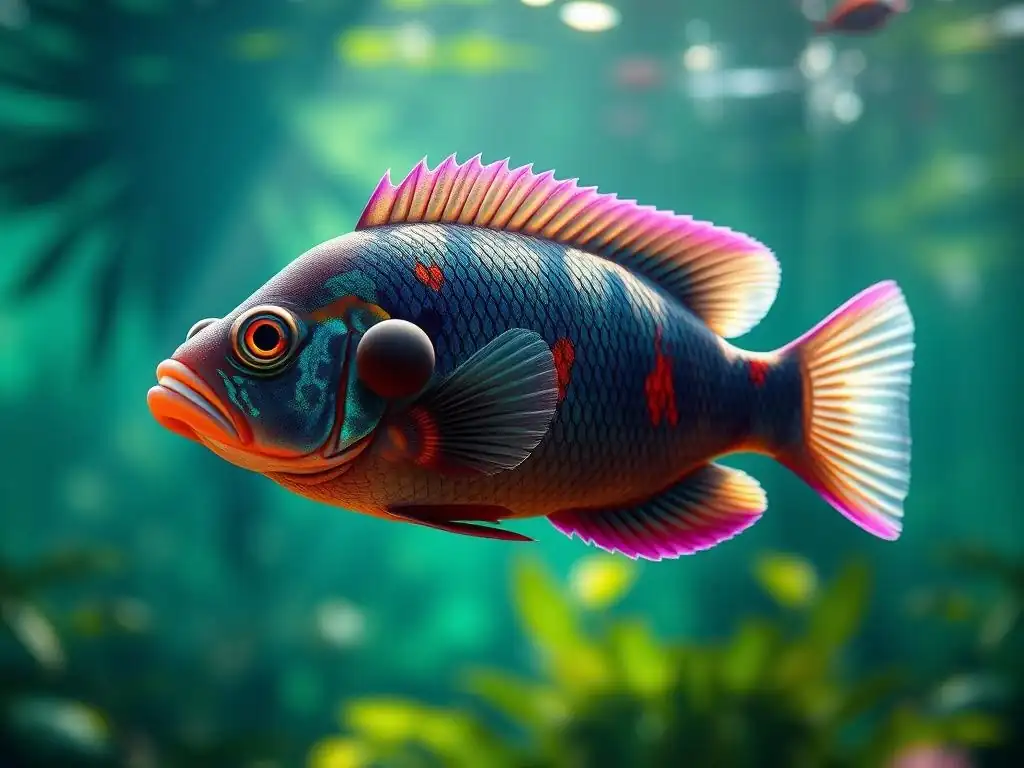
One of the most frequent African cichlid breeding problems stems from incompatible pairs. Unlike some fish where any male and female of the same species will readily breed, African cichlids, especially Mbuna, can be particular. Signs of incompatibility often include persistent aggression from the male towards the female, beyond typical courtship chasing.
The female might be constantly harassed, hiding excessively, or showing signs of stress like clamped fins, faded coloration, or physical injury. For example, a male Metriaclima estherae (Red Zebra) may relentlessly chase a female who is not receptive, leading to her exhaustion and potential death. Conversely, a lack of any courtship behavior, such as the male displaying his fins or vibrating, suggests a lack of interest or recognition between the potential mates.
Another indicator of incompatibility is when a male consistently attempts to spawn with a female who is not ready or is uninterested, leading to frustrated attempts and increased aggression. The female might refuse to enter the male's chosen spawning site or simply flee from his advances. In some cases, the male might even reject all available females if he perceives them as unsuitable or if they are not in prime breeding condition. This often means the pair is not synchronized in their readiness to breed, or one fish is simply too dominant or submissive for a successful partnership.
Solution: Introducing Compatible Pairs and Observing Behavior
The most effective solution for incompatible cichlid mates is to introduce a larger group of fish, allowing them to naturally form pairs. For many Mbuna species, starting with a group of 6-8 juveniles significantly increases the chances of acquiring at least one compatible male-female pair. A recommended ratio, particularly for more aggressive species, is one male to three or four females.
This disperses the male's attention, reducing stress on individual females and giving them time to recover between spawning attempts. When introducing new fish, carefully observe their interactions over several days. Look for subtle courtship displays, such as the male quivering or vibrating in front of the female, or leading her towards a spawning site.
If aggression persists despite a proper male-to-female ratio and adequate tank size, consider temporarily separating the most aggressive individual or rearranging the tank decor to disrupt territories. In some instances, it may be necessary to remove a particularly aggressive male or an overly timid female from the breeding group entirely. Patience is key; it can take several weeks for cichlids to settle into new surroundings and establish a breeding hierarchy. Monitoring their behavior closely will help identify which individuals are ready to form successful pairs and which might contribute to African cichlid breeding problems.
Problem 2: Poor Water Quality and Its Impact on Breeding
Ammonia, Nitrite, and Nitrate Levels: The Silent Killers
Poor water quality is a leading cause of African cichlid breeding problems, often acting as a silent killer of breeding potential and fry. Ammonia and nitrite, products of the nitrogen cycle, are highly toxic to fish. Even minute concentrations, such as 0.25 ppm of ammonia or nitrite, can cause severe stress, damage gills, suppress immune systems, and completely halt spawning activity.
While nitrates are less toxic, levels exceeding 20 ppm can still inhibit breeding, reduce egg viability, and weaken fry. High nitrate levels often indicate infrequent water changes or an overloaded biological filter, leading to a build-up of organic waste.
When water parameters are suboptimal, adult cichlids become stressed, making them less likely to engage in courtship and spawning. If spawning does occur under these conditions, the eggs are often infertile or susceptible to fungal infections. Furthermore, newly hatched fry are incredibly sensitive to water impurities; even low levels of pollutants can lead to high mortality rates within days of hatching. Consistent monitoring of these parameters using a reliable liquid test kit is essential, as visual inspection alone cannot detect these invisible threats to successful cichlid reproduction.
Solution: Maintaining Optimal Water Parameters for Cichlid Breeding
Maintaining optimal water parameters is fundamental to resolving many African cichlid breeding problems. For these Rift Lake species, stable water chemistry is more important than achieving exact numbers, although target ranges are crucial. Ensure ammonia and nitrite levels are consistently at 0 ppm. Nitrate levels should be kept below 20 ppm, ideally closer to 5-10 ppm for breeding tanks. The pH should be stable between 7.8 and 8.6, and general hardness (GH) between 10-20 dGH. Regular testing, at least once a week, provides vital insights into the tank's health.
Beyond testing, consistent maintenance practices are paramount. This includes proper filtration, regular water changes, and avoiding overfeeding. A mature biological filter is the cornerstone of a healthy cichlid tank, as it houses the beneficial bacteria that convert toxic ammonia and nitrite into less harmful nitrate. Supplemental mechanical filtration helps remove particulate matter, contributing to overall water clarity and health.
Regular Water Changes for Cichlid Health
Regular partial water changes are perhaps the single most effective method for maintaining optimal water quality and preventing African cichlid breeding problems. For a breeding tank, a weekly water change of 25-30% is highly recommended. This practice removes accumulated nitrates, replenishes essential minerals, and reduces dissolved organic compounds that can stress fish and inhibit spawning. For instance, in a 75-gallon tank, this would mean changing approximately 18-22 gallons of water each week. Always ensure the new water is dechlorinated and temperature-matched to prevent shock.
Consistent water changes also stimulate spawning behavior in many cichlid species, as the influx of fresh water often mimics natural rainfall events that can trigger breeding in the wild. This fresh water helps to dilute hormones and other chemical signals that can accumulate in the tank, creating a cleaner, more inviting environment for reproduction. Neglecting water changes is a common oversight that directly contributes to poor water quality, making it a frequent culprit behind failed breeding attempts.
The Importance of Biological Filtration
Biological filtration is the backbone of any healthy African cichlid aquarium, especially when aiming for breeding success. This type of filtration relies on beneficial bacteria that colonize filter media (like ceramic rings, bio-balls, or sponges) to process the nitrogenous waste produced by fish. Specifically, Nitrosomonas bacteria convert toxic ammonia into nitrite, and then Nitrobacter bacteria convert nitrite into less harmful nitrate. A robust biological filter ensures that ammonia and nitrite levels remain at zero, which is non-negotiable for successful cichlid reproduction.
An established biological filter can take several weeks to mature during the tank cycling process. During breeding, it's crucial not to clean filter media too aggressively, as this can destroy the bacterial colonies. Instead, gently rinse filter media in old tank water removed during a water change. Over-filtration, using a filter rated for a tank significantly larger than your own, can also be beneficial, providing ample surface area for bacterial colonization and ensuring robust processing of waste products, thereby minimizing African cichlid breeding problems related to water toxicity.
Problem 3: Aggression Issues During Breeding
Cichlid Aggression: Male-to-Male and Female-to-Male
Aggression is an inherent trait in many African cichlid species, particularly Mbuna, and it often escalates during breeding periods, becoming a significant African cichlid breeding problem. Males become intensely territorial, defending their chosen spawning sites and actively chasing away rival males. This male-to-male aggression can lead to severe injury or even death for weaker or submissive males in the tank. For example, a dominant male Aulonocara (Peacock Cichlid) will establish a large territory and relentlessly pursue any other male Peacock that enters his perceived space, often displaying vibrant colors to intimidate.
Female-to-male aggression, while less common, can also occur if the female is not receptive to the male's advances or is overly stressed. More frequently, however, the aggression is male-to-female, where the male relentlessly harasses the female to spawn. This constant chasing and nipping can exhaust the female, prevent her from feeding, and lead to injuries, ultimately hindering successful breeding or even causing her demise. A common scenario is a male Melanochromis cyaneorhabdos (Maingano) constantly bothering a single female, leading to her premature death due to stress and physical abuse.
Solution: Providing Adequate Space and Hiding Places
The primary solution to mitigating aggression issues among breeding African cichlids is to provide ample tank space and numerous hiding places. A larger tank (e.g., 75 gallons or more for many species) allows for the establishment of multiple territories and provides escape routes for submissive fish. For Mbuna, creating intricate rock formations with numerous caves, crevices, and line-of-sight breaks is crucial. These structures allow weaker or non-breeding fish to retreat and hide from dominant individuals. Each cichlid should ideally have at least one cave or territory it can claim as its own.
For Peacock cichlids, while they appreciate rockwork, they also need open sandy areas for males to display and construct spawning pits. Providing a diverse landscape with both rock piles and open zones can help reduce territorial disputes. Overcrowding, while sometimes used to "diffuse" aggression in community tanks, is generally not recommended for breeding setups as it can lead to chronic stress and poor water quality. Instead, focus on providing enough physical barriers and visual obstructions to break up the lines of sight and reduce direct confrontations.
Using Tank Dividers to Manage Aggression
In situations where aggression is severe or a specific pair needs to be conditioned for breeding without interference, tank dividers can be an effective temporary solution. A clear, perforated tank divider can separate an aggressive male from other tank inhabitants, or isolate a breeding pair, allowing them to condition without harassment. For instance, if a male is constantly harassing a female who has just released fry, a divider can provide her a safe space to recover and feed without being chased.
Dividers can be made of various materials, including plastic mesh or acrylic sheets with holes for water flow. They allow water circulation and visual contact while preventing physical interaction. This method is particularly useful for conditioning a female with high-quality food before breeding, or for allowing a stressed female to recover after a brooding period. However, tank dividers should be used judiciously as a short-term solution, as prolonged isolation can also cause stress or make reintegration more difficult. They are a tool to manage African cichlid breeding problems related to aggression, not a permanent setup.
Problem 4: Egg Eating and Fry Predation
Why Cichlids Eat Their Eggs or Fry
One of the most disheartening African cichlid breeding problems is when parents consume their own eggs or fry. This behavior, known as oophagy or filial cannibalism, can stem from several factors. First-time breeders, particularly young females, may be inexperienced and inadvertently swallow eggs or release fry prematurely due to stress or perceived threats.
A female carrying eggs or fry is also under significant stress, as she typically doesn't eat for the entire brooding period (which can be 21-30 days for many species). If she feels overly threatened, or if water quality is poor, she may spit out or consume her brood to alleviate her own stress.
Nutritional deficiencies can also contribute to this problem; a female who is not well-nourished before spawning may lack the reserves to carry a full brood to term. Additionally, aggression from other tank mates or even the male after spawning can cause the brooding female to feel unsafe, leading her to eject or consume her brood as a survival mechanism. Loud noises, sudden movements, or even changes in tank lighting can trigger this stress response.
Solution: Separating Breeding Pairs or Removing Fry
To maximize fry survival and address the problem of egg eating or fry predation, separating the breeding female or the newly released fry into a dedicated setup is highly recommended. This proactive step removes the stress of other tank inhabitants and ensures the fry have a safe environment to grow without being consumed by adults. For mouth-brooding females, this means either "stripping" the eggs or fry from her mouth or moving the brooding female to a separate tank to release her brood naturally.
"Stripping" involves gently coaxing the eggs or fry from the female's mouth into a tumbler or a separate fry tank. This is typically done around 10-14 days post-spawning, depending on the species, when the fry are more developed and can survive independently. If the female is moved to a separate tank, she can release the fry naturally after the brooding period. Once released, the female should be removed and returned to the main tank to recover, as she may consume her own fry once they are free-swimming.
Setting Up a Separate Fry Tank
A dedicated fry tank is crucial for ensuring the survival and healthy growth of African cichlid fry. A 10-20 gallon tank is usually sufficient for a single brood. This tank should be set up with a sponge filter, which provides gentle filtration without creating a strong current that could harm delicate fry, and a heater to maintain a stable temperature (78-80°F or 25-27°C). A bare bottom tank or one with a very thin layer of sand is often preferred for ease of cleaning, as fry tanks require meticulous maintenance.
Once the fry are released or stripped, they should be fed a high-quality diet specifically formulated for fry, such as finely crushed flake food, specialty fry powders, or newly hatched brine shrimp. Small, frequent water changes (10-15% every 2-3 days) are essential to maintain pristine water quality, as fry are extremely sensitive to pollutants. This dedicated environment significantly reduces predation and stress, directly combating one of the most common African cichlid breeding problems related to fry survival.
Using Breeding Traps
Breeding traps, also known as breeding boxes or nets, can be a temporary solution for isolating a brooding female or newly released fry within the main aquarium. These small, transparent containers are typically hung inside the main tank, allowing water circulation while keeping the isolated fish safe from tank mates. For example, a female Pseudotropheus demasoni carrying eggs could be placed in a breeding trap for the last few days of her brooding period.
While convenient, breeding traps have limitations. They are often too small for larger cichlids, causing undue stress to the brooding female. The confined space can also lead to poor water quality within the trap if not meticulously cleaned, and the female may still feel stressed by the proximity of other fish.
Furthermore, some females may refuse to release their fry in such a confined space. Therefore, while they can be a quick fix for immediate protection, a dedicated separate fry tank is generally a more effective and less stressful long-term solution for managing African cichlid breeding problems related to fry predation.
Problem 5: Lack of Proper Spawning Substrate
Understanding Spawning Preferences of Different Cichlid Species
African cichlids exhibit diverse spawning preferences, and a lack of appropriate substrate or spawning sites can be a significant African cichlid breeding problem. Mbuna cichlids, for instance, are primarily rock-dwellers that prefer to spawn on flat rock surfaces within caves or crevices. The male will typically prepare a small, cleaned area on a rock face where the female can lay her eggs. If suitable rocky structures are absent, or if the available rocks are too small or unstable, spawning may not occur.
Peacock cichlids ( Aulonocara species), while also appreciating rockwork, often prefer to spawn on flat rocks or in depressions they excavate in sandy substrates in more open areas. The male will display prominently over a chosen site, enticing the female to lay her eggs there. Without a suitable substrate or an open area for display and excavation, these species may not feel comfortable enough to initiate spawning. Understanding these species-specific preferences is critical for setting up a conducive breeding environment.
Solution: Providing the Right Type of Spawning Site
Providing the correct type of spawning site is fundamental to encouraging successful African cichlid breeding. For rock-dwelling species like Mbuna, the tank should be heavily aquascaped with stable rock formations. Slate, lava rock, or limestone can be used to create numerous caves, tunnels, and vertical surfaces. Ensure that the rock structures are secure and cannot collapse, potentially injuring fish. A good rule of thumb is to provide more caves than there are fish, which helps reduce territorial disputes and offers ample spawning opportunities.
For Peacock cichlids and other sand-dwelling species, a fine sand substrate (e.g., aragonite sand, which also helps buffer pH) is essential. While some rockwork is still beneficial for breaking lines of sight, ensure there are open, flat areas of sand or large, flat rocks where the male can build his spawning pit and display to females. The depth of the sand should be at least 2-3 inches to allow for adequate excavation.
Substrate Options for Mbuna
For Mbuna cichlids, the primary "substrate" for spawning is typically the rockwork itself. Therefore, providing an abundance of stable, inert rocks is paramount. Popular choices include:
- Lava Rock: Lightweight, porous, and offers many natural crevices.
- Slate: Flat, stackable pieces that can create layered caves.
- Limestone/Texas Holey Rock: Naturally creates caves and helps buffer water pH and hardness, which is ideal for African cichlids.
Arrange these rocks to create numerous caves, hideouts, and visual barriers. The goal is to provide multiple potential spawning sites and territories. A fine sand substrate (like aragonite or crushed coral) is still beneficial on the tank bottom as it helps maintain proper water chemistry and allows Mbuna to sift for food naturally, but the rocks are key for spawning. Without appropriate rocky structures, African cichlid breeding problems related to spawning site availability are almost guaranteed.
Rock Structures for Peacock Cichlids
Peacock cichlids, while less dependent on intricate cave systems than Mbuna, still benefit from well-placed rock structures. For these species, the emphasis is often on providing large, flat rocks that can serve as spawning platforms, often in conjunction with open sandy areas. The male will typically clean a flat rock surface or excavate a depression in the sand next to a rock before enticing the female.
Consider using:
- Large, flat river stones: Provide excellent spawning surfaces.
- Smooth, rounded rocks: Can be arranged to create natural boundaries for territories without being overly restrictive.
- Driftwood (cured and non-tannin-leaching): While less common for spawning, it can add visual breaks and some species may use it as a backdrop for courtship.
The key is to create a balance between open swimming areas and structured zones. The rock structures should delineate territories but still allow for ample swimming space and male display, which is crucial for successful Peacock cichlid reproduction. Ensuring the correct spawning substrate is a proactive step in preventing common African cichlid breeding problems.
Problem 6: Infertile Eggs or Low Hatch Rate
Potential Causes of Cichlid Egg Infertility
Experiencing infertile eggs or a low hatch rate after a seemingly successful spawn is a frustrating African cichlid breeding problem. Several factors can contribute to this. One common cause is the age or condition of the breeding fish. Very young or very old fish may not be at their peak reproductive capacity, leading to lower quality eggs or sperm. Nutritional deficiencies in the diet of the parent fish can also impact egg viability; a diet lacking essential vitamins and minerals can result in weaker, non-viable eggs.
Poor water parameters, even if not immediately lethal, can significantly reduce fertility. For instance, water that is too soft or acidic for African cichlids (e.g., pH below 7.5 or GH below 8 dGH) can impair sperm motility or egg development. Stress, whether from aggression, overcrowding, or inconsistent tank conditions, can also lead to infertile spawns.
Finally, male infertility, though less common, can occur if the male is diseased, aged, or simply not genetically robust enough to produce viable sperm. Sometimes, a female may lay eggs without proper fertilization occurring if the male is not mature or competent enough to fertilize them effectively during the mouth-brooding process.
Solution: Optimizing Diet and Water Conditions for Egg Fertility
To combat infertile eggs and low hatch rates, a holistic approach focusing on optimizing both diet and water conditions is essential. Ensuring parent fish are in prime health before breeding increases the likelihood of fertile spawns. This means providing a consistently high-quality and varied diet, along with maintaining stable and appropriate water parameters. Regular monitoring and adjustments are key to creating an environment conducive to robust reproduction.
Beyond general health, specific attention to the breeding pair's diet can significantly impact egg fertility. A well-fed female is more likely to produce healthy, numerous eggs, and a well-nourished male will produce more viable sperm. Similarly, maintaining the specific hard, alkaline water conditions African cichlids require ensures that the physiological processes related to reproduction function optimally.
High-Quality Cichlid Food for Breeding Success
A high-quality, varied diet is paramount for ensuring the fertility of African cichlid eggs. For Mbuna, which are primarily herbivorous, a diet rich in spirulina-based flakes and pellets is crucial. Approximately 60-80% of their diet should be vegetable matter. However, for breeding, a small amount of high-quality protein, such as frozen brine shrimp or mysis shrimp, can be offered occasionally to boost conditioning. Overfeeding protein to Mbuna can lead to bloat.
For Peacock cichlids, which are omnivores with a preference for insect larvae and small crustaceans, a higher protein diet is beneficial. High-quality cichlid pellets or flakes, supplemented with frozen foods like bloodworms, brine shrimp, and mysis shrimp, will provide the necessary nutrients for egg development and sperm production. For both types, incorporating vitamin supplements or garlic guard can further enhance their health and reproductive vigor. Feed small amounts multiple times a day to ensure optimal nutrient absorption and prevent water fouling.
Maintaining Optimal Water Hardness and pH
Maintaining optimal water hardness and pH is critical for African cichlid egg fertility and overall breeding success. These cichlids originate from Rift Lakes with very specific water chemistry:
- pH: Consistently between 7.8 and 8.6. Fluctuations are more detrimental than slightly off but stable parameters.
- General Hardness (GH): 10-20 dGH (170-340 ppm). This indicates the concentration of magnesium and calcium ions, vital for egg shell formation and osmotic regulation.
- Carbonate Hardness (KH): 10-18 dKH (180-320 ppm). This is important for buffering the pH and preventing drastic swings.
Using substrates like crushed coral or aragonite sand can help naturally buffer the water to the desired hardness and pH levels. Regular water changes with properly conditioned water also help replenish essential minerals. If tap water is too soft or acidic, specialized cichlid salts or buffers can be used to adjust the parameters. Consistent monitoring with reliable test kits is essential to prevent African cichlid breeding problems related to unsuitable water chemistry.
Problem 7: Fungal Infections on Cichlid Eggs
Recognizing Fungal Infections in Cichlid Breeding Tanks
Fungal infections on cichlid eggs are a common and disheartening African cichlid breeding problem, often leading to significant egg loss. These infections typically appear as a white, fuzzy growth on the surface of the eggs, resembling cotton wool. The fungus usually targets unfertilized or damaged eggs first, as these lack the protective membrane and immune defenses of healthy, viable eggs. Once established, however, the fungus can quickly spread to healthy eggs, enveloping and suffocating them.
Recognizing the infection early is crucial. In a mouth-brooding female, it's difficult to see, but if she spits out a clutch of eggs, inspect them for this characteristic fuzzy white growth. In a tumbler or separate container, the signs are more obvious. The presence of fungus often indicates underlying issues, such as poor water quality, inadequate water circulation around the eggs, or a high percentage of infertile eggs in the clutch, providing a breeding ground for the fungus.
Solution: Treating and Preventing Fungal Growth
Treating and preventing fungal growth on cichlid eggs requires a multi-faceted approach, focusing on water quality, egg viability, and sometimes, medication. The best prevention is to ensure optimal water parameters and excellent water circulation around the eggs. For eggs in a tumbler, maintaining a consistent flow of fresh, oxygenated water helps prevent fungal spores from settling and growing. Promptly removing any dead or unfertilized eggs from the clutch is also vital, as they are prime targets for fungal colonization and can spread the infection.
If eggs are being mouth-brooded, the female's overall health and low stress levels are key to her naturally protecting the eggs. If eggs are stripped and placed in a separate container, a very mild treatment of methylene blue or a commercial anti-fungal medication can be used as a preventative measure, but with extreme caution and proper dosage, as these can also harm viable eggs if misused.
Using Anti-Fungal Medications (Cautiously)
When fungal infections are persistent or severe on cichlid eggs, anti-fungal medications can be used, but with great caution. Common medications include:
- Methylene Blue: A mild antiseptic and anti-fungal agent often used in egg tumblers. A very dilute solution can be added to the water to inhibit fungal growth. For example, a few drops per gallon for a short duration.
- Malachite Green: A more potent anti-fungal, often found in commercial fish medications. It should be used at very low concentrations and strictly according to product instructions, as it can be toxic if overdosed.
It's important to remember that these medications are often a last resort and can sometimes have adverse effects on sensitive fry or beneficial bacteria. They are best used in a separate container or tumbler, not in the main breeding tank. Always ensure adequate aeration when using medications, as some can deplete oxygen levels. The most effective strategy remains prevention through pristine water quality and immediate removal of any non-viable eggs to reduce the substrate for fungal growth.
Maintaining Clean Water to Prevent Infections
Maintaining impeccably clean water is the most effective preventative measure against fungal infections on cichlid eggs. Fungus thrives in water laden with organic waste and decaying matter. Therefore, rigorous water changes and efficient filtration are non-negotiable. Regular partial water changes (e.g., 25-30% weekly) remove nitrates and dissolved organic compounds that contribute to poor water quality. Ensure that ammonia and nitrite levels remain at 0 ppm.
Good water circulation within the tank or egg tumbler is also critical. Stagnant water around the eggs allows fungal spores to settle and proliferate. Ensure that filters are working effectively and that there's adequate water movement, especially around spawning sites or within tumblers. Promptly siphoning out any uneaten food or detritus also helps keep the water clean. A clean, well-oxygenated environment significantly reduces the conditions favorable for fungal growth, thereby mitigating one of the most common African cichlid breeding problems affecting egg viability.
Preventing African Cichlid Breeding Issues: Proactive Steps
Pre-Breeding Tank Preparation Checklist
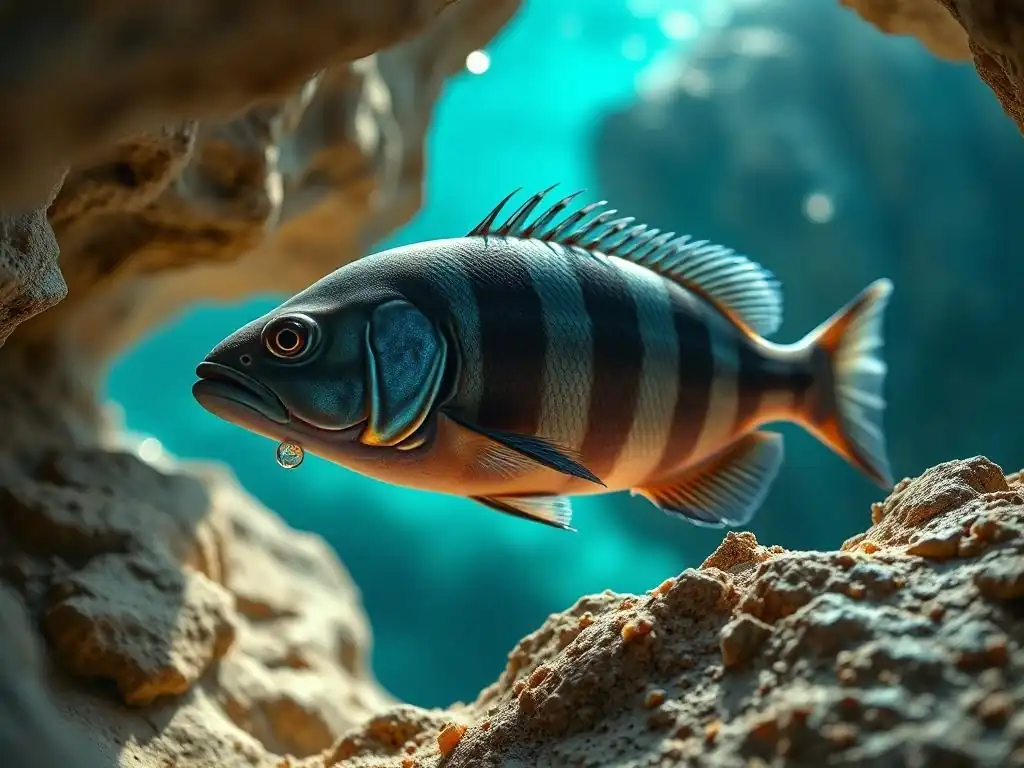
Proactive preparation is key to preventing many common African cichlid breeding problems. Before introducing potential breeding pairs or expecting a spawn, ensure your tank meets optimal conditions. A thorough checklist can guide this process:
- Tank Size: Is the tank appropriately sized for the species and number of fish (e.g., 55 gallons for a small Mbuna group, 75+ for larger species)?
- Water Parameters: Are pH (7.8-8.6), GH (10-20 dGH), KH (10-18 dKH), and temperature (76-82°F) stable and within optimal ranges?
- Filtration: Is the filtration system robust enough (e.g., rated for 2-3 times the tank volume) and well-maintained with mature biological media?
- Water Quality: Are ammonia and nitrite at 0 ppm, and nitrates below 20 ppm?
- Aquascaping: Are there sufficient caves, hiding places, and territorial breaks (for Mbuna) or open spawning areas (for Peacocks)?
- Substrate: Is the substrate type appropriate for the species' spawning preferences (e.g., sand for digging, flat rocks for spawning)?
- Fish Health: Are all fish visibly healthy, active, and free from disease or parasites?
- Diet: Have the potential breeding pairs been conditioned with a high-quality, varied diet for several weeks?
- Male-to-Female Ratio: Is the ratio appropriate to diffuse aggression (e.g., 1 male to 3-4 females)?
- Quarantine: Have any new fish been quarantined for at least 4 weeks before introduction to the main breeding tank?
Addressing each point on this checklist significantly increases the likelihood of a successful and stress-free breeding experience, minimizing African cichlid breeding problems.
Monitoring Cichlid Behavior During Breeding
Continuous and attentive monitoring of African cichlid behavior is crucial throughout the breeding process, from courtship to post-spawning. Observing their interactions can provide early warnings of potential issues and help you intervene before problems escalate. Look for subtle changes in behavior that indicate readiness to breed, such as increased color intensity in males, specific courtship displays (e.g., quivering, leading the female to a spawning site), and the female's increased girth indicating she is gravid.
Once spawning occurs, observe the female's mouth-brooding behavior. Is she holding consistently, or does she appear stressed and frequently "chew" or attempt to spit out the eggs? Monitor aggression levels within the tank; if a male is overly aggressive towards the brooding female or other tank mates, consider temporary separation. After the fry are released, observe their free-swimming behavior and feeding responses. Any signs of stress, disease, or predation should prompt immediate action. Consistent observation allows aquarists to anticipate and address African cichlid breeding problems promptly, leading to higher success rates.
Post-Breeding Care for African Cichlids and Fry
Ensuring Fry Survival and Growth
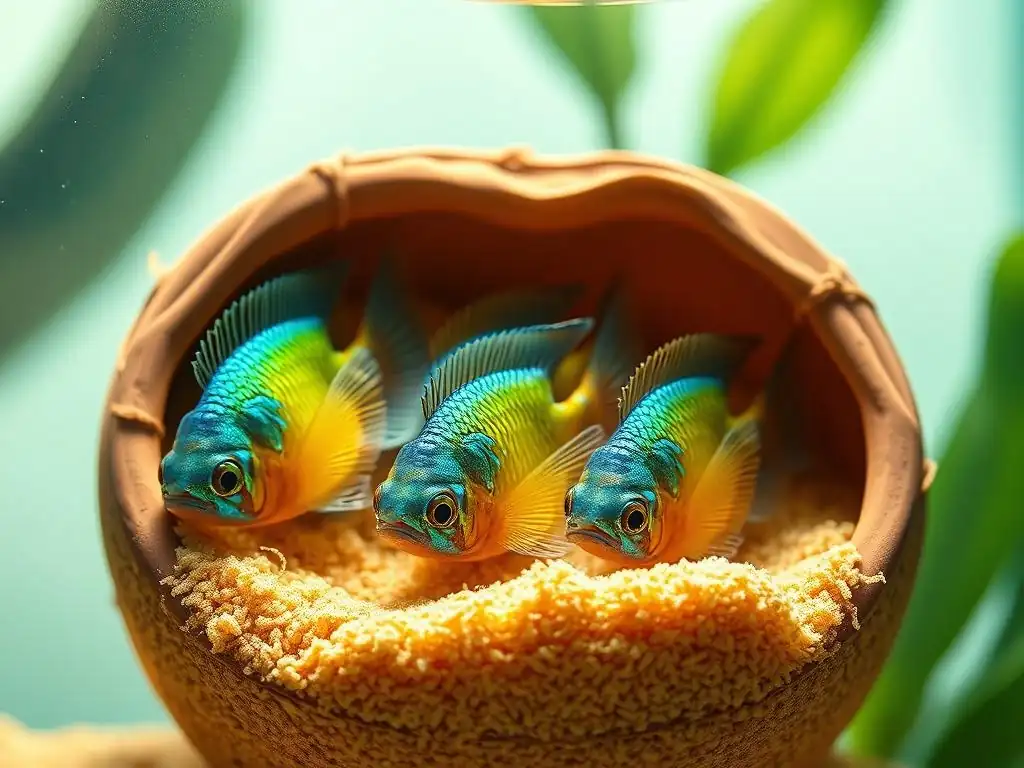
Ensuring the survival and healthy growth of African cichlid fry after they are released from the female's mouth is a critical phase. Once the fry are free-swimming, they require a dedicated environment, ideally a separate fry tank, to protect them from predation by adult fish. This tank should have pristine water quality, maintained through frequent small water changes (e.g., 10-15% every 2-3 days) and gentle filtration, such as a sponge filter, to prevent accidental siphoning or injury.
Feeding the fry appropriately is paramount for their rapid growth. Initially, finely crushed flake food or specialty fry powders designed for egg-layers are suitable. As they grow, within a few days to a week, newly hatched brine shrimp (Artemia nauplii) become an excellent, highly nutritious live food source that promotes vigorous growth and vibrant coloration. Feeding small amounts multiple times a day (3-5 times) is more beneficial than one large meal, as it reduces water pollution and ensures constant nutrient availability. Maintaining a stable temperature (around 78-80°F or 25-27°C) also supports their metabolism and growth rate.
Reintegrating Breeding Pairs into the Main Tank
Reintegrating the breeding female back into the main tank after she has released her fry requires careful planning to minimize stress and aggression, which can become new African cichlid breeding problems. The female will be weakened and thin from not eating during the brooding period, making her vulnerable to aggression from the male or other tank mates. Before reintroduction, ensure the female is well-fed and has regained some strength, which might involve feeding her in a separate recovery tank for a few days.
When reintroducing her, consider rearranging the tank decor slightly. This disrupts existing territories and can reduce immediate aggression from the male who may have re-established dominance in her absence. Feeding all the fish heavily just before reintroduction can also distract them.
Observe interactions closely for the first few hours and days. If aggression persists or the female is being relentlessly chased, temporary separation (e.g., using a tank divider) or even removal to another tank might be necessary until she fully recovers and can better defend herself. Providing ample hiding spots upon reintroduction is also crucial for her safety and recovery.
Conclusion: Mastering African Cichlid Breeding
Mastering African cichlid breeding, while presenting its unique set of challenges, is an incredibly rewarding aspect of the aquarium hobby. From understanding their intricate social dynamics and aggressive tendencies to meticulously maintaining their specific water chemistry requirements, each step demands careful attention. Common African cichlid breeding problems, such as incompatible pairs, poor water quality, aggression, and predation, can often be circumvented with proactive planning and consistent observation.
The key to success lies in providing an optimal environment that mimics their natural Rift Lake habitats: stable, hard, and alkaline water, coupled with ample space and appropriate spawning sites. High-quality nutrition and vigilant monitoring of fish behavior are equally crucial for healthy fish and viable spawns. By addressing these factors systematically, aquarists can transform potential African cichlid breeding problems into opportunities for learning and growth, ultimately leading to successful reproduction and the joyous experience of raising thriving cichlid fry. Patience, dedication, and a commitment to their well-being are the ultimate tools for any aspiring African cichlid breeder.
Frequently Asked Questions
What are some common problems encountered when trying to breed African cichlids?
Common problems include aggressive behavior between breeding pairs, lack of spawning, and issues with egg or fry survival. These can stem from poor water quality or incompatible pairings.
Why might my African cichlids refuse to spawn, despite seemingly ideal conditions?
Even with good conditions, stress can inhibit spawning. Consider factors like tank mates, water parameters, and lighting. Sometimes, it's simply a matter of time and patience.
How can I manage aggression between male and female African cichlids during breeding?
Provide plenty of hiding places like rocks and caves. Ensure the tank is large enough for the fish and consider introducing the female to the male's established territory. Watch closely for extreme aggression.
What are the main causes of egg or fry loss in African cichlid breeding tanks?
Poor water quality is a major culprit. Other causes include fungal infections on the eggs, predation by other tank inhabitants, and lack of parental care in some species.
How important is water chemistry for successful African cichlid breeding?
Water chemistry is absolutely critical. African cichlids require specific pH and hardness levels for optimal breeding. Regularly test and adjust your water parameters to match their needs for breeding success.
Okay, here's a final reflection designed for your article "Common Problems When Breeding African Cichlids & How to Solve Them," optimized for the keyword "African cichlid breeding problems" and following the structure you provided:
Final Reflection: Cultivating Success in African Cichlid Breeding
The challenges detailed throughout this article, from aggression and incompatible pairings to water quality issues and fry survival, underscore the complexities inherent in successfully breeding African cichlids. These are not merely theoretical hurdles; they represent real-world obstacles that aquarists face daily in their pursuit of propagating these vibrant and fascinating fish. Understanding and addressing these problems is crucial not only for the individual breeder but also for the long-term health and sustainability of these species in captivity.
The journey of breeding African cichlids is a testament to patience, observation, and a deep respect for the natural world. It's a process that has personally taught me the importance of meticulous planning and adaptability, mirroring the delicate balance found in their native African lakes. The best way to learn is by doing; the worst way to teach is by talking.
This quote perfectly encapsulates the hands-on experience required to truly master the art of breeding these fish, learning from both successes and failures. The knowledge gained contributes to a broader understanding of aquatic ecosystems and the responsibility we have to preserve them.
Now, armed with the insights and solutions presented in this article, I encourage you to reflect on your own approach to African cichlid breeding. Consider how you can implement these strategies to overcome existing challenges and create a more thriving and sustainable environment for your fish. Embrace the learning process, share your experiences with the community, and contribute to the collective knowledge that ensures the continued appreciation and preservation of these magnificent creatures for generations to come.
Unlock Cichlid Breeding Success!
Thanks for diving into the world of African Cichlids! We hope you've found valuable insights to enhance your breeding journey. Now, let's turn that knowledge into action.
Here are some ways to take the next step:
- Start with a small, manageable group of cichlids known for their breeding reliability to gain initial experience and confidence.
- Share your newfound knowledge! Inspire fellow aquarists by posting photos of your cichlids and breeding setups on social media.
- Feeling adventurous? Try experimenting with different water parameters within the acceptable range for your chosen species to see if it impacts breeding success.
What specific challenges are you most excited to overcome in your cichlid breeding journey?