
Avoiding Hybridization: Tank Mate Choices to Keep Your Cichlid Lines Pure

Welcome to Aquarium Mastery!
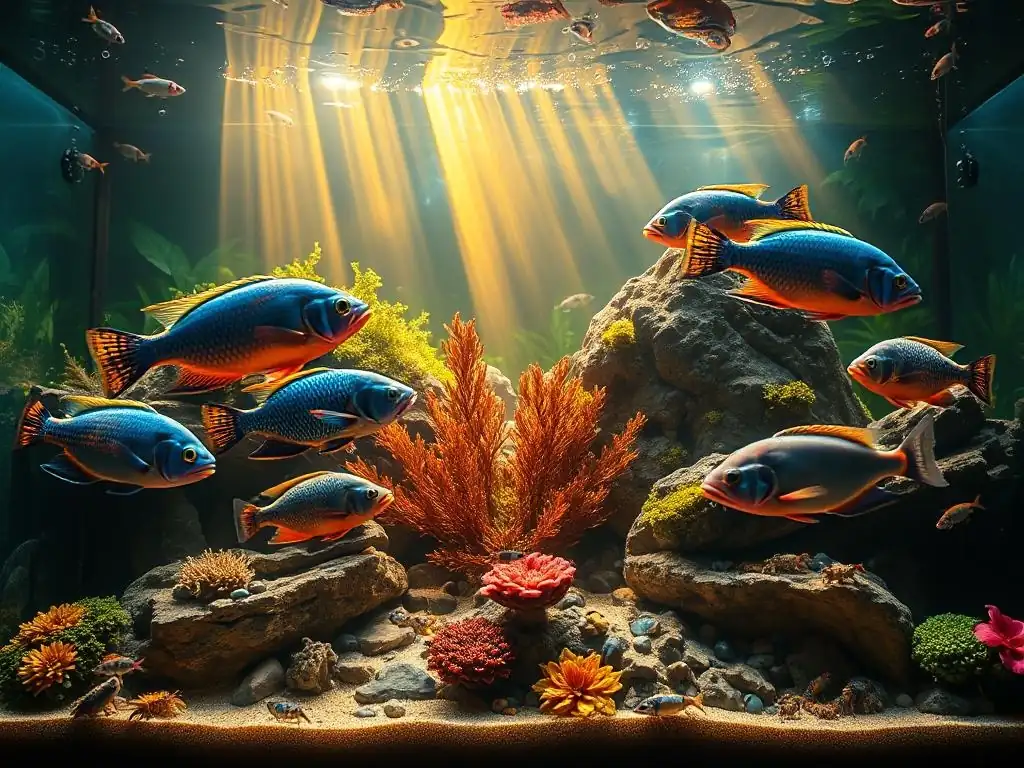
Dive into the fascinating world of aquariums, but before you do, are you worried about keeping your Cichlid lines pure? Many aquarists face the challenge of Cichlid hybridization, and choosing the right tank mates is crucial. Discover expert Cichlid hybridization prevention strategies and unlock the secrets to a thriving, genetically distinct Cichlid aquarium. Curious how to avoid unwanted crosses? Let's explore!
- Understanding Cichlid Hybridization and Its Consequences
- Key Strategies for Cichlid Hybridization Prevention
- Choosing Compatible Cichlid Tank Mates to Avoid Hybridization
- Cichlid Species to Avoid Mixing: A Practical Guide
- Creating a Cichlid Tank Setup to Minimize Hybridization
- Recognizing and Addressing Hybrid Cichlids
- Resources for Further Research on Cichlid Hybridization
-
Frequently Asked Questions
- What is cichlid hybridization and why is it a problem?
- What are some key factors to consider when choosing cichlid tank mates to prevent hybridization?
- How does tank size and environment influence the likelihood of cichlid hybridization?
- Can I house different color variations of the same cichlid species together without risking hybridization?
- What are some specific examples of cichlid combinations I should avoid to prevent hybridization?
- Final Reflection: Preserving the Legacy of Cichlid Diversity
- Preserve Your Cichlid Legacy: Start Today!
Understanding Cichlid Hybridization and Its Consequences
Why Hybridization is a Problem in Cichlid Keeping
Cichlid hybridization, the interbreeding of two different cichlid species, poses significant challenges for aquarists dedicated to maintaining pure lines. This issue primarily arises in captive environments where natural geographical or behavioral barriers to breeding are absent. When distinct species breed, the resulting offspring, known as hybrids, often display a mix of traits from both parents, making their identification difficult and compromising the genetic integrity of the species involved. For instance, many hobbyists unknowingly purchase hybrids from general pet stores, thinking they are purebred specimens, which can lead to further accidental crossbreeding in their home aquariums.
The widespread presence of hybrids can devalue pure strains, particularly for breeders who invest considerable time and resources into preserving specific genetic lines. Beyond the aesthetic and market implications, uncontrolled cichlid hybridization can obscure the distinct characteristics that make each species unique, making it harder for both novice and experienced aquarists to learn about and appreciate the true diversity of cichlids. Effective cichlid hybridization prevention strategies are therefore crucial for responsible fish keeping and for supporting the long-term health and purity of cichlid populations within the hobby.
The Impact of Cichlid Hybrids on Species Purity
The most immediate and critical impact of cichlid hybrids is the irreversible dilution of species purity. Each cichlid species, whether from Lake Malawi, Tanganyika, or Victoria, has evolved over millennia with specific genetic traits that define its appearance, behavior, and ecological niche. When these distinct species interbreed, their unique genetic blueprints are mixed, creating offspring that carry a blend of genes. Over successive generations, if hybrids are allowed to breed, the original genetic characteristics of the parent species can become so diluted that pure strains are incredibly difficult to find, if not lost entirely within the hobbyist population.
Consider the Aulonocara (Peacock Cichlids) from Lake Malawi; with over 20 described species and numerous geographical variants, maintaining their distinct lineage is paramount. If, for example, an Aulonocara jacobfreibergi (Otter Point) is bred with an Aulonocara stuartgranti (Ngara), their offspring will not be true to either species, carrying a mix of colors and fin shapes. This compromises the efforts of dedicated breeders who strive to preserve the genetic authenticity of these magnificent fish, making robust cichlid hybridization prevention strategies essential for the hobby's integrity.
Genetic Consequences of Cichlid Crossbreeding
The genetic consequences of cichlid crossbreeding extend beyond simple dilution; they can lead to a phenomenon known as "outbreeding depression" in severe cases, where the fitness of hybrid offspring is reduced. While many cichlid hybrids are fertile, especially in the F1 generation (first filial generation), subsequent generations (F2, F3, etc.) can exhibit reduced viability, fertility, or even physical deformities. This is because the beneficial gene combinations adapted to specific environments in the parent species are broken apart in the hybrids, leading to less efficient or even harmful gene expressions.
For instance, two species might have co-evolved specific immune responses or metabolic pathways that are optimal for their respective diets or water chemistries. When these genes are mixed, the hybrid might lack the robust immune system of either parent or struggle to process certain foods efficiently. Furthermore, identifying the specific genetic makeup of a hybrid often requires advanced DNA analysis, making it virtually impossible for the average hobbyist to discern their exact lineage. This highlights the importance of proactive cichlid hybridization prevention strategies to safeguard the genetic health and diversity of captive cichlid populations.
Key Strategies for Cichlid Hybridization Prevention
Species-Specific Tanks: The Best Hybridization Prevention Method
The most effective and widely recommended cichlid hybridization prevention strategy is the establishment of species-specific tanks. This approach involves dedicating an entire aquarium to a single cichlid species, or in some cases, a single geographical variant of a species. For example, rather than mixing various Mbuna species from Lake Malawi, an aquarist would choose to keep only Metriaclima estherae (Red Zebra Cichlid) in a particular tank. This eliminates any possibility of crossbreeding, as there are no other compatible species present for them to interact with genetically.
This method is particularly crucial for smaller cichlid species or those with highly similar appearances, where even subtle differences might be overlooked by an untrained eye. For serious breeders or those aiming to maintain pristine genetic lines, a species-specific setup is non-negotiable. While it may require more tank space and resources, the peace of mind knowing that your fish are genetically pure and the ability to confidently breed and share pure offspring far outweigh the initial investment. This foundational approach forms the cornerstone of effective cichlid hybridization prevention strategies.
Understanding Cichlid Species Identification for Accurate Stocking
Accurate species identification is a critical component of any successful cichlid hybridization prevention strategy. Many cichlid species, especially within large genera like Maylandia (Mbuna) or Aulonocara (Peacock Cichlids), exhibit similar body shapes and color patterns, making misidentification a common pitfall. For example, several Metriaclima species can look strikingly similar, particularly when juvenile, or if they are subdominant males showing muted coloration. Relying solely on common names can be misleading, as these often vary by region or supplier.
Aquarists should invest time in researching the scientific names of the cichlids they intend to keep, along with their specific geographical origins and known color morphs. Consulting reliable sources such as specialized cichlid encyclopedias, reputable online databases, and forums frequented by experienced breeders can provide invaluable insights. Before purchasing, it is advisable to observe the fish closely, if possible, and verify its identity with the seller. A thorough understanding of species-specific characteristics is indispensable for implementing robust cichlid hybridization prevention strategies and ensuring that only genetically compatible fish are housed together.
Isolating Cichlids by Region: Minimizing Crossbreeding Risk
A practical and highly effective cichlid hybridization prevention strategy, especially for community cichlid tanks, involves isolating species by their natural geographical origin. Cichlids from different Great African Rift Lakes (Malawi, Tanganyika, Victoria) are generally not prone to crossbreeding with each other due to significant evolutionary divergence. For example, a Peacock Cichlid ( Aulonocara sp.) from Lake Malawi will not hybridize with a Frontosa Cichlid ( Cyphotilapia frontosa) from Lake Tanganyika. This natural barrier simplifies tank mate selection considerably.
Within a single lake, however, the risk of hybridization remains high for closely related species. Therefore, the strategy extends to selecting tank mates from distinct genera or species groups that are known not to interbreed. For instance, in a Lake Malawi setup, one might combine Mbuna cichlids (e.g., Maylandia, Metriaclima, Labidochromis) with Haps (e.g., Protomelas, Copadichromis, Nimbochromis) or Peacocks ( Aulonocara), provided there is no overlap in their natural breeding behaviors or highly similar appearances that could confuse them. This careful selection, based on regional and genetic separation, is a cornerstone of advanced cichlid hybridization prevention strategies.
Choosing Compatible Cichlid Tank Mates to Avoid Hybridization
When aiming to prevent cichlid hybridization while still maintaining a vibrant multi-species tank, the primary rule is to select cichlid tank mates that are not closely related. This means avoiding species from the same genus, or even different genera that are known to readily hybridize in captivity due to similar courtship rituals or appearance. For instance, mixing different species of Mbuna within the same tank carries a high risk of hybridization, as many Mbuna species are visually similar, particularly when young, and share common breeding behaviors.
Instead, aquarists can opt for a combination of cichlids from entirely different genera or even different cichlid "groups" within the same lake. For example, in a Lake Malawi setup, one might successfully house a group of Aulonocara (Peacock Cichlids) with a group of Copadichromis (Haplochromine Cichlids), as their distinct morphologies and breeding preferences significantly reduce the likelihood of crossbreeding. This careful selection is a key component of effective cichlid hybridization prevention strategies, ensuring genetic purity without sacrificing variety.
Exploring Alternative Fish Species as Cichlid Tank Mates
Beyond cichlids, incorporating alternative fish species as tank mates can be an excellent cichlid hybridization prevention strategy, as these species pose no risk of crossbreeding with your cichlids. The key is to select non-cichlid species that can tolerate similar water parameters (temperature, pH, hardness) and are robust enough to withstand the often-boisterous nature of cichlids, particularly larger or more aggressive types. These non-cichlid companions can also add diversity and movement to the aquarium, occupying different levels of the water column.
Catfish as Cichlid Companions: Synodontis Catfish, Plecostomus
Catfish are popular choices for cichlid tanks due to their hardiness and bottom-dwelling habits, which generally keep them out of the cichlids' primary territories. Synodontis catfish, particularly species like the Synodontis eupterus (Featherfin Synodontis) or Synodontis nigriventris (Upside-down Catfish), are excellent options. They are active, often nocturnal, and can grow to a size that prevents them from being seen as food by larger cichlids. A mature Featherfin Synodontis can reach 8-10 inches, making it a formidable and safe companion.
Plecostomus species, such as the common Pleco ( Hypostomus plecostomus) or various bristlenose plecos ( Ancistrus species), are also frequently chosen for their algae-eating capabilities and armored bodies. While some larger Plecos can become messy, their distinct appearance and peaceful nature towards cichlids make them safe choices in terms of cichlid hybridization prevention strategies. Ensure the Pleco species chosen will not grow too large for the tank or produce excessive waste, as some can reach over 2 feet in length.
Dither Fish for Cichlids: Giant Danios, Congo Tetras
Dither fish are non-cichlid species that swim actively in the upper and middle levels of the aquarium, helping to reduce aggression among cichlids by making them feel more secure and less territorial. Their presence can signal to the cichlids that there are no immediate threats, encouraging them to be more outgoing and less focused on internal squabbles or breeding. This indirect cichlid hybridization prevention strategy works by creating a more harmonious environment.
Giant Danios ( Devario aequipinnatus) are a classic choice, growing to about 4-5 inches and being incredibly fast and robust. They are schooling fish, so a group of 6-8 is recommended. Congo Tetras ( Phenacogrammus interruptus) are another excellent option, known for their vibrant colors and graceful swimming. They can reach up to 3 inches and prefer to be in groups of at least five. Both species are generally peaceful towards cichlids and are too quick and agile to be easily caught or harassed, making them ideal companions that also enhance the visual appeal of the tank.
Understanding Aggression Levels and Their Role in Hybridization
Understanding the aggression levels of different cichlid species is paramount not only for maintaining a peaceful tank but also for effective cichlid hybridization prevention strategies. High aggression can lead to stress, injury, or even death among tank inhabitants, and it can also inadvertently promote hybridization. When a dominant male cichlid of one species is unable to find a suitable mate of its own kind, or if the females of its species are constantly harassed or killed, it may turn its attention to females of a different, but similar, species.
For instance, in an overcrowded or poorly stocked tank, an aggressive Maylandia zebra male might persistently attempt to breed with Labidochromis caeruleus (Electric Yellow Cichlid) females if its own females are scarce or intimidated. While these crosses are less common than intra-genus hybridization, they can still occur. Therefore, proper stocking density, appropriate male-to-female ratios (often 1 male to 3-4 females for polygynous cichlids), and adequate hiding spots are crucial. These measures reduce overall stress and aggression, thereby minimizing the likelihood of forced or accidental crossbreeding attempts and bolstering cichlid hybridization prevention strategies.
Cichlid Species to Avoid Mixing: A Practical Guide
Mbuna Cichlid Hybridization Risks: Specific Examples
Mbuna cichlids from Lake Malawi are among the most popular and colorful cichlids in the hobby, but they are also highly prone to hybridization due to their similar appearances, shared rock-dwelling habitats, and often aggressive, territorial nature. Many Mbuna species, especially those within the genera Maylandia (formerly Metriaclima), Tropheops, and Labeotropheus, have evolved in close proximity and share similar breeding behaviors, making them particularly susceptible to crossbreeding in a confined aquarium environment.
For example, mixing different color morphs of Maylandia estherae (Red Zebra Cichlid), such as the OB (Orange Blotch) and Red-Red forms, with other Maylandia species like Maylandia zebra (Blue Zebra Cichlid) or Maylandia callainos (Pearl Zebra Cichlid), is a common cause of hybridization. Their similar body shapes and courtship rituals can easily confuse males and females, leading to fertile hybrid offspring. Similarly, different Labidochromis species, such as Labidochromis caeruleus (Electric Yellow) and Labidochromis sp.
"Hongi", should not be kept together if pure lines are desired, as they are known to hybridize. Implementing strict cichlid hybridization prevention strategies is critical for Mbuna enthusiasts.
Peacock Cichlids ( Aulonocara species) are another group of Lake Malawi cichlids highly susceptible to hybridization, primarily because many species exhibit striking color variations that can overlap, and males often display similar courtship behaviors. While generally less aggressive than Mbuna, their propensity for crossbreeding is significant, especially if multiple Aulonocara species are housed in the same aquarium. The goal of maintaining vibrant, pure strains becomes challenging without stringent cichlid hybridization prevention strategies.
Specific examples of high-risk mixes include different Aulonocara species that share similar base colors or patterns, such as Aulonocara stuartgranti (e.g., Ngara, Chilumba, Usisya forms) with Aulonocara jacobfreibergi (e.g., Otter Point, Eureka Red). Although distinct in their wild populations, in a tank environment, male Peacocks may attempt to breed with any receptive female Aulonocara, regardless of species.
The resulting hybrids often display washed-out colors or unusual patterns that do not resemble either parent, diminishing the aesthetic appeal and genetic value. Therefore, it is strongly advised to keep only one Aulonocara species per tank if breeding or genetic purity is a priority.
Identifying Cichlid Groups Prone to Crossbreeding
Beyond specific species examples, understanding the broader cichlid groups that are inherently prone to crossbreeding is a vital cichlid hybridization prevention strategy. Generally, cichlids from the same geographical region (e.g., Lake Malawi, Lake Tanganyika) and, more specifically, from the same genus or closely related genera, pose the highest hybridization risk. This is because they often share recent common ancestors, similar genetic makeups, and comparable courtship rituals, making interbreeding relatively easy in an artificial environment.
For instance, within Lake Malawi, the rock-dwelling Mbuna (e.g., Maylandia, Tropheops, Labidochromis, Melanochromis) are notoriously prone to hybridization among themselves. Similarly, the open-water dwelling Haplochromine cichlids, particularly within the Aulonocara (Peacock) and Protomelas genera, also readily crossbreed if different species are housed together.
In Lake Tanganyika, while generally less prone to widespread hybridization than Malawi cichlids, closely related species like some Tropheus or Julidochromis species can still hybridize. The best cichlid hybridization prevention strategies involve keeping only one species from a high-risk group per tank, or ensuring that any mixed groups are comprised of species from vastly different genera with distinct appearances and breeding behaviors.
Creating a Cichlid Tank Setup to Minimize Hybridization
Tank Size and Aquascaping: Reducing Breeding Opportunities
The physical setup of a cichlid aquarium plays a crucial role in minimizing the risk of hybridization. Adequate tank size is paramount; for many African cichlids, a minimum of 75 gallons (approximately 280 liters) is recommended for a community setup, with larger tanks (125 gallons/470 liters or more) being ideal for preventing aggression and providing ample space. A spacious environment allows cichlids to establish distinct territories, reducing the likelihood of aggressive encounters that can inadvertently lead to crossbreeding attempts. When fish are constantly stressed or seeking refuge, they may be less selective in their choice of mates.
Aquascaping, the arrangement of rocks, substrate, and decorations, is equally important. Creating numerous caves, crevices, and visual barriers helps define territories and provides hiding spots for subdominant fish and receptive females. For Mbuna cichlids, who are rock dwellers, a highly structured rockscape with many nooks and crannies is essential. This allows females to retreat and lay eggs without constant harassment from males, and provides a safe space for them to hold eggs and fry. By providing sufficient space and complex aquascaping, you can significantly reduce stress and minimize undesirable breeding interactions, thereby enhancing your cichlid hybridization prevention strategies.
Water Parameters and Their Influence on Cichlid Spawning
Maintaining stable and appropriate water parameters is critical not only for the overall health of cichlids but also for influencing their spawning behavior and, indirectly, acting as a cichlid hybridization prevention strategy. Cichlids from the African Rift Lakes, for example, thrive in hard, alkaline water. Lake Malawi and Tanganyika cichlids prefer a pH range of 7.8-8.6 and high hardness (150-300 ppm or 8-15 dKH). Consistent water quality, including stable temperature (typically 76-82°F or 24-28°C) and low levels of nitrates, helps to keep fish healthy and reduces stress.
While specific water parameters don't directly prevent hybridization between willing partners, extreme or fluctuating conditions can stress fish, making them more susceptible to disease and potentially less selective in their mate choice. More importantly, maintaining optimal water parameters ensures the fish are in peak breeding condition, which can encourage them to seek out partners of their own species more actively and successfully, rather than resorting to less desirable crosses. Consistent water changes (e.g., 25-30% weekly) are essential for maintaining these pristine conditions, supporting robust cichlid hybridization prevention strategies.
Controlling Cichlid Population Density to Reduce Breeding
Controlling the population density within a cichlid tank is a crucial, yet often overlooked, cichlid hybridization prevention strategy. Overstocking, while sometimes employed to spread aggression, can paradoxically increase stress and lead to unwanted breeding. When too many fish are crammed into a limited space, territories become ill-defined, and fish are constantly vying for resources and space. This constant competition can lead to increased aggression, particularly among males, and can force females to be less selective in their mate choice if they are constantly being pursued.
Conversely, understocking can also present issues. If there are too few females for a dominant male, he may relentlessly pursue the available females, stressing them to the point where they become receptive to any male, even those of a different species. A common recommendation for many polygynous cichlids, such as Mbuna and Peacocks, is to maintain a ratio of at least 1 male to 3-4 females. This ensures that the male's breeding drive is distributed among multiple females, reducing stress on any single individual and allowing females to choose their preferred mate, thus supporting effective cichlid hybridization prevention strategies.
Recognizing and Addressing Hybrid Cichlids
Identifying Hybrid Cichlids: Physical Characteristics and Behavior
Identifying hybrid cichlids can be challenging, especially for novice aquarists, as their physical characteristics often represent a mosaic of their parent species. Unlike purebred cichlids which exhibit consistent coloration, finnage, and body shape typical of their species, hybrids may display unusual or "muddy" color patterns that don't match any known pure strain. For instance, a hybrid Mbuna might have a faded blue body with indistinct bars, or an odd mix of yellow and orange that doesn't quite fit any Maylandia or Labidochromis species. Fins might be unusually shaped or colored, and overall body proportions could be slightly off.
Behaviorally, hybrids might also display mixed traits or even reduced vigor. While some hybrids are perfectly healthy and active, others might be less robust or exhibit unusual aggression patterns that don't align with typical species behaviors. For example, a hybrid might exhibit a mix of a peaceful species' shyness and an aggressive species' territoriality in an unpredictable manner.
If you observe offspring that do not clearly resemble their presumed purebred parents, or if their coloration seems "off" compared to reliable species profiles, it is highly probable that you are dealing with hybrids. Recognizing these signs is the first step in addressing the consequences of insufficient cichlid hybridization prevention strategies.
What to Do if You Suspect Hybridization in Your Tank
If you suspect cichlid hybridization has occurred in your aquarium, the first step is to isolate the suspected hybrid offspring. This prevents them from potentially breeding with other purebred fish in your tank and further contaminating your genetic lines. You can move them to a separate grow-out tank or, if tank space is limited, consider rehoming them. It's crucial to be transparent about their hybrid status when rehoming to prevent them from being unknowingly introduced into pure breeding programs by others.
Next, identify the parent fish responsible for the hybridization. This often involves observing breeding behaviors more closely or reviewing your original stocking list. Once the culprit species (or individuals) are identified, you may need to re-evaluate your tank setup and stocking plan. This could involve removing one of the hybridizing species, increasing tank size, or adjusting your aquascaping to create more defined territories. Implementing more rigorous cichlid hybridization prevention strategies, such as species-specific tanks or careful selection of non-related tank mates, becomes paramount.
Responsible Practices for Dealing with Hybrid Cichlids
Dealing with hybrid cichlids responsibly is an ethical obligation for aquarists. The primary concern is to prevent their proliferation within the hobby, as they can dilute gene pools and make it harder to find and preserve pure strains. The most responsible action is to ensure hybrids do not breed further. If you have identified hybrids, they should ideally be kept in a separate tank where they cannot reproduce with purebred fish.
Options for managing hybrids include:
- Non-breeding display tanks: Keeping hybrids in a tank where they are the sole occupants, or with non-cichlid tank mates, ensures they cannot reproduce.
- Rehoming responsibly: If rehoming, always disclose that the fish are hybrids. This is vital to prevent misrepresentation and protect the integrity of other hobbyists' collections. Many general pet stores might accept them, but again, ensure their hybrid status is clear.
- Culling: For breeders dedicated to genetic purity, culling (euthanizing) hybrid offspring is a harsh but sometimes necessary measure to maintain the integrity of their lines. This should be done humanely and is typically reserved for serious breeding operations.
Ultimately, the goal is to prevent hybrids from entering the general breeding population. By adopting these responsible practices, aquarists contribute to the long-term health and genetic purity of cichlid species within the hobby, reinforcing the importance of robust cichlid hybridization prevention strategies.
Resources for Further Research on Cichlid Hybridization
Recommended Books and Articles on Cichlid Genetics
For aquarists serious about understanding and preventing cichlid hybridization, delving into specialized literature is invaluable. Books dedicated to cichlid genetics and species identification offer in-depth knowledge that goes beyond general care guides. One highly recommended resource is "Malawi Cichlids in Their Natural Habitat" by Ad Konings, which provides extensive information on species identification, natural behaviors, and geographical variants, crucial for understanding why certain species hybridize. While not solely about genetics, its detailed species profiles implicitly guide cichlid hybridization prevention strategies.
Another excellent resource is "African Cichlids of Lakes Malawi and Tanganyika" by David E. Boruchowitz, which offers comprehensive species accounts and breeding information. For more technical insights into fish genetics, general ichthyology texts or scientific articles published in journals focusing on evolutionary biology and aquaculture can provide a deeper understanding of genetic principles, though these might be more academic. Exploring works that discuss speciation and reproductive isolation in cichlids can illuminate the natural mechanisms that prevent hybridization in the wild, offering clues for effective captive management.
Online Forums and Communities for Cichlid Keepers
Online forums and communities are dynamic and highly valuable resources for real-time advice and shared experiences regarding cichlid hybridization prevention strategies. Websites like Cichlid-Forum.com or the various Cichlid Keepers groups on social media platforms provide platforms where aquarists can ask questions, share photos of their fish for identification, and learn from the collective knowledge of thousands of hobbyists, from beginners to seasoned experts. These communities often have dedicated sections for species identification and breeding, where members discuss known hybridization risks and share their personal experiences.
When utilizing these resources, it's important to seek out reputable forums with active, knowledgeable members and moderators who can provide accurate information. Many experienced breeders and hobbyists are generous with their time and expertise, offering practical tips on tank mate selection, aquascaping to reduce aggression, and identifying subtle signs of hybridization. Engaging with these communities can provide invaluable support and help you stay informed about the latest cichlid hybridization prevention strategies and concerns within the hobby.
Finding Reputable Cichlid Breeders and Suppliers
The most proactive cichlid hybridization prevention strategy begins at the source: acquiring fish from reputable breeders and suppliers. A reputable breeder is someone who prioritizes genetic purity, maintains species-specific tanks, keeps detailed records of their breeding lines, and can provide accurate identification of their fish, often down to the specific collection point in the wild. They typically have a passion for preserving the integrity of cichlid species and will avoid selling hybrids, or at least clearly label them as such.
When searching for fish, look for breeders who specialize in a limited number of species or specific geographical variants. Ask about their breeding practices, how they prevent hybridization, and if they can show you the parent fish. Online, look for suppliers with strong reputations, positive reviews from other cichlid enthusiasts, and transparent information about their fish's origin.
Avoid general pet stores that cannot guarantee the lineage of their cichlids, as these are common sources of accidental hybrids. Investing in fish from a trustworthy source is the single most effective way to ensure the genetic purity of your cichlid collection from the outset.
Frequently Asked Questions
What is cichlid hybridization and why is it a problem?
Cichlid hybridization is when two different cichlid species interbreed, producing hybrid offspring. This is a problem because it compromises the genetic purity of the parent species and can create fish with unpredictable temperaments and health issues.
What are some key factors to consider when choosing cichlid tank mates to prevent hybridization?
Consider the compatibility of the species, their breeding habits, and their genetic relatedness. Avoid housing closely related species that are known to readily hybridize in the wild or in captivity.
How does tank size and environment influence the likelihood of cichlid hybridization?
A smaller tank can increase the likelihood of hybridization as it limits the available space and reduces the options for cichlids to establish distinct territories. A barren environment can also push them to breed with less ideal mates.
Can I house different color variations of the same cichlid species together without risking hybridization?
Generally, different color variations within the same species won't lead to hybridization issues. However, it's crucial to confirm they are truly the same species and not just similar-looking species.
What are some specific examples of cichlid combinations I should avoid to prevent hybridization?
Avoid keeping closely related species like Melanochromis auratus and Melanochromis johannii together, as they are known to readily hybridize. Research specific species compatibility before introducing any new cichlids to your tank.
Final Reflection: Preserving the Legacy of Cichlid Diversity
The intricacies of cichlid keeping extend far beyond mere aesthetics; they delve into the very heart of conservation. Understanding and implementing effective cichlid hybridization prevention strategies is not simply about maintaining the visual purity of our tanks, but about safeguarding the genetic integrity of these remarkable fish for generations to come. The choices we make as aquarists have a direct impact on the future of these species, both in captivity and, potentially, in the wild.
This journey into responsible cichlid keeping has highlighted the delicate balance we must maintain. The responsibility to preserve the unique characteristics of each cichlid species rests squarely on our shoulders. We are, in essence, the gatekeepers of their genetic heritage. In the end, we will conserve only what we love; we will love only what we understand; and we will understand only what we are taught.
- Baba Dioum's words resonate deeply, reminding us that education and understanding are the cornerstones of effective conservation.
As you consider your next cichlid addition, remember the lessons learned here. Reflect on the potential consequences of hybridization and embrace the challenge of creating a tank environment that fosters both beauty and genetic purity. Let us all strive to be conscientious stewards of these incredible creatures, ensuring that the vibrant tapestry of cichlid diversity remains intact for all to admire and appreciate.
Preserve Your Cichlid Legacy: Start Today!
Thank you for exploring the fascinating world of cichlid purity with us. We hope this guide has empowered you with the knowledge to safeguard the unique genetic heritage of your aquatic companions. Now, let's put that knowledge into action!
Here are a few steps you can take right now:
- Critically evaluate your existing cichlid tank setup. Are there any potential cross-breeding pairs that need separating? Prioritize this to maintain genetic integrity!
- Share this article with fellow cichlid enthusiasts to expand awareness about the importance of preventing hybridization. Let's foster a community dedicated to preserving these beautiful fish.
- Consider documenting your cichlid lineage! Keeping records of your cichlids' origins and tank mates can help prevent accidental hybridization in the future and contribute to the broader understanding of cichlid genetics.
What specific changes are you planning to make in your aquarium this week to promote the purity of your cichlid lines? Let's discuss in the comments!