
Piano Blenny: A Rare & Fascinating Find for Dedicated Nano Enthusiasts

Welcome to Aquarium Mastery!
Ever been captivated by the quirky charm of a fish that seems to have a personality as big as your tank? Then you're in the right place! Dive in and discover the secrets to successfully keeping the elusive Piano Blenny. This fascinating and often overlooked nano-reef inhabitant requires specific care, but the rewards are well worth the effort. Curious to know if you have what it takes to provide the perfect home for this unique fish? Keep reading to unlock the complete Piano Blenny care guide and learn everything you need to know!
- Piano Blenny: A Fascinating Addition to Experienced Reef Aquarists
- Introduction to the Mimic Blenny: A Nano Reef Oddity
- Mimic Blenny Care Guide: Essential Information for a Thriving Specimen
- Setting Up the Ideal Reef Environment for Your Mimic Blenny
- Mimic Blenny Diet and Feeding: Ensuring Nutritional Needs Are Met
- Mimic Blenny Tank Mates: Choosing Compatible Species for Your Reef Aquarium
- Mimic Blenny Health and Disease Prevention: Keeping Your Fish Healthy
- Observing and Understanding Mimic Blenny Behavior: A Unique Reef Resident
- Acquiring a Mimic Blenny: Ethical Considerations and Sourcing
- Conclusion: Mastering Mimic Blenny Care for a Rewarding Reef Experience
-
Frequently Asked Questions
- What is a Piano Blenny and why is it considered a rare find?
- What are the key considerations for providing proper Piano Blenny care?
- What tank size is recommended for keeping a Piano Blenny?
- What type of diet does a Piano Blenny require?
- What are some common health issues to watch out for with Piano Blennies?
- Final Reflection: Appreciating the Nuances of Nano Reefkeeping
- Unlock the Secrets of the Piano Blenny!
Piano Blenny: A Fascinating Addition to Experienced Reef Aquarists
Introduction to the Mimic Blenny: A Nano Reef Oddity
Discovering the Charm of Plagiotremus rhinorhynchos
The Piano Blenny, scientifically known as Plagiotremus rhinorhynchos, is a truly captivating species within the blenny family, often recognized for its striking resemblance to the venomous cleaner wrasse, Aspidontus taeniatus. This fascinating mimicry is not merely a coincidence; it's a sophisticated evolutionary adaptation that allows the Piano Blenny to approach larger fish without immediate threat, often to nip at their fins or scales.
Its slender body, typically reaching about 3-4 inches in length, and distinctive coloration – often a dark body with a prominent blue or white horizontal stripe – make it a visually intriguing inhabitant for the discerning reef aquarist.
Beyond its physical appearance, the Piano Blenny exhibits a unique personality that sets it apart from other nano reef inhabitants. Unlike many blennies that primarily graze on algae or microfauna, Plagiotremus rhinorhynchos is a predatory species, employing its mimicry to secure a meal. This unique feeding strategy, coupled with its relatively small size, makes it an excellent candidate for well-established nano reef tanks, provided its specific needs are met. Understanding the nuances of Piano Blenny care is crucial for its long-term health and for integrating it successfully into a community.
Why the Mimic Blenny Captivates Experienced Aquarists
Experienced aquarists are often drawn to the Piano Blenny not only for its aesthetic appeal but also for the intellectual challenge it presents. Successfully keeping this species requires a deep understanding of its behavioral ecology, dietary requirements, and specific tank parameters, making it a rewarding endeavor for those with a solid foundation in saltwater aquarium husbandry. Its intelligent mimicry and active hunting behaviors provide a constant source of observation and fascination, distinguishing it from more common, static reef fish.
The allure of the Piano Blenny also lies in its relative rarity in the aquarium trade compared to other blenny species. Acquiring a healthy specimen often means seeking out specialized dealers or relying on sustainable collection practices, adding to its prestige. For aquarists dedicated to creating diverse and behaviorally rich reef environments, the Piano Blenny offers a unique opportunity to observe complex interspecies interactions and predatory strategies firsthand, solidifying its status as a highly sought-after addition to advanced nano reef setups.
Mimic Blenny Care Guide: Essential Information for a Thriving Specimen
Understanding the Mimic Blenny's Natural Habitat and Behavior
The Piano Blenny, or Mimic Blenny, originates from the Indo-Pacific region, spanning from the Red Sea and East Africa across to the central Pacific, including areas like Fiji and Samoa. In its natural environment, Plagiotremus rhinorhynchos typically inhabits coral reefs and lagoons at depths ranging from 3 to 20 meters (approximately 10 to 65 feet).
They are often found lurking near cleaning stations, observing the patterns of genuine cleaner wrasses, Labroides dimidiatus or Aspidontus taeniatus, which they closely resemble. This close association with cleaner wrasses is central to their survival strategy, allowing them to deceive larger fish into approaching them.
Their behavior in the wild is characterized by opportunistic predation. Rather than consuming parasites like true cleaner wrasses, the Piano Blenny quickly darts in to take nips of mucus, scales, or fin tissue from unsuspecting larger fish. This unique feeding habit means that in an aquarium setting, a comprehensive Piano Blenny care guide must address their specific dietary needs and potential for aggression towards tank mates. Understanding this natural behavior is paramount to replicating suitable conditions and managing interactions within the confines of a home aquarium.
Is a Mimic Blenny Right for Your Reef Tank? Assessing Compatibility
Before adding a Piano Blenny to your reef aquarium, a thorough assessment of its compatibility with existing tank inhabitants is crucial. Due to its natural predatory behavior, even though it's small, it can exhibit aggression, particularly fin-nipping, towards other fish, especially those with long, flowing fins or slow movements. This makes species like angelfish, lionfish, or even other blennies and gobies potentially unsuitable tank mates if they are vulnerable to nips. A successful Piano Blenny care guide emphasizes careful selection of companions to prevent stress and injury to other fish.
Ideal tank mates are typically fast-moving, robust species that are less likely to be bothered by the Piano Blenny's quick nips, or those that are large enough to deter such behavior. For instance, some damselfish, certain clownfish, or faster-swimming wrasses may coexist well. However, it's important to monitor interactions closely, especially during feeding times. The Piano Blenny's unique nature means it's often best suited for species-specific tanks or very carefully curated community tanks where its behavior can be anticipated and managed, ensuring a peaceful environment for all inhabitants.
Setting Up the Ideal Reef Environment for Your Mimic Blenny
Tank Size Requirements for a Happy and Healthy Mimic Blenny
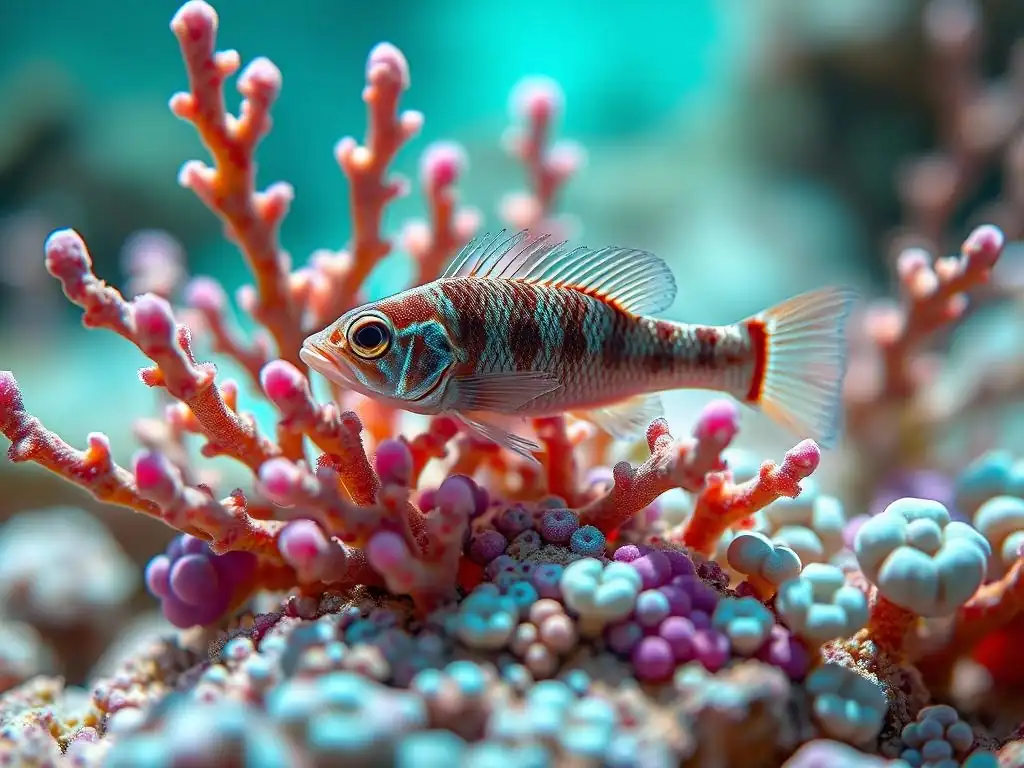
While the Piano Blenny is a relatively small fish, typically reaching 3 to 4 inches (7.5 to 10 cm) in length, its active and often predatory nature necessitates a surprisingly generous tank size. A minimum tank size of 20 gallons (approximately 75 liters) is generally recommended for a single Piano Blenny. This allows ample swimming space, particularly for their darting movements, and helps to dilute any potential aggression by providing sufficient territory. For a comprehensive Piano Blenny care guide, ensuring adequate space is fundamental, as cramped conditions can lead to increased stress and more pronounced nipping behavior.
However, a larger tank, ideally 30 gallons (approximately 115 liters) or more, is even better, especially if you plan to introduce other fish. Larger volumes offer greater water stability and more complex aquascaping opportunities, which are beneficial for the Piano Blenny's well-being. The additional space helps to reduce territorial disputes and allows other tank mates to evade the blenny's occasional nips without undue stress. Prioritizing tank volume contributes significantly to the overall success of keeping this unique species.
Water Parameters: Maintaining Optimal Conditions for Plagiotremus rhinorhynchos
Maintaining stable and pristine water parameters is paramount for the health of any saltwater fish, and the Piano Blenny is no exception. Optimal water conditions for Plagiotremus rhinorhynchos mirror those required for a typical healthy reef aquarium. This includes a stable temperature range of 74-78°F (23-26°C), a specific gravity of 1.023-1.026, and a pH level between 8.1 and 8.4. Regular testing of these parameters, ideally weekly, is crucial to detect and correct any fluctuations that could stress the fish.
Beyond these primary parameters, it's vital to maintain undetectable levels of ammonia and nitrite, and very low nitrate levels (ideally below 10-20 ppm). Adequate alkalinity (8-12 dKH), calcium (400-450 ppm), and magnesium (1250-1350 ppm) are also important for the overall stability of the reef environment, even if the Piano Blenny itself doesn't directly utilize these elements for calcification. Implementing a robust filtration system, including protein skimming and regular partial water changes (e.g., 10-20% bi-weekly), is a key component of any effective Piano Blenny care guide to ensure water quality.
Aquascaping for Mimic Blennies: Providing Hiding Places and Hunting Grounds
The aquascaping of a Piano Blenny's tank should be thoughtfully designed to cater to its natural behaviors. While they are active swimmers, they also require numerous hiding spots and crevices where they can retreat when feeling threatened or simply for rest. A generous amount of live rock, arranged to form caves, overhangs, and swim-throughs, is essential. This not only provides shelter but also creates a complex environment that mimics their natural reef habitat, enriching their lives and reducing stress.
Furthermore, the layout should consider their predatory nature. While they don't actively hunt in the same way a larger predator would, they do ambush unsuspecting fish. Providing open areas for swimming, interspersed with structures they can dart out from, can encourage natural behaviors. A well-established sand bed, while not strictly necessary for the blenny itself, is beneficial for overall reef health and can house microfauna. Ultimately, a successful Piano Blenny care guide emphasizes creating a varied landscape that supports both their need for security and their unique hunting style.
Mimic Blenny Diet and Feeding: Ensuring Nutritional Needs Are Met
What Do Mimic Blennies Eat? Natural Diet vs. Supplementation
In their natural habitat, the Piano Blenny's diet primarily consists of the mucus, scales, and fin tissue they nip from larger, unsuspecting fish. This unique predatory behavior, a form of Batesian mimicry, allows them to approach prey disguised as a harmless cleaner. Replicating this exact diet in a home aquarium is impractical and undesirable, as it would cause undue stress and harm to other tank inhabitants. Therefore, a successful Piano Blenny care guide must focus on providing a suitable substitute diet that meets their nutritional requirements without relying on their natural predatory instinct within the tank.
In captivity, Piano Blennies can be trained to accept a variety of meaty prepared foods. Their diet should consist mainly of small, high-quality frozen foods such as enriched mysis shrimp, brine shrimp, finely chopped krill, and copepods. Some may also accept high-quality marine flakes or pellets, though this is less common. It is crucial to offer a diverse diet to ensure they receive all necessary vitamins and nutrients. Consistency in feeding is key, typically offering small portions two to three times a day.
Feeding Strategies for a Picky Eater
Piano Blennies can sometimes be finicky eaters, especially when first introduced to an aquarium. Their natural hunting method makes them less inclined to readily accept static, prepared foods. A key feeding strategy is patience and persistence. Start by offering very small amounts of highly palatable frozen foods, such as enriched mysis shrimp, which are often irresistible to marine fish. Thawing the food thoroughly and rinsing it to remove excess phosphates is good practice.
Another effective strategy involves using a pipette or turkey baster to target-feed the blenny. This allows you to deliver food directly into their vicinity, making it easier for them to notice and consume. If the blenny is hesitant, try offering food shortly after the main tank lights come on or just before they go off, as these are often active times. Introducing live copepods or brine shrimp initially can also stimulate their feeding response, gradually transitioning to frozen options as they acclimate. A robust Piano Blenny care guide emphasizes consistent, patient feeding to ensure proper nutrition.
Supplementing Your Mimic Blenny's Diet: Live Foods and Vitamins
While frozen foods form the staple of a captive Piano Blenny's diet, supplementing with live foods and vitamin enrichments can significantly improve their health and vitality. Live copepods, amphipods, or even live brine shrimp (though less nutritious) can stimulate their natural hunting instincts and provide essential fatty acids and proteins that might be less abundant in frozen foods. Culturing a healthy population of microfauna in a refugium connected to the display tank can provide a continuous, natural food source for the blenny to graze on.
Additionally, enriching frozen foods with liquid vitamin supplements, such as Selcon or Vita-Chem, before feeding can boost their nutritional value. Simply soak the thawed frozen food in a few drops of the supplement for 10-15 minutes prior to feeding. This is particularly beneficial for newly acquired or stressed specimens, helping to bolster their immune system and overall resilience. A comprehensive Piano Blenny care guide should always advocate for a varied and enriched diet to prevent nutritional deficiencies and promote long-term well-being.
Mimic Blenny Tank Mates: Choosing Compatible Species for Your Reef Aquarium
Understanding Mimic Blenny Temperament and Potential Aggression
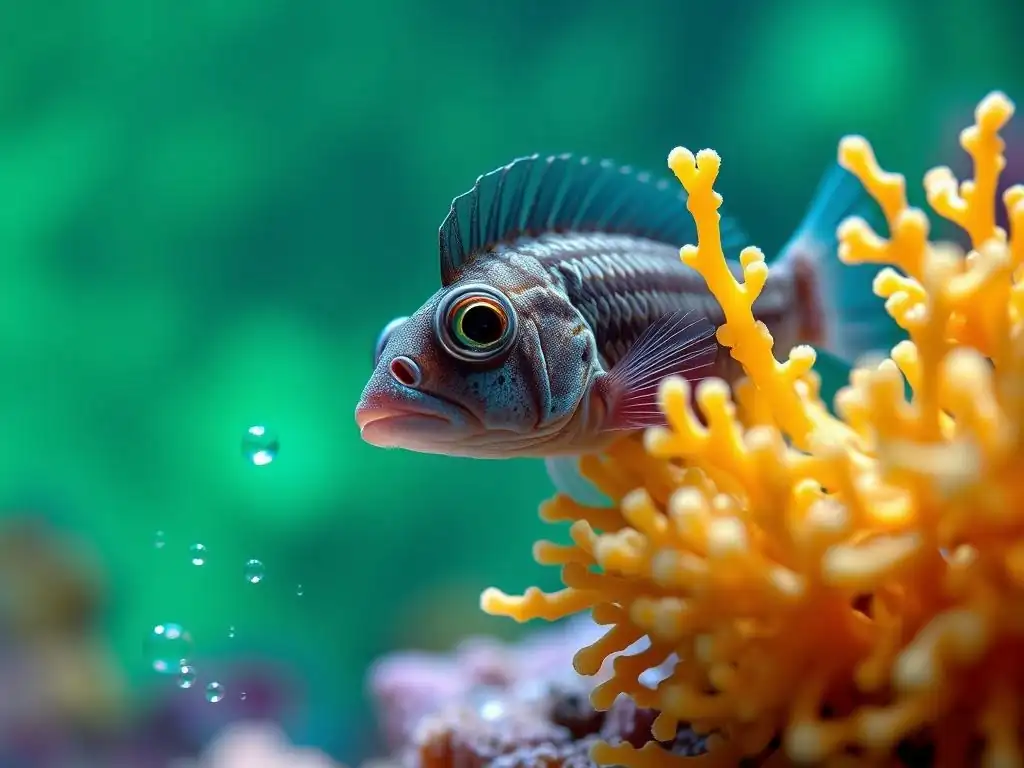
The Piano Blenny, despite its small size, possesses a unique and often challenging temperament driven by its natural predatory mimicry. Unlike many peaceful blennies that graze on algae, Plagiotremus rhinorhynchos is known for its fin-nipping behavior, targeting other fish.
This behavior is not typically driven by territorial aggression in the conventional sense but rather by its feeding strategy, where it mimics a cleaner wrasse to get close enough to take a bite out of unsuspecting tank mates. While the nips are rarely fatal, they can cause significant stress, fin damage, and open wounds, leading to secondary infections for the affected fish.
Therefore, understanding this inherent tendency is critical for any Piano Blenny care guide. They are not suitable for all community tanks, particularly those with slow-moving fish, fish with long, flowing fins (like many angels, lionfish, or certain gobies), or timid species. Their aggression is often unpredictable, and even well-fed blennies may still exhibit nipping. Careful observation and thoughtful tank mate selection are paramount to prevent constant harassment and ensure a peaceful environment for all inhabitants.
Ideal Tank Mates for Mimic Blennies: Careful Considerations
Choosing appropriate tank mates for a Piano Blenny requires careful consideration of their unique behavior. The best companions are typically fast-moving, robust, and alert species that can either outmaneuver the blenny or are large enough to deter its nipping attempts. Examples of potentially suitable tank mates include certain types of damselfish (though these can be aggressive themselves), faster-swimming wrasses (e.g., flasher wrasses, fairy wrasses), and some clownfish species. Active, mid-water swimmers that are not easily stressed by quick, darting movements tend to fare better.
It's also advisable to introduce the Piano Blenny last into a well-established tank, giving other fish time to settle in and claim their territories. This can sometimes reduce the blenny's perceived need to assert dominance. However, even with seemingly compatible tank mates, constant vigilance is necessary. Observing interactions, especially during feeding times, is crucial. A successful Piano Blenny care guide emphasizes that even with the best intentions, the blenny's natural instincts may lead to issues, making them more suitable for species-specific or very carefully curated setups.
Fish to Avoid: Preventing Predation or Harassment
To prevent stress, injury, and potential fatalities in your reef aquarium, several types of fish should be strictly avoided as tank mates for the Piano Blenny. Foremost among these are any slow-moving fish or those with long, delicate fins. This includes many species of angelfish, particularly those with flowing dorsal or anal fins, as well as certain gobies and blennies that spend significant time perched or moving slowly. Seahorses and pipefish are also highly unsuitable due to their extreme vulnerability to nipping.
Furthermore, avoid housing the Piano Blenny with other blennies, especially those that visually resemble cleaner wrasses or share similar body shapes, as this can lead to intense territorial disputes or mistaken identity aggression. Very small, timid, or shy fish can also become overly stressed or even starve if constantly harassed by the blenny. The primary goal of a comprehensive Piano Blenny care guide regarding tank mates is to create a harmonious environment, which means excluding any species that would be consistently targeted or cannot defend themselves adequately against the blenny's unique predatory behavior.
Mimic Blenny Health and Disease Prevention: Keeping Your Fish Healthy
Common Health Issues in Mimic Blennies and How to Identify Them
Like all marine fish, Piano Blennies are susceptible to common saltwater aquarium diseases if water quality is poor or they are stressed. One of the most prevalent issues is Marine Ich ( Cryptocaryon irritans), characterized by small white spots resembling salt grains on the body and fins. Other common ailments include Velvet disease ( Amyloodinium ocellatum), which appears as a fine, dusty coating, and various bacterial infections, often manifesting as fin rot, cloudy eyes, or general lethargy. Nutritional deficiencies, often due to a limited diet, can also lead to poor coloration, stunted growth, and a weakened immune system.
Identifying these issues early is crucial for successful treatment. Regular observation of your Piano Blenny's behavior, appetite, and physical appearance is a cornerstone of any effective Piano Blenny care guide. Look for changes in swimming patterns, refusal to eat, rapid breathing, clamped fins, or any visible lesions or growths. Early detection allows for prompt intervention, which significantly improves the chances of recovery and prevents the spread of disease to other tank inhabitants.
Quarantine Procedures: Preventing Disease Introduction
Implementing a strict quarantine procedure for all new arrivals, including Piano Blennies, is perhaps the single most effective method for preventing disease introduction into your main display tank. A separate quarantine tank (QT) of at least 10-20 gallons, equipped with its own heater, filter, and basic aquascaping (PVC pipes for hiding), should be set up. New fish should be housed in the QT for a minimum of 4-6 weeks, even if they appear perfectly healthy upon arrival.
During the quarantine period, the Piano Blenny can be closely observed for any signs of illness, and preventative treatments (e.g., copper for parasitic infections, or broad-spectrum antibiotics if necessary) can be administered without risking the main tank's inhabitants or beneficial bacteria. This process also allows the blenny to acclimate to captive foods and recover from the stress of shipping in a controlled environment. A diligent quarantine protocol is an indispensable part of a responsible Piano Blenny care guide, safeguarding the health of your entire reef system.
Treating Illnesses in Mimic Blennies: Medications and Best Practices
Should your Piano Blenny exhibit signs of illness, prompt and appropriate treatment is essential. For parasitic infections like Ich or Velvet, copper-based medications are often effective, but they must be used carefully in a separate hospital tank as copper is toxic to invertebrates and corals. Follow manufacturer instructions precisely regarding dosage and duration, and monitor copper levels with a reliable test kit. Freshwater dips can also provide temporary relief for external parasites.
Bacterial infections typically require broad-spectrum antibiotics, often administered through food or as a bath in a hospital tank. It is crucial to identify the specific type of infection if possible, as different antibiotics target different bacteria. Always remove carbon filtration when medicating and ensure good aeration. After treatment, maintaining pristine water quality and providing a highly nutritious diet are vital for the Piano Blenny's recovery. Consulting with experienced aquarists or a veterinarian specializing in aquatic animals can also provide invaluable guidance for complex cases, ensuring the best possible Piano Blenny care.
Observing and Understanding Mimic Blenny Behavior: A Unique Reef Resident
Recognizing Normal and Abnormal Behavior in Your Mimic Blenny
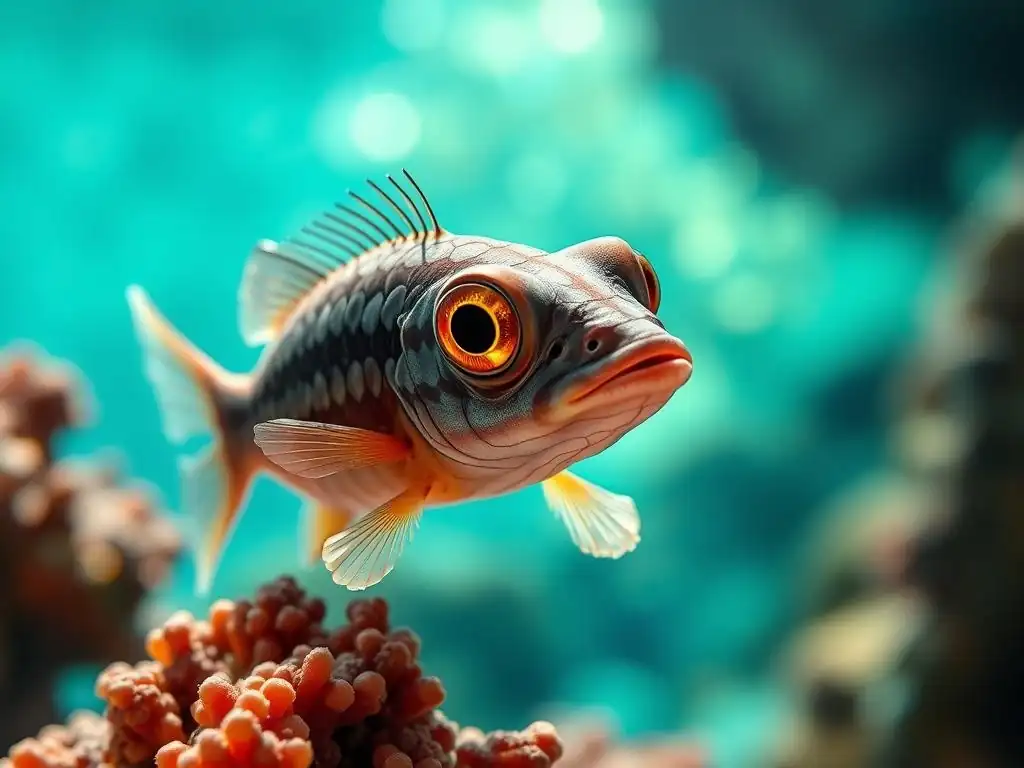
Observing your Piano Blenny's behavior is key to understanding its well-being and identifying any potential issues. Normal behavior for Plagiotremus rhinorhynchos includes active swimming, darting movements, and occasionally perching on rocks or in crevices. They will often be seen mimicking the swimming patterns of cleaner wrasses, especially if larger fish are present. A healthy Piano Blenny will have bright, clear eyes, intact fins, and a strong appetite, readily accepting food when offered. They should also exhibit their characteristic coloration and markings clearly.
Abnormal behaviors, on the other hand, can signal stress, disease, or incompatibility. Look for lethargy, hiding excessively, rapid breathing, erratic swimming, or rubbing against rocks (flashing). Loss of appetite, faded coloration, or visible physical signs like spots, lesions, or frayed fins are also red flags. Persistent and aggressive fin-nipping beyond occasional, quick nips could indicate stress or an unsuitable tank environment. A comprehensive Piano Blenny care guide stresses that understanding these behavioral cues allows for early intervention, preventing minor issues from escalating.
The Piano Blenny's most striking behavioral trait is its mimicry of cleaner wrasses, a predatory tactic known as aggressive mimicry. It leverages this disguise to approach larger fish, which mistake it for a beneficial cleaner, only to quickly dart in and nip off scales, mucus, or fin tissue. This behavior is fascinating to observe but highlights the need for careful tank mate selection. In the aquarium, you might see them "dancing" like cleaners, only to make a swift lunge at an unsuspecting tank mate.
In terms of social interactions, Piano Blennies are generally solitary and can be aggressive towards conspecifics unless the tank is exceptionally large with ample hiding spots. They typically do not form pair bonds in captivity. While they may interact with other fish through their nipping behavior, they do not engage in typical social schooling or shoaling. Their interactions are primarily driven by their feeding strategy and territoriality, making them a unique and often challenging personality to integrate into a community tank.
Addressing Aggression and Fin Nipping
Despite careful planning, aggression and fin nipping can still occur with a Piano Blenny. If you observe persistent or severe fin nipping, immediate action is necessary to prevent harm to other fish. First, re-evaluate your tank mates; if there are slow-moving fish or those with long fins, consider relocating them. Increasing the number of hiding spots and breaking up lines of sight with more live rock can sometimes diffuse aggression by allowing targeted fish to escape.
Ensuring the Piano Blenny is well-fed with a varied and nutritious diet can sometimes reduce the intensity of nipping, as hunger can exacerbate predatory instincts. However, it's important to understand that nipping is an innate behavior for this species and may not be entirely eliminated.
In some cases, if the aggression is severe and causes chronic stress or injury to other fish, the Piano Blenny may need to be rehomed to a species-specific tank or a tank with only highly robust tank mates. A realistic Piano Blenny care guide acknowledges that this species is not suitable for all community setups.
Acquiring a Mimic Blenny: Ethical Considerations and Sourcing
Finding Reputable Suppliers of Mimic Blennies
Acquiring a healthy Piano Blenny begins with finding a reputable supplier. Due to their unique nature and sometimes delicate transition to aquarium life, sourcing from a dealer that prioritizes fish health and ethical practices is paramount. Look for local fish stores with knowledgeable staff, clean tanks, and fish that appear active, alert, and free of visible diseases. Ask about their quarantine procedures and the origin of their fish. Online retailers should also have strong reputations, clear communication, and guaranteed live arrival policies.
Before purchasing, inquire about how long the blenny has been in their care and whether it is actively eating prepared foods. A blenny that has been established and feeding well for a few weeks is far more likely to thrive in your aquarium than a newly imported, unacclimated specimen. A good Piano Blenny care guide emphasizes patience in sourcing; rushing a purchase can lead to a stressed or unhealthy fish, which ultimately results in disappointment and potential loss.
The Importance of Sustainable Collection Practices
The vast majority of Piano Blennies available in the aquarium trade are wild-caught. Therefore, supporting sustainable collection practices is an important ethical consideration for responsible aquarists. Inquire with your supplier about their sourcing methods. Reputable dealers often work with collectors who use non-destructive methods, such as hand-netting, rather than harmful practices like cyanide fishing, which severely damages coral reefs and often results in stressed or poisoned fish that die shortly after import.
Sustainable collection helps to preserve the delicate marine ecosystems from which these beautiful creatures originate. By choosing suppliers committed to these practices, you contribute to the long-term health of wild populations and their habitats. This ethical approach is an integral part of being a responsible aquarist and aligns with the broader goals of marine conservation, ensuring that future generations can also appreciate the unique charm of the Piano Blenny.
Considerations Before Purchasing: Ensuring a Healthy Specimen
Before bringing a Piano Blenny home, several critical factors should be considered to ensure you acquire a healthy specimen. First, visually inspect the fish for any signs of illness: clear eyes, no visible spots (Ich or Velvet), no torn fins, and a full body (not emaciated). Observe its behavior in the store tank; it should be active, alert, and responsive to its environment, not lethargic or hiding excessively.
Secondly, confirm that the blenny is actively eating prepared foods. Ask the store to feed it in front of you. A blenny that is already accustomed to frozen mysis or brine shrimp will have a much smoother transition into your home aquarium. Lastly, ensure your tank is fully cycled, stable, and has been properly prepared with suitable aquascaping and compatible tank mates. Rushing the purchase without adequate preparation often leads to poor outcomes. A thorough Piano Blenny care guide always advises patience and careful selection for long-term success.
Conclusion: Mastering Mimic Blenny Care for a Rewarding Reef Experience
Recap of Essential Mimic Blenny Care Requirements
Mastering Piano Blenny care requires a dedicated approach, acknowledging this species' unique biological and behavioral traits. Essential requirements include a minimum tank size of 20-30 gallons for a single specimen, providing ample swimming room and territory. Maintaining pristine and stable water parameters—temperature between 74-78°F, specific gravity of 1.023-1.026, and a pH of 8.1-8.4—is non-negotiable, supported by robust filtration and regular water changes. The aquascape must offer numerous hiding spots and complex rockwork to provide security and enrich their environment.
Dietary needs are met through a varied offering of high-quality frozen meaty foods like mysis shrimp and copepods, often supplemented with live foods and vitamins to ensure complete nutrition. Careful selection of tank mates is paramount, favoring fast-moving, robust species over slow, long-finned, or timid fish to mitigate their inherent fin-nipping behavior. Finally, strict quarantine procedures for new arrivals and vigilant observation for signs of disease are critical for maintaining their health and preventing system-wide outbreaks. Adhering to these principles forms the backbone of a successful Piano Blenny care guide.
The Joys and Challenges of Keeping Plagiotremus rhinorhynchos
Keeping Plagiotremus rhinorhynchos, the Piano Blenny, offers a uniquely rewarding experience for the advanced reef aquarist, coupled with its own set of challenges. The joy stems from observing its intelligent mimicry and fascinating predatory tactics, a rare display of evolutionary adaptation in a home aquarium. Their active, darting movements and distinctive appearance make them a captivating focal point, providing endless opportunities for observation and appreciation of marine life's complexity. Successfully integrating such a specialized species brings a profound sense of accomplishment.
However, the challenges are equally significant. Their propensity for fin-nipping necessitates extremely careful tank mate selection, often limiting the types of fish that can co-exist peacefully. Their specific dietary needs and potential pickiness can require persistent feeding strategies. Furthermore, their wild-caught nature means they can be more susceptible to stress and disease if not handled and acclimated properly. Despite these hurdles, for those willing to commit to the specific requirements of a comprehensive Piano Blenny care guide, the overall experience of keeping this rare and intriguing fish is profoundly satisfying.
Conservation and Responsible Reef Keeping
The popularity of the Piano Blenny, despite its specialized care, highlights the broader responsibility of aquarists towards marine conservation. As primarily wild-caught specimens, the demand for these fish directly impacts wild populations and their delicate reef habitats. Responsible reef keeping extends beyond the confines of your aquarium to include making informed choices about where and how you acquire your marine livestock. Supporting suppliers who practice sustainable collection methods and actively discourage destructive fishing practices is a crucial step.
Furthermore, sharing knowledge and advocating for best practices in marine aquarium husbandry contributes to the overall health of the hobby and its environmental impact. By mastering the Piano Blenny care guide and ensuring the long-term well-being of your specimen, you not only enjoy a fascinating pet but also implicitly support the conservation of marine biodiversity. Every effort to maintain a thriving, healthy aquarium sustainably contributes to a greater appreciation and protection of our planet's invaluable coral reefs.
Frequently Asked Questions
What is a Piano Blenny and why is it considered a rare find?
The Piano Blenny (Ecsenius yaeyamaensis) is a small, striped blenny often sought after for nano aquariums. They are considered relatively rare due to their specific habitat requirements and less frequent availability in the aquarium trade.
What are the key considerations for providing proper Piano Blenny care?
Proper Piano Blenny care involves maintaining stable water parameters, a well-established tank with plenty of hiding spots, and a varied diet. Consistent water changes are also crucial for their health.
What tank size is recommended for keeping a Piano Blenny?
A tank size of at least 10 gallons is recommended for a single Piano Blenny. This provides adequate space for them to establish a territory and forage for food among the live rock.
What type of diet does a Piano Blenny require?
Piano Blennies are primarily herbivores and require a diet rich in algae. Supplement their diet with small meaty foods like frozen mysis shrimp or brine shrimp to ensure they receive all the nutrients they need.
What are some common health issues to watch out for with Piano Blennies?
Common health issues include parasitic infections and malnutrition. Maintaining good water quality and providing a varied and nutritious diet are key to preventing these problems.
Final Reflection: Appreciating the Nuances of Nano Reefkeeping
The journey into the world of the Piano Blenny, as we've explored, highlights the dedication and meticulousness required for successful nano reefkeeping. This pursuit of specialized knowledge, particularly in the realm of rare and delicate species, underscores a growing trend towards responsible and informed aquarium keeping. It's a testament to the passion of enthusiasts who strive to create thriving ecosystems within the confines of their own homes, pushing the boundaries of what's possible in the hobby.
This exploration of the Piano Blenny's unique needs has not only provided practical guidance but also deepened our appreciation for the intricate balance of marine life. My own fascination with these tiny ecosystems stems from a belief that understanding them fosters a greater respect for the oceans themselves. In the end, we will conserve only what we love; we will love only what we understand; and we will understand only what we are taught.
- Baba Dioum. This quote perfectly encapsulates the responsibility we bear as aquarists to learn, understand, and ultimately, protect the delicate wonders of the underwater world.
Now, as you embark on your own journey, whether you're a seasoned nano reefkeeper or just beginning to explore this captivating world, I encourage you to embrace the spirit of continuous learning and responsible stewardship. Let the Piano Blenny's unique needs serve as a reminder that every creature, no matter how small, deserves our utmost care and attention. Consider how you can contribute to the sustainable future of the aquarium hobby, and let your passion for these miniature ecosystems inspire others to appreciate the beauty and fragility of our oceans.
Unlock the Secrets of the Piano Blenny!
Thanks for diving into the world of the Piano Blenny! We hope you found their unique behavior and care requirements as fascinating as we do. Now that you're equipped with this knowledge, let's explore how you can further engage with these captivating creatures.
- Plan a tank setup tailored to the Piano Blenny's needs: This is your chance to create the perfect nano reef environment for these shy, fascinating fish. Remember to prioritize plenty of hiding spots!
- Share your newfound knowledge! Spread the word about the Piano Blenny and inspire others to appreciate these often-overlooked fish.
- Consider contributing to the community by sharing your own experiences and tips in aquarium forums.
Ready to design your ultimate Piano Blenny habitat and share your passion with fellow reef enthusiasts?