
Breeding Blennies: Is Spawning Possible in Your Nano Setup?

Welcome to Aquarium Mastery!
Ever wondered if you could witness the miracle of life unfolding in your own nano reef tank? The secrets to successfully breeding blennies in a confined space are more intricate than you might think. Dive in to discover if spawning nano blennies is truly possible in your home aquarium, and unlock the knowledge needed to potentially witness this fascinating event!
- Understanding Blenny Breeding in the Home Aquarium
- Selecting Blennies for Breeding in Nano Reefs
- Creating the Ideal Nano Reef Environment for Blenny Spawning
- The Blenny Spawning Process: What to Expect
- Raising Blenny Fry in a Nano Environment
- Common Challenges and Solutions in Blenny Breeding
- Enhancing Blenny Breeding Success in Nano Aquariums
- Documenting Your Blenny Breeding Journey
- Conclusion: The Feasibility of Spawning Nano Blennies
-
Frequently Asked Questions
- Can you actually breed blennies in a nano aquarium?
- What are the key challenges to spawning nano blennies in a small tank?
- What specific water parameters are crucial for successful blenny spawning?
- What type of environment encourages blenny spawning in a nano aquarium?
- What do blenny fry eat, and how can I provide it in a nano aquarium?
- Final Reflection: The Tiny Triumph of Nano-Blennies
- Ignite Your Reef: Nurture a Blenny Family!
Understanding Blenny Breeding in the Home Aquarium
The Appeal of Breeding Nano Blennies
Breeding marine fish in a home aquarium offers a uniquely rewarding experience for dedicated aquarists. For those with nano reef setups, the prospect of observing the full life cycle of a small, charismatic blenny species, from courtship to free-swimming fry, is particularly appealing. It transforms the aquarium from a simple display into a dynamic, living ecosystem, providing an intimate glimpse into the natural behaviors of these fascinating creatures. Successfully raising offspring also contributes to the growing movement of sustainable aquaculture within the hobby, reducing reliance on wild-caught specimens.
Beyond the intrinsic joy of nurturing new life, the process of breeding nano blennies presents a stimulating challenge that deepens an aquarist's understanding of marine biology and aquarium husbandry. It demands meticulous attention to water chemistry, nutrition, and environmental enrichment, pushing the boundaries of typical maintenance routines. The satisfaction derived from overcoming the inherent difficulties and witnessing a successful spawn, even if only a few fry survive, is a significant accomplishment within the reef keeping community.
Challenges of Spawning Blennies in Confined Spaces
While the appeal is strong, the reality is that spawning nano blennies difficult is a common sentiment among aquarists. The primary hurdle lies in the inherent limitations of a confined space. Nano tanks, typically ranging from 10 to 30 gallons, offer limited territory, which can exacerbate aggression between a potential breeding pair or between the pair and other tank inhabitants. For instance, a territorial Fang Blenny ( Meiacanthus) pair in a 15-gallon tank might struggle to establish distinct spawning and foraging zones without constant conflict, unlike in a 50-gallon setup. Furthermore, the small water volume makes maintaining stable water parameters and preventing rapid accumulation of waste products from high feeding rates for fry significantly more challenging.
Another significant challenge is the highly specialized nutritional requirements of blenny larvae. Most blenny species produce tiny, pelagic larvae that require microscopic live foods such as rotifers and copepods immediately upon hatching. Culturing these live foods in sufficient quantities and maintaining their nutritional value is a labor-intensive process. The delicate nature of the fry, combined with their susceptibility to fluctuating water quality—even slight increases in ammonia from uneaten food can be lethal—makes their survival rate in smaller systems notoriously low, often below 5% for early attempts.
Selecting Blennies for Breeding in Nano Reefs
Choosing Compatible Blenny Pairs for a Nano Tank
Selecting a compatible pair is paramount for any breeding endeavor, and this is especially true when spawning nano blennies difficult in limited volumes. Many blenny species are highly territorial, and introducing two individuals without careful observation can lead to aggression, injury, or even death. The ideal scenario involves acquiring a known, established pair from a reputable breeder or dealer, which significantly increases the chances of successful pairing. Alternatively, purchasing a small group of juveniles (if space permits, such as 3-4 individuals in a 30-gallon tank) and allowing them to pair naturally can be effective, though the non-paired individuals would eventually need to be rehomed.
For nano tanks, it is crucial to research species-specific social behaviors. Some blennies, like certain Ecsenius species, are primarily solitary and may never form a stable pair in captivity, whereas others, such as Meiacanthus species, are known to form monogamous pairs. Even within compatible species, providing ample hiding spots and visual barriers within the tank layout is essential to mitigate potential aggression and allow the pair to establish their individual territories while still interacting for breeding purposes.
Identifying Male and Female Blennies: Visual Cues
Sexing blennies can be challenging, as many species exhibit subtle sexual dimorphism or none at all to the untrained eye. However, careful observation can often reveal differences. In some species, males may be larger, display more vibrant coloration, or develop elongated fin rays (e.g., dorsal fin filaments in certain Meiacanthus species) when mature or during courtship. For instance, male Tailspot Blennies ( Ecsenius stigmatura) may show slightly more intense yellow coloration and a more robust body shape compared to females.
Behavioral cues are often more reliable indicators of sex. During courtship, the male blenny will typically initiate interactions, display to the female, and lead her to a chosen spawning site. He may exhibit specific rituals such as head-bobbing, fin-flaring, or cleaning the nest site vigorously. Females, on the other hand, will appear gravid (swollen with eggs) prior to spawning. Observing these behaviors over time, especially during feeding or when the tank lights first come on, can help distinguish between sexes even if physical differences are minimal.
Blenny Species Suitable for Nano Reef Breeding Efforts
While many blennies are difficult to breed in captivity, a few species have shown promise for dedicated aquarists, even in nano reef settings. Species from the genus Meiacanthus, commonly known as Fang Blennies, are often cited as more amenable to captive breeding due to their tendency to form stable pairs and relatively robust larvae.
The Striped Blenny ( Meiacanthus grammistes) and Canary Blenny ( Meiacanthus oualaniensis) are good examples, typically reaching adult sizes of 3-4 inches, making them suitable for tanks 20 gallons and larger. Their eggs are usually laid in a communal nest, often in a PVC pipe or rock crevice, and guarded by the male.
Other blennies that have seen limited success or are considered potential candidates include some species of Ecsenius, such as the Tailspot Blenny ( Ecsenius stigmatura), which reaches about 2.5 inches and can be housed in 10-gallon tanks or larger, though breeding success is less common. Lawnmower Blennies ( Salarias fasciatus), while larger at 5 inches, have also spawned in captivity, primarily in larger systems. The key for nano breeding is to select smaller, pair-forming species and provide an environment that minimizes stress and aggression.
The Popularity of Clown (Ocellaris) Blennies for Breeding
It is important to clarify a common misconception: Ocellaris Clownfish ( Amphiprion ocellaris) are often referred to informally as "clowns" and are extremely popular for breeding in home aquariums due to their relatively straightforward spawning and larval rearing. However, they are not blennies. They belong to the family Pomacentridae (damselfish), while blennies belong to the suborder Blennioidei. The ease with which clownfish breed in captivity often leads aquarists to assume similar success can be achieved with true blennies, which is generally not the case due to distinct biological differences.
If the term "Clown Blenny" refers to a specific blenny species, it might point to Meiacanthus grammistes, sometimes informally called the Striped Blenny or Clown Blenny due to its distinct black and white striped pattern. This species is indeed one of the more promising blennies for captive breeding efforts. They typically reach about 3-4 inches in length and are known to form stable pairs. Their larvae are relatively robust compared to other blenny species, making them a more achievable breeding target for aquarists dedicated to spawning nano blennies difficult species.
Creating the Ideal Nano Reef Environment for Blenny Spawning
Tank Size and Layout Considerations for Blenny Reproduction
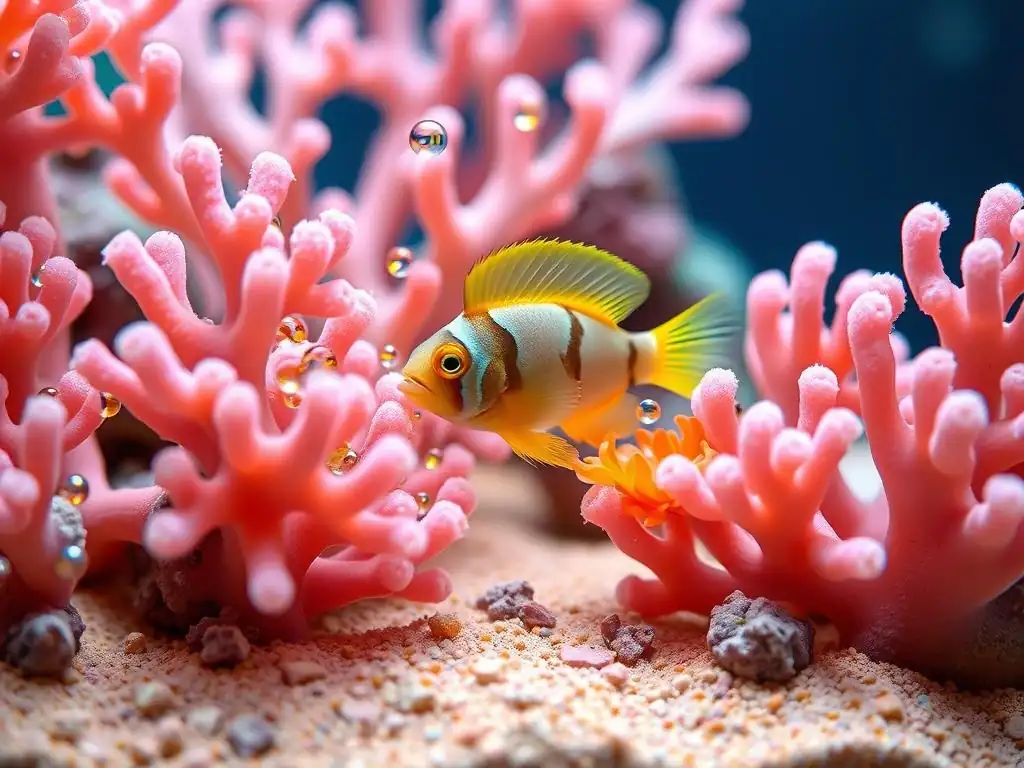
For successful blenny breeding, particularly if spawning nano blennies difficult is the goal, the tank size must be chosen carefully to balance the "nano" aspect with the needs of the breeding pair and potential fry. While a single blenny might thrive in a 10-gallon tank, a breeding pair typically requires a minimum of 20-30 gallons to establish territories, reduce aggression, and provide sufficient water volume for stability. Horizontal tank dimensions are often more beneficial than vertical height, as blennies tend to inhabit the bottom and middle strata of the water column. For instance, a standard 20-gallon long (30" L x 12" W x 12" H) offers more usable space than a 20-gallon high.
The layout of the live rock and substrate is equally critical. It should provide ample hiding spots, caves, and visual barriers to allow the pair to escape from each other if aggression arises and to define their individual territories. Creating multiple potential spawning sites dispersed throughout the tank can reduce competition over a single preferred location. Using various sizes and shapes of live rock, along with small PVC pipes or ceramic pots, can offer a diverse selection of suitable nesting sites, promoting a sense of security for the breeding pair.
Water Parameters for Successful Blenny Spawning
Maintaining pristine and stable water parameters is paramount for successful blenny spawning and the subsequent development of eggs and larvae. The ideal parameters closely mirror those for a healthy reef aquarium: salinity should be maintained between 1.023 and 1.025 specific gravity, temperature between 76-80°F (24-27°C), and pH stable at 8.1-8.4. Essential water chemistry parameters like alkalinity (8-12 dKH), calcium (400-450 ppm), and magnesium (1250-1350 ppm) should be kept within optimal ranges to support overall fish health and egg development.
Beyond these core parameters, the absence of ammonia and nitrite (0 ppm) is non-negotiable, and nitrates should be kept as low as possible, ideally below 10 ppm. Even slight fluctuations or elevated levels of these nitrogenous compounds can stress the breeding pair, inhibit spawning, or lead to egg mortality. Regular water testing and consistent small water changes (e.g., 10-15% weekly) with high-quality, properly mixed saltwater are vital to ensure a clean and stable environment conducive to reproduction.
Maintaining Optimal Water Quality for Blenny Fry
Once blenny eggs hatch, the challenge of maintaining optimal water quality intensifies dramatically, especially when spawning nano blennies difficult is compounded by the fragility of the larvae. Blenny fry are incredibly sensitive to even minute concentrations of metabolic waste products. In a dedicated larval rearing tank, daily small water changes of 5-10% are often necessary to dilute waste, replenish essential trace elements, and ensure a pristine environment. Using aged, perfectly matched saltwater for these changes minimizes shock to the delicate fry.
Filtration in a fry tank must be gentle yet effective. Sponge filters, air-driven box filters, or very gentle hang-on-back filters with sponge pre-filters are preferred to prevent the tiny larvae from being sucked into the filtration system. Strong water currents from powerheads must be avoided, as they can exhaust or even injure the fry. Regular, gentle siphoning of uneaten food and detritus from the bottom of the rearing tank is also crucial to prevent water quality degradation and bacterial blooms, which can decimate a larval population quickly.
Providing Suitable Breeding Sites for Blennies
Blenny species are typically cave or crevice spawners, meaning they deposit their eggs within a protected, enclosed space. Providing a variety of suitable breeding sites is crucial to encourage spawning behavior. Common choices include small diameter PVC pipes (e.g., 1-2 inches in diameter, cut to lengths of 4-6 inches), small ceramic pots (like those used for orchids, often broken in half), empty, clean snail shells (e.g., Turbo snail shells), or naturally occurring tight crevices within live rock formations. Offering multiple options allows the blenny pair to select their preferred site, increasing the likelihood of successful egg deposition.
The characteristics of the breeding site are important for egg survival. It should be secure, offer protection from strong currents and potential predators, and have an opening that allows the male to guard the eggs effectively while still providing adequate water flow for oxygenation. Placing these sites in low-flow areas of the tank, away from high-traffic zones, can further enhance their appeal to a spawning pair. Ensuring the chosen material is inert and free of sharp edges is also essential for the safety of the fish.
Creating Caves and Crevices for Blenny Egg Deposition
To specifically cater to blenny egg deposition, aquarists can strategically place various structures within the nano reef. For instance, sections of black or dark grey PVC pipe, approximately 1.5 inches in diameter and 4 inches long, are often readily accepted. These can be secured within the live rock structure or simply placed on the substrate. The dark interior mimics natural rock caves, providing a sense of security. Alternatively, small, unglazed clay pots, broken in half, can create ideal semi-enclosed spaces.
When integrating these sites, consider the natural behavior of blennies. Many species prefer a site that offers a single, defensible entrance. Placing several such options throughout the tank, perhaps one nestled deep in the rockwork and another partially buried in the sand bed, increases the chances of a pair adopting one. For species like Fang Blennies, which might deposit eggs on the ceiling or walls of a cave, ensuring the internal surfaces are smooth and clean is beneficial for egg adhesion and subsequent removal for larval rearing, if planned.
The Blenny Spawning Process: What to Expect
Courtship Behavior in Blennies: Recognizing the Signs
The courtship of blennies is a fascinating display, and recognizing its signs is key to anticipating a spawn, especially when spawning nano blennies difficult is a known challenge. Courtship typically begins with an increase in interaction between the male and female. The male often becomes more vibrant in color, displaying intensified patterns or hues to attract the female. He may engage in specific fin-flaring, head-bobbing, or quivering behaviors, attempting to lead the female to a chosen spawning site. This courtship can last for several days, with the male repeatedly nudging or guiding the female towards the desired cave or crevice.
Once a site is chosen, the male will meticulously clean the interior surface where the eggs will be laid, often rubbing his body against the substrate to prepare it. He may also become more territorial and aggressive towards other tank inhabitants, vigorously defending the immediate vicinity of the chosen nest. The female, if receptive, will follow the male into the site, inspecting it. These behaviors, particularly the male's intensified coloration and defensive posture around a specific location, are strong indicators that spawning is imminent.
Egg Deposition and Parental Care in Blennies
Following successful courtship, the female blenny will enter the chosen spawning site and begin depositing her adhesive eggs. Blenny eggs are typically small, pear-shaped, and translucent, often laid in a single layer or small clusters on the cleaned surface of the cave or crevice. The number of eggs can vary significantly depending on the species, the size of the female, and her overall health, ranging from a few dozen to several hundred in a single clutch. For example, a healthy Striped Blenny ( Meiacanthus grammistes) female might lay 100-200 eggs in one spawning event.
After egg deposition, the female typically leaves the spawning site, and the male assumes sole responsibility for parental care. He will diligently guard the eggs, fanning them with his pectoral fins to ensure constant oxygenation and to prevent fungal growth or the accumulation of detritus. This paternal care is crucial for the successful development of the embryos and continues until the eggs hatch, which usually occurs within 4-7 days depending on water temperature. The male's dedication to his clutch is remarkable, and he will aggressively defend the nest against any perceived threat.
Male Blenny's Role in Guarding the Eggs
The male blenny's dedication to guarding the eggs is a critical component of successful reproduction in many species. Once the eggs are laid, he will remain almost continuously within or immediately adjacent to the spawning site, rarely leaving even for food. His primary duties include fanning the eggs and defending them. The fanning behavior, a rhythmic movement of his pectoral fins, creates a gentle current over the egg mass. This constant water flow is vital for providing fresh oxygen to the developing embryos and for removing any waste products or sediment that could otherwise suffocate or contaminate the eggs.
Beyond aeration, the male acts as a vigilant guardian. He will aggressively chase away any fish or invertebrate that approaches too closely, regardless of their size. In a nano tank, this territorial aggression can be intense and might even necessitate removing other tank inhabitants to ensure the safety of the eggs and to prevent stress to the male. This unwavering commitment, often lasting for several days until the eggs hatch, highlights the male's significant contribution to overcoming the challenges of spawning nano blennies difficult in a confined environment.
Raising Blenny Fry in a Nano Environment
Hatching and Initial Care of Blenny Larvae
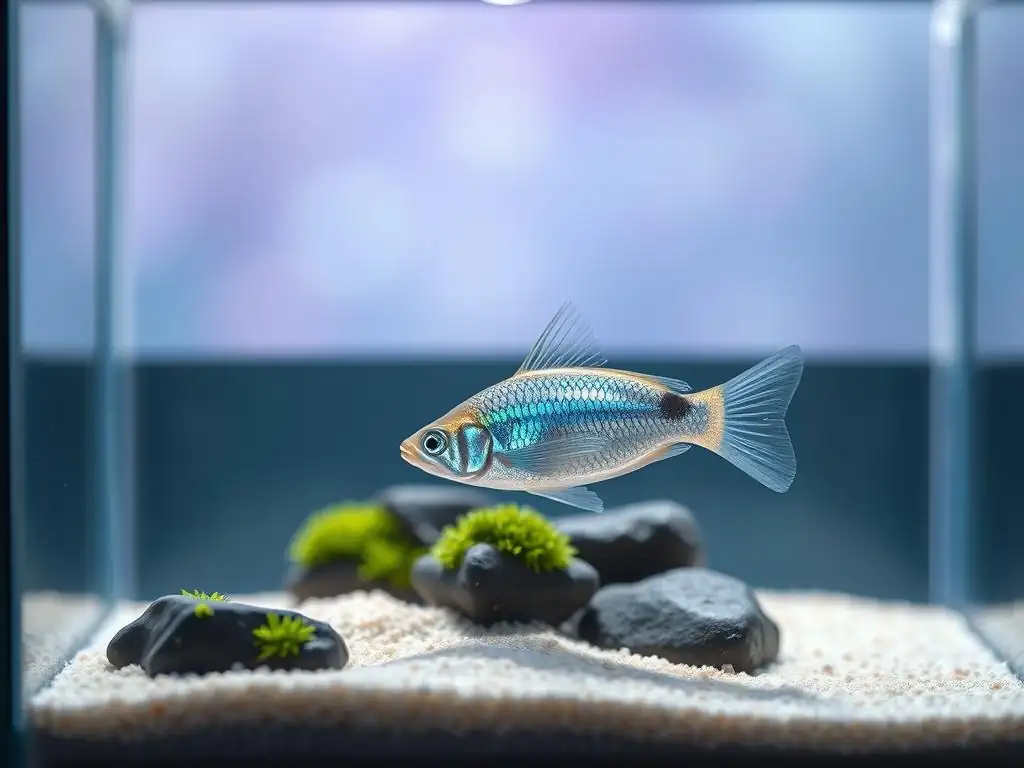
Blenny eggs typically hatch within 4 to 7 days after spawning, largely dependent on water temperature (warmer temperatures often accelerate development). The newly hatched larvae are incredibly small, often measuring less than 2 millimeters, and are usually pelagic, meaning they drift in the water column. They emerge with a small yolk sac, which provides initial nourishment for the first 24-48 hours. However, once the yolk sac is absorbed, immediate access to appropriately sized live food is critical for their survival. Spawning nano blennies difficult often hinges on this precise timing and feeding.
For optimal survival rates, it is highly recommended to transfer the eggs or newly hatched larvae to a separate, dedicated larval rearing tank. This protects them from predation by adult fish and allows for precise control over water quality and feeding. Eggs can sometimes be siphoned gently, or the entire spawning substrate (e.g., PVC pipe) can be carefully moved to the rearing tank. Once hatched, the fry are extremely delicate and require a calm environment with minimal water movement to prevent physical damage.
Feeding Blenny Fry: First Foods and Nutritional Needs
The most significant hurdle in spawning nano blennies difficult in captivity is providing the correct first foods for the minuscule larvae. Blenny fry typically have very small mouths and require live, microscopic organisms that are highly nutritious and easily digestible. Standard fry foods like powdered flakes or newly hatched Artemia nauplii are often too large or lack the necessary nutritional profile for initial feeding. This narrow window of opportunity for first feeding, usually within 24-48 hours post-hatch, is critical for survival.
The primary first food for most blenny larvae is enriched rotifers, specifically Brachionus plicatilis. These rotifers are typically 50-200 microns in size, making them perfectly suited for the tiny mouths of blenny fry. As the fry grow, usually within a week or two, they can be transitioned to larger live foods such as copepod nauplii ( Tisbe, Tigriopus, or Apocyclops species) or enriched, newly hatched Artemia nauplii. A varied diet of live foods ensures comprehensive nutritional intake, supporting healthy growth and development.
Culturing Rotifers and Copepods for Blenny Fry
To successfully raise blenny fry, the ability to consistently culture live foods like rotifers and copepods is not just beneficial, but often essential. Rotifers ( Brachionus plicatilis) are typically cultured in dedicated containers (e.g., 5-gallon buckets) using phytoplankton (e.g., Nannochloropsis, Tetraselmis, or Isochrysis) as their food source. A typical rotifer culture, maintained at optimal density, can yield millions of rotifers daily, providing the continuous supply needed for dozens or even hundreds of hungry blenny fry. Maintaining multiple, staggered cultures ensures a backup supply in case one culture crashes.
Copepods, such as Tisbe, Tigriopus, or Apocyclops species, offer a broader nutritional profile, including essential fatty acids, and are crucial for the grow-out phase of blenny larvae. They are generally cultured in similar setups to rotifers but may require different phytoplankton strains or even enriched Artemia for certain species. Establishing and maintaining these live food cultures requires dedication, consistent feeding, and periodic harvesting, but it is a non-negotiable step for any serious attempt at spawning nano blennies difficult species.
Maintaining Water Quality for Growing Blenny Fry
Maintaining pristine water quality for growing blenny fry is a continuous and demanding task, especially given their high metabolic rates and the confined nature of a larval rearing tank. Due to the intensive feeding required and the sensitivity of the fry to waste products, daily small water changes are often necessary. For instance, a 10-20% daily water change using perfectly matched, aged saltwater (prepared at least 24 hours in advance) helps to dilute ammonia, nitrite, and nitrate build-up and replenish trace elements.
Gentle aeration via an air stone connected to an air pump is vital to ensure adequate oxygen levels without creating strong currents that could harm the delicate fry. Filtration should be minimal and gentle, typically limited to a small sponge filter to provide biological filtration. Regular siphoning of the tank bottom to remove uneaten food and detritus is also crucial, as decomposing organic matter rapidly degrades water quality and can lead to fatal bacterial infections or oxygen depletion. Consistent monitoring with accurate test kits for ammonia, nitrite, and nitrate is indispensable.
Common Challenges and Solutions in Blenny Breeding
Preventing Predation of Blenny Eggs and Fry
A major challenge in spawning nano blennies difficult in a community setting is preventing predation. Almost all other tank inhabitants, including seemingly peaceful invertebrates and even the blenny's own mate (if not the male guarding the eggs), can and will consume blenny eggs or newly hatched fry. Even a small hermit crab or a curious snail can decimate a clutch of eggs overnight.
The most effective solution is to isolate the breeding pair in a dedicated breeding tank, or, more commonly, to remove the spawning substrate with the eggs to a separate larval rearing tank immediately after spawning. If eggs are left in the main display tank, ensure the spawning site is deep within live rock and inaccessible to other fish. However, this method still leaves the newly hatched, pelagic fry vulnerable to predation as they drift into the water column. Therefore, a dedicated rearing tank with no predators is almost always necessary for any significant fry survival.
Addressing Aggression Issues During Breeding
Aggression can be a significant setback when attempting to breed blennies, particularly in the limited space of a nano aquarium. It can occur between the breeding pair, with the male becoming overly aggressive towards the female after spawning, or between the male and other tank inhabitants as he defends the eggs. Such aggression can lead to stress, injury, or even death of the fish involved, thereby hindering breeding efforts.
To mitigate aggression, ensure the tank provides ample hiding spots and visual barriers within the live rock aquascape, allowing the female (or other tank mates) to escape if pursued. If aggression between the pair is severe and persistent, consider temporarily separating them or moving them to a larger breeding-specific tank with more defined territories. For male aggression towards other fish during egg guarding, it may be necessary to remove other tank inhabitants to a separate holding tank until the eggs hatch and the male's protective instincts subside.
Dealing with Infertile Eggs or Failed Hatches
It is not uncommon for initial blenny spawns to result in infertile eggs or a complete failure to hatch, adding to the perception of spawning nano blennies difficult. Infertile eggs typically appear opaque or white and may develop a fungal growth within 24-48 hours, distinguishing them from healthy, translucent eggs. Failed hatches, where eggs appear healthy but simply don't hatch at the expected time, can be frustrating.
When encountering infertile eggs, carefully siphon them out to prevent fungal spread to viable eggs. Review the health and diet of the parent fish, as nutritional deficiencies can impact egg viability. For failed hatches, thoroughly examine water parameters, ensuring optimal temperature, salinity, and oxygen levels. Inadequate water flow over the eggs can lead to oxygen deprivation and prevent hatching. Sometimes, it takes several spawning attempts for a pair to become proficient, producing viable eggs and for the aquarist to fine-tune environmental conditions. Patience and systematic troubleshooting are key.
Enhancing Blenny Breeding Success in Nano Aquariums
Utilizing Supplemental Lighting for Egg Development
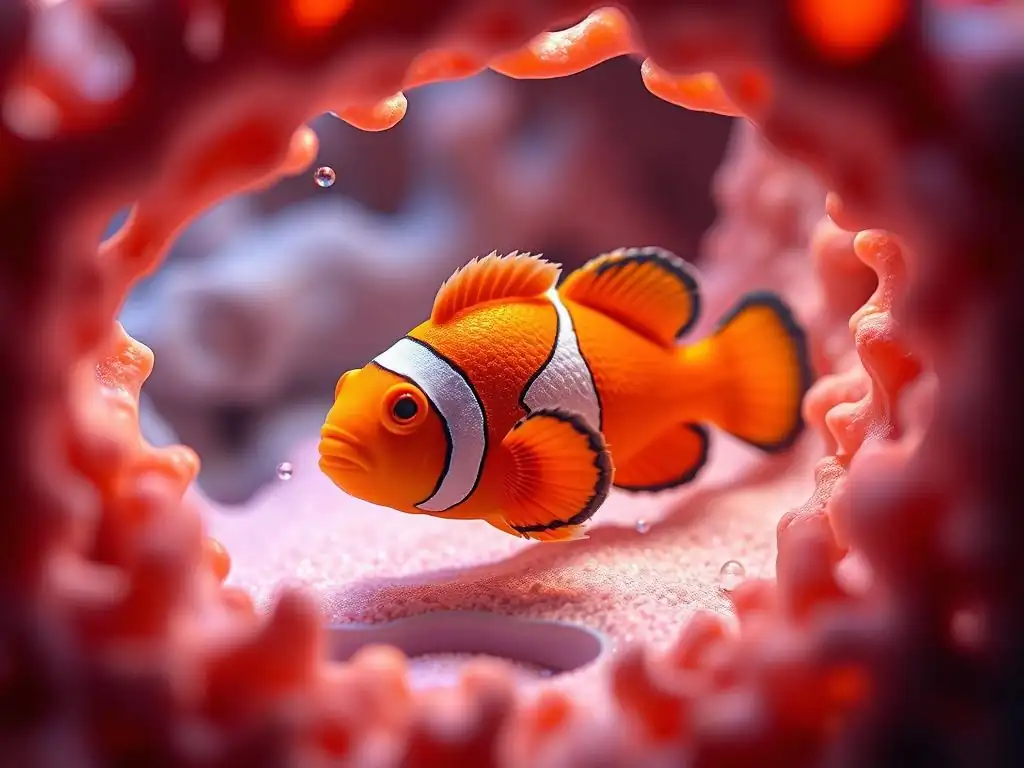
While not a universal requirement for all blenny species, some aquarists have reported that supplemental lighting can play a role in enhancing egg development or even triggering spawning. Maintaining a consistent 12-hour on/12-hour off light cycle for the main tank is standard practice and mimics natural daylight rhythms, which can encourage spawning behavior in many marine species. For eggs that have been transferred to a dedicated rearing container, a low-intensity LED light can be beneficial.
This gentle illumination, applied for the same 12-hour cycle, can aid in observing the eggs' development, allowing the aquarist to monitor for fungal growth or changes in opacity. Furthermore, if any beneficial microalgae or protozoa are present in the rearing water, the light can promote their growth, potentially serving as an additional, albeit minor, food source for newly hatched larvae or helping to maintain water quality through photosynthesis. However, excessive light intensity should be avoided as it can stress delicate eggs and fry.
Employing Water Flow Techniques to Aid Larval Dispersal
Strategic water flow is a subtle yet important factor in spawning nano blennies difficult scenarios, particularly concerning larval dispersal. In the main display tank, if eggs are left to hatch in situ, a very gentle, indirect water flow near the spawning site can help disperse newly hatched pelagic larvae into the water column, away from potential predators (including the parents themselves, once the male's guarding instinct subsides) and into areas where they can be collected for a rearing tank. This prevents them from simply settling at the bottom where they are more vulnerable.
In a dedicated larval rearing tank, establishing a gentle gyre flow is crucial for pelagic blenny fry. This can be achieved using a small air stone placed strategically or a very small powerhead directed at the tank wall. The aim is to create a slow, circular current that keeps the tiny fry and their food suspended in the water column, preventing them from settling on the bottom where they can starve or become trapped in detritus. The flow rate must be incredibly gentle to avoid exhausting or physically harming the delicate larvae.
The Importance of a Stable and Mature Reef Ecosystem
A stable and mature reef ecosystem is perhaps one of the most underrated factors in encouraging successful blenny breeding, especially when spawning nano blennies difficult is the perceived challenge. A tank that has been established for at least 6-12 months typically possesses robust biological filtration, stable water chemistry, and a diverse microfauna, including copepods and other tiny invertebrates that can serve as an initial, albeit insufficient, food source for newly hatched larvae. This established environment reduces stress on the breeding pair, making them more likely to spawn.
A mature tank also provides a more consistent environment for egg development. Fluctuations in parameters, common in newly set up nano tanks, can lead to infertile eggs or developmental arrests. The presence of beneficial bacteria and micro-organisms in a mature system also contributes to overall water quality and resilience. Therefore, patience in allowing a nano reef to fully mature before attempting blenny breeding significantly increases the chances of success.
Documenting Your Blenny Breeding Journey
Keeping Records of Spawning Events and Fry Development
Thorough documentation is an invaluable tool for any serious aquarist attempting to breed marine fish, particularly when spawning nano blennies difficult is the goal. Maintaining a detailed logbook allows for systematic tracking of all aspects of the breeding process. Record dates of spawning events, estimated number of eggs, hatching dates, and any observed courtship or parental care behaviors. Document water parameters (temperature, salinity, pH, alkalinity, nitrates) daily, especially around spawning and hatching times.
Beyond the adults, meticulously record the development of the fry: their size at hatching, the exact time of first feeding, types and quantities of live food offered, and daily mortality rates. Note any changes in larval appearance or behavior. For example: "Day 3 post-hatch: Larvae 2.5mm, actively hunting rotifers, slight green tinge observed from phytoplankton consumption." This detailed data allows for troubleshooting, identifying patterns, and refining techniques for future spawning attempts, transforming each trial into a learning experience.
Sharing your blenny breeding journey, whether it results in success or failure, is a crucial contribution to the broader aquarium community. Documenting your process, including challenges faced and solutions attempted, provides invaluable data points for other aquarists who are also attempting to breed spawning nano blennies difficult species. Online forums, dedicated breeding groups, and personal blogs are excellent platforms for sharing insights, photos, and videos of your progress.
By openly discussing your methods, including live food culturing techniques, larval rearing setups, and specific parameters, you help advance the collective knowledge of marine fish aquaculture. Even unsuccessful attempts offer vital lessons on what not to do, saving others time and resources. This collaborative approach fosters innovation and ultimately contributes to the sustainability of the marine aquarium hobby by increasing the availability of captive-bred fish.
Conclusion: The Feasibility of Spawning Nano Blennies
Is Blenny Reproduction in Nano Reefs Achievable?
The perception that spawning nano blennies difficult is a universal truth holds some merit due to the specialized requirements for larval rearing and the limitations of small tank volumes. However, with dedication, meticulous planning, and a deep understanding of the species' needs, blenny reproduction in nano reefs is indeed achievable. It demands a commitment beyond typical display tank maintenance, particularly in culturing live microscopic foods and maintaining incredibly stable, pristine water quality for the delicate fry.
Success often comes after multiple attempts, as aquarists learn to fine-tune environmental parameters, feeding regimens, and collection techniques. The initial hurdles of pairing, encouraging spawning, and navigating the incredibly fragile larval stage are significant. Yet, for those willing to invest the time and effort into setting up dedicated breeding and larval rearing systems, the biological intricacies of blenny reproduction can be observed and even controlled within the confines of a smaller aquarium.
The Rewards of Successfully Breeding Blennies
Successfully breeding blennies, especially in a nano reef environment, is an immensely rewarding accomplishment that extends far beyond simply producing new fish. It offers the profound satisfaction of witnessing the entire life cycle of these charismatic marine creatures, from courtship and egg deposition to the transformation of microscopic larvae into recognizable juvenile fish. This intimate observation deepens an aquarist's connection to the marine world and hones their husbandry skills to an exceptional level.
Furthermore, each successful spawn contributes meaningfully to the advancement of captive breeding within the marine aquarium hobby. By propagating species like blennies, which are less commonly bred than, for example, clownfish, aquarists help to reduce the demand for wild-caught specimens, promoting more sustainable practices. The knowledge gained from overcoming the challenges of spawning nano blennies difficult also enriches the entire community, providing invaluable insights that can lead to broader success for these fascinating and often overlooked reef inhabitants.
Frequently Asked Questions
Can you actually breed blennies in a nano aquarium?
Yes, it is possible, but it's considered difficult due to the small size and demanding water parameters. Success often hinges on careful planning and diligent execution.
What are the key challenges to spawning nano blennies in a small tank?
The biggest hurdles are maintaining stable water quality, providing appropriate hiding places for spawning, and ensuring sufficient food for both parents and fry.
What specific water parameters are crucial for successful blenny spawning?
Maintaining ideal salinity, temperature, pH, and especially low nitrate and phosphate levels is critical. Regular water changes are essential for stability.
What type of environment encourages blenny spawning in a nano aquarium?
A tank with plenty of live rock, creating caves and crevices for hiding and laying eggs, is essential. Also, a low-stress environment is key.
What do blenny fry eat, and how can I provide it in a nano aquarium?
Blenny fry typically require tiny live foods like rotifers or newly hatched brine shrimp. Culturing these foods can be challenging, but essential for fry survival in a nano setup.
Final Reflection: The Tiny Triumph of Nano-Blennies
The journey we've explored in breeding blennies, particularly within the confines of a nano aquarium, highlights a crucial point: dedication and informed effort can overcome perceived limitations. While the question "Is spawning nano blennies difficult?" might initially seem daunting, the insights shared demonstrate that success is attainable with the right knowledge and commitment. This resonates far beyond the aquarium hobby, reminding us that innovation often thrives in the face of constraints.
This pursuit of breeding these miniature marvels has profoundly influenced the reef-keeping community, fostering a deeper appreciation for the intricacies of marine life and the potential for sustainable practices. Witnessing these tiny creatures thrive and reproduce in a controlled environment underscores our responsibility as stewards of the ocean's biodiversity. The greatest threat to our planet is the belief that someone else will save it.
This quote, often attributed to Robert Swan, serves as a potent reminder that every individual effort, no matter how small, contributes to a larger movement of conservation and responsible aquarium keeping.
Now, as you consider the possibilities within your own nano aquarium, I invite you to reflect on the lessons learned. Embrace the challenge, delve into the research, and cultivate an environment where even the most delicate life can flourish. The success in spawning nano blennies is not just about breeding fish; it's about nurturing a deeper understanding of the natural world and inspiring others to pursue their own seemingly impossible dreams. What tiny triumph will you cultivate next?
Ignite Your Reef: Nurture a Blenny Family!
Thank you for diving deep into the world of Blenny breeding! We hope you've found valuable insights to enhance your aquarium journey. Ready to take your reef to the next level?
Here are a few steps you can take now:
- Start planning your Blenny breeding setup: Research compatible Blenny species and begin designing your specialized breeding tank.
- Explore advanced reef keeping techniques: Dive deeper into water parameter optimization and specialized feeding strategies for optimal breeding success.
- Share your newfound knowledge:Inspire other reef enthusiasts by discussing your plans and insights on aquarium forums.
What's the first step you'll take towards creating your Blenny breeding paradise?