
Goby vs. Goby: Understanding & Managing Territoriality in Nano Aquariums

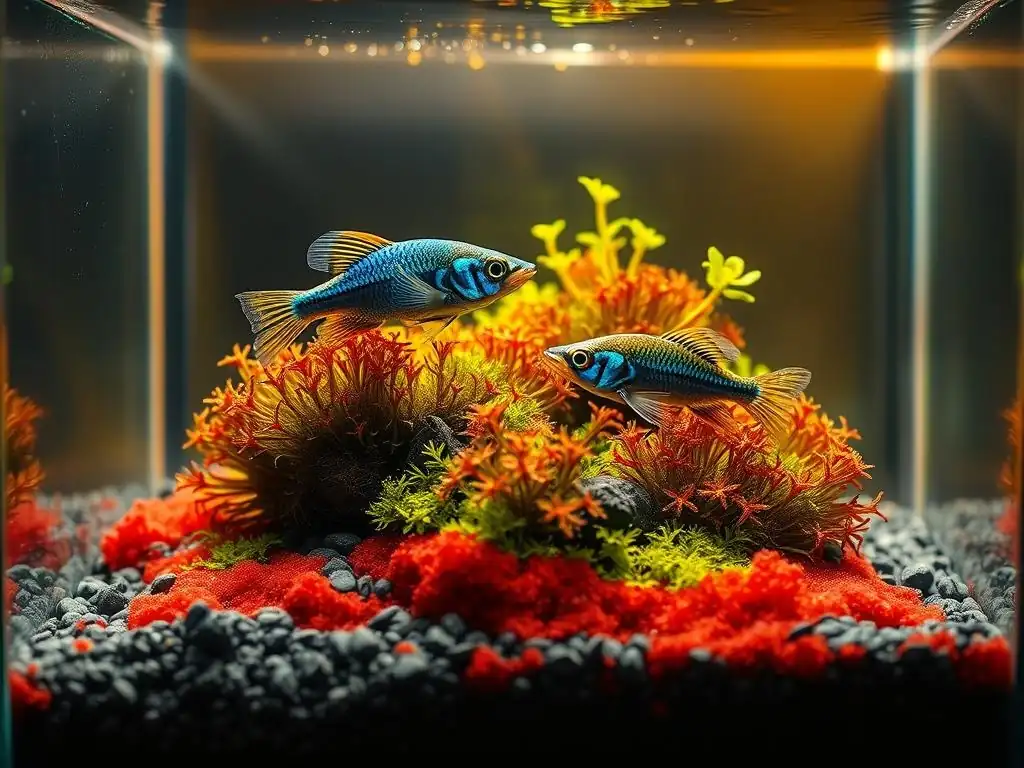
Welcome to Aquarium Mastery!
Ever wondered if that adorable nano goby you're eyeing will play nice with its tankmates? Dive into our latest article, "Goby vs. Goby: Understanding & Managing Territoriality in Nano Aquariums," where we unravel the secrets to keeping the peace in your miniature saltwater world. Discover the surprising behaviors of these tiny titans and learn how to create a harmonious environment for your finned friends! Ready to become a nano aquarium goby territoriality expert? Let's get started!
- Introduction: The Territorial Challenges of Gobies in Small Reef Tanks
- Identifying Territorial Goby Species for Nano Reefs
- Understanding Goby Behavior and Territoriality
- Preventing and Managing Goby Territoriality in Nano Reefs
- Choosing Compatible Tank Mates for Gobies in Nano Aquariums
- Diet and Feeding Strategies to Reduce Competition
- Monitoring and Maintaining a Peaceful Nano Reef Environment
- Conclusion: Creating a Harmonious Nano Reef Goby Community
-
Frequently Asked Questions
- What exactly is territoriality in the context of nano aquarium gobies?
- Why is territoriality a bigger issue in nano aquariums compared to larger tanks?
- Which species of gobies are known to be particularly territorial in nano aquariums?
- How can I reduce territorial aggression between gobies in my nano aquarium?
- What are the potential consequences of ignoring territorial issues in a nano aquarium with gobies?
- Final Reflection: Navigating Tiny Kingdoms
- Unleash the Harmony: Master Your Nano Goby Realm!
Introduction: The Territorial Challenges of Gobies in Small Reef Tanks
Why Goby Territoriality Matters in Nano Reef Aquariums
The compact nature of nano reef aquariums, typically ranging from 5 to 30 gallons, amplifies the challenges posed by fish territoriality. When it comes to gobies, species often prized for their small size and unique behaviors, their natural instinct to defend a patch of sand or a rock crevice can quickly escalate into serious conflict within a confined space. This heightened Nano aquarium goby territoriality can lead to chronic stress for all inhabitants, manifesting as fin nipping, refusal to eat, and increased susceptibility to disease.
In a larger aquarium, a weaker fish might simply retreat to a distant corner, but in a nano tank, escape routes are severely limited. This constant proximity can result in persistent harassment, leading to exhaustion, physical injuries, and even the eventual death of the submissive fish. Understanding and proactively managing Nano aquarium goby territoriality is therefore not just about preventing fights; it's crucial for the long-term health and stability of the entire miniature reef ecosystem.
Understanding the Appeal of Gobies for Small Aquariums
Gobies hold a unique appeal for nano reef aquarists, primarily due to their typically small adult sizes and fascinating behaviors. Many species, such as the Neon Goby ( Elacatinus oceanops) or the Yellow Watchman Goby ( Cryptocentrus cinctus), remain under 3 inches in length, making them ideal candidates for tanks where space is a premium. Their diverse personalities, from the sand-sifting activities of Diamond Watchman Gobies to the perching habits of Clown Gobies ( Gobiodon species), add dynamic and engaging elements to a small reef.
Beyond their size and behavior, gobies often exhibit striking color patterns and can form symbiotic relationships with pistol shrimp, creating a captivating display. This combination of manageable size, interesting habits, and often vibrant coloration makes them a top choice for aquarists looking to populate a nano reef without overcrowding. Despite the inherent challenges of Nano aquarium goby territoriality, their overall suitability for smaller volumes makes them a staple in the hobby.
Identifying Territorial Goby Species for Nano Reefs
Common Aggressive Goby Species in Nano Aquariums
While many gobies are known for their generally peaceful demeanor, certain species or genera are more prone to exhibiting significant territorial aggression, particularly towards conspecifics or similar-looking fish in nano environments. For instance, the Diamond Watchman Goby ( Valenciennea puellaris), while excellent for sand sifting, can become highly territorial, especially if housed with another sand sifting goby or in tanks smaller than 30 gallons. Their aggression often manifests as chasing and flaring.
Another example includes some species from the Stonogobiops genus, like the Candy Cane Goby ( Stonogobiops yasha), which, despite their small size, can be fiercely territorial towards other gobies if not introduced as a bonded pair into a sufficiently spacious nano aquarium (e.g., 20 gallons or more for a pair). Similarly, certain Gobiodon (Clown Goby) species, though tiny, will aggressively defend their preferred coral perching spot, sometimes nipping at fish that venture too close. This inherent Nano aquarium goby territoriality necessitates careful species selection.
Peaceful Goby Options Suitable for Nano Reef Environments
For aquarists seeking to minimize Nano aquarium goby territoriality issues, several peaceful goby species are excellent choices for smaller tanks. The Neon Goby ( Elacatinus oceanops) is a prime example, reaching only about 1.5 to 2 inches and being notably non-aggressive towards other fish, though they may establish a small individual territory if multiple are present in a very small tank (e.g., 5-gallon). They are often kept in small groups in tanks 10 gallons and larger.
Other highly recommended peaceful gobies include various Trimma species, such as the Trimma Goby ( Trimma cana), which typically stay under 1.5 inches and are known for their docile nature. They can often be kept in small groups in tanks as small as 10-15 gallons, provided ample hiding spots are available. The Tailspot Blenny ( Salarias fasciatus), while technically a blenny, is often considered alongside gobies for nano tanks due to its similar size and peaceful, perching behavior, making it a safe addition that rarely contributes to Nano aquarium goby territoriality disputes.
Understanding Goby Behavior and Territoriality
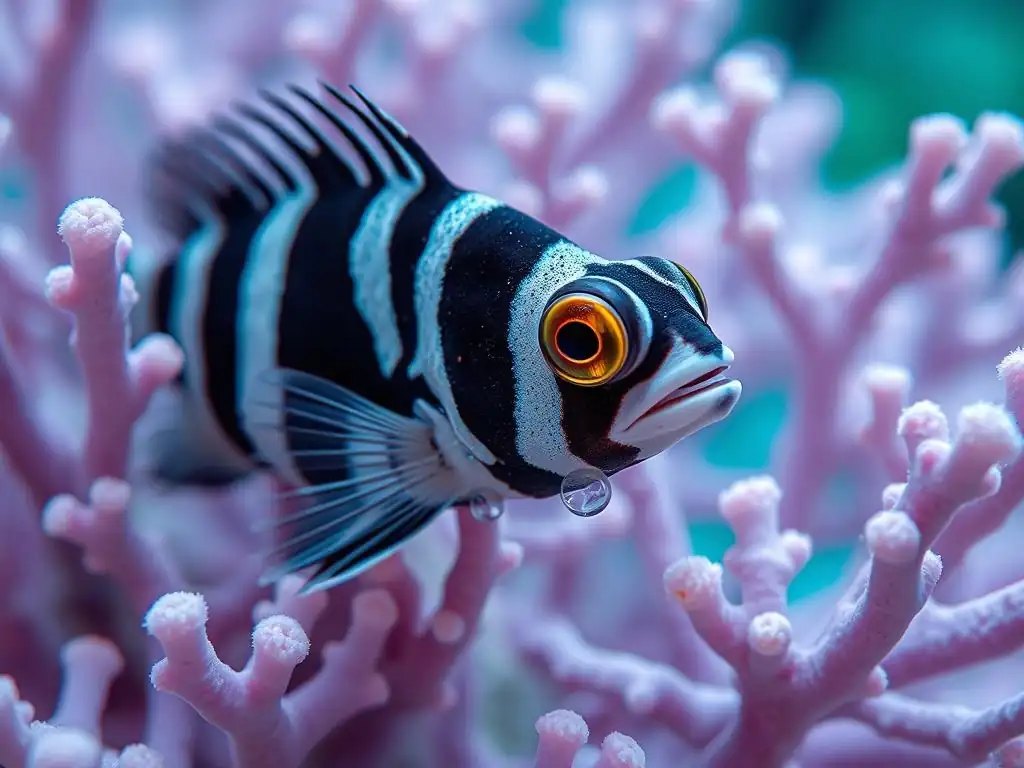
Defining Goby Territoriality: What to Look For
Goby territoriality is essentially the defense of a specific area, whether it's a burrow, a rock crevice, or a patch of sand, from perceived intruders. This behavior is driven by instincts related to securing resources like food, shelter, and breeding opportunities. In the confined space of a nano aquarium, these territorial instincts can become highly problematic. Common signs of Nano aquarium goby territoriality include fin flaring, where the fish spreads its fins to appear larger and more intimidating, and active chasing of other fish away from their chosen spot.
Beyond these obvious displays, more subtle indicators of territorial stress can be observed. These include constant vigilance, where the goby remains agitated and frequently scans its surroundings for rivals, or the development of faded colors due to chronic stress. In severe cases, physical nips or torn fins may be visible on the submissive fish. Recognizing these behaviors early is crucial for managing Nano aquarium goby territoriality before it escalates into serious harm.
Factors Influencing Aggression in Nano Goby Species
Several factors can significantly influence the level of aggression exhibited by gobies in a nano aquarium. One primary factor is the presence of conspecifics (same species) or very similar-looking species, as gobies are most likely to view these as direct competitors for resources. For instance, two Stonogobiops species, even if different, might clash more readily than a Stonogobiops and a Trimma goby. The sex of the gobies also plays a role, with breeding pairs often becoming more territorial, especially around a nesting site.
Resource scarcity, whether it's insufficient hiding spots, limited food, or inadequate space for individual territories, is another major contributor to Nano aquarium goby territoriality. A tank that is too small for the number or type of gobies housed within it will inevitably lead to increased friction. Furthermore, the introduction order of fish can impact aggression; a goby introduced first will often establish a dominant territory, making it harder for subsequent additions to find their own space without conflict.
The Role of Tank Size in Goby Territorial Disputes
Tank size is arguably the most critical factor in mitigating Nano aquarium goby territoriality. In a larger aquarium, say 50 gallons or more, individual gobies have ample room to establish distinct territories far from their neighbors, minimizing direct conflict. However, in a nano aquarium, typically under 30 gallons, the available real estate is drastically reduced. A 10-gallon tank, for instance, offers only about 20 inches in length for fish to traverse, making it nearly impossible for two territorial gobies to avoid each other.
For a single territorial goby like a Diamond Watchman, a minimum of 15-20 gallons is often recommended to provide sufficient sandbed and swimming space. Attempting to house two such gobies, even if they are different species with similar needs, in a tank under 30 gallons is highly likely to result in severe Nano aquarium goby territoriality disputes. The limited volume directly translates to a higher frequency of encounters and a reduced ability for submissive fish to escape aggression, making proper tank sizing paramount.
Preventing and Managing Goby Territoriality in Nano Reefs
Choosing the Right Tank Size for Multiple Gobies
Selecting an appropriately sized tank is the foundational step in preventing Nano aquarium goby territoriality from becoming a major issue. While a single small, peaceful goby like a Neon Goby might thrive in a 5-gallon pico tank, housing multiple gobies or more territorial species demands significantly more space. For instance, if you plan to keep a bonded pair of symbiotic gobies (e.g., Cryptocentrus cinctus and Alpheus bellulus), a tank of at least 20 gallons is often recommended to provide enough territory for the pair and for the shrimp's burrow system.
Attempting to house two different species of territorial gobies, even if they are generally peaceful, in a tank smaller than 30 gallons is often ill-advised. For example, trying to keep a Diamond Watchman Goby and a Yellow Watchman Goby together in a 20-gallon tank will almost certainly lead to Nano aquarium goby territoriality conflicts over sand sifting areas. A general guideline is to add at least 10-15 gallons per additional territorial goby, ensuring that each fish has enough personal space to establish a secure territory without encroaching on others.
Effective Tank Aquascaping to Minimize Aggression
Thoughtful aquascaping is a powerful tool in mitigating Nano aquarium goby territoriality by physically structuring the environment to reduce direct conflict. The goal is to create a complex landscape that offers multiple visual barriers, hiding spots, and distinct territories. Simply stacking rocks without purpose can exacerbate issues by creating open areas where dominant fish can easily spot and chase others.
Creating Visual Barriers and Hiding Places for Gobies
Visual barriers are crucial for breaking up lines of sight, preventing a dominant goby from continuously spotting and harassing a submissive one. This can be achieved by using taller rock structures, branching corals, or even strategically placed macroalgae. For instance, incorporating a large, porous piece of live rock with several small caves and tunnels can provide multiple secure retreats for different gobies. Each goby should ideally have at least one or two secure, private hiding spots that it can claim as its own sanctuary, reducing the stress associated with constant exposure.
Beyond simple hiding spots, consider creating distinct "neighborhoods" within the tank. For a 20-gallon nano, this might involve two separate rock islands with open sand space in between, allowing different gobies to claim a specific rock structure without directly conflicting over the central sandbed. This approach directly addresses Nano aquarium goby territoriality by giving each fish a sense of security and ownership over a defined area.
Optimizing Rockwork for Territory Division
Optimizing rockwork specifically for territory division involves more than just creating hiding spots; it's about designing a functional landscape. Build multi-tiered structures with overhangs, small caves, and narrow passages that only smaller gobies can access. For example, creating a labyrinthine structure with several entry and exit points can provide multiple options for escape and retreat, preventing a single goby from cornering another.
Consider the natural behaviors of your chosen goby species. Sand-sifting gobies will require ample open sandbed, so ensure the rockwork doesn't cover the entire substrate. Perching gobies, like Clown Gobies, will appreciate elevated perches on the rockwork or within coral branches. By catering to these specific needs while simultaneously creating distinct zones, you can significantly reduce Nano aquarium goby territoriality and foster a more harmonious environment.
Introducing Gobies to the Nano Aquarium: Best Practices
The method of introducing new gobies to an existing nano aquarium, or even introducing multiple gobies simultaneously, can dramatically impact the success of preventing Nano aquarium goby territoriality issues. Rushing the process or failing to prepare the environment can lead to immediate and prolonged aggression.
Quarantining New Gobies Before Introduction
Quarantining new gobies in a separate tank for at least 2-4 weeks before introducing them to the main nano aquarium is a non-negotiable best practice. This isolation period allows you to observe the new fish for signs of disease, parasites, or stress without risking the health of your established inhabitants. During quarantine, the goby can acclimate to captive feeding and recover from the stress of transit, ensuring it enters the display tank in optimal health.
Beyond health benefits, quarantine also prevents the immediate establishment of a dominant territory by the new fish. By introducing a healthy, unstressed goby, it is better equipped to integrate into the existing community and find its own niche without immediately challenging established residents, thereby reducing the likelihood of severe Nano aquarium goby territoriality conflicts.
Gradual Acclimation to Reduce Stress
Once quarantined, gradual acclimation to the display tank's water parameters is crucial. Drip acclimation over a period of 30-60 minutes is generally recommended for marine fish to slowly adjust to differences in salinity, temperature, and pH. This minimizes the physiological shock that can weaken a fish and make it more susceptible to aggression from existing tank mates.
A stressed fish is also more likely to behave erratically or defensively, potentially provoking the territorial instincts of other gobies. By ensuring a smooth and stress-free transition, you give the new goby the best chance to settle in peacefully and find its own space, thereby reducing the potential for Nano aquarium goby territoriality disputes right from the start.
Introducing Multiple Gobies Simultaneously
When planning to keep multiple gobies, especially conspecifics or species known to exhibit Nano aquarium goby territoriality, introducing them simultaneously can often be more successful than staggered introductions. If one goby is introduced first, it will inevitably establish a dominant territory, making it very difficult for subsequent additions to find their own space without conflict.
Introducing them at the same time, ideally after a period of quarantine, forces them to establish their territories concurrently. This can dilute the aggression, as no single fish has a "home advantage" to defend. For example, if adding a pair of symbiotic gobies, introduce both the goby and its pistol shrimp partner at the same time so they can immediately begin establishing their shared burrow and territory.
Managing Existing Goby Aggression: Solutions and Strategies
Even with the best preventative measures, Nano aquarium goby territoriality can sometimes flare up. When it does, several strategies can be employed to de-escalate the situation and restore peace to the nano reef.
Re-arranging the Aquascape to Disrupt Established Territories
One of the most effective ways to manage existing Nano aquarium goby territoriality is to completely re-arrange the tank's aquascape. This strategy works by disrupting the established territories and hiding spots that the aggressive goby has claimed. By changing the landscape, the dominant fish loses its familiar landmarks and has to re-establish its territory, which can temporarily reduce its aggression.
When re-aquascaping, ensure you create new visual barriers and multiple new hiding spots. For instance, if a goby is dominating a specific rock, move that rock or add new structures around it to break up its line of sight. This "reset" can give the submissive fish a chance to find a new, secure area away from the aggressor, often leading to a significant reduction in conflict.
Using a Tank Divider as a Temporary Solution
In cases of severe and persistent Nano aquarium goby territoriality where re-aquascaping isn't enough, a tank divider can serve as a temporary, albeit less ideal, solution. A clear, perforated divider can physically separate the aggressive goby from the submissive one, allowing both fish to see each other but preventing physical interaction. This gives the submissive fish a much-needed break from constant harassment, allowing it to de-stress and recover.
This strategy should only be used as a short-term measure, typically for a few days to a week. The goal is to allow the submissive fish to regain strength and for the aggressive goby to potentially "forget" its established dominance. After removal, closely monitor the gobies for signs of renewed Nano aquarium goby territoriality. If aggression resumes, more permanent solutions may be necessary.
Considering Rehoming an Aggressive Goby
If all other management strategies fail to resolve severe Nano aquarium goby territoriality, the most humane and responsible course of action is to rehome the aggressive goby. Persistent aggression will lead to chronic stress, poor health, and potentially the death of the submissive fish, and can also negatively impact other tank inhabitants. It's important to recognize when a specific fish's temperament is simply incompatible with the confines of a nano aquarium.
Rehoming can involve selling the fish to another hobbyist with a larger tank, donating it to a local fish store or public aquarium, or finding it a new home through online forums. While rehoming can be disappointing, it ensures the well-being of all your aquarium inhabitants and maintains a peaceful and thriving nano reef environment.
Choosing Compatible Tank Mates for Gobies in Nano Aquariums
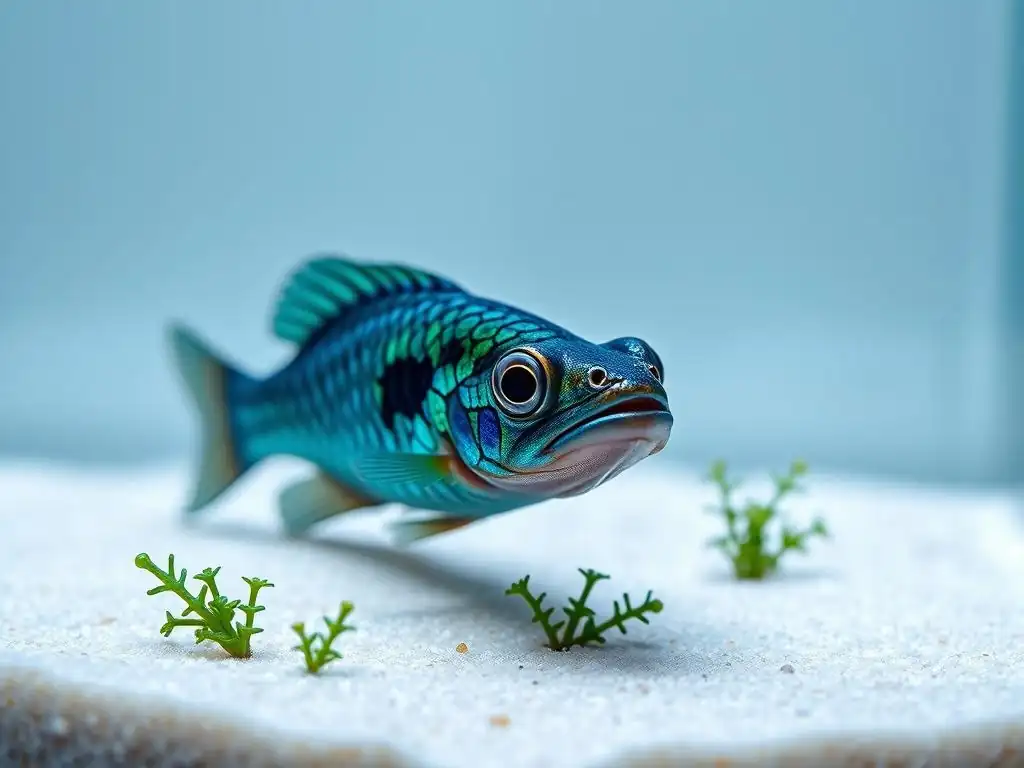
Invertebrates as Goby Tank Mates: Compatibility Considerations
When selecting tank mates for gobies in a nano aquarium, invertebrates are often excellent choices that generally do not contribute to Nano aquarium goby territoriality. Many gobies are naturally co-existing with various inverts in the wild. For instance, cleaner shrimp ( Lysmata species) are typically ignored by most gobies and can even provide cleaning services. Snails and hermit crabs are also usually safe, as gobies rarely view them as competition.
However, caution is advised with very small ornamental shrimp or specific types of crabs, as some larger gobies might view them as food. For example, a moderately sized Diamond Watchman Goby might accidentally disturb or even consume a very tiny Palaemonetes shrimp. Always research the specific goby species' diet and temperament before adding delicate invertebrates. Pistol shrimp are a special case; they form symbiotic relationships with specific gobies and should only be paired with their intended goby partner.
Avoiding Aggressive or Bullying Tank Mates
To minimize stress and prevent Nano aquarium goby territoriality from escalating, it's crucial to avoid tank mates that are naturally aggressive or known bullies. Fish such as many damselfish (e.g., Domino Damsels), certain dottybacks (e.g., Orchid Dottybacks, while sometimes considered, can be territorial), or even some larger wrasses can quickly intimidate and stress out a small goby in a confined nano space. Their constant harassment can turn a generally peaceful goby into a stressed, defensive one.
Even if the other fish aren't directly aggressive towards the goby, their sheer size or active swimming patterns can create an environment of constant perceived threat. This chronic stress can lead to a weakened immune system in the goby, making it more susceptible to disease. Always prioritize docile, community-oriented fish that won't compete for the same niche as your gobies or overwhelm them with their presence.
Suitable Fish Tank Mates for Peaceful Nano Gobies
For peaceful nano gobies, selecting compatible fish tank mates is about finding species that occupy different niches and have calm temperaments. Small, peaceful blennies, such as the Tailspot Blenny ( Salarias fasciatus), are often excellent choices as they are primarily herbivorous and spend their time perching, rarely interacting with sand-dwelling gobies. Similarly, small, docile cardinalfish like the Banggai Cardinalfish ( Pterapogon kauderni) can be suitable for larger nano tanks (20+ gallons), as they are slow-moving and tend to stay in the water column.
Another option for slightly larger nano tanks (20-30 gallons) includes single, peaceful clownfish like the Ocellaris Clownfish ( Amphiprion ocellaris), provided no host anemone is present that could consume the goby. These fish typically occupy the upper and middle water columns, leaving the sandbed and rock crevices primarily to the gobies. The key is to choose tank mates that complement, rather than compete with, the goby's natural behaviors and space requirements, thereby minimizing any potential Nano aquarium goby territoriality issues.
Diet and Feeding Strategies to Reduce Competition
Ensuring Adequate Food for All Gobies
In a multi-goby nano aquarium, ensuring that all inhabitants receive sufficient food is paramount to preventing Nano aquarium goby territoriality driven by resource competition. Underfed fish are more likely to become stressed and aggressive, fighting over limited food sources. It's not enough to simply drop food into the tank; you must observe to ensure every goby gets its share, especially the more timid or submissive ones.
For instance, if you have sand-sifting gobies, ensure there's enough small, sinking pellet or granular food that reaches the substrate. For perching gobies, target feeding with a pipette or providing food that stays suspended longer might be necessary. A common issue is that faster, more assertive fish will consume the majority of the food before slower gobies can access it. Feeding smaller amounts more frequently (e.g., 2-3 times a day) can help distribute food more evenly and reduce competitive Nano aquarium goby territoriality.
Targeted Feeding Techniques to Minimize Aggression
Targeted feeding is an invaluable technique for ensuring that all gobies, especially those prone to being outcompeted, receive adequate nutrition without escalating Nano aquarium goby territoriality. Using a turkey baster or a long pipette, you can direct food directly to a specific goby's territory or hiding spot. This is particularly useful for shy species or those that are being bullied by more dominant tank mates.
For example, if you have a pair of symbiotic gobies, you can gently squirt mysis shrimp or enriched brine shrimp near their burrow entrance, allowing them to feed without venturing into open water where they might encounter an aggressive neighbor. This not only ensures they are well-fed but also reinforces their sense of security within their claimed territory, reducing the likelihood of them venturing out and provoking Nano aquarium goby territoriality from others due to foraging.
The Importance of a Varied Diet for Goby Health and Behavior
A varied and nutritious diet is fundamental not only for the physical health of gobies but also for their overall behavior, including the reduction of Nano aquarium goby territoriality. A diet rich in essential vitamins, minerals, and fatty acids supports a strong immune system and proper physiological function, leading to healthier, less stressed fish. A stressed or malnourished fish is more likely to exhibit aggressive or erratic behavior.
Offer a mix of high-quality frozen foods (e.g., mysis shrimp, brine shrimp, copepods), small sinking pellets, and occasionally live foods. Different goby species have varying dietary needs; for example, some might prefer meaty foods, while others are more detritivores. Understanding these specific requirements and providing a diverse diet helps ensure all nutritional bases are covered, contributing to overall well-being and a more peaceful tank environment by reducing stress-induced Nano aquarium goby territoriality.
Monitoring and Maintaining a Peaceful Nano Reef Environment
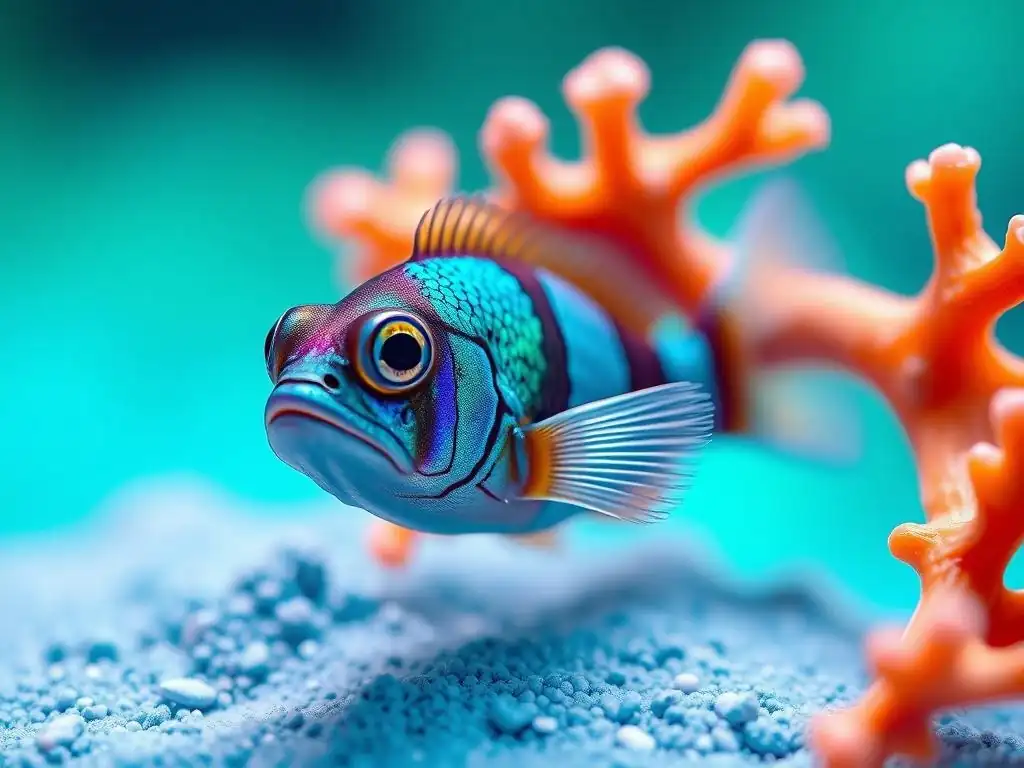
Regular Observation of Goby Behavior
Consistent and diligent observation of your gobies' behavior is the cornerstone of maintaining a peaceful nano reef and effectively managing Nano aquarium goby territoriality. Dedicate a few minutes each day to simply watch your fish, paying close attention to their interactions. Look for subtle signs of aggression like chasing, flaring, or nipping, as well as signs of stress in submissive fish, such as hiding excessively, faded colors, or rapid breathing.
Documenting observations, even mentally, can help you identify patterns. For example, does aggression typically occur around feeding time? Or is it localized to a specific rock structure? Early detection of Nano aquarium goby territoriality allows for timely intervention, such as adjusting feeding methods, re-aquascaping, or in severe cases, considering rehoming, before the situation escalates to serious harm.
Water Quality Parameters and Their Impact on Goby Aggression
Stable and optimal water quality parameters are absolutely critical for the health and temperament of all marine fish, including gobies. Poor water quality can be a significant stressor, leading to weakened immune systems, increased susceptibility to disease, and heightened aggression, thereby exacerbating Nano aquarium goby territoriality. Fluctuations in temperature, salinity, pH, or elevated ammonia/nitrite levels can make fish irritable and prone to conflict.
Regularly test your water parameters (at least weekly for nano tanks) and maintain them within the recommended ranges for a reef environment:
- Temperature: 75-82°F (24-28°C)
- Salinity: 1.023-1.026 specific gravity
- pH: 8.1-8.4
- Ammonia/Nitrite: 0 ppm
- Nitrate: <10-20 ppm
- Alkalinity: 7-12 dKH
- Calcium: 400-450 ppm
- Magnesium: 1250-1350 ppm
Consistent water changes (e.g., 10-20% weekly) are essential for keeping these parameters stable and dilute pollutants, contributing to a less stressful environment where Nano aquarium goby territoriality is less likely to flare up due to environmental factors.
Identifying and Addressing Signs of Stress in Gobies
Recognizing the signs of stress in gobies is crucial for intervening before Nano aquarium goby territoriality takes a severe toll. Beyond visible physical injuries like torn fins or body nips, stressed gobies may exhibit behavioral changes. These include prolonged hiding, refusal to eat, rapid or labored breathing, faded coloration, or erratic swimming patterns. A goby that is constantly being chased or bullied will often appear lethargic or withdrawn.
Upon identifying these signs, immediate action is necessary. This could involve isolating the aggressive fish (if identified), re-arranging the aquascape, increasing hiding spots, or ensuring the submissive fish is receiving adequate food through targeted feeding. If stress persists despite these measures, consider temporary separation using a tank divider or, as a last resort, rehoming one of the gobies to preserve the health and well-being of your entire nano reef community.
Conclusion: Creating a Harmonious Nano Reef Goby Community
Key Takeaways for Managing Goby Territoriality
Successfully managing Nano aquarium goby territoriality hinges on a multi-faceted approach that prioritizes prevention, careful planning, and diligent observation. The core principles involve selecting appropriately sized tanks and compatible species, particularly avoiding multiple highly territorial gobies in small volumes. For instance, a 15-gallon tank might comfortably house one peaceful goby, but two could lead to constant conflict.
Strategic aquascaping, creating numerous visual barriers and distinct territories, is also vital to reduce direct confrontation. Proper introduction techniques, including quarantine and simultaneous additions when appropriate, minimize initial stress and aggression. Finally, consistent monitoring of behavior, maintaining pristine water quality, and ensuring adequate, targeted feeding are ongoing responsibilities that contribute to a peaceful and thriving Nano aquarium goby territoriality-free environment.
Further Resources for Nano Reef Aquarium Keeping
For those looking to delve deeper into the intricacies of nano reef aquarium keeping and further refine their understanding of Nano aquarium goby territoriality and overall fish health, a wealth of resources is available. Online forums dedicated to reef aquariums, such as Reef2Reef or Nano-Reef.com, provide platforms for asking specific questions, sharing experiences, and learning from experienced hobbyists. These communities often have detailed threads on goby species compatibility and territorial management.
Additionally, reputable books and scientific articles on marine fish behavior and nano reef husbandry offer in-depth knowledge beyond general guidelines. Visiting local fish stores with knowledgeable staff can also provide practical advice and allow you to see various goby species in person. Continuous learning and adaptation are key to creating and maintaining a harmonious and vibrant nano reef goby community.
Frequently Asked Questions
What exactly is territoriality in the context of nano aquarium gobies?
Territoriality, in this context, refers to a goby's defense of a specific area within the nano aquarium. This behavior is often driven by the need to secure resources like food and shelter, and to establish dominance.
Why is territoriality a bigger issue in nano aquariums compared to larger tanks?
Nano aquariums offer limited space, leading to increased competition. This can result in heightened aggression between gobies as they vie for control over scarce resources within the small confines.
Which species of gobies are known to be particularly territorial in nano aquariums?
Certain goby species, such as some shrimp gobies and clown gobies, can exhibit strong territorial tendencies even in nano tanks. Thorough research before introducing any goby is crucial for compatibility.
How can I reduce territorial aggression between gobies in my nano aquarium?
Several strategies can help, including providing ample hiding places, using visual barriers to break up the line of sight, and ensuring sufficient food resources are available.
What are the potential consequences of ignoring territorial issues in a nano aquarium with gobies?
Ignoring territorial aggression can lead to stress, injury, or even death of the weaker goby. It can also negatively impact the overall health and stability of your nano aquarium ecosystem.
The intricacies of territoriality, so vividly displayed within the confines of a nano aquarium, are not merely a biological curiosity; they offer a powerful microcosm of the complex dynamics of space and resource management that resonate far beyond the glass walls. Understanding the delicate balance within these miniature ecosystems allows us to appreciate the challenges and strategies inherent in any shared environment, from our homes to our planet.
This exploration into the world of nano aquarium goby territoriality has profoundly influenced my perspective on the importance of mindful design and responsible stewardship. Observing these tiny creatures navigate their limited space underscores the universal need for respect, empathy, and proactive problem-solving in any community. The measure of intelligence is the ability to change.
- Albert Einstein. This quote reminds us that adapting our approach to accommodate the needs of others, whether gobies in a tank or people in a society, is crucial for fostering harmony and preventing conflict.
As you consider the lessons learned from the "Goby vs. Goby" scenario, I invite you to reflect on the "nano aquariums" in your own life. Where can you apply a more thoughtful approach to space management, resource allocation, and conflict resolution? Let the territorial struggles of these tiny fish inspire you to cultivate more peaceful and sustainable environments, both within your immediate surroundings and in the wider world.
Unleash the Harmony: Master Your Nano Goby Realm!
Thank you for diving into the fascinating world of nano goby territoriality! Now that you're equipped with the knowledge to understand and manage these dynamic interactions, it's time to put that learning into action.
- Prioritize species compatibility. Research and select goby species known for their peaceful coexistence in nano aquariums. This is your most critical step to a thriving community.
- Delve deeper! Explore the specific habitat requirements of your chosen gobies. Can you enhance their environment with rockwork arrangements that both define territory and offer retreats?
- Share your insights! Participate in nano aquarium forums and discussions, offering your experiences and learning from others. Help build a community of responsible nano aquarium keepers!
What clever aquascaping strategies have you used to minimize territorial disputes in your nano aquarium?