
Are Cardinalfish Truly Reef Safe? Understanding Their Interactions with Corals

Welcome to Aquarium Mastery!
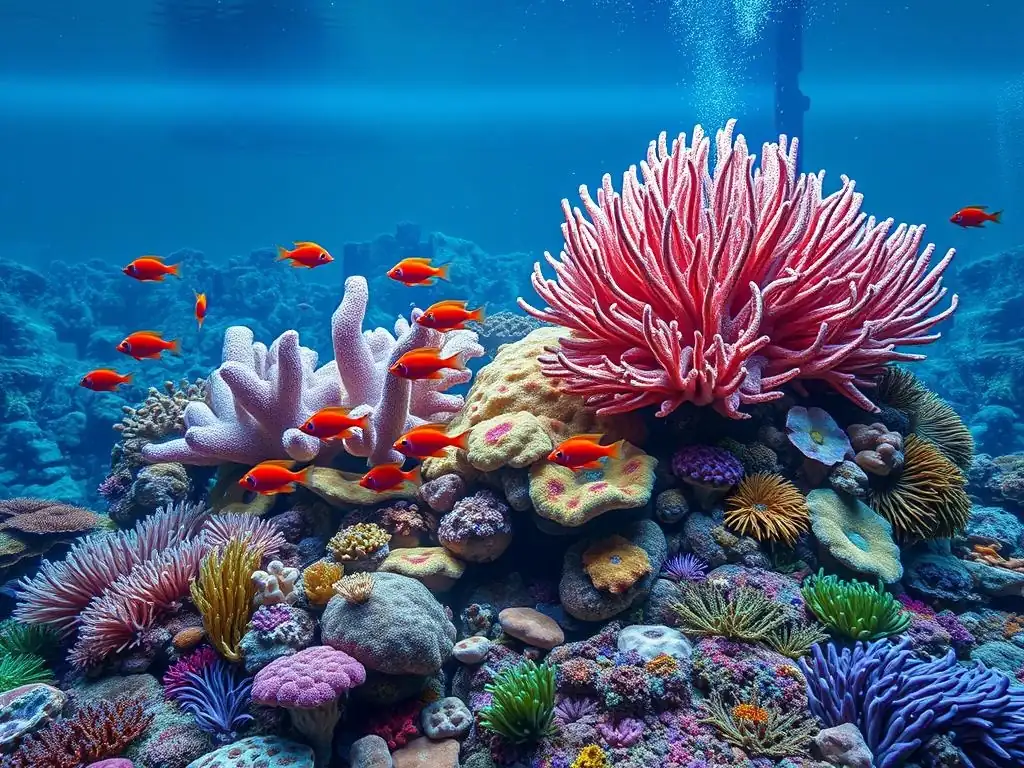
Ever wondered if those shimmering Cardinalfish are really the peaceful reef inhabitants they seem to be? Dive into our exploration of Cardinalfish reef compatibility issues and uncover the surprising truth about their interactions with your precious corals. Get ready to unravel the complexities of reef tank ecosystems and ensure a harmonious environment for all your aquatic companions!
- Cardinalfish and Reef Tanks: A Compatibility Overview
- Exploring Cardinalfish Species and Reef Interactions
- Cardinalfish Diet and its Influence on Reef Health
- Potential Cardinalfish Reef Compatibility Issues
- Maintaining a Balanced Reef Aquarium with Cardinalfish
- Observing Cardinalfish Behavior: Monitoring for Reef Safety
- Conclusion: Making an Informed Decision About Cardinalfish and Reef Tanks
- Frequently Asked Questions
- Final Reflection: Navigating the Cardinalfish Reef Compatibility Conundrum
- Unveil the Secrets: Is Your Aquarium Ready for Cardinalfish?
Cardinalfish and Reef Tanks: A Compatibility Overview
Defining Reef Safe: What it Means for Cardinalfish
The term "reef safe" in the aquarium hobby typically refers to a fish species that will not consume, nip at, or otherwise harm corals (both soft and stony), as well as various invertebrates such as shrimp, crabs, snails, and clams. It's a spectrum rather than a binary classification, as even generally "reef safe" fish can exhibit undesirable behaviors under certain conditions like hunger or stress. For aquarists, understanding this nuance is crucial when evaluating any new addition to a delicate reef ecosystem.
When considering cardinalfish, the "reef safe" designation generally applies to most species, but it's important to delve into their specific dietary needs and behavioral patterns. While many cardinalfish are known for their peaceful demeanor and lack of interest in coral polyps, some individuals or species might display opportunistic nipping at very small, sessile invertebrates or delicate feather dusters if underfed or particularly hungry. This highlights that while cardinalfish are largely compatible, potential Cardinalfish reef compatibility issues can arise from improper care or specific individual temperaments.
Understanding Cardinalfish Behavior in a Reef Environment
Cardinalfish are predominantly nocturnal in their natural habitats, often seeking shelter in rocky crevices or under ledges during the day and emerging at dusk to feed on zooplankton and small invertebrates. In a home aquarium, while some species retain a more nocturnal habit, many adapt to the tank's lighting schedule and become more active during the day, especially if food is offered regularly. Their typically shy and peaceful nature makes them attractive inhabitants for a community reef tank, as they rarely harass other fish.
However, their behavior can be influenced by tank conditions. Inadequate hiding spots, overly aggressive tank mates, or insufficient feeding can lead to stress, which might manifest as unusual behaviors. While direct aggression towards corals is rare, a stressed or underfed cardinalfish might become more opportunistic, potentially leading to minor Cardinalfish reef compatibility issues such as nipping at very small, slow-moving invertebrates like tiny shrimp or feather dusters. Providing a stable, well-structured environment with plenty of cover is essential to encourage their natural, peaceful disposition.
Exploring Cardinalfish Species and Reef Interactions
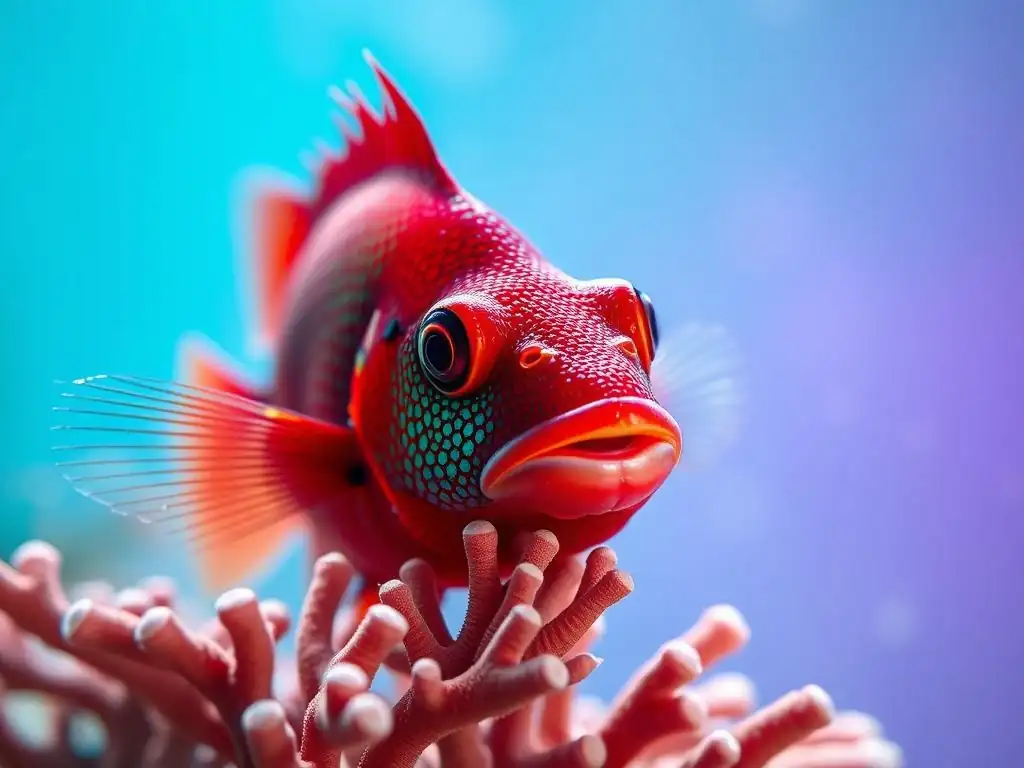
Pajama Cardinalfish: Reef Compatibility and Care
The Pajama Cardinalfish ( Sphaeramia nematoptera) is one of the most popular and recognizable cardinalfish in the hobby, largely due to its striking appearance and generally peaceful nature. These fish are considered highly reef safe, posing virtually no threat to corals, clams, or most sessile invertebrates. They are a schooling species, ideally kept in groups of three to five or more in tanks of at least 30 gallons, which helps reduce stress and encourages their natural schooling behavior.
Their diet primarily consists of zooplankton and small crustaceans, which in an aquarium translates to readily accepting frozen mysis shrimp, brine shrimp, and high-quality pellets. Instances of Cardinalfish reef compatibility issues with Pajama Cardinalfish are exceedingly rare, typically limited to accidental nipping at very small, motile invertebrates if they are severely underfed. Their docile temperament makes them an excellent choice for beginner and advanced reef aquarists alike, adding both beauty and a sense of calm to the ecosystem.
Banggai Cardinalfish: Reef Compatibility and Conservation Concerns
The Banggai Cardinalfish ( Pterapogon kauderni) is renowned for its elegant, striped appearance and unique mouth-brooding reproductive strategy. This species is also largely considered reef safe, showing no interest in corals or most larger invertebrates. They are less of a schooling fish than Pajama Cardinalfish, often forming pairs or small groups, and are best kept in tanks of 20 gallons or more for a pair. A significant conservation concern exists for wild Banggai Cardinalfish, making captive-bred specimens highly desirable to support sustainable aquaculture and minimize environmental impact.
While generally peaceful, some aquarists have reported rare instances of Banggai Cardinalfish nipping at very small ornamental shrimp, such as "sexy shrimp" ( Thor amboinensis), especially if they are underfed or if the shrimp are particularly tiny. These Cardinalfish reef compatibility issues are not common and are usually preventable with a consistent and varied feeding regimen. Their primary diet consists of small zooplankton and benthic invertebrates, which in captivity can be replicated with frozen mysis, enriched brine shrimp, and small pellets.
Flame Cardinalfish: A Peaceful Addition to Reef Aquariums?
The Flame Cardinalfish ( Apogon maculatus) is a lesser-known but equally beautiful and peaceful member of the cardinalfish family. Characterized by its vibrant red coloration, often with a distinctive black spot, this species is highly regarded for its reef compatibility. Flame Cardinalfish are primarily nocturnal in nature, preferring to hide in caves or under rockwork during the day, but will often become more active during feeding times. They are suitable for tanks generally 50 gallons and larger, especially if kept in a small group.
These cardinalfish are planktivores, feeding on small organisms drifting in the water column. In a reef aquarium, they show no inclination to bother corals, clams, or ornamental shrimp and crabs. Any Cardinalfish reef compatibility issues with Flame Cardinalfish are virtually non-existent, making them a safe and aesthetically pleasing choice for a diverse reef environment. Providing ample hiding spots will ensure their comfort and reduce any potential stress, allowing them to thrive and display their subtle beauty.
Sanguine Cardinalfish: Considerations for a Successful Reef Environment
The Sanguine Cardinalfish ( Apogon pseudomaculatus) is another robust and generally peaceful cardinalfish species that can make a good addition to a reef aquarium. They are characterized by their reddish-brown bodies and often display subtle markings. Like many of their counterparts, Sanguine Cardinalfish are largely nocturnal but adapt well to aquarium life and often become more visible during the day, particularly when food is offered. They are a hardy species, making them suitable for aquarists seeking a resilient and reef-safe fish.
When it comes to Cardinalfish reef compatibility issues, the Sanguine Cardinalfish presents minimal concerns. They are primarily micro-predators, consuming small invertebrates and zooplankton, and show no interest in corals or most ornamental invertebrates. Ensuring a stable environment with good water quality and a consistent feeding schedule is key to their well-being. While they can be kept individually, a small group can enhance their comfort and display their natural schooling behaviors, further minimizing any potential stress-related issues.
Cardinalfish Diet and its Influence on Reef Health
Natural Diet vs. Aquarium Feeding: Impacts on Reef Ecosystem
In their natural habitats, cardinalfish primarily subsist on a diet of zooplankton, small crustaceans like copepods and amphipods, and other minute invertebrates that drift in the water column or inhabit the benthos. This natural feeding behavior plays a role in the reef ecosystem by helping to control populations of these tiny organisms. Their mouths are well-suited for capturing small, live prey, which they often hunt in schools or individually during the twilight hours.
In the confines of an aquarium, replicating this exact natural diet can be challenging. Aquarists typically feed frozen mysis shrimp, brine shrimp, finely chopped krill, and high-quality marine pellets. While these foods provide essential nutrition, a lack of variety or infrequent feeding can lead to nutritional deficiencies or persistent hunger. An underfed cardinalfish may become more opportunistic, potentially exhibiting Cardinalfish reef compatibility issues by nipping at small, delicate invertebrates or even coral polyps out of desperation, though this is rare and generally preventable.
Preventing Coral Predation: Proper Feeding Strategies for Cardinalfish
To prevent any potential Cardinalfish reef compatibility issues stemming from hunger, proper feeding strategies are paramount. Cardinalfish, with their relatively small stomachs and active metabolisms, benefit greatly from frequent, small feedings throughout the day. Offering food two to three times daily, rather than one large meal, mimics their natural grazing behavior and ensures they remain satiated, reducing any temptation to nip at tank inhabitants.
The types of food offered are also critical. Frozen mysis shrimp is an excellent staple due to its high protein content and digestibility. Supplementing with enriched brine shrimp, finely chopped krill, and high-quality marine pellets or flakes provides a balanced diet. Some aquarists also introduce live copepods or rotifers, especially for new or finicky eaters, which can stimulate natural hunting instincts and provide superior nutrition, further ensuring the fish are well-fed and less likely to pose any threat to the reef.
Supplementing Cardinalfish Diets for Optimal Reef Health
Beyond the primary food sources, supplementing cardinalfish diets with essential vitamins and fatty acids can significantly enhance their overall health and vitality, which indirectly benefits the entire reef ecosystem. Products like Selcon or other liquid vitamin supplements can be soaked into frozen foods before feeding. This enrichment helps boost the fish's immune system, improves coloration, and ensures they receive a full spectrum of necessary nutrients.
Incorporating live foods, such as cultured copepods or enriched Artemia (brine shrimp), offers multiple benefits. Live foods encourage natural hunting behaviors, provide vital enzymes, and contribute to the biodiversity of the microfauna within the tank, which can serve as a supplemental food source. A healthy, well-nourished cardinalfish is less prone to stress and disease, and significantly less likely to develop any Cardinalfish reef compatibility issues related to diet, maintaining harmony within the delicate reef environment.
Potential Cardinalfish Reef Compatibility Issues
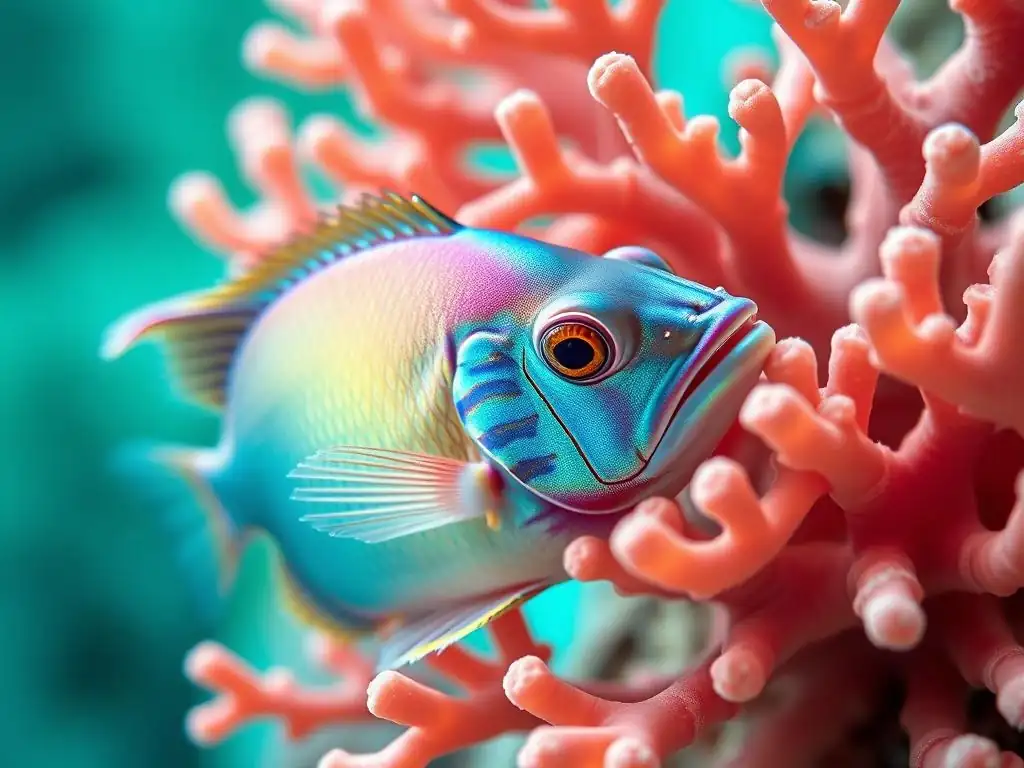
Invertebrate Predation: Identifying and Addressing the Problem
While most cardinalfish species are considered highly reef safe, rare instances of invertebrate predation can occur, primarily when the fish are underfed or if the invertebrates are particularly small and resemble their natural prey. This might manifest as the disappearance of very tiny ornamental shrimp (e.g., juvenile cleaner shrimp or sexy shrimp), small crabs, or the retraction and eventual decline of delicate feather duster worms. It's crucial to differentiate this from other causes of invertebrate loss, such as poor water quality or predation by other tank inhabitants.
If suspected Cardinalfish reef compatibility issues involving invertebrate predation arise, the first step is to increase feeding frequency and variety. Ensure the cardinalfish are receiving adequate nutrition multiple times a day. If the problem persists, careful observation during feeding times may confirm the culprit. In extreme cases, if the cardinalfish continues to target valuable invertebrates despite proper feeding, rehoming the fish to a non-reef specific tank might be the only viable solution to protect the remaining inhabitants.
Competition for Resources: Cardinalfish vs. Other Reef Inhabitants
In a densely stocked reef aquarium, cardinalfish, like any other fish, can contribute to competition for resources. This primarily involves food and suitable living spaces. If there are too many fish, or if some fish are faster eaters, cardinalfish, particularly shy individuals or species, might not get enough food. This can lead to nutritional deficiencies, stress, and potentially opportunistic behaviors, subtly leading to Cardinalfish reef compatibility issues that impact the overall health of the ecosystem.
Competition for hiding spots is another consideration. Cardinalfish prefer sheltered areas, crevices, and overhangs to retreat when stressed or during their nocturnal periods. If the aquascape lacks sufficient suitable hiding spots, or if more aggressive tank mates monopolize them, cardinalfish can become stressed. Chronic stress weakens their immune system, making them susceptible to disease, and can also lead to more erratic behavior, indirectly contributing to an unstable reef environment.
Stress and its Effects: How Unhappy Cardinalfish Can Harm a Reef
Stress in cardinalfish, often caused by poor water quality, inadequate tank size, aggressive tank mates, or insufficient nutrition, can have far-reaching effects on the entire reef aquarium. A stressed fish has a compromised immune system, making it more vulnerable to common marine diseases like Ich (Cryptocaryon irritans) or Velvet (Amyloodinium ocellatum). The introduction or spread of such diseases can rapidly devastate an entire reef population, affecting corals and other fish alike.
Furthermore, chronic stress can alter a cardinalfish's behavior. While typically peaceful, a highly stressed individual might become withdrawn, refuse to eat, or in rare cases, exhibit uncharacteristic nipping at tank mates or even corals. These subtle Cardinalfish reef compatibility issues can disrupt the delicate balance of the reef. Maintaining stable water parameters, providing ample space and hiding spots, and ensuring a peaceful community of tank mates are crucial for the well-being of cardinalfish and, by extension, the health of the entire reef.
Maintaining a Balanced Reef Aquarium with Cardinalfish
Tank Size and Stocking Levels: Key Factors for Reef Success
Appropriate tank size and sensible stocking levels are fundamental to preventing Cardinalfish reef compatibility issues and ensuring the long-term health of a reef aquarium. For a small group of Pajama Cardinalfish, a minimum tank size of 30 gallons is often recommended, while Banggai Cardinalfish can be kept in pairs in tanks as small as 20 gallons. However, for larger schools or mixed species cardinalfish setups, a tank of 75 gallons or more provides ample swimming space and reduces territorial disputes.
Overstocking a reef tank places undue stress on the filtration system, leading to elevated nutrient levels (nitrates, phosphates) that can fuel nuisance algae growth and negatively impact coral health. It also increases competition for food and territory among fish, leading to stress, aggression, and potential outbreaks of disease. Careful planning, considering the adult size and social needs of all inhabitants, is crucial for maintaining a balanced and thriving reef ecosystem.
Water Quality and Stability: Essential for Cardinalfish and Corals
Maintaining pristine and stable water quality is paramount for both cardinalfish and the sensitive corals in a reef aquarium. Key parameters to monitor regularly include salinity (1.023-1.026 specific gravity), temperature (74-78°F or 23-26°C), pH (8.1-8.4), alkalinity (7-12 dKH), calcium (400-450 ppm), and magnesium (1250-1350 ppm). Consistent levels of these parameters are far more important than hitting exact target numbers, as sudden fluctuations can induce significant stress on all inhabitants.
Regular water changes, typically 10-20% bi-weekly or monthly, help replenish trace elements and remove accumulated nitrates and other undesirable compounds. Utilizing a high-quality salt mix and purified RO/DI water is essential. Stable water parameters reduce stress on cardinalfish, bolstering their immune systems and preventing health issues that could indirectly lead to Cardinalfish reef compatibility issues. For corals, stability prevents bleaching and promotes healthy growth, ensuring the entire reef flourishes.
Choosing Compatible Tank Mates for Cardinalfish in a Reef
Selecting appropriate tank mates is a critical aspect of preventing Cardinalfish reef compatibility issues. Cardinalfish are generally peaceful and shy, making them susceptible to bullying by more aggressive or boisterous species. Ideal tank mates include other peaceful community fish such as clownfish, certain gobies (e.g., watchman gobies, pistol shrimp gobies), blennies (e.g., lawnmower blennies, tailspot blennies), and smaller, non-aggressive wrasses (e.g., fairy wrasses).
It is advisable to avoid highly aggressive species like some larger damselfish, triggerfish, or large predatory fish that could view cardinalfish as prey. Also, consider the feeding habits and activity levels of potential tank mates. Fish that are extremely fast eaters might outcompete cardinalfish for food, leading to undernourishment. Thorough research into each species' temperament, adult size, and specific needs will ensure a harmonious reef environment where all inhabitants, including cardinalfish, can thrive without conflict.
Observing Cardinalfish Behavior: Monitoring for Reef Safety
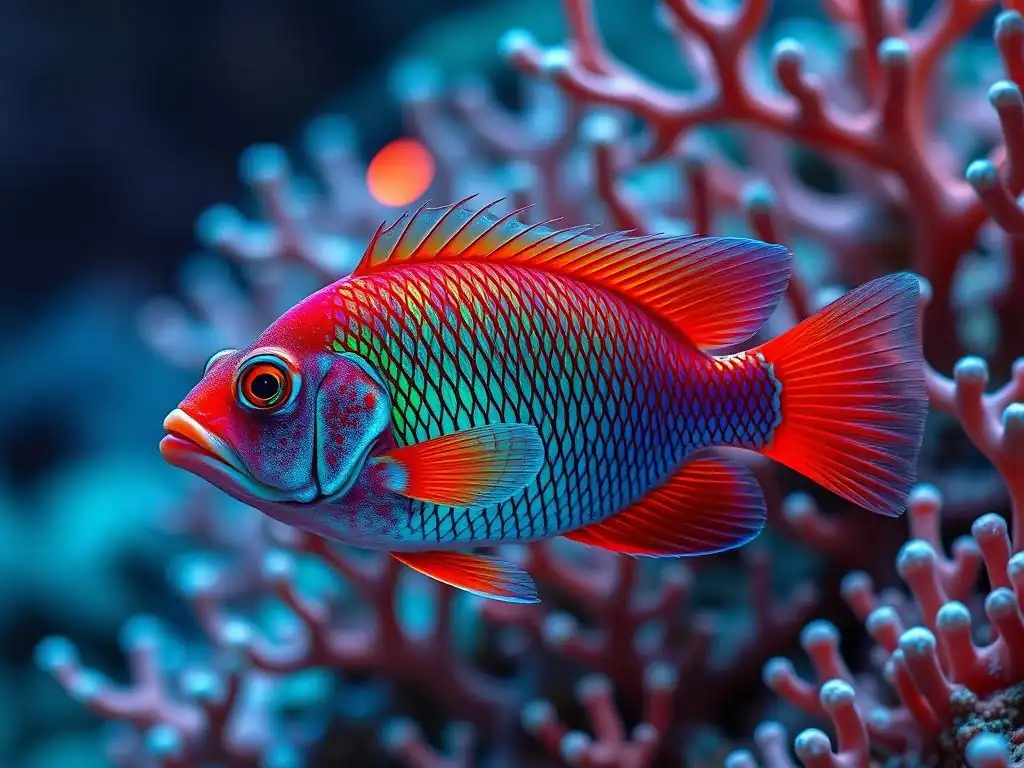
Signs of Stress or Aggression: Early Detection is Key
Regular observation of your cardinalfish is crucial for early detection of any potential Cardinalfish reef compatibility issues or signs of stress. Look for clamped fins, rapid breathing (gilling), faded or dulled coloration, excessive hiding (beyond their natural nocturnal tendencies), darting movements, or a refusal to eat. While cardinalfish are generally peaceful, any chasing or nipping at other tank mates or corals should be noted immediately.
Early intervention can prevent minor issues from escalating. If signs of stress are observed, first check water parameters for any anomalies. Then, evaluate tank mates for aggression and ensure the cardinalfish have adequate hiding spots. If aggression between cardinalfish themselves is noted, it might indicate insufficient space for their schooling needs or an imbalanced group size. Addressing these factors promptly can restore peace to the tank.
While rare, a decline in invertebrate populations could potentially indicate Cardinalfish reef compatibility issues, particularly if other causes have been ruled out. Be vigilant for the unexplained disappearance of small snails, hermit crabs, or ornamental shrimp. Observe corals for any signs of nipping, such as retracted polyps on soft corals or tissue recession on LPS corals that wasn't present before.
However, it's vital to systematically rule out more common causes of invertebrate loss, such as poor water quality, specific diseases, or predation by other, less "reef safe" fish or even predatory hitchhikers (e.g., certain crabs or worms). If cardinalfish are suspected, direct observation during feeding times can sometimes catch them in the act of opportunistic nipping. If a pattern emerges, despite proper feeding, further action may be necessary.
Troubleshooting Common Cardinalfish Reef Compatibility Problems
When Cardinalfish reef compatibility issues arise, a methodical approach to troubleshooting is best. If nipping at corals or invertebrates is observed, the primary solution is to increase the frequency and variety of feedings to ensure the cardinalfish are well-satiated. Offering food two to three times a day can significantly reduce opportunistic behaviors.
If stress or aggression among cardinalfish or towards other tank mates is noted, reassess tank size and stocking levels. Ensure adequate hiding spots are available. Sometimes, adjusting the group size (e.g., adding more individuals to a small school to dilute aggression, or removing an overly dominant fish) can help. Persistent problems, despite all interventions, might necessitate rehoming the problematic cardinalfish to a non-reef specific tank or a larger system where it can thrive without causing issues.
Conclusion: Making an Informed Decision About Cardinalfish and Reef Tanks
Weighing the Pros and Cons of Keeping Cardinalfish in a Reef Aquarium
Cardinalfish offer numerous advantages for reef aquarists, making them a popular choice for many. On the positive side, most cardinalfish species are highly peaceful, generally considered very reef safe, and do not bother corals or most invertebrates. Their unique appearances, with species like the Pajama and Banggai Cardinalfish showcasing distinct patterns, add visual interest. Many species also exhibit fascinating schooling behaviors, creating dynamic movement within the tank, and are relatively hardy, adapting well to stable aquarium conditions.
However, there are a few potential drawbacks or considerations that contribute to understanding Cardinalfish reef compatibility issues. Some species are primarily nocturnal, meaning they may be less visible during peak viewing hours. While rare, opportunistic nipping at very small or delicate invertebrates can occur if the fish are underfed or stressed. Additionally, some species require specific social structures (e.g., schooling in groups) that necessitate larger tanks, and failure to meet these needs can lead to stress or aggression among conspecifics.
Alternative Reef-Safe Fish Options for Schooling Behavior
For aquarists seeking reef-safe schooling fish that minimize Cardinalfish reef compatibility issues, several excellent alternatives exist. Green Chromis ( Chromis viridis) are a classic choice, known for their vibrant color and active schooling behavior; however, it's worth noting that smaller groups (fewer than 6-7 individuals) can sometimes lead to aggression among themselves as they mature. Certain species of Anthias, such as the Lyretail Anthias ( Pseudanthias squamipinnis) or Dispar Anthias ( Pseudanthias dispar), offer stunning coloration and strong schooling instincts, though they typically require multiple daily feedings to thrive.
Other options include select species of peaceful damselfish, such as Talbot's Damselfish ( Chrysiptera talboti), which are hardy and active but should be introduced with caution due to the general reputation of damsels for territoriality. Ultimately, the best choice depends on tank size, other inhabitants, and the aquarist's commitment to feeding and care. Thorough research into each species' specific needs and potential interactions will ensure a harmonious and thriving reef environment.
Frequently Asked Questions
Are Cardinalfish generally considered reef safe?
Yes, most Cardinalfish are considered reef safe as they generally don't bother corals. However, it's important to consider individual species and their potential behaviors.
What are the potential reef compatibility issues with Cardinalfish?
The main issue is their potential to prey on small invertebrates like copepods and amphipods, which are beneficial for a reef ecosystem. Some larger Cardinalfish species might also nip at certain soft corals.
Which Cardinalfish species are the most reef safe?
Smaller species like the Pajama Cardinalfish and the Bangaii Cardinalfish are typically considered the safest options. They primarily feed on plankton and are less likely to bother corals or invertebrates.
How can I ensure my Cardinalfish is reef safe in my tank?
Provide a varied diet to the Cardinalfish to prevent them from seeking out other food sources in the reef. Also, ensure your tank is well-established with a healthy population of beneficial invertebrates.
What should I do if I observe my Cardinalfish bothering my corals?
If you notice a Cardinalfish nipping at corals, monitor its behavior closely. If the behavior persists, you may need to re-home the fish or consider a different species.
The exploration of cardinalfish reef compatibility issues, as we've seen, is not merely an academic exercise; it's a crucial consideration for responsible reef keeping. Understanding the nuanced interactions between these captivating fish and the delicate coral ecosystem is paramount to ensuring the long-term health and biodiversity of our home aquariums. Ignoring these potential conflicts can lead to devastating consequences, underscoring the importance of informed decision-making.
This topic has profoundly influenced, and continues to influence, the way aquarists approach stocking their reef tanks. It highlights the necessity of moving beyond superficial aesthetics and delving into the ecological roles and potential impacts of each species we introduce. The pursuit of a thriving reef aquarium demands a holistic understanding of the intricate web of life within, and a commitment to minimizing harm. In the end, we will conserve only what we love; we will love only what we understand; and we will understand only what we are taught.
- Baba Dioum. This quote encapsulates the very essence of responsible reef keeping: education, understanding, and ultimately, conservation.
As you consider adding a cardinalfish to your reef aquarium, I urge you to reflect on the information presented here. Don't just admire their beauty; understand their potential impact. Embrace the responsibility that comes with creating a miniature ecosystem and strive to make informed choices that prioritize the well-being of all its inhabitants. By doing so, you contribute not only to the health of your own reef, but also to the broader conservation efforts aimed at protecting these precious marine environments.
Unveil the Secrets: Is Your Aquarium Ready for Cardinalfish?
Thanks for diving deep into the world of Cardinalfish with us! We hope this article gave you a clearer understanding of their potential impact on reef ecosystems. Now, let's put that knowledge into action!
- Assess your aquarium's current inhabitants. Make a detailed list of all your corals and invertebrates to understand potential risks before introducing any Cardinalfish.
- Share your experiences! Have you kept Cardinalfish in a reef tank? What was your experience? Did you witness any coral nipping? Let us know in the comments.
- Delve further into reef compatibility! Research other fish species known for peaceful reef behavior to broaden your aquarium's biodiversity safely.
What steps will you take to ensure your reef remains healthy and vibrant after learning more about Cardinalfish?