
The Financial Investment: What to Expect When Committing to Keeping Anthias

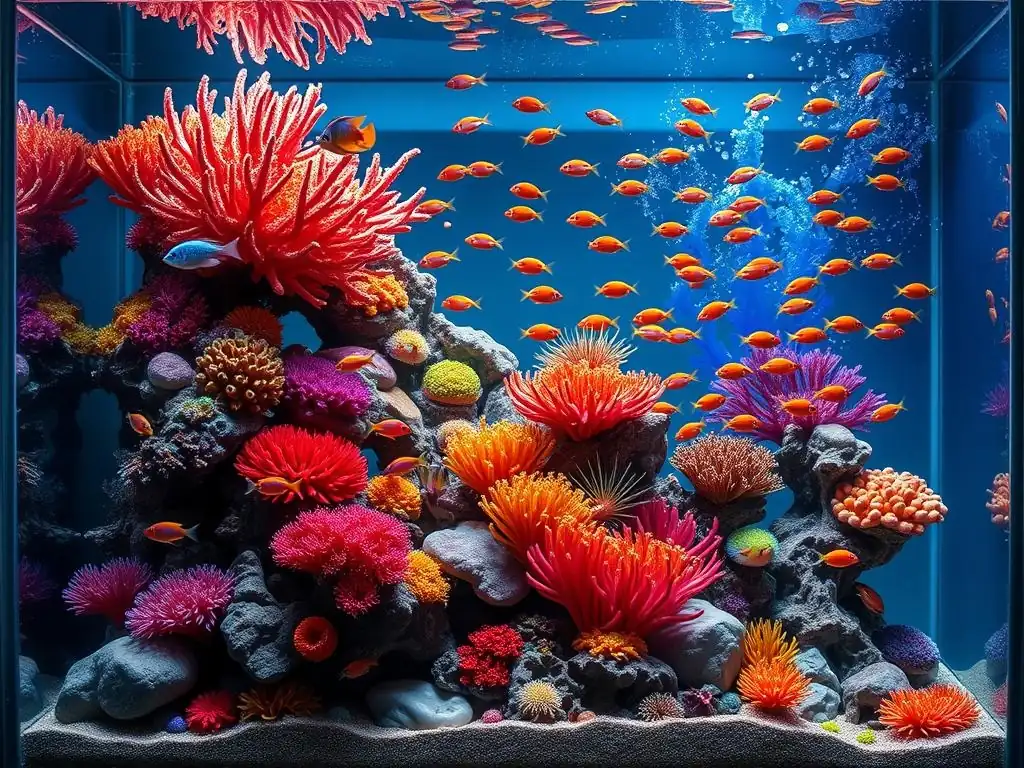
Welcome to Aquarium Mastery!
Ever dreamt of a vibrant reef teeming with the dazzling colors of Anthias? Dive in and discover the real deal behind setting up and maintaining one of these stunning saltwater displays. Before you take the plunge, let's unravel the financial commitment involved. Are you truly prepared for the Anthias tank cost maintenance? Keep reading to find out if you're ready to bring these beauties into your underwater world!
- The Financial Investment: Understanding Anthias Tank Cost and Maintenance
- Initial Anthias Tank Setup Costs: A Detailed Breakdown
-
Recurring Anthias Tank Maintenance Costs: Budgeting for the Long Term
- Food and Feeding Regimen Expenses for Anthias: Optimizing Nutrition
- Water Changes and Salt Mix Costs: Maintaining Water Quality
- Supplementation Costs: Addressing Trace Element Deficiencies in Anthias Tanks
- Electricity Consumption: Powering Your Anthias Aquarium
- Equipment Maintenance and Replacement Costs: Planning for the Future
- Anthias Health and Potential Veterinary Expenses
- Hidden Costs of Keeping Anthias: Factors to Consider
- Strategies to Reduce Anthias Tank Cost: Smart Planning and Management
- Anthias Tank Cost: A Realistic Budget Overview
- Conclusion: Is the Financial Investment in Anthias Worth It?
-
Frequently Asked Questions
- ### What is the initial cost of setting up an Anthias tank?
- ### How much do Anthias fish typically cost?
- ### What are the ongoing maintenance costs for an Anthias tank?
- ### What kind of food do Anthias need, and how does that affect the maintenance cost?
- ### Are there any hidden or unexpected costs associated with keeping Anthias?
- Final Reflection: The Enduring Value of Commitment
- Dive Deeper: Unlock the Secrets to Anthias Success!
The Financial Investment: Understanding Anthias Tank Cost and Maintenance
Introduction: Is Keeping Anthias Affordable for Your Reef Aquarium?
Anthias, with their vibrant colors and dynamic schooling behavior, are a captivating addition to any reef aquarium. Their active nature and stunning appearance make them a popular choice for experienced aquarists looking to add a splash of life and movement to their marine setups. However, committing to keeping Anthias is not merely about their purchase price; it involves a significant financial investment in terms of initial setup and ongoing "Anthias tank cost maintenance."
Before diving into the mesmerizing world of these beautiful fish, it's crucial to understand the comprehensive financial implications. This article will provide a detailed breakdown of all expected expenses, from the initial tank setup and equipment purchases to the recurring costs of food, water changes, and potential health issues. Our goal is to equip you with the knowledge to realistically assess the "Anthias tank cost maintenance" and determine if this rewarding endeavor aligns with your budget and long-term commitment.
Initial Anthias Tank Setup Costs: A Detailed Breakdown
Aquarium Size and Equipment Needs for Anthias Schools
Anthias are schooling fish that require ample swimming space and stable water parameters. A minimum tank size of 75 gallons is generally recommended for a small group of 3-5 Anthias, such as Lyretail or Dispar Anthias. However, for a larger, more diverse school or more demanding species, a 120-gallon or even 180-gallon aquarium is preferable. The cost for a new glass 75-gallon tank can range from $250 to $450, while a 120-gallon tank might be $400-$700. An appropriately sized stand, essential for supporting the immense weight, can add another $200-$600 to the initial "Anthias tank cost maintenance."
Beyond the tank itself, crucial equipment includes reliable heaters and robust water movement. For a 120-gallon tank, two 150-watt heaters, costing $30-$70 each, are advisable to ensure stable temperatures. Anthias thrive in strong, erratic currents, necessitating multiple powerheads or wavemakers. Expect to invest $50-$150 per unit for 2-4 quality powerheads, totaling $100-$600. A high-quality protein skimmer is also paramount due to Anthias' high feeding requirements and bioload; these can range from $150 for smaller tanks to $500+ for larger, more efficient models, significantly contributing to the upfront "Anthias tank cost maintenance."
Essential Filtration and Water Chemistry Control for Anthias
Effective filtration is non-negotiable for maintaining the pristine water quality Anthias demand. A robust sump system, typically ranging from $150-$600 depending on size and features, offers superior filtration capacity compared to hang-on-back filters for larger tanks. Many sumps also allow for the integration of a refugium, which can help with nutrient export and provide a natural food source, adding a potential $100-$300 for its setup, including lighting and macroalgae. Media reactors, used for carbon and GFO (granular ferric oxide) to absorb pollutants and phosphates, are also highly recommended, with units costing $80-$200 each.
Precise water chemistry control is vital for Anthias and their reef environment. This requires a suite of reliable test kits, including a master saltwater test kit for pH, ammonia, nitrite, and nitrate ($60-$120), and individual kits for alkalinity, calcium, and magnesium ($20-$40 each). A quality refractometer for accurate salinity measurement will cost $30-$70.
For larger, stable reef systems, an automated dosing pump setup (e.g., a 3-channel doser at $200-$400) might be necessary to maintain consistent parameters for corals, which indirectly benefits Anthias. These tools are indispensable for managing the delicate balance that minimizes long-term "Anthias tank cost maintenance" related to water quality issues.
Lighting Requirements and Associated Costs for Anthias Health
While Anthias themselves do not have highly specific lighting requirements compared to photosynthetic corals, they are typically kept in reef aquariums where lighting is a major expense. The type of lighting needed will depend heavily on the corals you plan to keep. For a mixed reef with Anthias, high-quality LED fixtures are the most popular choice due to their energy efficiency, controllability, and long lifespan. A good quality LED fixture capable of illuminating a 4-foot tank effectively can range from $400 to $1200 or more, depending on brand, features, and intensity.
The investment in proper lighting is not just for the corals; it creates a natural and stable environment that reduces stress on Anthias and supports the entire ecosystem. Additionally, accessories like light timers ($15-$50) or advanced controllers ($50-$200) are often necessary to simulate natural day-night cycles and moonlight phases, contributing to the overall "Anthias tank cost maintenance" for a thriving reef habitat. Choosing an appropriate lighting solution is a significant upfront cost but essential for the long-term health and vibrancy of your Anthias and their tank mates.
Substrate, Rockwork, and Aquascaping Expenses for a Thriving Anthias Habitat
Aquascaping is more than just aesthetics; it provides crucial hiding spots and territories for Anthias, reducing stress and aggression within the school. Live rock, or dry rock that will become colonized, forms the backbone of the biological filtration and provides the necessary structure. A common guideline is 1 to 1.5 pounds of rock per gallon of tank water. For a 120-gallon tank, this means 120-180 pounds of rock. Dry rock is generally more affordable at $3-$7 per pound, while established live rock can cost $6-$12 per pound. This translates to an initial rock expense of $360-$2160.
Substrate, typically aragonite sand, is also a consideration. A shallow sand bed of 1-2 inches requires about 1 to 1.5 pounds per gallon. For a 120-gallon tank, this would be 120-180 pounds of sand, costing approximately $1-$2 per pound, or $120-$360. Other aquascaping elements, such as frag racks, specialized structures, or even epoxy for securing rockwork, can add another $20-$100. These elements are vital for creating a secure and stimulating environment for Anthias, directly impacting the initial "Anthias tank cost maintenance" and the long-term well-being of your fish.
Recurring Anthias Tank Maintenance Costs: Budgeting for the Long Term
Food and Feeding Regimen Expenses for Anthias: Optimizing Nutrition
Anthias are highly active, fast-metabolizing fish that require frequent, small feedings throughout the day to thrive. Unlike many other reef fish that can get by with one or two feedings, Anthias often need 3-5 small meals daily to maintain their health and vibrant coloration. Their diet should consist primarily of high-quality frozen foods such as mysis shrimp, enriched brine shrimp, finely chopped seafood, and copepods. A typical 4 oz pack of frozen mysis shrimp costs $10-$20, and a school of 6-8 Anthias can easily consume several packs per month.
Supplementing frozen foods with high-quality, small-pelleted or flaked foods designed for marine fish is also beneficial. A container of premium pellets might cost $15-$30 and last one to two months. Due to their voracious appetite and the need for frequent feeding, food expenses are a significant and ongoing component of "Anthias tank cost maintenance." For a modest school of Anthias, expect to budget $40-$80 per month purely for their nutritional needs, ensuring they receive the varied diet necessary for their high metabolism.
Water Changes and Salt Mix Costs: Maintaining Water Quality
Regular water changes are paramount for maintaining stable water parameters and exporting nutrients in a reef aquarium, especially one housing Anthias with their high bioload. A common recommendation is a 10-20% water change weekly or bi-weekly. For a 120-gallon tank, this means preparing 12-24 gallons of new saltwater per change. High-quality synthetic sea salt mix is essential for this process. A large bucket capable of making 200 gallons of saltwater typically costs $60-$100 and can last 1-2 months depending on your water change frequency and tank size.
In addition to the salt mix, you'll need a reliable source of purified water, ideally reverse osmosis deionized (RO/DI) water. An RO/DI unit for home use costs $150-$300 initially, with filter and DI resin replacements costing $50-$100 annually. Alternatively, purchasing RO/DI water from a local fish store can range from $0.50-$1.00 per gallon. Factoring in both salt mix and RO/DI water, the recurring "Anthias tank cost maintenance" for water changes can easily be $30-$70 per month, a non-negotiable expense for the health of your Anthias.
Supplementation Costs: Addressing Trace Element Deficiencies in Anthias Tanks
In a thriving reef aquarium, especially one with a significant coral population alongside Anthias, the consumption of essential trace elements like alkalinity, calcium, and magnesium is continuous. Regular testing will reveal the need for supplementation to maintain stable levels critical for coral growth and the overall health of the ecosystem. Two-part or three-part dosing solutions are commonly used, with 1-gallon bottles typically costing $20-$40 each and lasting anywhere from one to three months depending on the tank's consumption rate.
Beyond the core elements, many aquarists also choose to dose other supplements such as trace elements, amino acids, and vitamins to enhance coral coloration, promote fish vitality, and support beneficial bacteria. While these might not be daily requirements, they add to the monthly "Anthias tank cost maintenance." Budgeting an additional $10-$30 per month for various supplements is a realistic expectation for a well-maintained reef system aiming for optimal health for its Anthias and corals.
Electricity Consumption: Powering Your Anthias Aquarium
The energy demands of a reef aquarium are substantial and represent a significant ongoing "Anthias tank cost maintenance." Multiple pieces of equipment run continuously or for extended periods, including heaters, return pumps, powerheads, protein skimmers, and lighting. Heaters for a 120-gallon tank might collectively draw 300-400 watts, while a return pump could use 50-80 watts, and multiple powerheads another 50-100 watts. A protein skimmer typically consumes 30-60 watts.
Lighting, especially high-intensity LEDs, can draw 150-300 watts for several hours a day. In warmer climates, a chiller might be necessary to maintain stable temperatures, adding another 300-600 watts when running. Based on an average electricity rate of $0.15 per kilowatt-hour (kWh), a 120-gallon reef tank with Anthias could easily consume 300-800 kWh per month, leading to electricity bills ranging from $45 to $120 or more monthly. This makes electricity one of the largest recurring "Anthias tank cost maintenance" expenses.
Equipment Maintenance and Replacement Costs: Planning for the Future
Beyond the initial purchase, aquarium equipment requires regular maintenance and eventual replacement, contributing to the long-term "Anthias tank cost maintenance." Consumables like filter socks ($5-$10 each, replaced weekly or bi-weekly) and activated carbon or GFO media ($20-$50 per refill, replaced every 1-3 months) are routine expenses. RO/DI unit filters and DI resin need to be replaced annually or bi-annually, costing $50-$100.
In the long term, pumps, heaters, and lighting fixtures will eventually wear out. Powerheads typically last 3-5 years ($50-$150 each), heaters 2-4 years ($30-$70), and protein skimmer pumps 5-7 years ($50-$100). LED lighting fixtures, while having a long lifespan, may require replacement after 5-10 years ($400-$1200+). Setting aside a small monthly budget for equipment depreciation and eventual replacement (e.g., $10-$30) is a wise practice to avoid sudden, large expenses and ensure continuous "Anthias tank cost maintenance."
Anthias Health and Potential Veterinary Expenses
Quarantine Tank Setup and Medication Costs for New Anthias
One of the most critical investments for the long-term health of your Anthias, and indeed your entire reef tank, is a dedicated quarantine tank (QT). Anthias are particularly susceptible to stress and common marine diseases like Ich and velvet, making proper quarantine an absolute necessity for any new additions. A basic 10-20 gallon QT setup includes a bare-bottom tank ($20-$50), a small heater ($20-$40), a simple sponge filter ($10-$20) driven by an air pump ($15-$30), and some PVC fittings for hiding spots ($5-$10). The total initial cost for a quarantine setup is approximately $70-$150.
Having a QT allows you to observe new Anthias, de-stress them, and administer prophylactic treatments without risking your main display tank. Common medications for external parasites (e.g., copper-based treatments, praziquantel) or bacterial infections can range from $20-$50 per treatment course. Investing in a QT and having these medications on hand significantly reduces the risk of widespread disease outbreaks in your main tank, which can be far more costly in terms of livestock loss and extensive "Anthias tank cost maintenance" for full-system treatments.
Diagnosing and Treating Common Anthias Diseases: Prevention is Key
Despite best efforts, Anthias can still fall ill. Common ailments include marine Ich (Cryptocaryon irritans), marine velvet (Amyloodinium ocellatum), bacterial infections, and internal parasites. Early diagnosis is crucial for successful treatment. This often involves keen observation of fish behavior and appearance, but also potentially using a basic microscope ($50-$150) to confirm parasitic infections by examining skin or gill biopsies.
Treatment costs vary depending on the disease and medication. For example, a complete copper treatment for marine Ich in a 20-gallon quarantine tank might cost $30-$60 for the medication and associated test kits to monitor copper levels. Antibiotics for bacterial infections can range from $20-$50. While these are not daily expenses, the potential for disease adds an unpredictable element to "Anthias tank cost maintenance." Proactive measures, such as thorough quarantine and maintaining pristine water quality, are the best defense against these potentially high costs.
Emergency Veterinary Care for Anthias: Unexpected Expenses
While less common than for terrestrial pets, specialized aquatic veterinarians do exist in some regions. If a severe or unusual health issue arises with your Anthias that you cannot diagnose or treat, consulting an aquatic vet might be an option. However, these services can be quite expensive. A single consultation fee might range from $100-$300, not including the cost of diagnostics (e.g., lab tests) or specialized treatments.
For most hobbyists, emergency care for Anthias typically means the immediate purchase of new medications, specialized foods, or the rapid setup of a hospital tank. These unexpected expenses, while not frequent, highlight the importance of having a contingency fund within your "Anthias tank cost maintenance" budget. Being prepared for the unforeseen can save valuable fish and prevent a small problem from escalating into a major financial setback.
Livestock Losses and Replacement Costs: Minimizing Mortality
Even with meticulous care and proper quarantine, marine fish, especially sensitive species like Anthias, are susceptible to losses. Stress from shipping, aggression from tank mates, or unforeseen health issues can lead to mortality. When an Anthias dies, it's not just the emotional toll; there's a direct financial cost for replacement. A single Lyretail Anthias might cost $30-$60, while more exotic species can be $80-$150 or more. Losing a school of six Anthias could mean an unexpected replacement cost of $180-$900.
These replacement costs are a significant "hidden" aspect of "Anthias tank cost maintenance." Minimizing mortality through diligent quarantine, stable tank parameters, appropriate tank mates, and a well-thought-out feeding regimen is crucial. Frequent losses not only deplete your wallet but also signal underlying issues that need immediate attention to prevent a continuous cycle of buying and replacing livestock.
Time Commitment: The Value of Your Labor
While not a direct monetary expense, the time commitment required for a thriving Anthias tank is substantial and should be considered a hidden cost. Daily tasks include multiple feedings (critical for Anthias), observing fish behavior, and checking equipment. Weekly duties involve water testing, water changes, and cleaning glass. Monthly tasks often include cleaning protein skimmers, powerheads, and other equipment, as well as replenishing filter media.
For a well-maintained reef tank with Anthias, you could easily spend 5-10 hours per week on maintenance and observation. If you were to assign a modest hourly value to this labor, say $20 per hour, this translates to $100-$200 per week, or $400-$800 per month in "hidden" labor costs. While you're not paying yourself, this time is a valuable resource that could be spent elsewhere. Understanding this time commitment is crucial for a realistic assessment of "Anthias tank cost maintenance."
Learning Curve and Potential Mistakes: Avoiding Costly Errors
For those new to marine aquariums or advanced reef keeping, there's an inevitable learning curve. Mistakes are part of the process, but in this hobby, they can be incredibly costly. Examples include improper tank cycling leading to fish loss, incorrect dosing of supplements causing coral damage, or neglecting equipment maintenance resulting in failures. Each error can lead to significant financial setbacks.
A major mistake, such as a tank crash due to equipment failure or a devastating disease outbreak, could result in the loss of all livestock and potentially require extensive equipment replacement or system overhaul. This could easily amount to hundreds or even thousands of dollars in unexpected "Anthias tank cost maintenance." Investing time in thorough research, joining online communities, and seeking advice from experienced aquarists can significantly mitigate these risks and save you from expensive errors in the long run.
Strategies to Reduce Anthias Tank Cost: Smart Planning and Management
Choosing Hardy Anthias Species: Minimizing Health Issues
One of the most effective strategies to manage "Anthias tank cost maintenance" is to select species known for their hardiness and adaptability. While all Anthias require pristine water quality and frequent feeding, some species are more forgiving and less prone to stress-related diseases than others. Lyretail Anthias (Pseudanthias squamipinnis) and Dispar Anthias (Pseudanthias dispar) are generally considered excellent choices for beginners due to their robust nature and availability.
These hardier species, while still requiring proper care, tend to have higher survival rates and fewer health complications compared to more delicate or specialized Anthias species. By choosing a resilient species, you can significantly reduce the potential for livestock losses, medication expenses, and the overall stress associated with keeping fragile fish, directly lowering your long-term "Anthias tank cost maintenance."
DIY Aquarium Equipment and Supplies: Saving Money on Setup
For the hands-on hobbyist, embracing a do-it-yourself (DIY) approach can lead to substantial savings on initial setup and ongoing "Anthias tank cost maintenance." Instead of purchasing a pre-built aquarium stand, you might construct one yourself from wood, potentially saving $200-$500. Custom sumps can also be fabricated from acrylic or glass at a fraction of the cost of commercial units, often saving $100-$300.
Furthermore, consider making your own RO/DI water at home rather than buying it from a store, which significantly reduces recurring water change costs. Buying salt mix in bulk can also provide a cost advantage. Even simple things like using reusable filter media bags instead of disposable filter socks can add up over time. While DIY requires time and some skill, it's a powerful way to reduce both initial and recurring "Anthias tank cost maintenance."
Efficient Feeding Practices: Reducing Food Waste and Water Pollution
Anthias are constant eaters, but inefficient feeding can lead to costly waste and degraded water quality. To optimize your "Anthias tank cost maintenance" related to food, implement efficient feeding practices. Feed very small amounts multiple times a day, only what your fish can consume within a minute or two. This ensures all food is eaten, preventing it from decaying in the tank and polluting the water.
Overfeeding not only wastes expensive frozen and pelleted foods but also contributes to higher nutrient levels, necessitating more frequent water changes and potentially increasing the need for chemical filtration media. Using target feeding tools or automated feeders designed for small, frequent portions can help control waste. By minimizing food waste, you can reduce your monthly food budget by 10-20% and simultaneously improve water quality, lessening the need for additional water changes and supplements.
Proactive Maintenance: Preventing Costly Problems
The adage "an ounce of prevention is worth a pound of cure" holds particularly true in reef keeping, directly impacting "Anthias tank cost maintenance." Consistent, proactive maintenance is far more cost-effective than reacting to emergencies. Adhering to a strict schedule for water testing, performing regular water changes, cleaning equipment like protein skimmers and powerheads, and promptly addressing any signs of distress in your Anthias or corals can prevent minor issues from escalating into major, expensive problems.
A stable, well-maintained tank environment reduces stress on Anthias, making them less susceptible to diseases. This proactive approach minimizes the need for costly medications, prevents widespread livestock losses, and extends the lifespan of your equipment. By preventing problems before they occur, you significantly lower the long-term "Anthias tank cost maintenance" and ensure a healthier, more vibrant aquarium.
Anthias Tank Cost: A Realistic Budget Overview
Low-End Budget Estimate for Anthias Keeping
For those looking to enter the world of Anthias with the absolute minimum financial outlay, a low-end budget focuses on essential equipment and smaller tank sizes. This estimate assumes a 75-gallon glass tank, a basic hang-on-back (HOB) protein skimmer and filter, dry rock for aquascaping, and purchasing RO/DI water.
Initial Setup Costs:
- 75-gallon Tank: $250
- Stand: $200 (basic wood)
- HOB Filter/Skimmer: $100
- Heater (1x 150W): $30
- Powerhead (1-2x): $50
- Basic LED Lighting: $200
- Dry Rock (100 lbs): $300
- Substrate (75 lbs): $75
- Master Test Kit & Refractometer: $90
- 6 Lyretail Anthias: $180 ($30 each)
- Total Initial Low-End: ~$1,475
Monthly Recurring Costs:
- Food: $40
- Salt Mix & Purchased RO/DI Water: $30
- Electricity: $50 (minimal equipment)
- Total Monthly Low-End: ~$120
This budget represents a bare-bones "Anthias tank cost maintenance" approach and requires careful management to prevent issues.
Mid-Range Budget Estimate for Anthias Keeping
A mid-range budget provides a more stable and robust foundation for keeping Anthias, suitable for a thriving reef environment. This estimate assumes a 120-gallon tank, a dedicated sump with a good protein skimmer, and a mix of dry and live rock.
Initial Setup Costs:
- 120-gallon Tank: $400
- Stand: $400 (quality wood)
- Sump & Return Pump: $350
- Protein Skimmer (In-sump): $250
- Heaters (2x 150W): $80
- Powerheads (2-3x): $200
- Mid-range LED Lighting: $600
- Dry Rock (100 lbs) & Live Rock (50 lbs): $800
- Substrate (120 lbs): $120
- Advanced Test Kits & Refractometer: $150
- RO/DI Unit: $200
- 8-10 Anthias (e.g., Dispar, Lyretail): $300 ($30-$38 each)
- Total Initial Mid-Range: ~$3,850
Monthly Recurring Costs:
- Food: $60
- Salt Mix & RO/DI Filter Media: $50
- Supplements (Alkalinity, Calcium, Mag): $20
- Electricity: $80
- Filter Media (Carbon/GFO): $10
- Total Monthly Mid-Range: ~$220
This budget offers a more comfortable and resilient "Anthias tank cost maintenance" experience.
High-End Budget Estimate for Anthias Keeping
For the serious enthusiast aiming for optimal conditions and a premium display, a high-end budget encompasses larger tanks, top-tier equipment, and automation. This estimate is for a 180-gallon tank with a large custom sump, high-efficiency skimmer, advanced lighting, and a chiller.
Initial Setup Costs:
- 180-gallon Tank: $800
- Stand (Premium/Custom): $800
- Large Sump & High-Flow Return Pump: $500
- High-End Protein Skimmer: $500
- Heaters (2x 250W): $100
- Powerheads (3-4x Advanced): $400
- High-End LED Lighting (2 units): $1200
- Premium Live Rock (180 lbs): $1500
- Substrate (180 lbs): $180
- Advanced Test Kits, Refractometer, Dosing Pumps: $500
- RO/DI Unit (High Capacity): $300
- Chiller: $600
- 10-15 Anthias (Mixed species): $500 ($33-$50 each)
- Total Initial High-End: ~$7,980
Monthly Recurring Costs:
- Food: $80
- Salt Mix & RO/DI Filter Media: $70
- Supplements (Multiple, Automated Dosing): $40
- Electricity (including Chiller): $120
- Filter Media (Carbon/GFO): $20
- Total Monthly High-End: ~$330
This comprehensive budget ensures the highest level of care and minimizes long-term "Anthias tank cost maintenance" related to equipment failures or environmental instability.
Conclusion: Is the Financial Investment in Anthias Worth It?
Weighing the Costs Against the Beauty and Enjoyment of Anthias
The financial investment in keeping Anthias is undeniably significant, encompassing substantial initial setup costs and recurring monthly expenses for "Anthias tank cost maintenance." From the large aquarium and sophisticated filtration to the constant feeding and precise water chemistry, every aspect requires financial commitment. However, for many dedicated aquarists, the beauty and dynamic presence of a thriving school of Anthias far outweigh these costs. Their vibrant coloration, continuous activity, and captivating schooling behavior transform a reef aquarium into a living, breathing masterpiece, providing endless hours of enjoyment and relaxation.
The visual spectacle of Anthias darting through corals, flashing their brilliant hues, is an unparalleled experience in the marine hobby. The satisfaction derived from successfully maintaining these sensitive and active fish, watching them thrive in a carefully crafted ecosystem, is a reward in itself. For those passionate about marine life and reef aquariums, the investment becomes an integral part of a deeply fulfilling hobby, where the joy and aesthetic appeal justify the financial outlay for a spectacular "Anthias tank cost maintenance" journey.
Making an Informed Decision About Keeping Anthias in Your Reef Aquarium
Before committing to keeping Anthias, it is crucial to make an informed decision by thoroughly understanding the full scope of "Anthias tank cost maintenance." Assess your personal budget realistically, considering both the initial capital outlay and the ongoing monthly expenses. Beyond finances, honestly evaluate your time availability and willingness to commit to the demanding daily and weekly maintenance routines Anthias require. Their needs for pristine water quality and frequent feeding are non-negotiable.
While Anthias demand a substantial investment of both time and money, with proper planning, diligent research, and a realistic budget, they can be one of the most rewarding additions to a reef aquarium. By preparing for the "Anthias tank cost maintenance" from the outset, you can ensure a stable and healthy environment for these magnificent fish, allowing them to flourish and provide years of vibrant beauty and activity in your home.
Frequently Asked Questions
### What is the initial cost of setting up an Anthias tank?
The initial cost can vary widely depending on tank size and equipment. Expect to invest a significant amount in the aquarium itself, filtration systems, lighting, and substrate.
### How much do Anthias fish typically cost?
Anthias are generally more expensive than many other saltwater fish. The price per fish can range from $30 to over $100, depending on the species, rarity, and size of the individual.
### What are the ongoing maintenance costs for an Anthias tank?
Ongoing costs include water changes, salt mix, food, filter media replacement, and electricity to power the tank. These costs can add up quickly, especially for larger tanks.
### What kind of food do Anthias need, and how does that affect the maintenance cost?
Anthias require a varied diet of small, frequent feedings, often including frozen foods, live foods, and high-quality flake food. The need for specialized foods increases the monthly cost of maintaining the tank.
Unexpected costs can arise from equipment failures, disease outbreaks, or the need for additional supplements to maintain water quality optimal for Anthias health. These factors should be considered when budgeting.
Final Reflection: The Enduring Value of Commitment
The journey of establishing and maintaining a thriving Anthias tank, as we've explored, is undeniably a significant financial investment. However, understanding the true cost extends far beyond the initial price tag and ongoing maintenance fees. It encompasses the dedication, patience, and continuous learning required to provide these delicate creatures with a suitable and flourishing environment. This commitment, while demanding, ultimately yields a reward that transcends monetary value.
The allure of Anthias lies not just in their vibrant beauty, but also in the profound connection we forge with the natural world through their care. Observing their intricate social dynamics and witnessing their adaptation to a captive environment offers a unique and enriching experience. The best investment you can make, is an investment in yourself... The more you learn, the more you'll earn.
- Warren Buffett. This holds true not just financially, but also in the personal growth and understanding gained through responsible reef keeping.
Now, as you consider embarking on this rewarding, yet challenging, endeavor, I urge you to reflect on the true meaning of investment. It's not simply about the dollars spent, but about the time, effort, and passion you're willing to dedicate. Embrace the learning process, connect with fellow reef keepers, and strive to create a thriving ecosystem for your Anthias. In doing so, you'll not only cultivate a stunning underwater world, but also enrich your own life in ways you never imagined.
Dive Deeper: Unlock the Secrets to Anthias Success!
Thank you for exploring the world of Anthias with us! We hope this guide has illuminated the path to successfully keeping these vibrant fish. Now, let's put that knowledge into action.
Here's what you can do next:
- Take the plunge! Carefully research and select one Anthias species that suits your current tank setup and experience level. This is the most important step!
- Delve further! Explore our other articles on specialized feeding techniques for small, planktivorous fish.
- Share your Anthias aspirations! Join our Aquarium Mastery community forum and tell us which species you're considering and what challenges you anticipate.
What specific aspect of Anthias care are you most excited to master, and what initial research will you undertake this week?