
Common Cardinalfish Diseases: Prevention, Identification, and Treatment Strategies

Welcome to Aquarium Mastery!
Ever wondered why your vibrant cardinalfish might be looking a little less vibrant? Dive into our comprehensive Cardinalfish disease treatment guide and unlock the secrets to keeping these stunning saltwater beauties healthy and thriving. We'll guide you through prevention, identification, and treatment strategies, ensuring your aquarium remains a paradise. Ready to learn how to spot the early warning signs and take action? Let's get started!
- Understanding Cardinalfish Health in Reef Aquariums
-
Identifying Common Cardinalfish Diseases: A Visual Guide
- Marine Ich (White Spot Disease) in Cardinalfish: Symptoms and Diagnosis
- Velvet Disease (Amyloodinium) Affecting Cardinalfish: Recognizing the Signs
- Brooklynella Hostilis: Cardinalfish Response and Treatment
- Uronema: Cardinalfish Internal Parasitic Infection
- Cardinalfish Fin Rot: Causes and Identification
- Popeye (Exophthalmia) in Cardinalfish: Understanding the Swollen Eye
- Cardinalfish Lymphocystis: Viral Infections and Wart-like Growths
-
Cardinalfish Disease Treatment Guide: Effective Strategies
- Quarantine Procedures for Sick Cardinalfish
- Treating Marine Ich in Cardinalfish: Copper-Based Medications vs. Hyposalinity
- Velvet Disease Treatment for Cardinalfish: Copper and Other Options
- Treatment for Brooklynella Hostilis in Cardinalfish
- Addressing Fin Rot in Cardinalfish: Antibiotics and Water Quality Management
- Treating Popeye in Cardinalfish: Addressing the Underlying Cause
- Managing Lymphocystis in Cardinalfish: Boosting Immunity and Supportive Care
-
Proactive Cardinalfish Disease Prevention: Best Practices
- Maintaining Optimal Water Quality for Cardinalfish Health
- Proper Acclimation Techniques to Reduce Stress in Cardinalfish
- Quarantine New Cardinalfish Before Introducing Them to the Main Tank
- Choosing Healthy Cardinalfish: Selecting Disease-Free Specimens
- Nutritional Strategies to Boost Cardinalfish Immunity
- Advanced Cardinalfish Care Tips for Disease Resistance
- Cardinalfish Disease Treatment Guide: Medication Dosage and Administration
- Post-Treatment Care for Cardinalfish: Ensuring a Full Recovery
-
Frequently Asked Questions
- What are some common diseases that affect Cardinalfish?
- How can I prevent diseases in my Cardinalfish aquarium?
- What are the telltale signs that my Cardinalfish might be sick?
- What are the recommended treatment options for a Cardinalfish suffering from marine ich?
- How important is water quality in preventing and treating Cardinalfish diseases?
- Final Reflection: Navigating the Murky Waters of Cardinalfish Health
- Ignite Your Cardinalfish Care: Take the Next Step!
Understanding Cardinalfish Health in Reef Aquariums
Importance of Proactive Cardinalfish Disease Prevention
Maintaining optimal health for cardinalfish in a reef aquarium is paramount, as these captivating schooling fish can be susceptible to various ailments if not properly cared for. Proactive disease prevention is not merely a recommendation but a necessity, considering the enclosed nature of an aquarium environment where pathogens can spread rapidly. Without a robust preventative strategy, a single sick cardinalfish can quickly compromise the health of an entire school and even other tank inhabitants, leading to significant stress for the fish and potential financial loss for the aquarist.
Furthermore, treating established diseases in a display reef tank can be incredibly challenging due to the sensitivity of corals and invertebrates to many common fish medications. Many effective treatments for Cardinalfish disease treatment guide protocols, such as copper-based medications, are toxic to invertebrates. This necessitates the removal of sick fish to a separate hospital tank, adding stress to already compromised individuals. Therefore, investing time and effort into prevention dramatically reduces the likelihood of outbreaks, ensuring the long-term well-being and vibrant display of these popular reef dwellers.
Factors Contributing to Cardinalfish Disease Outbreaks
Several key factors contribute to the susceptibility of cardinalfish to disease outbreaks, often acting in conjunction to weaken their immune systems. Stress is a primary culprit, commonly induced by poor water quality, improper acclimation techniques upon introduction, overcrowding, or aggressive tank mates. For instance, high ammonia or nitrite levels, even if transient, can severely compromise a cardinalfish's gill function and overall immunity.
Another significant factor is the introduction of new, unquarantined fish. A new cardinalfish, even if appearing healthy, can carry dormant pathogens that become active under stress or introduce new strains to a naive population. Inadequate nutrition, characterized by a monotonous diet lacking essential vitamins and minerals, also plays a critical role in weakening a cardinalfish's natural defenses. For example, a diet deficient in Vitamin C can lead to weakened immune responses, making the fish more vulnerable to bacterial and parasitic infections.
Identifying Common Cardinalfish Diseases: A Visual Guide
Marine Ich (White Spot Disease) in Cardinalfish: Symptoms and Diagnosis
Marine Ich, caused by the protozoan parasite Cryptocaryon irritans, is perhaps the most common and feared disease among saltwater aquarists. In cardinalfish, the primary symptom is the appearance of tiny white spots, resembling grains of salt, scattered across the body, fins, and gills. These spots are encapsulated parasites feeding on the fish's tissue.
Beyond the visible spots, affected cardinalfish may exhibit behavioral changes such as "flashing" or rubbing their bodies against tank decorations or substrate in an attempt to dislodge the parasites. They might also show signs of lethargy, clamped fins, and rapid, labored breathing as the parasites irritate their gills. Early and accurate diagnosis is crucial for effective Cardinalfish disease treatment guide strategies, as the disease progresses rapidly, especially in a warm reef environment where the parasite's life cycle accelerates.
Velvet Disease (Amyloodinium) Affecting Cardinalfish: Recognizing the Signs
Velvet disease, caused by the dinoflagellate Amyloodinium ocellatum, is another highly virulent parasitic infection that can decimate a cardinalfish population quickly. Unlike the distinct white spots of Ich, Velvet typically manifests as a fine, dusty, yellowish-brown or golden film covering the cardinalfish's body, which can be difficult to see without direct illumination. This "dust" is composed of thousands of microscopic parasites.
Cardinalfish infected with Velvet often display severe respiratory distress, characterized by rapid gill movements and gasping at the water surface. Their fins may appear clamped close to their bodies, and they might exhibit erratic swimming or extreme lethargy. The disease progresses much faster than Ich, often leading to mortality within 24-48 hours once severe symptoms are visible, underscoring the urgency for immediate intervention from any Cardinalfish disease treatment guide.
Brooklynella Hostilis: Cardinalfish Response and Treatment
Brooklynella hostilis, often referred to as "Clownfish Disease" due to its prevalence in anemonefish, can also severely impact cardinalfish. This ciliate parasite attacks the skin and gill tissue, causing rapid deterioration. Affected cardinalfish will typically develop an excessive, thick, whitish-grey slime coat, often appearing as patches of sloughing skin or mucus.
Behaviorally, cardinalfish with Brooklynella become extremely lethargic, often remaining motionless at the bottom of the tank or in corners. They will exhibit labored breathing, and their skin may appear dull or eroded. This disease is highly contagious and exceptionally aggressive, making it one of the most dangerous infections for cardinalfish, demanding immediate and decisive action as outlined in any comprehensive Cardinalfish disease treatment guide.
Uronema: Cardinalfish Internal Parasitic Infection
Uronema marinum is a ciliate parasite that can cause severe internal and external infections in marine fish, including cardinalfish. While it can manifest as external lesions or ulcers, particularly on the head or body, its internal impact is often more insidious and fatal. Infected cardinalfish may develop greyish, fuzzy patches or open sores on their skin, which can rapidly progress to significant tissue loss.
Internally, Uronema can attack organs, leading to a rapid decline in health. Symptoms might include emaciation despite feeding, lethargy, loss of balance, and difficulty swimming. Diagnosis can be challenging without microscopic examination of a skin scrape or biopsy. This parasite is particularly dangerous to weakened or stressed fish, and its rapid progression necessitates a swift response from any Cardinalfish disease treatment guide for an effective intervention.
Cardinalfish Fin Rot: Causes and Identification
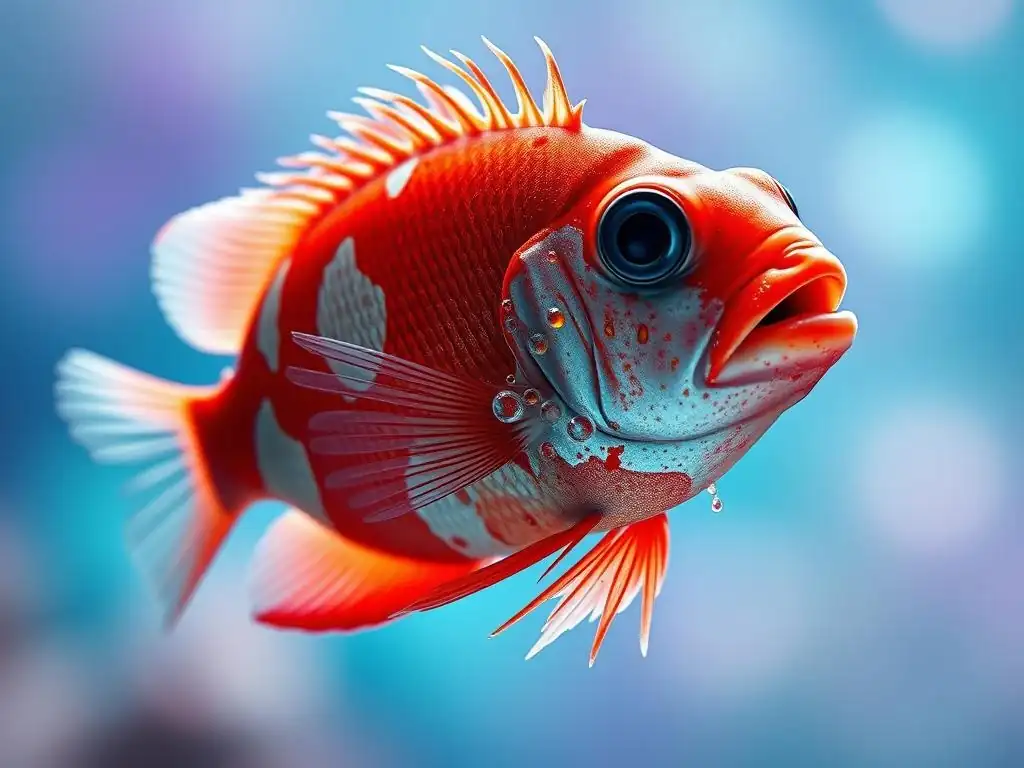
Fin rot is a common bacterial infection in cardinalfish, often occurring as a secondary infection when the fish's immune system is compromised by stress, poor water quality, or physical injury. It is typically caused by opportunistic bacteria such as Aeromonas or Pseudomonas species. The primary symptom is the progressive erosion of the fins, starting from the edges and working inward.
Affected fins will appear frayed, ragged, or torn, and the edges may become discolored, often turning white, red, or black. In severe cases, the entire fin can be lost. Cardinalfish with fin rot may also exhibit lethargy, reduced appetite, and clamped fins. Identifying the underlying cause, such as high nitrate levels (e.g., above 40 ppm) or bullying, is crucial for successful Cardinalfish disease treatment guide and prevention.
Popeye (Exophthalmia) in Cardinalfish: Understanding the Swollen Eye
Popeye, or Exophthalmia, is a condition characterized by one or both eyes of a cardinalfish becoming swollen and bulging from its socket. It is not a disease in itself but rather a symptom of an underlying issue, which can range from bacterial infection to physical trauma or poor water quality. If only one eye is affected, it often points to a localized injury or infection.
If both eyes are bulging, the cause is more likely systemic, such as an internal bacterial infection (e.g., Mycobacterium), a parasitic infection, or severe water quality issues like high nitrate levels or gas supersaturation. Cardinalfish with popeye may also show signs of lethargy, loss of appetite, and difficulty swimming or navigating due to impaired vision. Addressing the root cause is paramount for any Cardinalfish disease treatment guide to be effective in resolving this condition.
Lymphocystis is a viral disease that affects the skin and fins of marine fish, including cardinalfish. It is generally not life-threatening but can be unsightly. The most distinctive symptom is the appearance of small, white, cauliflower-like growths or nodules on the body, fins, or mouth of the cardinalfish. These growths are enlarged cells infected with the Lymphocystis virus.
The virus typically enters the fish through a break in the skin, such as a minor injury. While the growths can be alarming in appearance, they usually do not cause significant distress to the fish unless they are so large they impede swimming or feeding. There is no specific medication to directly treat the virus; instead, a Cardinalfish disease treatment guide for Lymphocystis focuses on supportive care, good water quality, and a robust diet to help the fish's immune system fight off the infection naturally.
Cardinalfish Disease Treatment Guide: Effective Strategies
Quarantine Procedures for Sick Cardinalfish
When a cardinalfish shows signs of illness, the first and most critical step in any Cardinalfish disease treatment guide is to immediately isolate the affected fish in a dedicated hospital or quarantine tank. This prevents the spread of disease to other tank inhabitants, especially sensitive corals and invertebrates in a reef system, and allows for targeted treatment without harming the main display.
A hospital tank should be set up with stable parameters mirroring the main tank (e.g., salinity 1.023-1.025, temperature 76-78°F), equipped with a heater, simple filtration (sponge filter or small hang-on-back filter without carbon), and minimal decor for easy observation.
Before transferring the sick cardinalfish, ensure the hospital tank has been cycled or seeded with beneficial bacteria to prevent ammonia spikes, which would further stress the fish. A small piece of live rock from the main tank or a bottled bacterial supplement can aid this. The quarantine tank should ideally be at least 10-20 gallons for a small school of cardinalfish, allowing ample space and stability for recovery and medication administration.
Treating Marine Ich in Cardinalfish: Copper-Based Medications vs. Hyposalinity
For Marine Ich ( Cryptocaryon irritans) in cardinalfish, two primary Cardinalfish disease treatment guide strategies are widely employed: copper-based medications and hyposalinity. Copper medications, such as copper sulfate or chelated copper products (e.g., Cupramine, Copper Power), are highly effective at killing the free-swimming theront stage of the parasite. These treatments are administered in the hospital tank, with copper levels typically maintained between 0.25-0.5 mg/L (ppm) for a period of 14-21 days to ensure all life stages are eradicated. Regular testing of copper levels (at least twice daily) is essential to prevent overdosing, which can be fatal to the fish.
Alternatively, hyposalinity involves gradually reducing the specific gravity of the water in the hospital tank to a range of 1.009-1.010 for 3-4 weeks. This low salinity disrupts the osmotic balance of the Ich parasite, causing it to swell and burst, while being tolerable for most cardinalfish.
It is a gentler approach that avoids medication but requires precise monitoring of salinity with a refractometer and gradual changes (no more than 0.001-0.002 per day) to prevent osmotic shock to the fish. Both methods require the main display tank to remain fish-free for at least 76 days at typical reef temperatures (around 78°F) to ensure all Ich parasites in the main system die off without a host.
Velvet Disease Treatment for Cardinalfish: Copper and Other Options
Velvet disease ( Amyloodinium ocellatum) is more aggressive than Ich and requires immediate and decisive action as part of any Cardinalfish disease treatment guide. Copper-based medications are generally the most effective and widely used treatment. Similar to Ich treatment, copper levels should be maintained at 0.25-0.5 mg/L (ppm) in a hospital tank, but often for a slightly shorter duration, typically 10-14 days, given the rapid life cycle of Velvet. Constant monitoring of copper levels is critical due to the narrow therapeutic window.
Other effective options include Chloroquine Phosphate, a potent antimalarial drug that can be highly effective against Velvet at doses typically ranging from 10-15 mg/L. Formalin baths (e.g., 37% formalin at 1 ml per 10 gallons for 30-60 minutes, with aeration) can also provide rapid relief from external parasites and are often used as a preliminary dip before moving the fish to a long-term treatment tank. Given Velvet's rapid progression, swift diagnosis and commencement of treatment are paramount for survival.
Treatment for Brooklynella Hostilis in Cardinalfish
Brooklynella hostilis is a highly virulent ciliate parasite that requires immediate and aggressive treatment due to its rapid progression and high mortality rate in cardinalfish. The most effective Cardinalfish disease treatment guide for Brooklynella involves short, concentrated formalin baths. A common protocol is to use 37% formalin at a concentration of 1 ml per 5-10 gallons of water for 30-60 minutes, ensuring strong aeration during the bath. Fish should be closely monitored for signs of distress and returned to the clean hospital tank if they show undue stress.
These formalin dips may need to be repeated daily or every other day for several days, depending on the severity of the infection and the fish's response. Alternatively, Methylene Blue can be used as a bath treatment, typically at a concentration of 1 teaspoon of 2.3% solution per 5 gallons of water for up to 60 minutes, providing a gentler but still effective option, especially for severely weakened fish. Given the parasite's ability to rapidly destroy gill tissue, quick action is absolutely essential for survival.
Addressing Fin Rot in Cardinalfish: Antibiotics and Water Quality Management
Treating fin rot in cardinalfish involves a two-pronged approach: addressing the bacterial infection and, crucially, correcting the underlying environmental issues. In a hospital tank, broad-spectrum antibiotics such as Furan-2 or Maracyn 2 (Erythromycin) are commonly used. Dosage should strictly follow manufacturer instructions, typically involving daily treatment for 5-7 days. It is vital to remove activated carbon from the filter during medication and perform water changes between doses if recommended.
Concurrently, meticulous attention to water quality in both the hospital and main tanks is paramount. This includes ensuring ammonia and nitrite levels are zero, nitrates are below 20 ppm, and pH and salinity are stable. Frequent small water changes (e.g., 10-20% daily in the hospital tank) with properly mixed and acclimated saltwater will help dilute bacterial loads and promote healing. Addressing stressors like overcrowding or aggressive tank mates in the main system will prevent recurrence of this bacterial issue.
Treating Popeye in Cardinalfish: Addressing the Underlying Cause
Treating Popeye (Exophthalmia) in cardinalfish is less about a specific medication for the symptom itself and more about identifying and addressing the underlying cause. If Popeye is unilateral (one eye), it often indicates physical trauma or a localized bacterial infection. In such cases, improving water quality, adding Epsom salt to the hospital tank (1 teaspoon per 5 gallons) to reduce swelling, and possibly a broad-spectrum antibiotic (e.g., Maracyn 2 or Kanaplex) in medicated food can be beneficial.
If Popeye is bilateral (both eyes), it suggests a systemic issue, such as an internal bacterial infection, a parasitic infection, or severe water quality problems like high nitrates or gas supersaturation. In these instances, a comprehensive Cardinalfish disease treatment guide would recommend immediate and significant water changes, ensuring proper aeration, and treating with systemic antibiotics administered orally via medicated food, if the fish is still eating, or through water treatment in a hospital tank. Identifying the specific cause through careful observation and water testing is key to successful resolution.
Managing Lymphocystis in Cardinalfish: Boosting Immunity and Supportive Care
Lymphocystis, being a viral infection, does not have a direct medicinal cure. The Cardinalfish disease treatment guide for Lymphocystis focuses entirely on supportive care to allow the cardinalfish's immune system to fight off the infection naturally. The primary steps involve isolating the affected fish in a hospital tank to prevent secondary bacterial infections and to reduce potential stress from tank mates.
Crucially, maintaining pristine water quality in the hospital tank is essential, with zero ammonia and nitrites, and stable pH and salinity. Providing a highly nutritious and varied diet, including vitamin-enriched foods (e.g., Vitamin C fortified flakes or frozen foods), will significantly boost the cardinalfish's immune response. While the growths can be unsightly and may take several weeks or even months to recede, most cardinalfish recover fully without lasting effects, provided they are kept in a stress-free, optimal environment.
Proactive Cardinalfish Disease Prevention: Best Practices
Maintaining Optimal Water Quality for Cardinalfish Health
Maintaining pristine and stable water quality is the cornerstone of proactive cardinalfish disease prevention. Consistent parameters minimize stress and bolster the fish's immune system, making them less susceptible to pathogens. For cardinalfish in a reef environment, ideal parameters include a specific gravity of 1.023-1.025, a stable temperature between 74-78°F (23-26°C), and a pH range of 8.1-8.4. Crucially, ammonia and nitrite levels must always be undetectable (0 ppm), and nitrates should be kept below 20 ppm, ideally much lower for a reef system.
Regular water changes are indispensable for diluting accumulated nitrates and replenishing essential trace elements. A routine of 10-20% water changes weekly or bi-weekly, using high-quality reverse osmosis/deionized (RO/DI) water mixed with a premium marine salt mix, is highly recommended. Consistent testing of these parameters with reliable test kits allows aquarists to identify and correct deviations before they become detrimental to cardinalfish health, acting as the first line of defense in any Cardinalfish disease treatment guide.
Proper Acclimation Techniques to Reduce Stress in Cardinalfish
Proper acclimation is a critical step in preventing disease in newly acquired cardinalfish, as it minimizes the severe stress caused by sudden changes in water parameters. The drip acclimation method is highly recommended for marine fish due to its slow and gentle nature. This involves placing the new cardinalfish (still in their transport bag) into a bucket, then slowly dripping water from the display tank into the bucket using airline tubing and a knot or valve to control the flow.
The drip rate should be slow enough to allow the water volume in the bucket to double over 30-60 minutes. During this process, dim the lights around the acclimation area to further reduce stress. Once the water volume has doubled, the cardinalfish can be gently netted and introduced to the quarantine tank (never directly to the display tank). This gradual equalization of temperature, pH, and salinity significantly reduces osmotic shock and stress, which are major triggers for disease outbreaks.
Quarantine New Cardinalfish Before Introducing Them to the Main Tank
Quarantining all new cardinalfish, regardless of their apparent health, is arguably the single most important preventative measure in any Cardinalfish disease treatment guide. A dedicated quarantine tank (QT) should be set up with basic life support, as described in the "Quarantine Procedures" section. New cardinalfish should reside in this QT for a minimum of four to six weeks. This period allows sufficient time for any latent diseases to manifest.
During quarantine, observe the fish daily for any signs of illness, such as spots, clamped fins, labored breathing, or abnormal behavior. Many experienced aquarists also opt for prophylactic treatments in the QT, such as a full course of copper (e.g., 0.25-0.5 mg/L for 14-21 days) to eliminate Ich and Velvet, followed by broad-spectrum antibiotics or freshwater dips for potential bacterial or external parasitic issues. This rigorous approach dramatically reduces the risk of introducing pathogens to your established reef aquarium.
Choosing Healthy Cardinalfish: Selecting Disease-Free Specimens
Selecting healthy cardinalfish from the outset is a crucial preventative measure that sets the stage for long-term success. When purchasing, spend time observing the fish in the dealer's tank before making a decision. Look for cardinalfish that are active, alert, and swimming naturally within their school or individually. Avoid fish that are listless, hiding excessively, or hovering at the surface or bottom.
Visually inspect each cardinalfish for any physical signs of disease:
- Clear, bright eyes with no cloudiness or bulging (Popeye).
- Intact fins with no fraying, tears, or discoloration (Fin Rot).
- Smooth, unblemished skin free of white spots (Ich), golden dust (Velvet), fuzzy patches (Fungus/Uronema), or visible lesions.
- Normal breathing without rapid gill movements or gasping.
- A full, rounded belly indicating they are eating well.
- Absence of any slime coat or sloughing skin.
Choosing robust, disease-free specimens significantly reduces the initial disease load and stress on the fish.
Nutritional Strategies to Boost Cardinalfish Immunity
A varied and high-quality diet is fundamental to boosting cardinalfish immunity and their overall resilience against disease. Malnutrition can quickly compromise a fish's immune system, making them highly susceptible to infections. Cardinalfish are generally omnivores with a carnivorous leaning, so their diet should reflect this.
Offer a diverse range of foods, including high-quality marine-specific flakes and pellets (rich in spirulina and marine proteins), frozen foods such as Mysis shrimp, enriched brine shrimp, and finely chopped marine-origin foods like krill or copepods. Crucially, regularly supplement their diet with vitamins, particularly Vitamin C, which is vital for immune function and stress reduction.
This can be done by using vitamin-enriched frozen foods or by soaking dry foods in liquid vitamin supplements a few times a week. A well-fed cardinalfish with a strong immune system is far better equipped to resist and recover from potential pathogens, making it a key component of any Cardinalfish disease treatment guide.
Advanced Cardinalfish Care Tips for Disease Resistance
Implementing a Regular Observation Schedule for Early Disease Detection
Implementing a consistent and thorough observation schedule is an advanced yet simple tip for early disease detection, which is paramount for successful intervention. Dedicate at least 5-10 minutes daily to carefully observe your cardinalfish, ideally at feeding time when they are most active. Look for subtle changes in behavior that may indicate stress or illness, such as:
- Changes in swimming patterns: darting, flashing, listlessness, or unusual hovering.
- Abnormal breathing: rapid gill movements, gasping at the surface.
- Changes in appetite: refusal to eat, spitting out food.
- Social interactions: aggression, hiding, or isolation from the school.
Beyond behavior, visually inspect each cardinalfish for physical symptoms like spots, discoloration, frayed fins, or cloudy eyes. Early detection allows for prompt isolation and treatment, significantly increasing the chances of recovery and preventing a widespread outbreak in your display tank. This proactive approach is a cornerstone of any effective Cardinalfish disease treatment guide.
Optimizing Tank Mates to Minimize Stress and Disease Transmission
Careful selection of tank mates is crucial for minimizing stress and reducing the likelihood of disease transmission among cardinalfish. Stress, often induced by aggressive or unsuitable tank mates, significantly weakens a cardinalfish's immune system, making them more vulnerable to pathogens. Cardinalfish are generally peaceful, schooling fish that thrive in a calm environment.
Avoid housing cardinalfish with notoriously aggressive species such as certain angelfish, triggers, or large damselfish, which can harass and nip at them. Instead, opt for other peaceful reef-safe fish like gobies, blennies, tangs (depending on tank size), and other mild-mannered schooling fish. Ensure the tank is not overcrowded, as high fish density increases competition for resources, elevates stress levels, and facilitates the rapid spread of disease.
A general guideline is to allow at least 10 gallons per cardinalfish, though more is always better for a school. Providing ample hiding spots and open swimming areas further reduces stress and promotes a harmonious environment.
Utilizing Probiotics to Support Cardinalfish Gut Health
Utilizing probiotics is an emerging advanced care tip that supports cardinalfish gut health and, by extension, their overall disease resistance. Just like in humans, a healthy gut microbiome in fish plays a vital role in digestion, nutrient absorption, and immune system function. Probiotics, which are beneficial bacteria, can help maintain a balanced gut flora, especially after periods of stress, medication use, or dietary changes.
Probiotics can be administered through probiotic-enriched fish foods or by adding specific probiotic supplements directly to the aquarium water. For example, some commercially available foods are infused with beneficial bacteria strains like Bacillus subtilis. While the direct impact on disease prevention is still being researched in marine aquaria, anecdotal evidence suggests that a robust gut microbiome can enhance a fish's ability to resist common infections and recover more quickly from illness. This supportive measure contributes to a more resilient immune system, complementing traditional Cardinalfish disease treatment guide strategies.
Cardinalfish Disease Treatment Guide: Medication Dosage and Administration
Calculating Correct Medication Dosages for Cardinalfish
Accurate medication dosage is paramount for the safety and effectiveness of any Cardinalfish disease treatment guide. Overdosing can be fatal, while underdosing can lead to ineffective treatment and antibiotic resistance. Always refer to the specific manufacturer's instructions for the medication you are using, as concentrations and recommended dosages vary widely. The most common error is miscalculating the actual water volume of your hospital tank.
To calculate your tank's precise volume, measure its length, width, and height in inches, then multiply them together and divide by 231 (for gallons). For example, a tank measuring 24" x 12" x 12" contains approximately 14.9 gallons (24 * 12 * 12 / 231). Always factor in displacement from substrate or equipment if significant.
Once you have the accurate volume, use the medication's instructions, often provided in drops per gallon or ml per specified volume, to ensure precise administration. For instance, if a medication calls for "1 drop per 5 gallons," and your tank is 15 gallons, you would administer 3 drops.
Safe and Effective Medication Administration Techniques
Safe and effective medication administration involves several key practices to maximize efficacy and minimize stress to the cardinalfish. Before adding any medication, always remove activated carbon, Purigen, or other chemical filtration media from your filter, as these will absorb the medication and render it ineffective. If using a protein skimmer, turn it off, as some medications can cause excessive foaming. UV sterilizers and ozone generators should also be turned off during treatment.
When administering the medication, dilute the required dose in a small cup of tank water first. This prevents concentrated medication from directly contacting the fish or sensitive areas of the tank. Slowly pour the diluted medication into an area of high water flow (e.g., near the filter outflow) to ensure rapid and even dispersion throughout the tank. Observe the cardinalfish closely during and after administration for any signs of adverse reactions, such as rapid breathing, darting, or lethargy, which could indicate stress or an overdose.
Monitoring Cardinalfish During Treatment
Continuous and meticulous monitoring of cardinalfish during treatment is a critical component of any successful Cardinalfish disease treatment guide. Daily, and sometimes multiple times a day, observe the fish for signs of improvement or, conversely, any adverse reactions to the medication. Look for a reduction in symptoms: for Ich, a decrease in white spots; for Fin Rot, less fraying and clearer fin edges.
Equally important is monitoring the fish's overall behavior: are they eating, swimming normally, and exhibiting less stress? If the fish's condition worsens or they show signs of severe distress (e.g., rapid gasping, loss of balance, erratic swimming), consider performing an immediate partial water change to dilute the medication and re-evaluate the treatment plan. Additionally, for medications like copper, it is absolutely essential to test the water frequently (e.g., twice daily) using a reliable test kit to ensure the therapeutic level is maintained without exceeding toxic thresholds. This vigilant monitoring allows for timely adjustments and better outcomes.
Post-Treatment Care for Cardinalfish: Ensuring a Full Recovery
Restoring Water Quality After Medication Use
After the completion of a medication regimen, restoring pristine water quality in the hospital tank is crucial for the cardinalfish's full recovery. Many medications, especially antibiotics, can negatively impact beneficial nitrifying bacteria, leading to ammonia and nitrite spikes. The first step is to perform a large water change, typically 50-75%, to significantly dilute residual medication.
Following this, reintroduce activated carbon to the filter to absorb any remaining medication. Monitor ammonia, nitrite, and nitrate levels daily for several days. If ammonia or nitrite spikes occur, perform additional small water changes (e.g., 10-20% daily) and consider adding a bottled bacterial supplement to help re-establish the biological filter. Maintain stable temperature, pH, and salinity, and ensure proper aeration throughout this period. A clean, stable environment is vital for reducing stress and promoting healing as part of the Cardinalfish disease treatment guide recovery phase.
Supporting Cardinalfish Recovery with Enhanced Nutrition
Supporting cardinalfish recovery with enhanced nutrition is a key element in rebuilding their strength and boosting their immune system after battling disease. Illness and medication can be taxing on a fish's energy reserves and overall health. For several weeks post-treatment, offer a highly varied and nutrient-dense diet.
Continue to provide high-quality marine-specific flakes, pellets, and a diverse range of frozen foods like Mysis shrimp, enriched brine shrimp, and copepods. Focus on foods that are fortified with essential vitamins, particularly Vitamin C and Omega-3 fatty acids, which are crucial for immune function and tissue repair. Feeding smaller amounts more frequently throughout the day can aid digestion and nutrient absorption. A well-nourished cardinalfish will regain its strength faster, exhibit more vibrant coloration, and be better equipped to resist future health challenges.
Long-Term Monitoring for Relapse Prevention
Long-term monitoring is an often-overlooked but essential aspect of post-treatment care, crucial for relapse prevention and ensuring the lasting health of your cardinalfish. Even after symptoms disappear and water quality is restored, it's vital to continue observing the fish closely for several weeks or even months. Some diseases, like Ich, can have dormant stages, or the fish's immune system might still be compromised, making them susceptible to secondary infections.
Maintain the diligent daily observation schedule, looking for any subtle changes in behavior or physical appearance that might indicate a relapse or the onset of a new issue. Continue to prioritize pristine water quality and a high-quality, varied diet. If the cardinalfish were treated in a hospital tank, do not rush their reintroduction to the main display. A gradual reintroduction, after they have fully recovered and the main tank has been confirmed pathogen-free (if a fallow period was implemented), is recommended. This vigilant approach ensures that the efforts of the Cardinalfish disease treatment guide lead to sustained well-being.
Frequently Asked Questions
What are some common diseases that affect Cardinalfish?
Cardinalfish are susceptible to several diseases including marine ich (white spot disease), bacterial infections, and parasitic infestations. Early identification is crucial for successful treatment.
How can I prevent diseases in my Cardinalfish aquarium?
Prevention focuses on maintaining optimal water quality and providing a stress-free environment. Quarantine new fish and feed a balanced diet to boost their immune system.
What are the telltale signs that my Cardinalfish might be sick?
Look for signs like white spots on the body, lethargy, loss of appetite, or difficulty breathing. Unusual swimming patterns can also be indicators.
What are the recommended treatment options for a Cardinalfish suffering from marine ich?
Treatment typically involves copper-based medications, hyposalinity treatment, or tank transfer methods. Always follow the instructions carefully and monitor the fish closely.
How important is water quality in preventing and treating Cardinalfish diseases?
Maintaining pristine water quality is absolutely essential. Regular water changes, proper filtration, and stable water parameters are key to a healthy aquarium and disease prevention for your Cardinalfish.
The insights shared throughout this Cardinalfish disease treatment guide are not merely academic; they represent a crucial lifeline for these vibrant members of our aquatic ecosystems and the dedicated aquarists who care for them. As hobbyists and professionals alike grapple with the increasing challenges of maintaining healthy aquarium environments, understanding the nuances of Cardinalfish diseases and their effective treatment becomes paramount to ensuring their survival and thriving populations.
The delicate balance within an aquarium ecosystem makes Cardinalfish particularly vulnerable, and our continued vigilance and proactive approach are essential to safeguarding their well-being. The knowledge shared here aims to empower aquarists to become more informed and responsible caretakers. The best cure is prevention,
as the saying goes, and in the context of Cardinalfish health, this couldn't be truer.
Now, armed with a deeper understanding of Cardinalfish diseases, their prevention, and treatment, I invite you to reflect on your own practices. Consider how you can implement these strategies to create a healthier, more resilient environment for your Cardinalfish. By embracing a proactive and informed approach, you contribute not only to the well-being of these captivating creatures but also to the overall health and sustainability of the aquatic hobby.
Ignite Your Cardinalfish Care: Take the Next Step!
Thank you for diving into the world of cardinalfish health with us! We hope you’ve gained valuable insights into keeping these vibrant fish thriving. Now, let's put that knowledge into action.
- Prioritize a preventative quarantine: Set up a separate quarantine tank and make it standard procedure to isolate all new cardinalfish for at least 4 weeks. This is the single most effective way to protect your main aquarium from disease outbreaks.
- Explore less common symptoms: Next time you observe your fish, check not just for spots or bloating, but also unusual behaviours such as erratic swimming or clamped fins. Early identification can be a game-changer.
- Share your experiences: Have you successfully treated a cardinalfish disease? Comment below with your tips and tricks! Help other aquarium enthusiasts learn from your journey.
What unique preventative measure do you swear by for your cardinalfish?