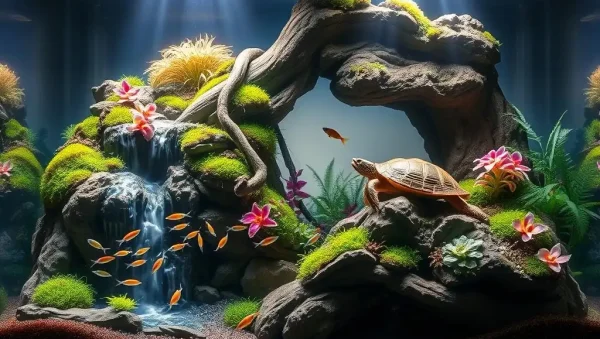
Aquascaping Design: Styles, Hardscape, Plants & Photography 🌿
Explore the art and science of aquascaping design with Aquarium Mastery. This subcategory provides practical guidance for creating beautiful, healthy freshwater aquariums through thoughtful layouts, natural hardscape, carefully selected aquatic plants, and professional aquarium photography. Whether you are planning your first planted tank or refining an advanced aquascape, discover ideas for aquarium layout design, aquascaping styles, plant placement, stone and wood selection, composition, lighting, and long-term maintenance.
🌊 Popular Aquascaping Styles and Aquarium Layout Ideas
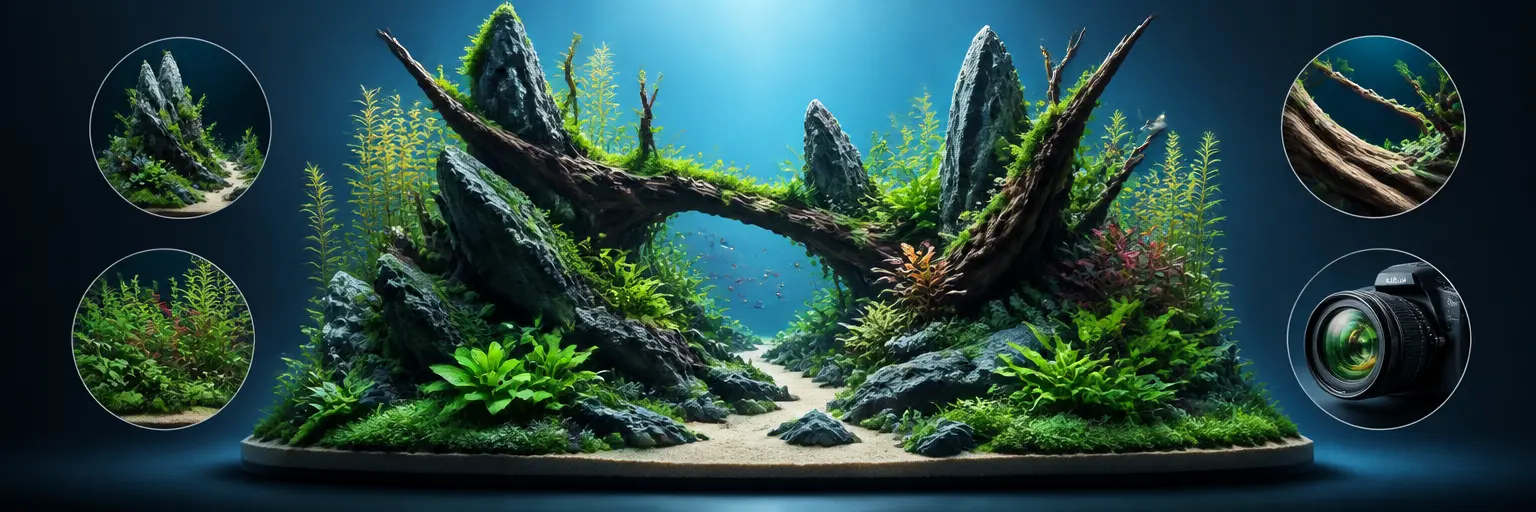
Learn how to identify and create popular aquascaping styles, including the Nature Aquarium, Iwagumi, Dutch style, jungle aquascape, biotope aquarium, and minimalist planted tank. Each style has its own approach to composition, plant selection, negative space, color, texture, and visual balance. Our guides explain how to choose a layout that matches your aquarium size, livestock, lighting system, and maintenance experience.
Discover practical aquarium design principles such as the rule of thirds, focal points, depth, perspective, visual flow, and the use of foreground, midground, and background plants. You will find inspiration for nano aquariums, rimless tanks, large planted aquariums, and aquascapes designed for shrimp, community fish, or specialized freshwater species.
🪨 Hardscape Design with Rocks, Driftwood, and Natural Materials
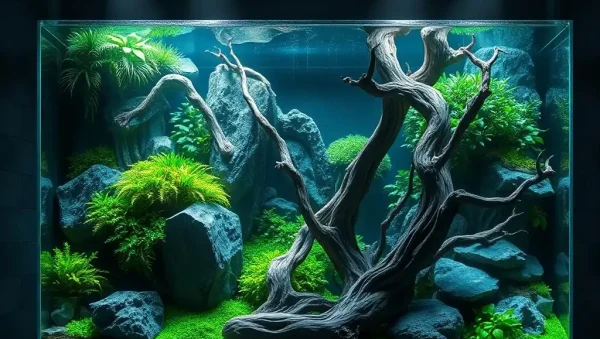
Hardscape is the structural foundation of an aquascape. Explore how to select and arrange aquarium rocks, driftwood, stones, branches, caves, and other aquascaping materials to create a stable and natural-looking composition. Learn about popular materials such as Seiryu stone, lava rock, dragon stone, spider wood, and Malaysian driftwood, including their appearance, texture, and potential effects on aquarium water chemistry.
Our hardscape guides cover safe preparation, cleaning, positioning, anchoring, and stability. You will also learn how to build depth, create terraces, form natural pathways, and leave enough space for plant growth and fish movement. Well-planned hardscape improves both the appearance and function of a planted aquarium while reducing the risk of collapsed structures or trapped livestock.
🌱 Aquatic Plant Selection and Creative Planting Techniques
Choose the best aquatic plants for your aquascape based on growth rate, size, color, light requirements, carbon dioxide needs, and maintenance level. Explore popular foreground, midground, background, stem, carpeting, moss, fern, and epiphyte plants such as Anubias, Java fern, Bucephalandra, Cryptocoryne, Rotala, Ludwigia, Vallisneria, Monte Carlo, and Java moss.
Learn effective aquarium planting techniques, including attaching epiphytes to wood and rock, planting carpeting species, trimming stem plants, replanting cuttings, and preventing uprooting. Articles also explain how substrate choice, fertilizers, aquarium lighting, carbon dioxide injection, water flow, and nutrient balance influence healthy plant growth and a long-lasting aquascape.
💡 Lighting, Color, Composition, and Aquascape Balance
Lighting is essential for both plant health and visual impact. Discover how to choose and position LED aquarium lights, set an appropriate photoperiod, manage light intensity, and coordinate lighting with carbon dioxide and fertilization. Clear guidance helps readers create vibrant plant colors while avoiding excessive algae growth and unstable aquarium conditions.
Improve the artistic quality of your layout through color contrast, texture variation, open space, scale, symmetry, and asymmetry. These techniques help create a more natural and immersive display. You will also learn how to use darker plants, bright green foliage, red accents, and carefully placed hardscape to guide the viewer’s eye through the aquarium.
📷 Aquarium and Aquascape Photography Tips
Capture the beauty of your planted aquarium with practical aquascape photography tips. Learn how to prepare the tank before taking photographs, clean glass and equipment, control reflections, position lighting, and choose camera settings for sharp, balanced images. Guidance is suitable for smartphone photography, mirrorless cameras, DSLR cameras, and basic home setups.
Explore composition techniques for photographing aquascapes, fish, shrimp, aquatic plants, and detailed hardscape features. Articles cover shutter speed, aperture, ISO, white balance, focus, editing, and image consistency. Whether you want to document aquarium progress, share your aquascape online, or enter a competition, these methods can help produce clearer and more professional aquarium photos.
🛠️ Planning, Building, and Maintaining a Successful Aquascape
A successful aquascape begins with careful planning. Find advice on selecting the right aquarium, substrate, filtration, heater, lighting, aquarium soil, fertilizers, and carbon dioxide system. Step-by-step guides can help you create a realistic budget, prepare materials, establish a planting plan, and build a stable layout before adding fish or invertebrates.
Long-term maintenance is equally important. Learn how to trim plants, perform water changes, clean equipment, manage algae, monitor water parameters, and adjust lighting or fertilization as the aquarium matures. With consistent care and a balanced ecosystem, your aquascape can remain healthy, attractive, and suitable for its inhabitants.
❓ Frequently Asked Questions About Aquascaping Design
What is aquascaping?
Aquascaping is the art of designing and maintaining an aquarium using aquatic plants, rocks, driftwood, substrate, and water to create a visually appealing underwater landscape. It combines aquarium keeping, landscape composition, plant care, and water chemistry.
Which aquascaping style is best for beginners?
Low-maintenance nature-style, jungle-style, or simple minimalist layouts are often suitable for beginners. Start with easy plants, stable hardscape, moderate lighting, and a reliable filtration system. A straightforward design is easier to maintain while you learn about planting, fertilization, and algae control.
How do I choose rocks and driftwood for an aquascape?
Choose aquarium-safe materials that fit the tank’s size, planned style, and livestock. Consider texture, color, scale, and how the materials affect water chemistry. Clean and inspect all hardscape before use, and secure unstable pieces to prevent movement or injury to fish.
Do aquatic plants require carbon dioxide?
Not every aquatic plant requires injected carbon dioxide. Hardy plants such as Anubias, Java fern, Cryptocoryne, and many mosses can grow in low-tech aquariums. However, additional carbon dioxide can improve growth, density, and color for demanding carpeting and stem plants when combined with suitable lighting and nutrients.
How can I photograph my aquascape without reflections?
Clean the aquarium glass, reduce surrounding room light, turn off equipment that creates distracting movement, and photograph the tank straight on. Use a tripod when possible and adjust exposure, focus, and white balance. A dark background and controlled aquarium lighting can make plants, fish, and hardscape appear sharper and more vibrant.