Preventing Algae in Your Aquarium Carpet: Proactive Strategies
🌊 Preventing algae aquarium carpet is essential for a healthy, vibrant tank. Implement proactive strategies such as proper lighting, water quality management,…
Read article
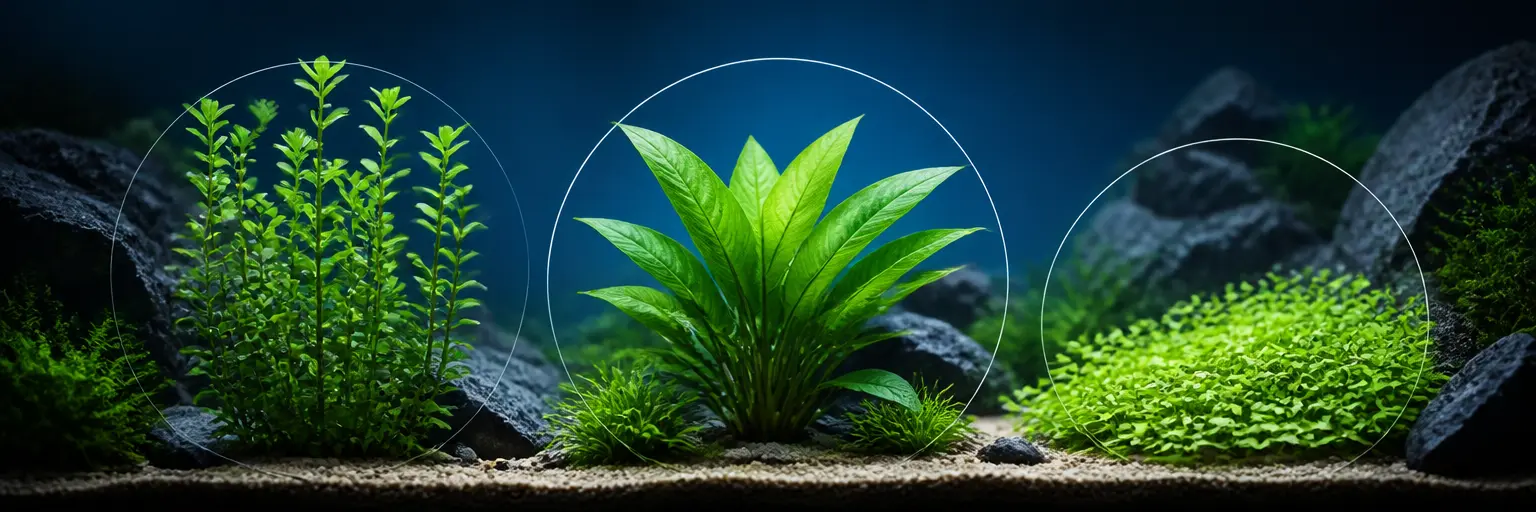
Explore freshwater aquatic plant profiles for thriving aquariums, from elegant stem plants and striking rosette plants to lush carpeting varieties 🌿 Discover expert guidance on light requirements, nutrient needs, planting techniques, growth habits, propagation, and aquarium compatibility. Whether you’re creating a beginner-friendly aquascape or a dense planted tank, find practical tips to choose healthy plants and maintain vibrant underwater greenery with Aquarium Mastery.
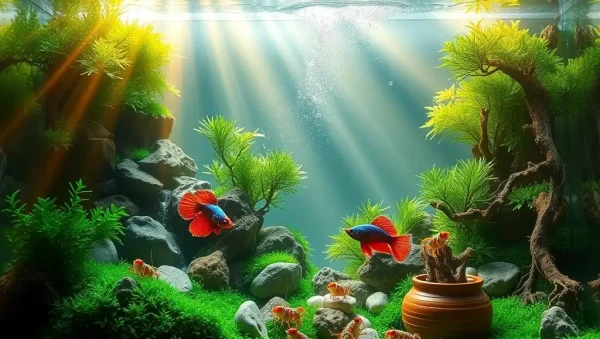
🌊 Preventing algae aquarium carpet is essential for a healthy, vibrant tank. Implement proactive strategies such as proper lighting, water quality management,…
Read article
🌱 Unlock the secrets of Carpeting plants aquarium fertilization with targeted nutrients. Proper fertilization enhances vibrant, healthy growth, ensuring your aquatic greenery…
Read article
🌿 Discover the beauty and unique dormancy cycle of Aponogeton Ulvaceus. This guide on Aponogeton Ulvaceus Dormancy Care helps aquarists maintain this…
Read article
🌱 Discover Marsilea hirsuta easy care with its charming, clover-like appearance that creates a lush carpet in your aquarium. Perfect for beginners,…
Read article
🌱 Unlock the secrets to thriving dense aquarium carpet growth with optimal CO2 and lighting strategies. Discover how balancing these twin pillars…
Read article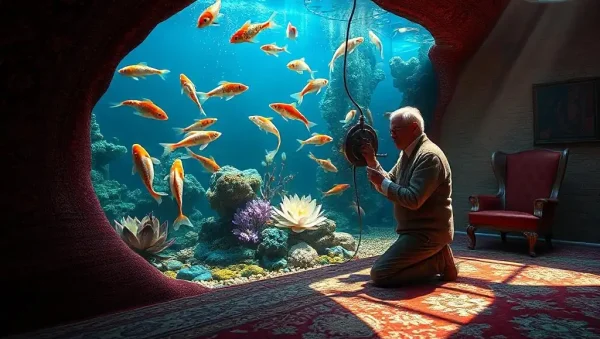
🌊 Healthy carpet flow maintenance is essential for vibrant, thriving aquarium plants. Proper water circulation ensures nutrient delivery and prevents algae buildup,…
Read article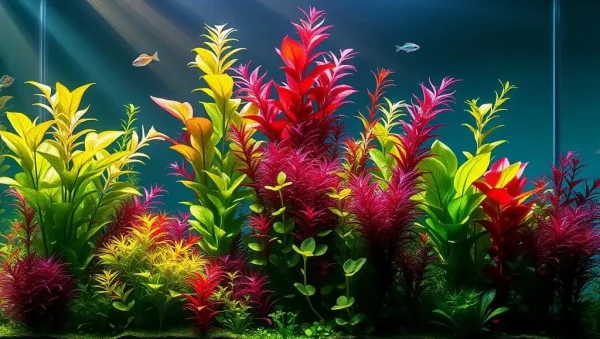
🌱 Discover the top 5 fast-growing aquarium stem plants that quickly fill your tank with vibrant greenery. Perfect for aquarists seeking lush,…
Read article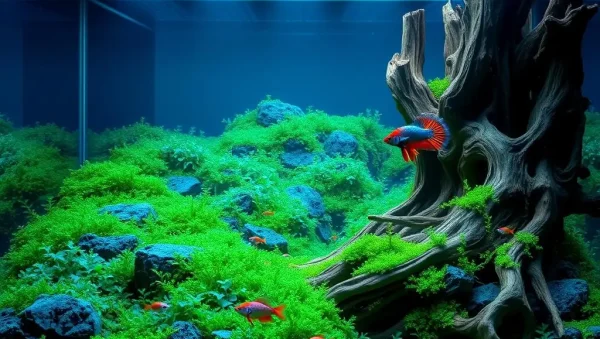
🌊 Tackle cyanobacteria carpet issues effectively with expert cyanobacteria carpet removal tips. Maintaining a healthy aquarium involves proper water chemistry, lighting, and…
Read article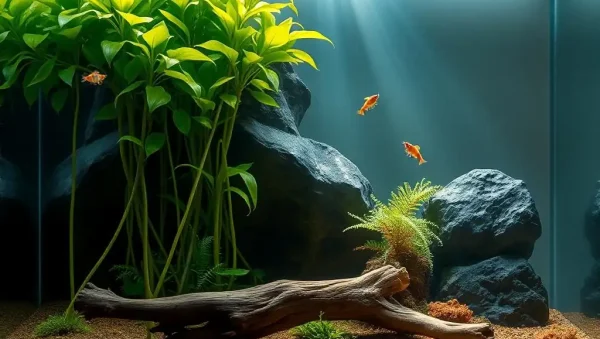
🌿 Discover the resilient elegance of Anubias Barteri with our comprehensive Anubias Barteri care guide. Perfect for any tank, this indestructible rhizome…
Read article
🌱 Transitioning carpeting plants from emerged to submerged growth is crucial for a thriving aquarium. Learn expert techniques to ensure healthy, vibrant…
Read article
🌱 Discover the charm of Rosette plants low maintenance, perfect for aquarists seeking beauty without constant effort. These slow-growing rosette plants add…
Read article
🌱 Selecting the ideal healthy stem plant substrate is crucial for robust root development and vibrant aquatic plants. AquariumMastery.com offers expert advice…
Read articleDiscover the best freshwater aquarium plants for planted tanks with detailed profiles covering stem plants, rosette plants, and carpeting species. Aquarium Mastery explains plant appearance, growth habits, lighting requirements, CO2 needs, substrate preferences, nutrient demands, propagation methods, and compatibility with freshwater fish and invertebrates. Whether you are designing a low-tech aquarium, a high-tech aquascape, a shrimp tank, or a nature-style planted aquarium, these guides help you choose healthy aquatic plants and maintain vibrant underwater growth.
Stem plants are popular freshwater aquarium plants because they grow upward quickly and can create dense backgrounds, colorful midground groups, or dramatic focal points. Profiles may include well-known species such as Rotala, Ludwigia, Hygrophila, Bacopa, Limnophila, and Myriophyllum, with practical information about mature size, leaf shape, coloration, and ideal placement. You can learn how lighting intensity, carbon dioxide, water circulation, and aquarium fertilizer affect stem plant growth.
Each stem plant guide also explains trimming, replanting, and propagation from healthy cuttings. Expect advice for preventing leggy growth, melting leaves, algae buildup, and nutrient deficiencies while maintaining a balanced planted aquarium. These profiles are useful for beginners seeking easy aquarium plants as well as experienced aquascapers creating colorful, layered layouts.
Rosette plants grow from a central crown and are valued for their broad leaves, strong visual presence, and natural aquarium appearance. This section may cover Anubias, Cryptocoryne, Echinodorus, Amazon swords, Vallisneria, and other popular rosette-forming aquatic plants. Profiles highlight suitable tank sizes, root development, planting depth, substrate requirements, water parameters, and compatibility with community fish.
Readers can also find guidance on avoiding common problems such as crown rot, transplant shock, and cryptocoryne melt. Learn how to provide root-feeding plants with nutrient-rich substrate or root tabs, position rhizome plants correctly, and choose species that suit low-light, medium-light, or high-light aquariums. These recommendations make it easier to build a healthy planted tank with durable centerpiece plants.
Carpeting plants create a low-growing foreground that resembles a green lawn across the aquarium substrate. Profiles may include Monte Carlo, dwarf hairgrass, Glossostigma, Marsilea, Eleocharis, and other foreground aquarium plants. Each guide discusses planting techniques, runner development, trimming, light intensity, CO2 requirements, and the water flow needed to encourage compact horizontal growth.
Carpet plants often require more planning than tall aquarium plants, especially in newly established aquascapes. You can learn how to divide tissue-culture plants into small portions, plant them at suitable spacing, control algae, and maintain a clean foreground with regular trimming. The information supports both beginner planted tanks and high-tech aquascapes designed with dense, professional-looking carpets.
Successful freshwater aquatic plant growth depends on balancing light, carbon, and nutrients rather than simply increasing one factor. These profiles explain the difference between low-light aquarium plants and demanding high-light species, including how photoperiod, light spectrum, and intensity influence coloration and growth. You will also learn how liquid fertilizers, root tabs, macronutrients, and micronutrients support healthy leaves and roots.
Clear care advice helps you match each plant to your aquarium equipment and maintenance routine. Stable conditions are usually more important than extreme conditions, so the guides emphasize gradual adjustments, consistent water changes, adequate circulation, and algae prevention. This makes it easier to choose plants that can thrive in your available setup.
Propagation allows aquarists to expand a planted aquarium economically while encouraging healthier, more compact growth. Stem plants can usually be propagated through cuttings, rosette plants through runners or offsets, and carpeting plants through division and lateral spread. Detailed profiles explain when to trim, where to cut, how to replant clippings, and how to remove damaged leaves without harming the plant.
Long-term maintenance recommendations include pruning schedules, dead-leaf removal, substrate care, algae management, and safe plant handling during aquarium cleaning. By following species-specific instructions, you can prevent overcrowding and preserve a balanced aquascape. These methods are especially useful for maintaining healthy freshwater aquarium plants in community tanks, shrimp aquariums, and planted nano tanks.
The right plant depends on the behavior of your livestock, the aquarium’s dimensions, and the aquascaping style you want to create. Robust rosette plants can provide shelter for fish, while dense stem plants offer cover for fry and shy species. Fine-leaved carpeting plants and moss-like growth can create grazing areas for shrimp, although active bottom-dwelling fish may disturb newly planted foregrounds.
Our plant profiles help you select species for Dutch-style aquascapes, nature aquariums, biotope-inspired layouts, low-tech tanks, high-tech planted tanks, and beginner-friendly community aquariums. Consider mature height, growth speed, leaf texture, and maintenance needs before purchasing. Matching plant requirements with aquarium conditions is the foundation of a stable and attractive aquascape.
Stem plants grow from a central stem and are commonly used in the background or midground. Rosette plants grow outward from a central crown and often develop strong root systems. Carpeting plants spread across the substrate through runners or compact shoots, forming a low foreground layer.
Many easy aquarium plants can grow without injected CO2, especially hardy Anubias, Java fern, Cryptocoryne, Vallisneria, and some Hygrophila species. However, pressurized CO2 usually improves growth speed, density, and color, particularly for demanding carpeting plants and high-light aquarium setups.
Remove the lower leaves, separate the stems, and insert each cutting individually into the substrate. Avoid burying too much of the stem, and leave enough space between cuttings for water circulation and lateral growth. Regular trimming encourages branching and creates a fuller group.
Carpeting plants may melt after being moved from emersed to submerged growth, or they may struggle because of insufficient light, carbon, nutrients, or poor circulation. Remove decaying leaves, maintain stable aquarium conditions, and allow time for new submerged growth. Tissue-culture plants can also experience temporary transition stress.
Fertilization depends on plant density, lighting, fish waste, substrate type, and water-change routines. Follow the product instructions and begin conservatively, observing new growth for signs of deficiency or excess. Root tabs benefit heavy root feeders, while liquid fertilizers support water-column feeders such as many stem plants.