🌿 Saltwater Macroalgae: Chaeto, Caulerpa, Gracilaria – Care & Benefits
Discover how saltwater macroalgae can improve marine aquarium health, appearance, and water quality. This subcategory from Aquarium Mastery provides practical guidance on growing, maintaining, pruning, and propagating popular marine macroalgae such as Chaetomorpha, Caulerpa, and Gracilaria. Learn how these beneficial algae support nutrient export, refugium filtration, nitrate and phosphate control, habitat creation, and natural aquascaping in reef tanks, fish-only marine aquariums, and refugiums.
🌱 Chaetomorpha Care and Refugium Benefits
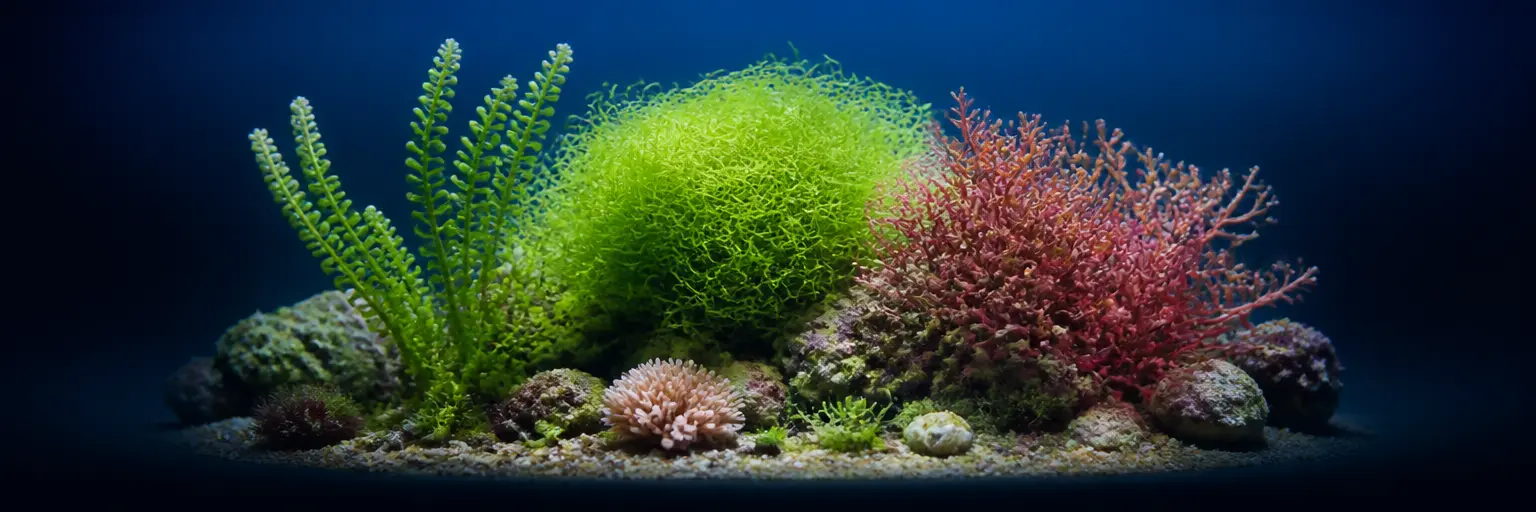
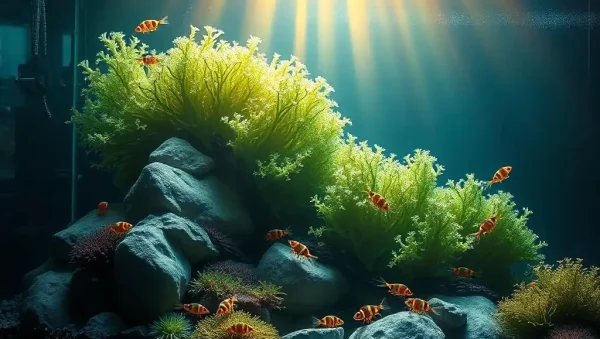
Chaetomorpha, often called chaeto, is one of the most popular macroalgae choices for a saltwater refugium. Readers can expect clear advice on Chaetomorpha lighting, water flow, nutrient requirements, pruning, harvesting, and placement. Its tangled structure provides excellent surface area for beneficial microorganisms and can create shelter for copepods and other desirable microfauna.
This section explains how growing chaeto may help reduce excess nitrate and phosphate through regular harvesting. You will also learn how to prevent common problems, including chaeto melting, turning pale, becoming compacted, collecting detritus, or failing to grow in a marine aquarium.
🌿 Caulerpa Growth, Control, and Aquarium Use
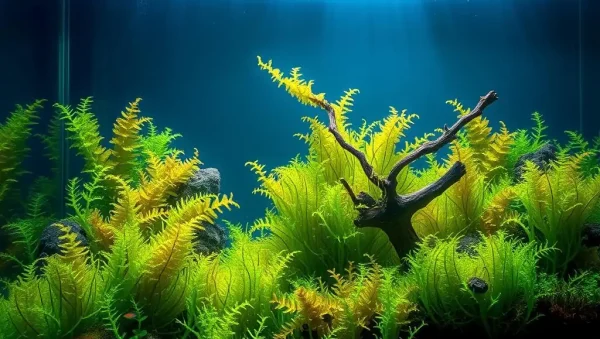
Caulerpa includes attractive saltwater macroalgae varieties that can add movement, texture, and vibrant green color to a marine aquascape. This subcategory covers Caulerpa care, aquarium lighting, substrate requirements, nutrient uptake, trimming, and propagation, helping aquarists choose an appropriate species for a refugium or display tank.
Because Caulerpa can spread quickly, readers will also find guidance on managing aggressive growth and reducing the risk of unwanted invasion. Learn why consistent pruning, stable lighting, and careful observation are important, along with how to recognize reproductive events, pale growth, fragmentation, and potential “going sexual” behavior.
❤️ Gracilaria Care, Color, and Nutrient Export
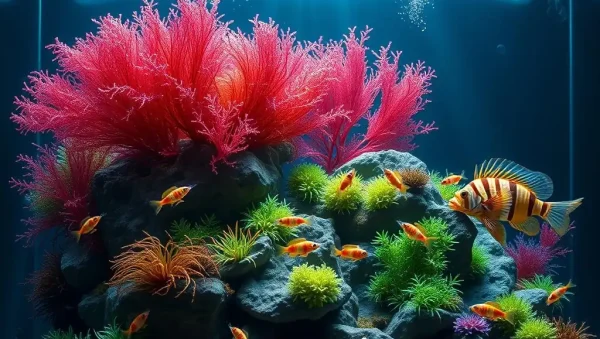
Gracilaria is a versatile red macroalga valued for its attractive branching form and usefulness in marine aquariums. Expect information about Gracilaria lighting, moderate water movement, nutrient availability, harvesting, attachment methods, and propagation. Its red, burgundy, or pink tones can create a striking contrast against live rock, sand, and reef décor.
This section also explores how Gracilaria can support nutrient export while providing cover for small invertebrates and peaceful fish. You will learn how to maintain healthy growth, avoid excessive detritus buildup, and identify signs of stress caused by poor circulation, unstable salinity, inadequate nutrients, or unsuitable lighting.
💧 Macroalgae for Nitrate and Phosphate Control
Saltwater macroalgae are widely used as a natural method of managing aquarium nutrients. Readers can compare how Chaetomorpha, Caulerpa, and Gracilaria absorb dissolved nutrients and how regular macroalgae harvesting removes nitrogen and phosphorus from the system. This can be especially useful in reef tanks with heavy feeding, fish populations, or persistent nitrate and phosphate issues.
Macroalgae are not a replacement for water changes, mechanical filtration, protein skimming, or responsible feeding. Instead, they work as part of a complete aquarium maintenance strategy. Learn how to monitor nitrate, phosphate, alkalinity, salinity, and pH while adjusting lighting, flow, and harvesting routines for balanced macroalgae growth.
💡 Saltwater Macroalgae Lighting and Water Flow
Proper lighting and circulation are essential for successful macroalgae growth. This subcategory explains how to select a suitable refugium light or aquarium light based on macroalgae type, tank depth, spectrum, intensity, and photoperiod. You will find practical guidance on LED refugium lighting, light duration, algae positioning, and acclimation.
Water movement helps deliver carbon dioxide, nutrients, and trace elements while preventing detritus from settling on macroalgae. Readers will learn how to provide gentle to moderate flow for different species, avoid dead spots, and position powerheads or return outlets without shredding delicate growth.
🧪 Water Parameters and Macroalgae Nutrition
Healthy marine macroalgae require stable saltwater conditions and access to essential nutrients. Expect guidance on maintaining appropriate salinity, temperature, pH, alkalinity, nitrate, phosphate, magnesium, iron, and trace elements. These factors influence macroalgae color, growth rate, resilience, and ability to contribute to nutrient export.
Over-filtering an aquarium can sometimes result in an ultra-low nutrient environment where macroalgae stop growing or become pale. This section explains how to interpret test results, avoid unnecessary dosing, and maintain a balanced nutrient level without encouraging nuisance algae or harming corals and invertebrates.
✂️ Pruning, Harvesting, and Macroalgae Propagation
Routine pruning keeps saltwater macroalgae productive, attractive, and manageable. Learn how to harvest Chaetomorpha, trim Caulerpa, and cut Gracilaria using clean tools while preserving enough healthy growth for continued development. Regular harvesting is one of the most important steps in nutrient export because removed algae physically carries absorbed nutrients out of the aquarium.
Readers can also learn how to propagate macroalgae through division, cuttings, or controlled fragmentation. Detailed maintenance advice helps prevent overgrowth, shading, nutrient depletion, and detritus accumulation while making it easier to share healthy macroalgae with other aquarists.
🐠 Macroalgae as Habitat and Natural Aquascaping
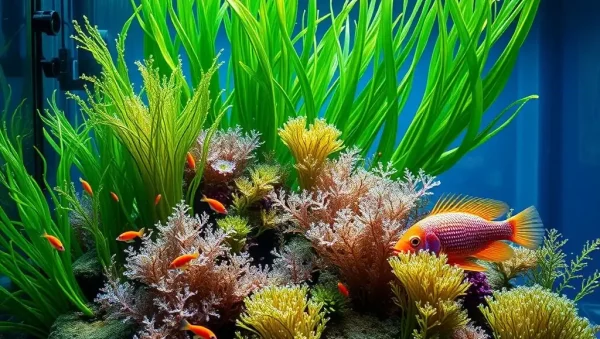
Beyond filtration, macroalgae can improve the biological complexity of a marine aquarium. Dense growth offers shelter for copepods, amphipods, juvenile invertebrates, and small reef organisms. Chaeto refugiums and Gracilaria displays can also create valuable habitat while supporting a more natural saltwater aquarium ecosystem.
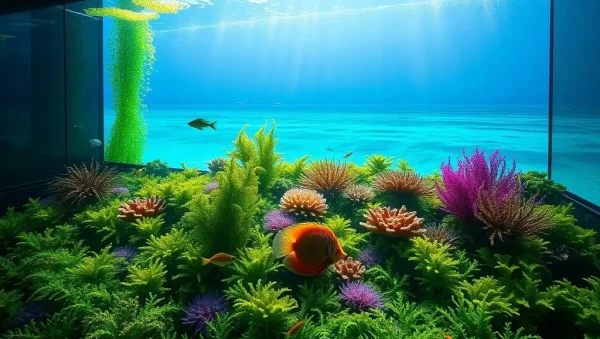
Macroalgae can be used in refugiums, rear filtration chambers, sump systems, nano reef tanks, fish-only aquariums, and dedicated planted marine displays. Learn how to combine natural texture and color with practical filtration while selecting species that match the behavior of your fish, invertebrates, and corals.
⚠️ Common Saltwater Macroalgae Problems and Solutions
Macroalgae may experience slow growth, bleaching, melting, fragmentation, pest damage, detritus buildup, or discoloration when conditions are unsuitable. This section provides troubleshooting advice for common issues involving insufficient light, poor flow, nutrient imbalance, unstable salinity, herbivorous livestock, and accidental contamination.
You will also learn how to quarantine or rinse newly acquired macroalgae, inspect it for unwanted hitchhikers, and prevent nuisance algae from entering the display tank. Careful observation and gradual adjustments are emphasized so aquarists can correct problems without creating sudden changes in water chemistry.
❓ Frequently Asked Questions About Saltwater Macroalgae
What is the best macroalgae for a saltwater refugium?
Chaetomorpha is often considered the best beginner-friendly macroalgae for a refugium because it grows in a tangled mass, is easy to harvest, and generally does not attach aggressively to rockwork. However, the best choice depends on available lighting, flow, nutrient levels, tank size, and the desired appearance.
Does saltwater macroalgae reduce nitrate and phosphate?
Yes. Growing macroalgae can absorb nitrate and phosphate as nutrients, and harvesting the algae removes some of those nutrients from the aquarium. Macroalgae works most effectively alongside protein skimming, water changes, appropriate feeding, mechanical filtration, and regular water testing.
Can Caulerpa be kept in a reef display tank?
Caulerpa can be kept in some reef displays, but it requires careful management because it may spread rapidly and attach firmly to rockwork or substrate. Regular pruning, controlled placement, and monitoring are essential. Many aquarists prefer growing Caulerpa in a refugium where its expansion is easier to contain.
How much light does saltwater macroalgae need?
Lighting requirements vary by species and setup. Chaetomorpha commonly grows well under a dedicated refugium LED with an appropriate spectrum and photoperiod, while Gracilaria and Caulerpa may require different intensity and placement. Start with a moderate schedule, acclimate gradually, and observe color and growth before increasing intensity or duration.
Why is my marine macroalgae turning pale or melting?
Pale or melting macroalgae may indicate inadequate light, poor circulation, unstable water parameters, nutrient deficiency, sudden acclimation stress, pest damage, or excessive heat. Test salinity, temperature, nitrate, and phosphate, inspect the algae for decay or pests, improve flow if necessary, and remove damaged sections before making gradual corrections.