Advanced DIY Fry Food Recipes for Discerning Tetras by Aquarium Mastery
🌟 Discover expert-level DIY tetra fry food recipes tailored for discerning aquarists. Aquarium Mastery offers detailed guidance on nourishing your tetras, ensuring…
Read article
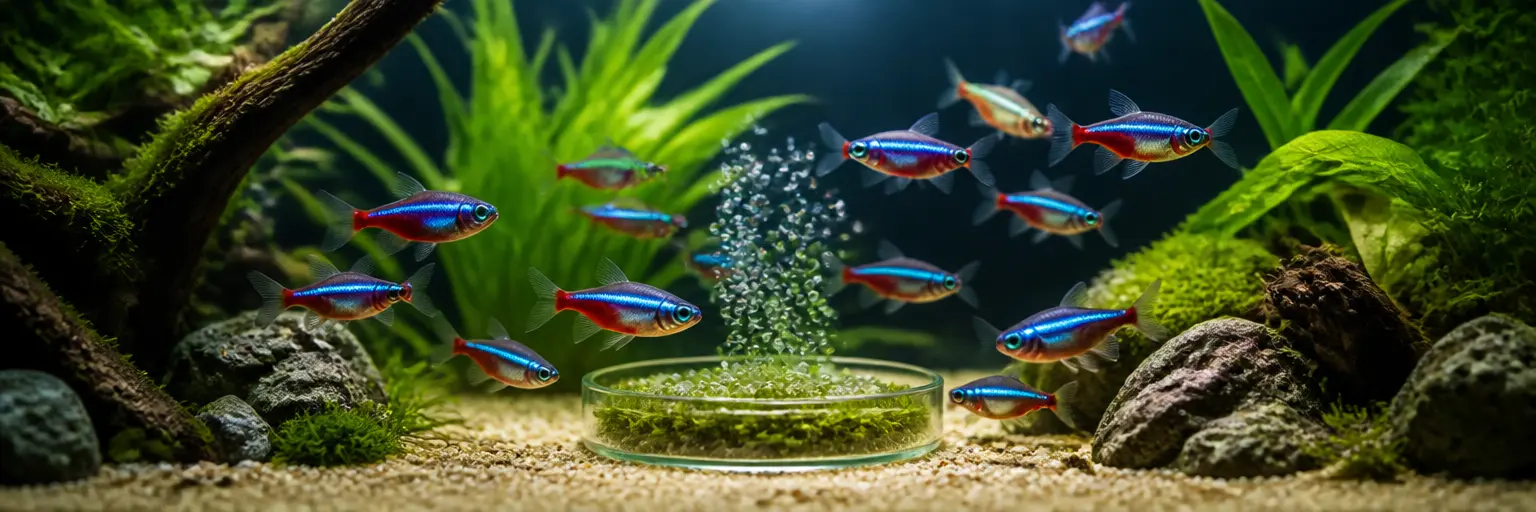
Discover expert guidance for advanced tetra care and breeding 🐠, from conditioning healthy pairs and managing spawning tanks to optimizing water chemistry, fry care, feeding, and genetic selection. Explore practical freshwater aquarium techniques designed to improve tetra health, encourage successful breeding, and support vibrant, thriving communities. Master every stage with Aquarium Mastery!
🌟 Discover expert-level DIY tetra fry food recipes tailored for discerning aquarists. Aquarium Mastery offers detailed guidance on nourishing your tetras, ensuring…
Read article
🌟 Discover expert strategies for managing Tetra fry parasite treatment effectively in your aquarium. This advanced protocol ensures healthy, parasite-free tanks, helping…
Read article
🌟 Discover how tannins improve tetra breeding by enhancing water quality and creating a natural environment, crucial for successful aquaculture. AquariumMastery.com offers…
Read article
🌊 Discover the key to successful soft water tetra breeding with expert insights on optimizing water chemistry and tank conditions. AquariumMastery.com offers…
Read article
🌟 Discover expert tips on optimizing Tetra fry growth with our advanced Tetra fry feeding schedule. AquariumMastery.com offers comprehensive guidance on setting…
Read article
🌟 Master the art of safeguarding your tetra breeding stock with Aquarium Mastery's expert tips on the new aquarium quarantine process. Ensure…
Read article
🌟 Discover how "Green water rearing tetra fry" enhances survival rates by providing natural nutrition and fostering healthy growth. AquariumMastery.com offers expert…
Read article
🌟 Struggling with a Tetra spawn stalling troubleshooting? Aquarium Mastery offers expert strategies to revive your breeding success, ensuring vibrant, healthy fish.…
Read article
🌟 Unlock the secrets of successful breeding with AquariumMastery.com's expert Tetra spawning troubleshooting techniques, guiding you through advanced strategies to induce spawning…
Read article
🌟 Transform your passion into expertise with AquariumMastery.com's Tetra breeding aquarium setup guide. Learn essential steps to scale up from hobbyist to…
Read article
🌟 Discover how to optimize your Tetra breeder conditioning tank for peak breeding success. AquariumMastery.com provides expert tips on setting up and…
Read article
🌟 Discover advanced Tetra nutrition breed ready strategies at AquariumMastery.com, ensuring your tetras thrive with optimal nourishment. Elevate your breeding success and…
Read articleWelcome to Aquarium Mastery’s Advanced Tetra Care & Breeding Techniques subcategory, a specialist resource for aquarists who want to move beyond basic tetra care. Explore in-depth guidance on tetra breeding, conditioning adult fish, spawning behavior, fry care, water chemistry, planted aquarium design, genetic selection, disease prevention, and species-specific husbandry. Whether you keep neon tetras, cardinal tetras, rummy-nose tetras, ember tetras, black skirt tetras, or other freshwater tetra species, these articles provide practical, evidence-based strategies for creating stable conditions and raising healthy fish.
Successful advanced tetra care begins with consistent water quality. Learn how to manage pH, general hardness, carbonate hardness, temperature, ammonia, nitrite, and nitrate for different tetra species. Our guides explain how to interpret water test results, acclimate sensitive fish, use reverse osmosis water safely, and maintain stable parameters without causing dangerous fluctuations.
You will also discover methods for improving tetra habitat design through dense planting, gentle filtration, subdued lighting, leaf litter, spawning mops, and natural hiding areas. These techniques can reduce stress, encourage natural behavior, and create a more suitable environment for both community aquariums and dedicated tetra breeding tanks.
Discover how experienced aquarists prepare tetras for spawning using high-quality nutrition, live foods, temperature adjustments, and carefully controlled water conditions. Detailed articles cover pair selection, sex identification, breeding tank setup, egg scattering behavior, spawning triggers, and methods for protecting tetra eggs from hungry adults.
Readers can expect practical information on breeding neon tetras, cardinal tetras, ember tetras, rummy-nose tetras, and other egg-scattering species. Learn when to remove adult fish, how to use fine-leaved plants or spawning mops, and how darkness, soft water, and low conductivity may influence breeding success.
Raising tetra fry requires patience, precision, and excellent water quality. Learn how to identify viable eggs, prevent fungus, perform safe water changes, and provide suitable first foods such as infusoria, liquid fry food, vinegar eels, microworms, and newly hatched brine shrimp. These techniques support strong early development and reduce losses during the most sensitive stages.
Advanced fry-care resources also explain feeding frequency, filtration for breeding tanks, growth monitoring, grading young fish, and gradually transitioning juveniles to larger foods. You will learn how to maintain clean water while avoiding excessive current, helping young tetras develop healthy bodies, coloration, and schooling behavior.
For aquarists interested in long-term breeding projects, this subcategory explores selective tetra breeding and responsible genetic management. Learn how to choose healthy broodstock, maintain accurate breeding records, avoid excessive inbreeding, and select desirable traits such as color intensity, body shape, finnage, and vigor.
Our content emphasizes ethical breeding practices rather than appearance alone. Readers will learn how to identify weak or deformed fish, preserve genetic diversity, prevent line degeneration, and improve a strain gradually through careful pairing and long-term observation.
Planted aquariums can provide natural shelter, water stability, and visual security for breeding tetras. Explore the benefits of Java moss, spawning mops, floating plants, Cryptocoryne, Anubias, and other aquarium plants for creating protected spawning zones. Articles also discuss lighting intensity, nutrient management, algae control, and plant maintenance in breeding setups.
You will learn how to balance plant growth with breeding goals, avoid excessive debris, and design aquascapes that make it easier to observe eggs and fry. These strategies are useful for both natural community spawning and controlled species-only breeding tanks.
Healthy breeders produce stronger eggs and fry, so prevention is central to advanced tetra husbandry. Learn how to quarantine new fish, recognize early signs of stress and disease, manage nutrition, and reduce the risk of parasites, bacterial infections, fungal growth, and common tetra illnesses such as neon tetra disease.
Our guides explain how to use quarantine aquariums, maintain stable temperature and water chemistry, and respond to symptoms without harming beneficial bacteria. You will also find guidance on safe medication practices, isolation procedures, and preventing disease transmission between breeding tanks and community aquariums.
Advanced care includes selecting appropriate tank mates and managing social behavior. Learn which peaceful fish are compatible with tetras and which species may eat eggs, harass adults, compete for food, or create excessive stress. Guidance covers schooling group size, aquarium dimensions, stocking density, and species-specific temperament.
Readers will also discover how to separate breeding projects from community aquariums, manage territorial behavior, and use feeding routines that ensure every tetra receives adequate nutrition. These recommendations help maintain a calm, healthy freshwater community tank while protecting breeding objectives.
Ideal parameters depend on the species, but many breeding tetras prefer clean, soft, slightly acidic water with a stable temperature. Always research the exact requirements of your species and make gradual adjustments. The most important factors are zero ammonia, zero nitrite, low nitrate, stable temperature, and consistent water chemistry.
Adult tetras often eat their own eggs, so use a dedicated breeding tank, spawning mop, mesh divider, or dense fine-leaved plants. After spawning, remove the adult fish or separate the eggs. Dim lighting and gentle filtration can also help protect developing embryos.
Newly free-swimming fry require very small foods, including infusoria, commercial liquid fry food, vinegar eels, and microworms. As they grow, introduce newly hatched brine shrimp and finely crushed foods. Offer small portions several times daily while maintaining excellent water quality.
A separate breeding aquarium is strongly recommended for reliable results. It allows you to control water conditions, protect eggs, reduce competition, and monitor fry development. A small, bare-bottom tank with gentle filtration and spawning material is often easier to manage than a community aquarium.
White eggs are commonly infertile or affected by fungus. Poor water quality, unsuitable breeding conditions, weak broodstock, and excessive light may contribute to losses. Remove affected eggs carefully, improve water quality, and review conditioning, temperature, and spawning conditions before trying again.