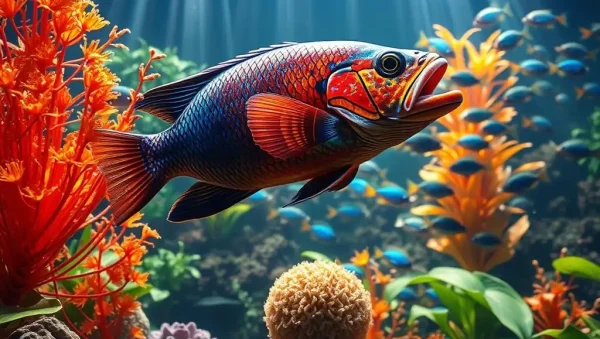
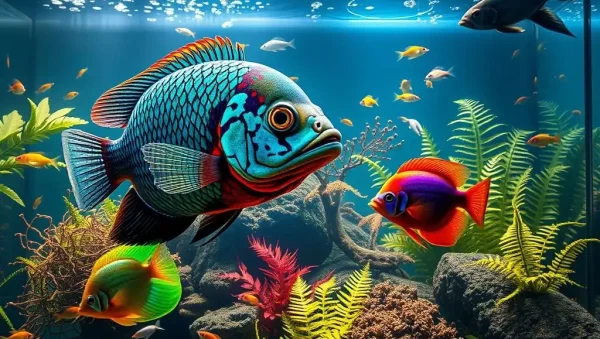
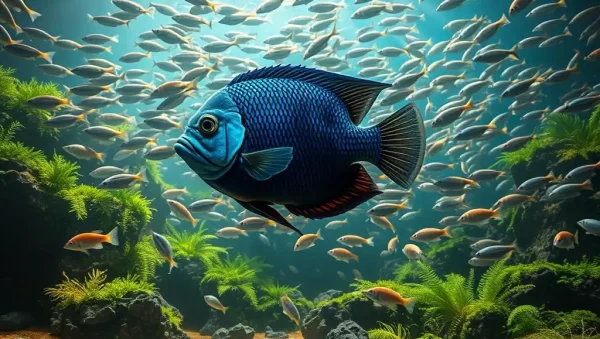
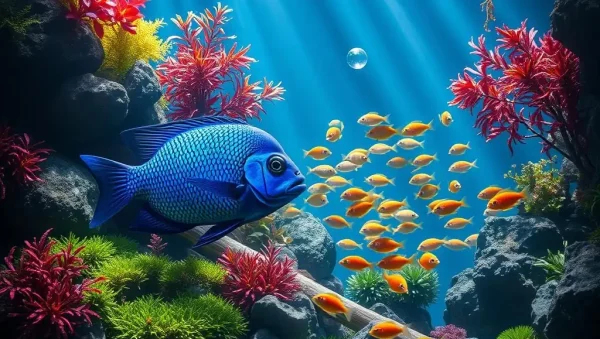
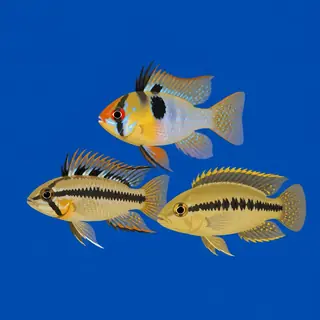
African Rift Lake Cichlids (Mbuna & Peacock): Species, Diet & Aggression 🐟
Explore the fascinating world of African Rift Lake cichlids with Aquarium Mastery’s detailed guides to Mbuna and Peacock cichlids. This subcategory covers species profiles, aquarium setup, water chemistry, diet, tank mates, breeding behavior, disease prevention, and aggression management for popular fish from Lake Malawi and other African Great Lakes. Whether you are choosing your first cichlid or improving an established aquarium, you will find practical information for creating a colorful, stable, and healthy freshwater fish habitat.
🌊 Mbuna Cichlid Species and Aquarium Profiles
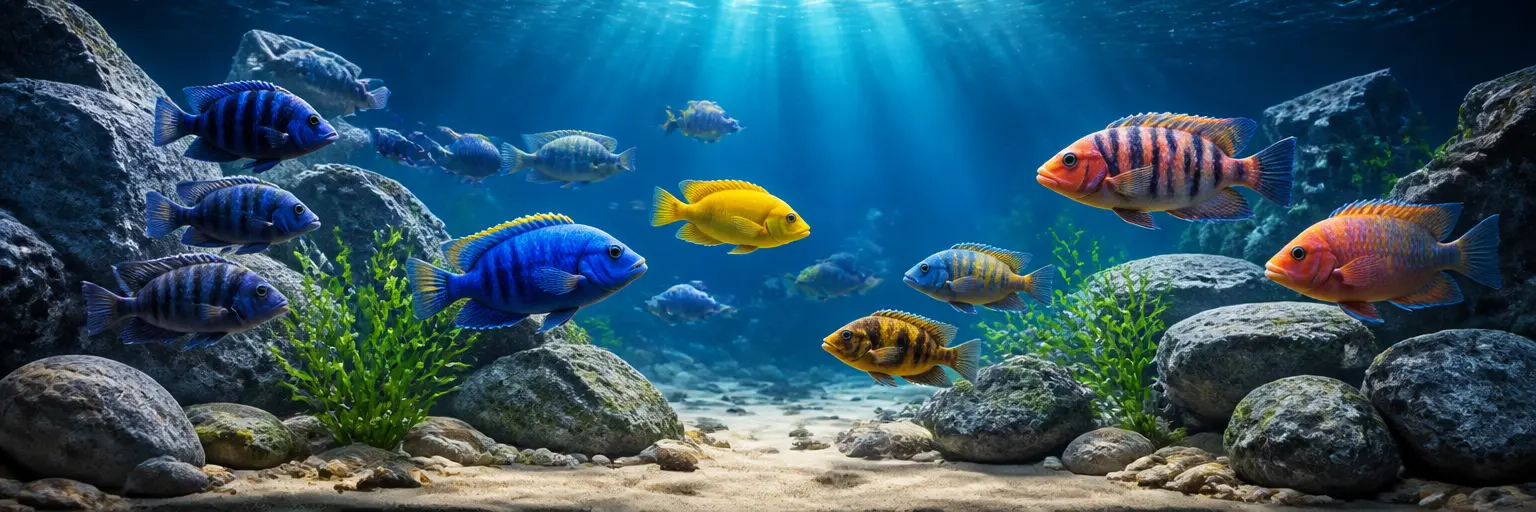
Mbuna cichlids are active, colorful rock-dwelling fish native to Lake Malawi. Our species profiles explain the differences between popular Mbuna varieties, including electric yellow cichlids, zebra cichlids, rusty cichlids, auratus cichlids, socolofi cichlids, and acei cichlids. Readers can learn about adult size, temperament, coloration, swimming behavior, lifespan, and compatibility before selecting fish for a community cichlid tank.
Expect clear care recommendations covering tank size, aquascaping, filtration, water movement, and suitable hiding places. Because Mbuna are territorial, these guides emphasize rockwork, visual barriers, stocking strategy, and responsible species selection to reduce stress and prevent serious fighting.
🦚 Peacock Cichlid Species and Care Requirements
Peacock cichlids, also known as Aulonocara, are prized for their vibrant blue, yellow, orange, and red colors. Our Peacock cichlid content explores popular species, male and female differences, natural behavior, growth expectations, and the conditions required for long-term health in a Lake Malawi aquarium.
Readers will discover how Peacock cichlids differ from Mbuna in temperament and feeding habits. Since they generally prefer calmer environments, the guides explain how to build a peaceful African cichlid community with appropriate tank mates, open swimming areas, sandy substrate, moderate rockwork, and stable alkaline water parameters.
🍽️ African Cichlid Diet and Feeding Guides
Proper nutrition is essential for maintaining the color, growth, immunity, and digestive health of Rift Lake cichlids. This subcategory explains how to choose high-quality cichlid pellets, flakes, spirulina foods, algae-based formulas, frozen foods, and occasional treats according to the species being kept.
Mbuna typically require a predominantly herbivorous diet, while many Peacock cichlids benefit from more protein-rich foods. Our guides highlight overfeeding risks, feeding frequency, portion control, and the dangers of excessive animal protein, including digestive problems such as Malawi bloat. Practical feeding schedules help aquarists maintain clean water and healthy fish.
⚔️ Managing Cichlid Aggression and Territorial Behavior
African cichlid aggression is natural, but uncontrolled bullying can cause injury, chronic stress, and death. Aquarium Mastery explains why Mbuna are often more territorial than Peacock cichlids and how dominance hierarchies develop in an aquarium. Readers can identify warning signs such as torn fins, hiding, rapid breathing, faded coloration, and fish refusing food.
Learn proven ways to reduce conflict through appropriate stocking levels, rearranged rockwork, compatible species combinations, gender balance, and careful acclimation. The content also explains when to isolate an injured fish, remove a persistent aggressor, or redesign the aquarium to improve territory distribution.
🏞️ Tank Setup, Water Chemistry, and Aquascaping
Successful African Rift Lake cichlid care starts with the right aquarium environment. These guides cover recommended tank dimensions, powerful biological filtration, substrate choices, aquarium rocks, caves, water movement, lighting, and safe decorations. A well-planned setup supports natural behavior while providing shelter for subordinate fish.
Lake Malawi cichlids thrive in stable, mineral-rich, alkaline water. Readers can learn about pH, general hardness, carbonate hardness, temperature, ammonia, nitrite, and nitrate, along with safe methods for testing and maintaining water chemistry. Regular water changes and an established nitrogen cycle are emphasized as essential parts of African cichlid maintenance.
🤝 Tank Mates and Community Compatibility
Choosing suitable tank mates is one of the most important decisions when keeping Mbuna and Peacock cichlids. Our compatibility guides explain which African cichlids can share an aquarium and why peaceful tropical fish, slow-moving species, and small community fish are often poor choices.
You will find advice on combining similar-sized fish with comparable water requirements and temperament. The guides focus on species compatibility, adult size, aggression level, feeding competition, and available swimming space, helping aquarists avoid overcrowding and incompatible combinations.
🥚 Breeding, Fry Care, and Sexing African Cichlids
Many Mbuna and Peacock cichlids are mouthbrooders, making their breeding behavior especially interesting. This subcategory explains courtship displays, spawning signs, egg carrying, male and female identification, and the different ways aquarists can protect fry in a dedicated breeding setup.
Readers can learn about brooding females, fry release, nursery tanks, juvenile foods, and responsible population management. Information about selective breeding, avoiding unwanted hybridization, and maintaining healthy genetic lines helps both beginners and experienced cichlid keepers breed fish responsibly.
🩺 Health, Disease Prevention, and Troubleshooting
Healthy Rift Lake cichlids are alert, active, brightly colored, and willing to eat. Our troubleshooting guides cover common concerns such as Malawi bloat, ich, bacterial infections, parasites, fin damage, flashing, swollen bellies, color loss, and unexplained deaths.
Learn how to distinguish illness from normal territorial behavior and how poor water quality, stress, inappropriate food, overcrowding, and aggressive tank mates can contribute to disease. Practical advice emphasizes quarantine, water testing, clean maintenance routines, early diagnosis, and gradual treatment whenever health problems appear.
❓ Frequently Asked Questions About Mbuna and Peacock Cichlids
What is the difference between Mbuna and Peacock cichlids?
Mbuna are generally rock-dwelling Lake Malawi cichlids with stronger territorial behavior and, in many species, an algae-focused diet. Peacock cichlids are usually more open-water fish with calmer temperaments and more varied protein needs. Both require warm, alkaline, mineral-rich water and careful tank-mate selection.
How large should an aquarium be for African Rift Lake cichlids?
Aquarium size depends on the species, adult size, and stocking plan. A species-only setup may be possible in a smaller aquarium, but a mixed Mbuna community commonly benefits from a tank of at least 75 gallons. Larger aquariums provide more swimming space and help distribute territorial behavior.
Can Mbuna and Peacock cichlids live together?
They can sometimes be housed together in a large, carefully planned aquarium, but it is not always ideal. Mbuna may harass calmer Peacocks, and their dietary preferences can differ. If combining them, choose similarly sized fish, avoid highly aggressive Mbuna, provide extensive rockwork, and monitor behavior closely.
What should African Rift Lake cichlids eat?
Mbuna should receive a high-quality algae-based diet containing spirulina and other plant ingredients, with limited animal protein. Peacock cichlids can eat quality cichlid pellets and a more varied diet that includes suitable protein sources. Feed small portions once or twice daily and remove uneaten food to protect water quality.
How can I reduce aggression in an African cichlid aquarium?
Use an appropriately sized tank, add plenty of rocks and visual barriers, maintain suitable stocking levels, and select compatible species. Rearranging decorations can disrupt established territories. Watch for persistent bullying, severe fin damage, or fish that stop eating; these signs may require isolation or permanent rehoming of an aggressive fish.