Dwarf Gourami Filtration Needs: Gentle Flow for Happy Fish
🌟 Ensure your gentle flow dwarf gourami thrives with proper filtration—prefer a calm, gentle water current to keep your fish happy and…
Read article
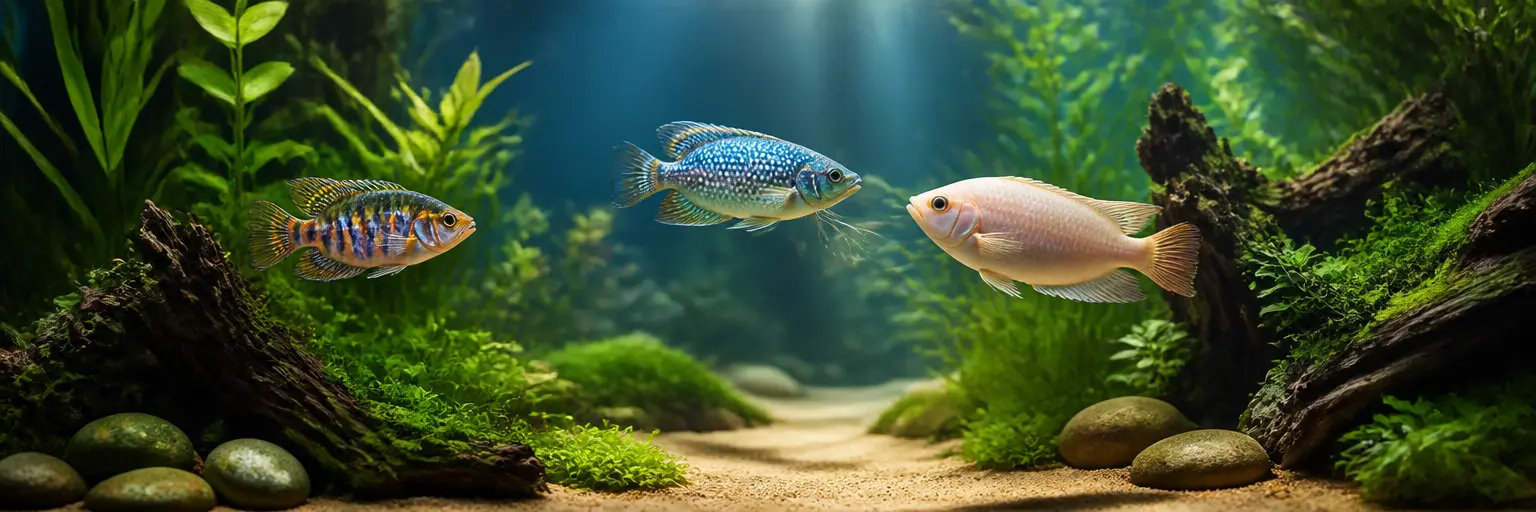
Discover the fascinating world of gouramis 🐠 with expert guidance on dwarf, pearl, and kissing gourami care. Learn about their unique anabantoid behavior, labyrinth-breathing adaptation, peaceful tank mates, aquarium setup, water parameters, feeding, breeding, and common health concerns. Whether you’re a beginner or an experienced aquarist, find practical freshwater fish advice to create a thriving, stress-free habitat for these colorful and intelligent species.
🌟 Ensure your gentle flow dwarf gourami thrives with proper filtration—prefer a calm, gentle water current to keep your fish happy and…
Read article
🐠 Discover how Gouramis use unique sounds and communication methods to interact in their environment. AquariumMastery.com delves into the fascinating world of…
Read article
🐠 Discover the fascinating evolution of labyrinth fish and master their care with expert Labyrinth fish care tips. AquariumMastery.com offers comprehensive guidance…
Read article
🐠 Discover essential tips to prevent Kissing Gourami health problems, ensuring your fish remain vibrant and healthy. Learn common signs of illness…
Read article
🌟 Struggling with Pearl Gourami color fading or lethargy? AquariumMastery.com offers expert troubleshooting tips to revive your fish’s vibrant hues and health,…
Read article
🌕 Discover the enchanting beauty of the Moonlight Gourami with our comprehensive Moonlight Gourami care requirements guide. Learn essential tips for maintaining…
Read article
😊 Discover the mesmerizing beauty of the Lace Gourami, also known as the Pearl Gourami, and learn expert tips on creating a…
Read article
😊 Discover essential insights into Kissing Gourami tank compatibility, ensuring a harmonious environment for this unique species. AquariumMastery.com provides expert guidance on…
Read article
🌟 Struggling with a Dwarf gourami won't eat? Discover essential troubleshooting tips to revive your fish’s appetite, including water quality checks, diet…
Read article
🐟 Discover the truth about gourami shrimp tank compatibility—are these peaceful partners or a potential disaster? AquariumMastery.com provides expert insights on creating…
Read article
😊 Discover the intriguing dwarf gourami temperament and behavior patterns, highlighting their shy nature and territorial quirks. AquariumMastery.com offers expert insights on…
Read article
🌟 Discover how to identify Dwarf Gourami stress signs and create a tranquil environment to alleviate their stress causes relief. AquariumMastery.com offers…
Read articleDiscover expert guidance on gourami care for dwarf gouramis, pearl gouramis, kissing gouramis, and other popular anabantoid fish. Aquarium Mastery explains their unique labyrinth-organ breathing, peaceful and territorial behavior, ideal aquarium setup, water parameters, compatible tank mates, feeding requirements, breeding habits, and common health concerns. Whether you are a beginner freshwater aquarist or an experienced fishkeeper, this subcategory provides practical information for creating a stable, attractive, and healthy gourami aquarium.
Learn how dwarf gouramis, pearl gouramis, honey gouramis, blue gouramis, and kissing gouramis differ in adult size, temperament, coloration, activity level, and care requirements. Each species profile focuses on important traits such as territorial behavior, social needs, swimming zones, and compatibility with community fish.
Readers can also explore how anabantoid fish behave in the wild, including their preference for slow-moving, densely planted waters. Understanding natural behavior makes it easier to recognize normal curiosity, surface breathing, courtship, hiding, aggression, and stress in a home aquarium.
Find practical recommendations for gourami tank size, aquarium dimensions, filtration, heating, lighting, substrate, and live plants. Dwarf and honey gouramis may thrive in smaller peaceful community aquariums, while pearl and kissing gouramis require more swimming space because of their larger adult size and activity levels.
Detailed care guidance covers stable tropical water conditions, gentle filtration, secure lids, open access to the water surface, and regular maintenance. Readers will learn how to manage temperature, pH, hardness, ammonia, nitrite, and nitrate while avoiding sudden water changes that can stress sensitive fish.
Choosing suitable gourami tank mates is essential for maintaining a calm freshwater community aquarium. This section explains how gouramis interact with peaceful tetras, rasboras, corydoras, peaceful barbs, livebearers, snails, and compatible bottom-dwelling fish.
You will also learn which species may cause problems, including fin-nipping fish, highly aggressive cichlids, boisterous tank mates, and other territorial anabantoids. Recommendations emphasize compatible temperament, adequate aquarium space, visual barriers, and thoughtful stocking levels.
Explore a balanced gourami diet built around high-quality tropical flakes, micro pellets, sinking foods, frozen foods, and occasional live foods. Gouramis benefit from varied nutrition, and appropriate feeding can support vibrant coloration, healthy growth, immune function, and successful breeding.
Learn how often to feed gouramis, how much food to offer, and how to prevent overfeeding. Advice also covers feeding shy fish, offering floating foods for surface feeders, and removing uneaten food to protect water quality and reduce waste-related health problems.
Gouramis are anabantoid fish with a specialized labyrinth organ that allows them to breathe atmospheric air at the water surface. This adaptation is normal, but it also means the aquarium must provide access to warm, humid air above the waterline.
Readers will learn why strong surface agitation, cold air, a missing aquarium lid, or poor water quality can create respiratory stress. Occasional surface visits are expected, while constant gasping, rapid breathing, or hanging at the surface may indicate illness or unfavorable aquarium conditions.
Discover how male gouramis build bubble nests using surface bubbles, plant material, and saliva. This section explains courtship displays, spawning behavior, egg protection, and the differences between breeding dwarf gouramis, pearl gouramis, and other anabantoid species.
Guidance also covers breeding tank setup, floating plants, water depth, conditioning foods, separating the female after spawning, and protecting fry from filtration and adult fish. A careful approach helps improve survival rates while reducing aggression during courtship.
Learn how to identify common gourami health problems, including ich, bacterial infections, fungal growth, fin damage, parasites, bloating, wasting, and abnormal swimming. Early observation of appetite, color, posture, breathing, and behavior can help aquarists respond before a condition becomes severe.
Preventive care is built around quarantine, clean water, stable parameters, nutritious food, low stress, and responsible stocking. Aquarium Mastery also explains how to investigate unexplained deaths, aggression, surface gasping, clamped fins, and persistent hiding in a gourami aquarium.
A consistent aquarium maintenance schedule supports long-term gourami health. Readers can learn how to perform partial water changes, test water chemistry, clean equipment, inspect plants, maintain filtration media, and remove debris without disrupting beneficial bacteria.
Practical troubleshooting strategies help aquarists respond to cloudy water, algae growth, unstable pH, rising nitrate, damaged plants, and declining fish activity. These habits create a more stable environment for peaceful freshwater fish and sensitive anabantoid species.
Many gouramis, especially honey gouramis and some dwarf gouramis, can be suitable for beginners when kept in a cycled, heated, and properly maintained aquarium. Beginners should research adult size, temperament, water requirements, and disease risks before choosing a species.
The correct tank size depends on the species and number of fish. A single honey or dwarf gourami may live comfortably in a well-maintained smaller community aquarium, while pearl and kissing gouramis need substantially larger tanks because they grow bigger and require more swimming space.
Most tropical gouramis do well in stable warm water, generally around 24–28°C (75–82°F), although the ideal range varies by species. Use an aquarium heater and thermometer, and avoid sudden temperature changes that can weaken the fish or increase stress.
Sometimes, but success depends on aquarium size, species temperament, sex ratio, hiding places, and individual behavior. Mixing multiple male gouramis or combining territorial species in a cramped aquarium can lead to chasing and stress. A spacious, heavily planted aquarium is usually safer.
Gouramis naturally visit the surface to use their labyrinth organ, so occasional surface breathing is normal. However, constant gasping may indicate poor water quality, insufficient oxygen exchange, excessive heat, respiratory disease, or cold air above an uncovered aquarium. Test the water promptly and inspect the fish for additional symptoms.