The Dangers of Ammonia and Nitrite for Betta Health
🌟 Bettas are highly sensitive to ammonia and nitrite toxicity, which can cause severe health issues. Recognizing "Bettas ammonia nitrite toxicity symptoms"…
Read article
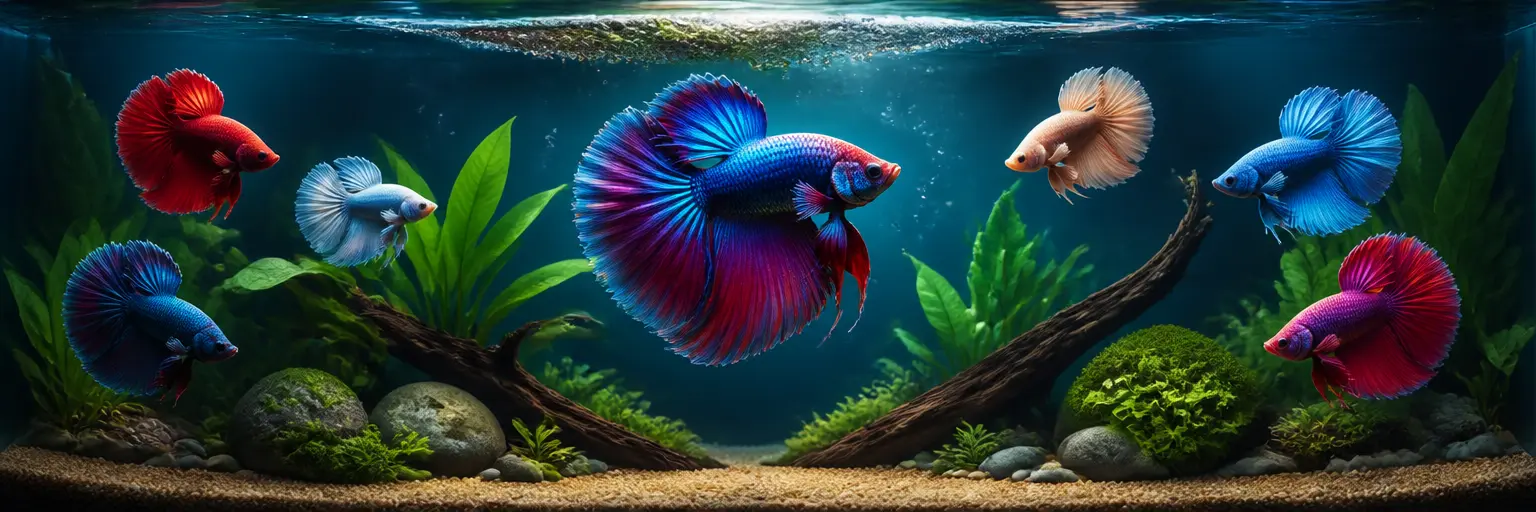
Discover expert Betta fish care with practical guidance on colorful varieties, labyrinth organ biology, ideal tank setups, water quality, nutrition, health, and compatible tank mates. 🐟 Whether you’re choosing a vibrant betta or improving an established aquarium, Aquarium Mastery helps you create a safe, enriching habitat and prevent common problems with clear, reliable freshwater aquarium advice. 💧🌿
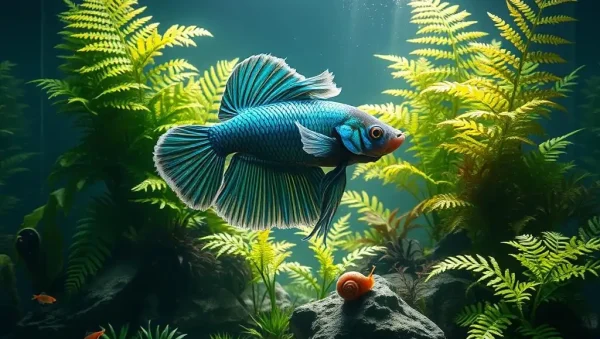
🌟 Bettas are highly sensitive to ammonia and nitrite toxicity, which can cause severe health issues. Recognizing "Bettas ammonia nitrite toxicity symptoms"…
Read article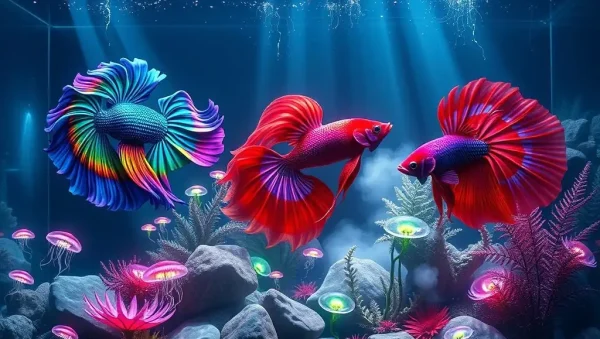
🌌 Discover the fascinating world of Alien Bettas, hybrid fish from distant galaxies. AquariumMastery.com provides essential Alien betta care tips, ensuring you…
Read article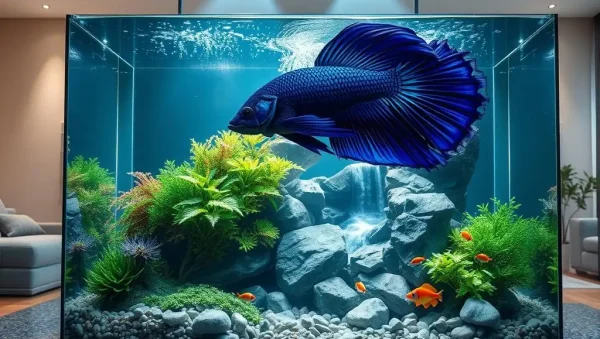
🌊 Discover how Betta fish water quality directly impacts their health and vitality. Properly maintained water chemistry, filtration, and regular monitoring are…
Read article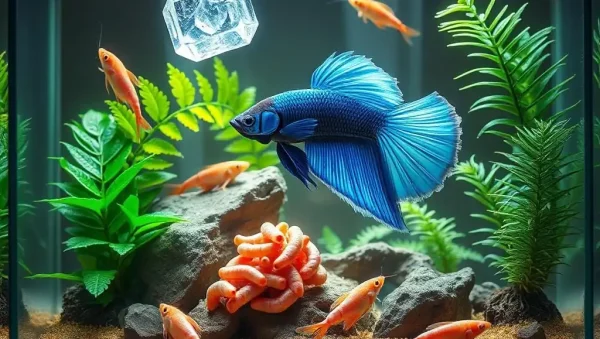
🌟 Navigate the Bettas frozen food debate with confidence! AquariumMastery.com reveals whether live, frozen, or pellet foods best support your betta’s health,…
Read article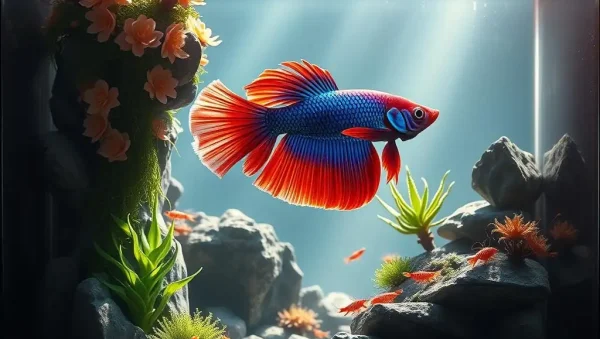
🌟 Discover the common causes behind lethargic betta fish symptoms and learn essential troubleshooting tips to restore your fish’s health. AquariumMastery.com offers…
Read article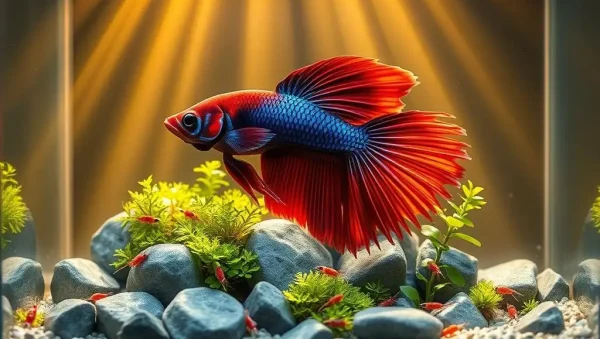
🌿 Discover the peaceful Wild Betta Imbellis, perfect for nano tanks. Our comprehensive Wild Betta Imbellis care tips ensure your calm, colorful…
Read article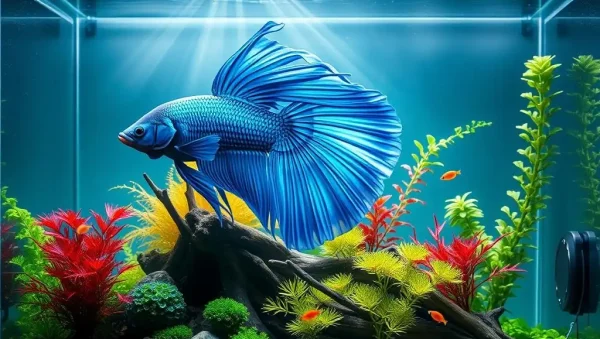
🌟 Discover the essential Betta tank lighting guide to ensure your fish thrive without stress. Learn how much light is optimal for…
Read article
😊 Recognizing signs of a happy, healthy betta fish involves observing vibrant colors, active swimming, and calm behavior. Ensuring proper water conditions…
Read article
🌟 Mastering Betta fish water chemistry is essential for vibrant, healthy bettas. Learn how pH, hardness, and other factors influence their well-being…
Read article
🌟 Discover whether Betta color change causes signal health issues or natural aging. AquariumMastery.com provides expert insights into betta coloration, helping aquarists…
Read article
🌟 Ensure a thriving Betta tank by mastering the cycling process—crucial for establishing healthy water conditions. AquariumMastery.com provides expert guidance on Betta…
Read article
🌿 Transform your Betta's habitat with our expert Blackwater betta tank setup guide. Learn essential tips on water chemistry, plant selection, and…
Read articleWelcome to Aquarium Mastery’s comprehensive guide to betta fish varieties, betta care, aquarium setup, tank mates, feeding, breeding, and health. Also known as Siamese fighting fish, bettas are colorful freshwater species with distinctive fins, fascinating behavior, and a unique labyrinth organ that allows them to breathe atmospheric air. Whether you are choosing a first betta, upgrading an existing aquarium, or learning how to prevent common illnesses, this subcategory provides practical, evidence-based guidance for successful betta fish keeping.
Discover popular betta fish varieties, including Veiltail, Crowntail, Halfmoon, Plakat, Double Tail, Dumbo Ear, Koi, Marble, and Galaxy bettas. Our species profiles explain differences in body shape, fin structure, coloration, temperament, swimming ability, and care requirements so you can select a healthy fish that suits your aquarium experience and available space.
Learn how genetics, selective breeding, and changing pigments influence betta colors and patterns. Aquarium Mastery also helps readers recognize healthy physical traits, identify potential deformities, and understand why long-finned and short-finned bettas may require different layouts, flow levels, and aquarium decorations.
Bettas belong to a group of labyrinth fish that can use a specialized labyrinth organ to absorb oxygen from air at the water’s surface. This adaptation does not mean bettas can live in bowls or unfiltered containers; they still need clean, warm, stable water and adequate swimming space for long-term health.
Explore how surface access, water temperature, humidity, and aquarium ventilation affect betta behavior and respiratory function. You will also learn to interpret bubble nests, flaring, resting, hiding, surface breathing, and territorial displays without confusing normal behavior with signs of stress or disease.
Build a safe, comfortable betta habitat with guidance on aquarium size, filtration, heaters, lids, lighting, substrate, live plants, hiding places, and water movement. A proper betta tank setup should provide stable tropical temperatures, gentle filtration, secure cover, and enough open space for natural exploration.
Learn how to cycle a betta aquarium, test ammonia, nitrite, nitrate, pH, and temperature, and establish a reliable maintenance routine. These practical recommendations help prevent poor water quality, temperature shock, fin damage, and stress while supporting a clean and stable freshwater aquarium.
Water chemistry is central to betta fish health. This section explains the nitrogen cycle, beneficial bacteria, dechlorination, water changes, filter care, and safe methods for acclimating a betta to a new aquarium. Consistent water testing is especially important in small tanks, where pollutants can accumulate quickly.
Follow realistic aquarium maintenance schedules for daily observation, weekly water testing, partial water changes, algae control, and equipment checks. You will also find troubleshooting advice for cloudy water, elevated ammonia, high nitrate, unstable pH, foul odors, and sudden changes in betta behavior.
Learn how to feed bettas a balanced, species-appropriate diet using high-quality betta pellets, frozen foods, and occasional live foods. Because bettas are carnivorous micro-predators, their diet should prioritize suitable animal-based proteins rather than low-quality fillers. Proper nutrition supports coloration, energy, immunity, and fin growth.
Our feeding guidance covers portion sizes, feeding frequency, fasting, food variety, and common mistakes such as overfeeding. Readers can also learn how to identify bloating, constipation, wasting, and uneaten food before these issues create serious water-quality problems.
Choosing betta tank mates requires careful consideration of temperament, aquarium size, swimming space, water parameters, and fin-nipping risk. Explore compatible freshwater species and invertebrates, including selected snails, peaceful bottom dwellers, and carefully chosen community fish when conditions are appropriate.
Understand why male bettas should not be housed together and why sorority setups involving female bettas can be unpredictable and demanding. Aquarium Mastery emphasizes quarantine, gradual introductions, visual barriers, and close observation to reduce aggression, bullying, and chronic stress.
Identify common betta health problems such as fin rot, ich, velvet, fungal infections, popeye, dropsy, parasites, constipation, ammonia poisoning, and swim bladder disorders. Detailed symptom guides help you distinguish disease from natural coloration, normal resting, injury, or environmental stress.
Prevention begins with excellent water quality, quarantine procedures, nutritious feeding, low-stress tank design, and appropriate temperature. Learn when supportive care may be sufficient, when isolation is needed, and when consultation with an aquatic veterinarian is the safest option. Avoid using medication without first checking water parameters and confirming likely symptoms.
Explore the fundamentals of betta breeding, including conditioning adults, selecting compatible pairs, providing a breeding tank, understanding bubble nests, and managing spawning behavior. Successful breeding requires preparation, separate housing, live food or high-quality conditioning diets, and a plan for caring for numerous fry.
Learn about egg care, hatching, free-swimming fry, first foods, water changes, grow-out tanks, and eventual separation. Breeding bettas is a significant responsibility, so our guidance also addresses genetic diversity, responsible placement of offspring, and the space required as young males mature.
A tank of at least 5 gallons is generally recommended for a single betta, with larger aquariums offering greater water stability and swimming space. The aquarium should include a gentle filter, adjustable heater, secure lid, hiding areas, and plants that do not have sharp edges. Small bowls are difficult to maintain and are not suitable for long-term betta care.
Yes. A filter helps remove waste and supports beneficial bacteria, while a heater maintains the warm tropical temperature bettas need. Choose low-flow filtration or baffle the output because strong currents can exhaust long-finned bettas. Monitor temperature with a reliable aquarium thermometer rather than relying only on the heater setting.
Some bettas can live peacefully in a properly sized community aquarium with calm, non-nipping species, but compatibility depends on the individual fish. Avoid fin-nippers, aggressive fish, and brightly colored species that may provoke territorial behavior. Always provide backup housing and remove tank mates immediately if chasing, biting, or persistent stress occurs.
For a cycled aquarium, many betta tanks benefit from a weekly partial water change of approximately 20% to 30%, although the exact schedule depends on tank size, filtration, stocking, and test results. Always use dechlorinated water with a similar temperature, and never replace all filter media at once because that can remove beneficial bacteria.
Bottom sitting or frequent gasping can indicate poor water quality, unsuitable temperature, low oxygen exchange, illness, stress, or exhaustion. Test ammonia, nitrite, nitrate, pH, and temperature immediately, confirm that the filter is operating, and perform a properly prepared partial water change if necessary. Persistent symptoms, swelling, lesions, or rapid breathing may require quarantine and professional aquatic veterinary advice.