Common Barb Diseases: Identifying and Treating Ich, Fin Rot, and More
😊 Discover essential barb fish diseases treatment tips for common ailments like Ich and fin rot. AquariumMastery.com offers expert guidance on identifying…
Read article
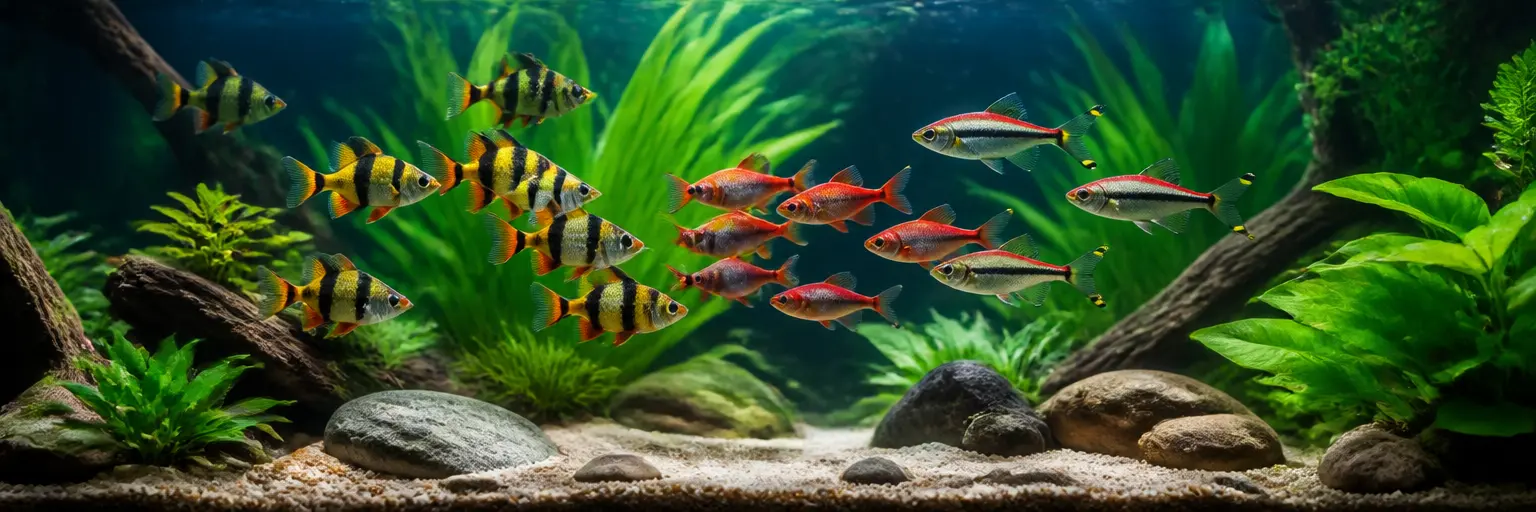
Discover Barbs—including lively Tiger, colorful Cherry, and striking Denison barbs—🐟 active cyprinid schooling fish that bring constant movement and personality to freshwater aquariums. Explore expert guidance on barb care, tank size, water parameters, diet, compatibility, breeding, and ideal tank mates to build a healthy community setup. Learn how to create the right group dynamics, décor, and maintenance routine for these energetic freshwater fish at Aquarium Mastery.
😊 Discover essential barb fish diseases treatment tips for common ailments like Ich and fin rot. AquariumMastery.com offers expert guidance on identifying…
Read article
🐟 Discover the truth behind Denison barbs aggression behavior. This article debunks common myths and offers expert insights into their social needs,…
Read article
🌿 Discover the secrets to successful Planted tank denison barb cohabitation, ensuring a harmonious environment where both thrive. AquariumMastery.com offers expert tips…
Read article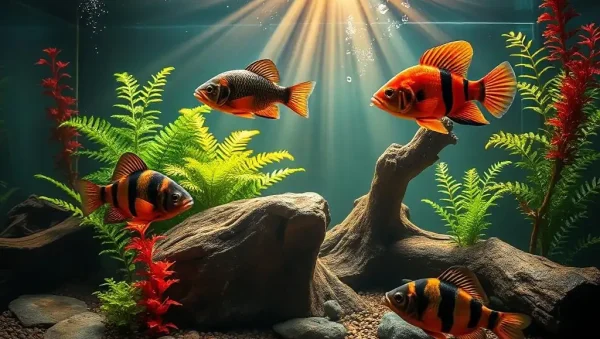
🌟 Discover the ultimate Tiger cherry denison barb comparison as we explore the distinct traits, care requirements, and tank compatibility of these…
Read article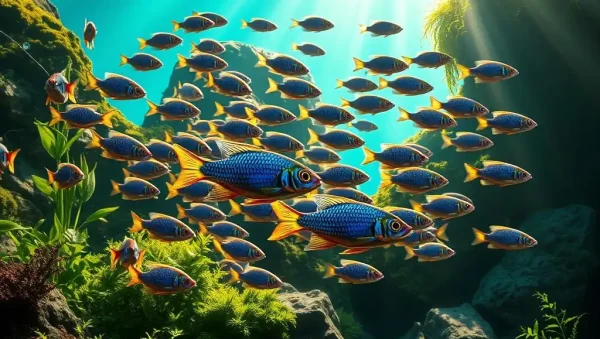
🐠 Discover essential Barbs aquarium photography tips to beautifully capture their vibrant speed and elegance. Learn expert techniques for highlighting these dynamic…
Read article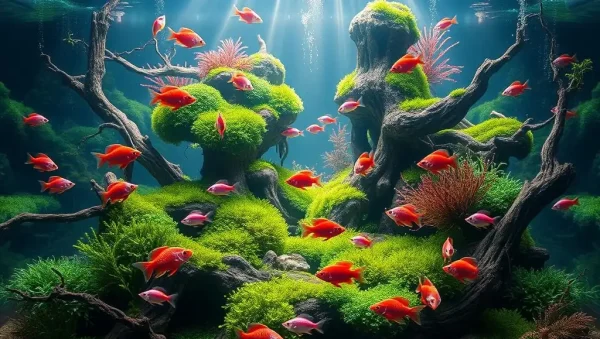
🐠 Discover the captivating Cherry barb male female differences, highlighting their unique colors and behaviors. AquariumMastery.com offers expert guidance to help you…
Read article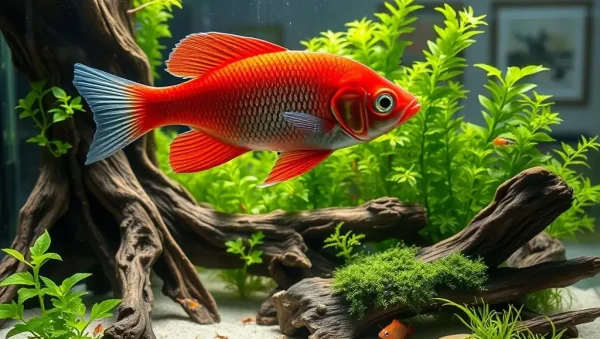
🐟 Discover how to optimize your Cherry barb lifespan care with expert tips on size, tank conditions, and maintenance. These small fish…
Read article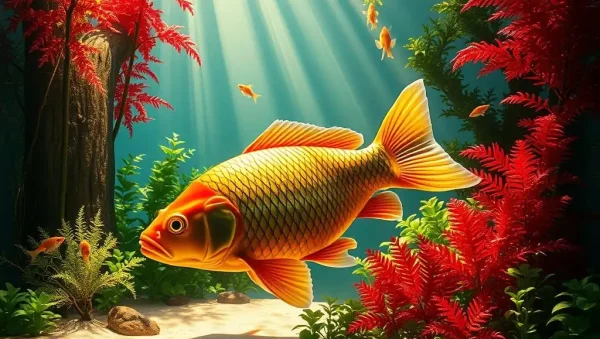
🌟 Discover essential tips for Long lifespan cyprinid care to ensure your fish thrive. AquariumMastery.com offers expert guidance on aquarium setup, water…
Read article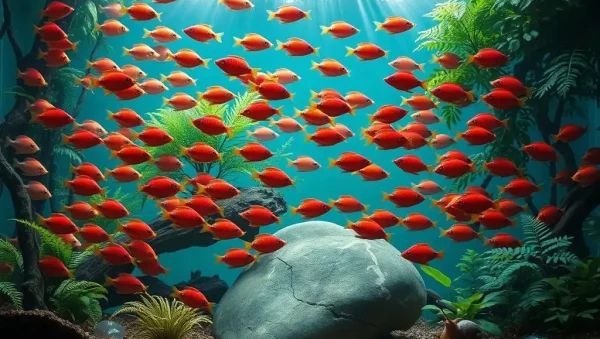
😊 Discover the essential Cherry barb schooling requirements to create a vibrant, stress-free aquarium. Proper group size fosters natural behavior, reduces aggression,…
Read article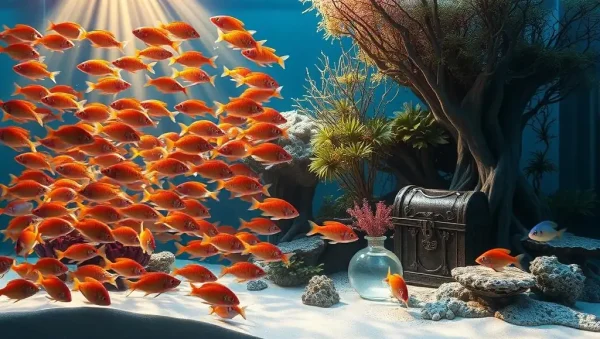
🐠 Discover essential Barbs acclimation tips guide to ensure a smooth transition for your new fish. Learn stress-free techniques for introducing your…
Read article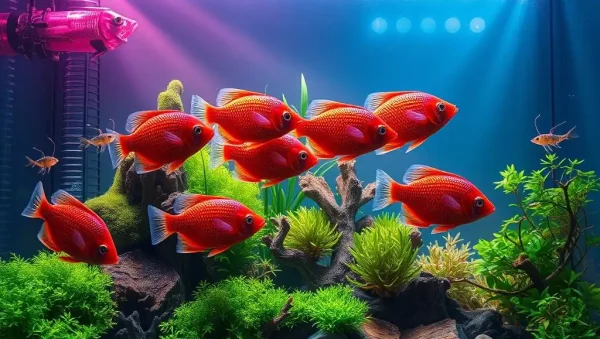
🌟 Discover the ultimate Cherry barb food guide to enhance their vibrant red hues. Proper nutrition not only boosts color but also…
Read article
🌟 Explore the vital differences between wild-caught and captive-bred Denison barbs, focusing on the ethics of sourcing and the impact on aquarium…
Read articleDiscover everything you need to know about barb fish, including Tiger Barbs, Cherry Barbs, and Denison Barbs, with Aquarium Mastery’s practical freshwater aquarium guides. This subcategory covers barb species profiles, tank size, water parameters, schooling behavior, feeding, compatibility, breeding, disease prevention, and long-term care. Whether you are selecting your first community fish or building a lively cyprinid aquarium, learn how to create a healthy environment for active, colorful schooling barbs.
Tiger Barbs are energetic freshwater fish recognized for their black vertical stripes, orange-gold body, and playful swimming patterns. Readers can learn about recommended aquarium size, filtration, water temperature, pH, aquascaping, and group size for keeping Tiger Barbs healthy and confident. A properly maintained aquarium with open swimming space, hardy plants, driftwood, and hiding places helps reduce stress and encourages natural schooling behavior.
Because Tiger Barbs can be nippy, this section explains how to manage aggression and choose suitable tank mates. Keeping a group of at least six Tiger Barbs can help distribute social interactions, while avoiding slow-moving, long-finned fish may prevent fin damage. Expect practical advice on feeding, compatibility, disease symptoms, quarantine, and routine maintenance for a thriving Tiger Barb community tank.
Cherry Barbs are peaceful, attractive cyprinids that display rich red coloration, especially when males are healthy and comfortable. This subcategory explains Cherry Barb tank requirements, ideal water conditions, schooling needs, diet, planted aquarium setups, and compatibility with peaceful freshwater species. Their calm temperament makes them a popular choice for community aquariums containing suitable tetras, rasboras, small catfish, and livebearers.
Readers can also learn how to encourage natural color, reduce stress, and identify common health concerns. Providing plants, gentle filtration, shaded areas, and a properly sized group supports confident behavior. Balanced nutrition and stable water quality are essential for maintaining vivid coloration, strong immunity, and reliable long-term Cherry Barb health.
Denison Barbs, also called Roseline Sharks or Red-Line Torpedo Barbs, are streamlined freshwater fish with silver bodies, black markings, and vivid red and yellow accents. Their active swimming style and adult size require more space than many beginner barbs. This section covers aquarium dimensions, water movement, oxygenation, filtration, temperature, and aquascaping ideas for creating a spacious Denison Barb habitat.
Denison Barbs thrive when kept in an appropriate group and provided with open areas for continuous swimming. Readers will find guidance on selecting tank mates, planning a species-appropriate community aquarium, and avoiding overcrowding. Large aquariums, excellent water quality, and strong biological filtration are especially important for supporting this fast-moving and visually striking cyprinid.
Successful barb keeping begins with a stable freshwater aquarium that matches the species’ activity level and adult size. Expect detailed information about cycling a fish tank, choosing a filter, maintaining water temperature, testing ammonia and nitrite, controlling nitrate, and performing regular water changes. These fundamentals apply to Tiger Barbs, Cherry Barbs, Denison Barbs, and other popular barb species.
Aquarium Mastery also explains how to combine open swimming zones with plants, rocks, wood, and sheltered areas. Appropriate aquascaping supports natural behavior without restricting movement. Stable water chemistry is more important than chasing exact numbers, so readers will learn how to make gradual adjustments and prevent common problems caused by sudden environmental changes.
Barbs are active omnivores that benefit from a varied diet rather than a single staple food. This section covers quality flakes, micro pellets, frozen foods, live foods, vegetable matter, feeding frequency, portion control, and safe treats. A varied feeding plan can support growth, coloration, energy, and reproductive health in community aquariums.
Readers can also learn to recognize warning signs such as loss of appetite, clamped fins, abnormal swimming, flashing, bloating, white spots, fin damage, and rapid breathing. Regular observation, quarantine for new fish, and prompt water testing are key parts of prevention. Clean water, appropriate stocking, and balanced nutrition greatly reduce the risk of stress-related illness.
Breeding Tiger Barbs, Cherry Barbs, and Denison Barbs requires an understanding of spawning behavior, conditioning diets, sex differences, and egg protection. This section explains how to prepare breeding groups, use spawning mops or fine-leaved plants, and provide suitable water conditions. It also discusses the importance of separating adult fish from eggs or fry because many barbs may eat their own offspring.
Expect practical guidance on hatching eggs, feeding newborn fry, maintaining clean water, and gradually moving young fish to larger aquariums. While Cherry Barbs may be more approachable for many hobbyists, each species has different reproductive requirements. Patience, excellent water quality, and appropriately sized fry food are essential for successful barb breeding projects.
Choosing compatible tank mates is essential because barb temperament varies by species. Cherry Barbs generally suit peaceful community aquariums, while Tiger Barbs are better paired with robust, active fish that can tolerate their energetic behavior. Denison Barbs require tank mates that appreciate similar water movement, swimming space, and aquarium size.
This subcategory helps aquarists evaluate fish compatibility based on adult size, temperament, water parameters, swimming level, and fin type. Avoiding tiny, delicate, very slow-moving, or long-finned species can reduce chasing and fin nipping. Stocking decisions should always consider the aquarium’s mature bioload, not just the current size of the fish.
Tiger Barbs are usually semi-aggressive rather than truly aggressive. Their chasing and fin-nipping behavior is often reduced when they are kept in a group of six or more, provided the aquarium is spacious and well decorated. Avoid pairing them with slow-moving or long-finned fish such as bettas, fancy guppies, or angelfish.
A group of six or more Cherry Barbs is generally recommended. A larger group allows them to display natural schooling and social behavior while helping them feel secure. Maintain suitable filtration, swimming space, plants, and stable freshwater parameters for the best results.
Denison Barbs can reach approximately 12 to 15 centimeters in length, depending on genetics, diet, and care. Because they are fast swimmers and social fish, they need a large aquarium with substantial open space, strong filtration, and good oxygenation.
Most commonly kept barbs prefer clean, stable, well-oxygenated freshwater with a temperature suited to the species, often around 22–27°C. Exact pH and hardness preferences vary, so research the individual barb. Test ammonia and nitrite regularly, keep nitrate controlled, and avoid sudden water chemistry changes.
Suitable tank mates depend on the barb species. Cherry Barbs often work well with peaceful tetras, rasboras, Corydoras, and other calm community fish. Tiger Barbs are best with active, sturdy species, while Denison Barbs need similarly sized fish that enjoy open swimming space and good water movement. Always compare adult size, temperament, and water requirements before stocking.