Can Corydoras Thrive in a Planted Tank? Tips and Tricks
🌿 Discover essential tips for ensuring Corydoras thrive in a planted tank. With proper setup and care, achieving Corydoras planted tank success…
Read article
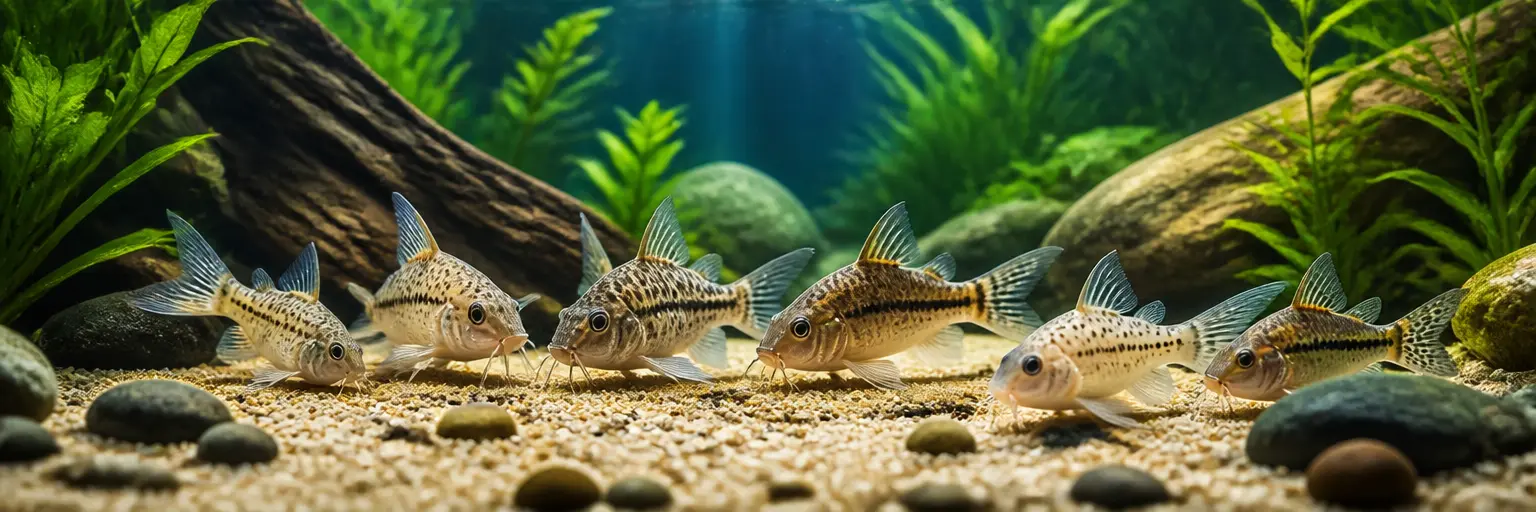
Discover the fascinating world of Corydoras, Brochis & Aspidoras 🐟—peaceful freshwater bottom dwellers celebrated for their playful personalities, gentle nature, and helpful scavenging habits. Learn how to provide the ideal aquarium setup, soft substrate, water conditions, diet, tank mates, health care, and breeding environment for these charming catfish. Whether you’re a beginner or an experienced aquarist, Aquarium Mastery offers practical species profiles and expert care tips to help your group thrive in a healthy community tank. ✨
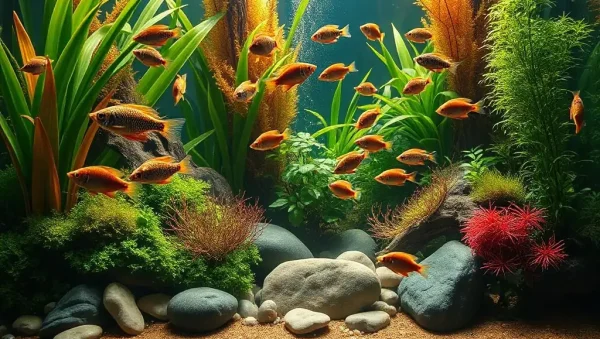
🌿 Discover essential tips for ensuring Corydoras thrive in a planted tank. With proper setup and care, achieving Corydoras planted tank success…
Read article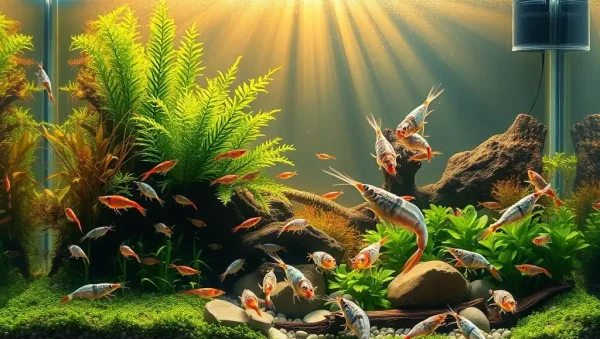
🐠 Discover the essentials of Shrimp and Corydoras coexistence with AquariumMastery.com. Learn about Shrimp Corydoras tank compatibility, optimal tank setups, and expert…
Read article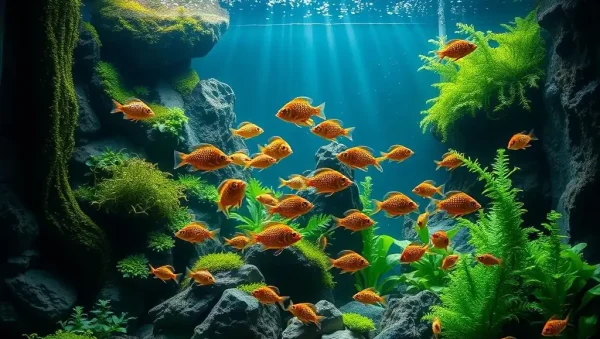
🌿 Discover whether the Corydoras algae wafer diet alone suffices for optimal health, or if supplementing with diverse foods is essential. AquariumMastery.com…
Read article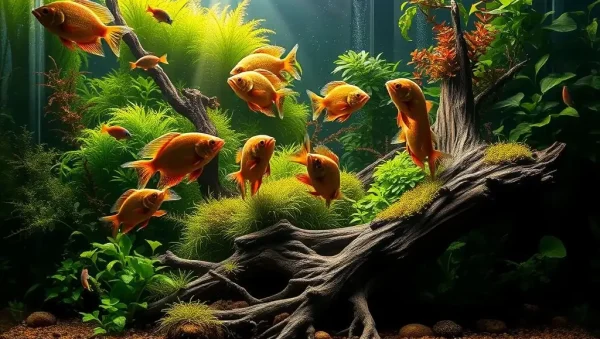
🐟 Discover effective Corydoras bloating treatment options to alleviate discomfort and restore your fish's health. Learn about common causes and practical remedies…
Read article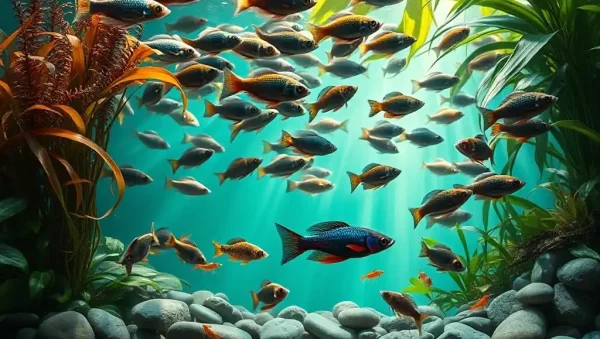
🌊 Poor Corydoras water quality issues can significantly affect their health, leading to stress and disease. Proper water parameters and regular maintenance…
Read article
🌟 Discover essential Bandit Corydoras care tips to confidently keep this shy, charming freshwater fish. Learn how to create a stress-free environment,…
Read article
🌿 Discover the essentials for a thriving Amazonian Corydoras biotope setup with AquariumMastery.com’s expert guidance. Learn to create a natural, balanced environment…
Read article
🌟 Discover the fascinating Hognosed Brochis with our comprehensive Hognosed Brochis care requirements guide. Perfect for aquarists seeking to understand this lively,…
Read article
🌟 Discover the stunning Venezuelan Corydoras, known for their vibrant orange and black coloration. This guide on Orange corydoras tank care offers…
Read article
🐟 Discover the charm of Aspidoras pauciradiatus, the Sixray Cory, with our expert Sixray Cory care tips. Perfect for small tanks, this…
Read article
😊 Discover the charming world of Corydoras with our Corydoras tank behavior tips, highlighting their playful antics and social interactions. Perfect for…
Read article
🌟 Discover the gentle charm of Corydoras catfish and how their peaceful nature fosters harmony in community tanks. AquariumMastery.com offers essential Corydoras…
Read articleDiscover the fascinating world of Corydoras, Brochis, and Aspidoras—peaceful freshwater catfish prized for their active behavior, gentle temperament, and valuable role in a community aquarium. Aquarium Mastery provides practical species profiles, care guides, tank mate recommendations, feeding advice, breeding information, and health tips to help aquarists keep these bottom-dwelling fish thriving. Whether you are choosing your first cory catfish or improving an established planted tank, learn how to create a safe, clean, and naturally enriching environment.
Learn how to build the ideal aquarium for Corydoras catfish, including recommended tank size, soft substrate, water parameters, filtration, temperature, and maintenance routines. These social fish spend much of their time exploring the bottom, so a fine sand or smooth gravel substrate is essential for protecting their delicate barbels and encouraging natural foraging behavior.
Our freshwater fish care guidance also explains how to provide hiding places, plants, driftwood, shaded areas, and open swimming space. Readers can expect practical advice on cycling a fish tank, performing water changes, maintaining excellent water quality, and preventing common problems such as barbel erosion, stress, and substrate injuries.
Explore the differences between Corydoras, Brochis, and Aspidoras, including appearance, adult size, activity level, behavior, and care requirements. Species profiles help aquarists identify popular varieties such as Bronze Corydoras, Panda Corydoras, Sterbai Corydoras, Peppered Corydoras, Emerald Brochis, and lesser-known Aspidoras catfish.
Each guide focuses on realistic aquarium compatibility and responsible fishkeeping. Discover which species prefer warmer or cooler water, how large groups should be kept, and what tank conditions best support long-term health, natural behavior, and successful adaptation.
Corydoras, Brochis, and Aspidoras are among the best community aquarium fish because they are peaceful and non-aggressive. Find compatible tank mates such as small tetras, rasboras, peaceful livebearers, dwarf gouramis, honey gouramis, and other calm freshwater species that occupy different areas of the aquarium.
Our tank mate recommendations also explain which fish to avoid. Readers will learn why aggressive cichlids, large predatory fish, fin-nippers, and territorial bottom dwellers may cause stress or injury. Choosing compatible species, maintaining adequate space, and keeping proper social groups are key to a stable community tank.
Bottom-dwelling catfish need more than leftover food. Learn how to provide a balanced diet using sinking catfish pellets, specialized wafers, frozen foods, live foods, and occasional vegetables. A varied diet supplies essential protein and nutrients while supporting healthy growth, coloration, immune function, and breeding condition.
Discover effective feeding techniques, including feeding after aquarium lights dim, placing food in several locations, and monitoring whether every fish receives enough nourishment. Regular observation is important because Corydoras may appear active while still being underfed in a busy community aquarium.
Learn how to encourage Corydoras breeding through excellent water quality, a nutritious diet, suitable group sizes, and carefully managed water changes. Many species respond to cooler, clean water changes that imitate seasonal rainfall. Our breeding guides cover spawning behavior, egg placement, egg protection, and methods for improving hatch rates.
Information for raising fry includes suitable first foods, nursery tank setup, filtration safety, water cleanliness, and growth monitoring. Readers can also learn how to prevent fungus on eggs and reduce the risk of adult fish eating newly laid eggs.
Identify common health concerns affecting Corydoras, Brochis, and Aspidoras, including rapid breathing, lethargy, loss of appetite, pale coloration, damaged barbels, fungal growth, bacterial infections, and parasite symptoms. Early diagnosis begins with observing behavior, testing water, and checking for environmental stressors.
Our troubleshooting resources offer practical steps for improving aquarium health without relying on guesswork. Learn how to quarantine new fish, maintain stable water chemistry, respond to ammonia or nitrite problems, and recognize when professional aquatic or veterinary advice may be appropriate.
Corydoras are schooling fish and should usually be kept in a group of at least six individuals of the same species. Larger groups often display more confident, natural behavior. Always choose a tank size that provides sufficient floor space and stable water quality for the adult fish.
Fine aquarium sand or smooth, rounded gravel is the safest choice. Avoid sharp or abrasive substrate because it can damage the barbels and mouths of bottom-feeding catfish. A clean, soft substrate also allows natural sifting and foraging behavior.
Most Corydoras thrive in stable, clean freshwater with moderate temperature, gentle flow, and low ammonia and nitrite. Exact requirements vary by species, so always check an individual species profile. Stability and regular maintenance are generally more important than rapidly changing pH.
Yes. Corydoras, Brochis, and Aspidoras are peaceful community fish and can live with similarly peaceful species such as tetras, rasboras, danios, and small gouramis. Avoid aggressive, predatory, or highly territorial tank mates that may compete for food or attack bottom dwellers.
Corydoras are not dedicated algae eaters. They may investigate algae or biofilm, but they require a complete diet of sinking foods, quality catfish pellets, and occasional frozen or live foods. Never depend on leftover community food to meet their nutritional needs.