Cycling Your Tank for Dwarf Cichlids: The NonNegotiable First Step
🌟 Proper Dwarf cichlid tank cycling is essential for a healthy environment, ensuring beneficial bacteria establish before adding fish. Follow expert guidance…
Read article
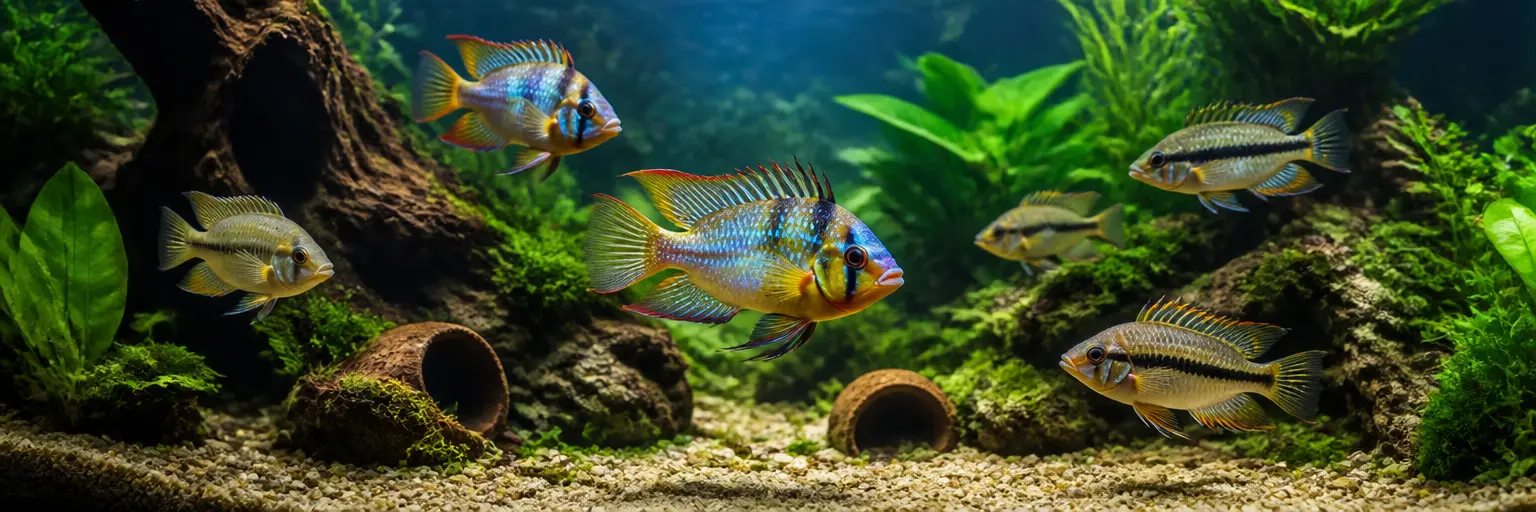
🐠 Discover the fascinating world of dwarf cichlids with expert freshwater aquarium guidance for rams, apistos, and kribensis. Learn about their care requirements, peaceful community tank compatibility, ideal water parameters, aquascaping, feeding, breeding, and common health concerns. Whether you’re planning a planted aquarium or seeking compatible tank mates, Aquarium Mastery offers practical species profiles and trusted tips to help these colorful, intelligent cichlids thrive.
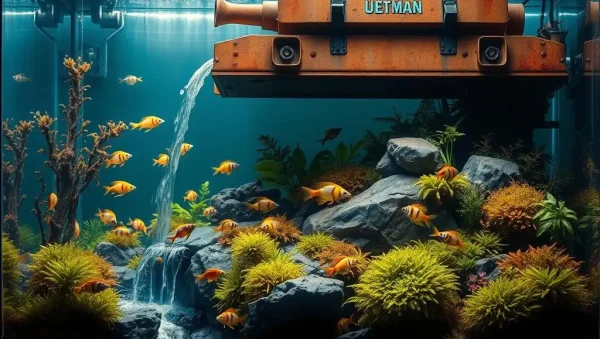
🌟 Proper Dwarf cichlid tank cycling is essential for a healthy environment, ensuring beneficial bacteria establish before adding fish. Follow expert guidance…
Read article
🐠 Discover the truth about dwarf cichlid food preferences—whether they thrive on live, frozen, or dry foods. AquariumMastery.com offers expert insights to…
Read article
🐠 Discover essential Electric Blue Ram care tips to ensure your vibrant fish thrive. This guide covers optimal tank conditions, diet, and…
Read article
🐟 Unlock the secrets of Dwarf cichlid spawning techniques with expert tips from AquariumMastery.com. Discover how to create optimal conditions, encourage breeding,…
Read article
🌊 Discover the vibrant beauty of the German Blue Ram and master its care with AquariumMastery.com. Our comprehensive guide on German Blue…
Read article
🌟 Discover the secrets of creating a stunning Blackwater Magic with our comprehensive guide to Apistogramma biotope aquarium setup. Perfect for enthusiasts…
Read article
🌟 Ensure a healthy Dwarf cichlid tank with proactive care strategies. Focus on optimal water quality, proper tank setup, and regular monitoring…
Read article
🧜♂️ Discover essential tips with our Dwarf Cichlid Sexing Guide to easily differentiate males from females of Rams, Apistos, and Kribs, ensuring…
Read article
🌱 Discover how to create a thriving, natural habitat for Walstad method dwarf cichlids with this comprehensive guide, emphasizing eco-friendly tank setup,…
Read article
🌿 Discover the top aquatic plants perfect for a dwarf cichlid community, enhancing your Dwarf Cichlid Aquarium Plant Care. These vibrant, low-maintenance…
Read article
🌟 Discover the fascinating diversity within Apistogramma complexes, including the Cacatuoides group. Our Apistogramma species care guide provides essential insights into species…
Read article
🌟 Explore whether dwarf cichlid tetra compatibility can create a harmonious community or lead to conflicts. AquariumMastery.com offers expert insights on setting…
Read articleDwarf cichlids are among the most fascinating freshwater fish for aquarists who want intelligent behavior, vivid colors, and interesting breeding activity without keeping large, aggressive cichlids. This subcategory on Aquarium Mastery covers German blue rams, electric blue rams, Bolivian rams, Apistogramma species, and Kribensis, with practical guidance on care, tank mates, water parameters, aquarium setup, feeding, health, and breeding. Discover how to create a peaceful community tank where dwarf cichlids can thrive alongside suitable freshwater fish, plants, and invertebrates.
Explore detailed profiles of popular community tank cichlids, including German blue rams, Bolivian rams, Apistogramma cacatuoides, Apistogramma borellii, and Kribensis. Each guide explains adult size, temperament, lifespan, appearance, sex differences, behavior, and compatibility with other aquarium species.
Readers can also compare the needs of different dwarf cichlids before choosing a fish. Learn which species prefer soft, warm, acidic water, which are more adaptable to average community aquarium conditions, and which varieties are best suited to beginners or experienced aquarists.
Successful dwarf cichlid care begins with stable water quality and a carefully planned habitat. Find guidance on temperature, pH, hardness, ammonia, nitrite, nitrate, filtration, water changes, and aquarium cycling. These factors are especially important for sensitive rams and wild-caught Apistogramma.
Learn how to design a natural-looking dwarf cichlid aquarium with caves, driftwood, rocks, live plants, leaf litter, sand, and visual barriers. Proper aquascaping provides shelter, reduces stress, supports territorial behavior, and helps multiple fish share a community tank peacefully.
Choosing suitable tank mates is essential when keeping dwarf cichlids in a community aquarium. Our guides discuss compatible choices such as peaceful tetras, rasboras, small livebearers, Corydoras, peaceful gouramis, and carefully selected bottom-dwelling fish. Compatibility recommendations consider adult size, swimming level, temperament, and water requirements.
You will also learn which fish to avoid, including fin-nippers, highly aggressive species, oversized tank mates, and fish that compete for the same caves or territory. Tank size, aquarium layout, group numbers, and breeding behavior can all affect whether a community setup remains stable.
Dwarf cichlids benefit from a varied, nutritious diet that reflects their natural feeding habits. Discover how to use high-quality pellets, flakes, frozen foods, live foods, and occasional treats while preventing overfeeding. Feeding advice is tailored to rams, Apistogramma, and Kribensis at different life stages.
Our health and maintenance content helps aquarists identify early signs of stress, parasites, bacterial infections, poor nutrition, and water-quality problems. Learn how to establish a reliable maintenance schedule, quarantine new fish, monitor behavior, and respond to symptoms before they become serious.
Many dwarf cichlids are rewarding cave spawners or substrate spawners. Learn how to condition pairs, provide suitable breeding caves, adjust water conditions, identify spawning behavior, and protect eggs and fry. Guides cover parental care in rams, Apistogramma, and Kribensis, including courtship, territorial displays, and brood protection.
Breeding a community cichlid successfully requires planning because protective parents may become more territorial. Find practical advice on raising fry, selecting foods such as baby brine shrimp, managing filtration, and deciding when to move juveniles to a separate grow-out aquarium.
Even experienced fishkeepers can encounter problems such as hiding, faded coloration, aggression, poor appetite, repeated illness, failed spawning, or sudden death. Aquarium Mastery explains how to investigate these issues by checking water parameters, tank mates, diet, temperature, acclimation, and aquarium maturity.
Use step-by-step troubleshooting information to improve a struggling dwarf cichlid community tank. Stable conditions, adequate hiding places, consistent maintenance, and careful stocking are often the foundation for healthier fish and more natural behavior.
Yes, many dwarf cichlids can live in a peaceful community tank when kept with compatible species and provided with enough space, hiding places, and stable water conditions. Rams, Apistogramma, and Kribensis may become territorial while spawning, so tank layout and suitable tank mates are important.
Aquarium size depends on the species and stocking plan. A single pair of smaller Apistogramma may suit a well-planned aquarium of around 20 gallons, while German blue rams, Bolivian rams, or Kribensis often benefit from 30 gallons or more, particularly in a community setup.
Most dwarf cichlids prefer warm, stable water, commonly between 75 and 86°F, although the ideal range varies by species. German blue rams generally require warmer water than many Apistogramma or Kribensis. Always research the exact species and avoid sudden temperature changes.
Keeping dwarf cichlids with shrimp is unpredictable. Adult dwarf cichlids may tolerate large Amano shrimp, but small shrimp and shrimplets can be hunted, especially in a breeding aquarium. Dense plants, moss, rocks, and hiding spaces may improve survival but cannot guarantee safety.
Reduce aggression by choosing an adequately sized aquarium, adding caves and plants before introducing fish, creating visual barriers, avoiding overcrowding, and selecting compatible tank mates. During breeding, provide multiple territories or temporarily separate aggressive adults. Stable water quality and proper nutrition also help reduce stress-related behavior.