Observing Dominance Hierarchies in Danio and Rasbora Schools: Is it Normal?
🌟 Discover the fascinating world of Danio Rasbora schooling behavior and learn whether observing dominance hierarchies is a normal part of their…
Read article
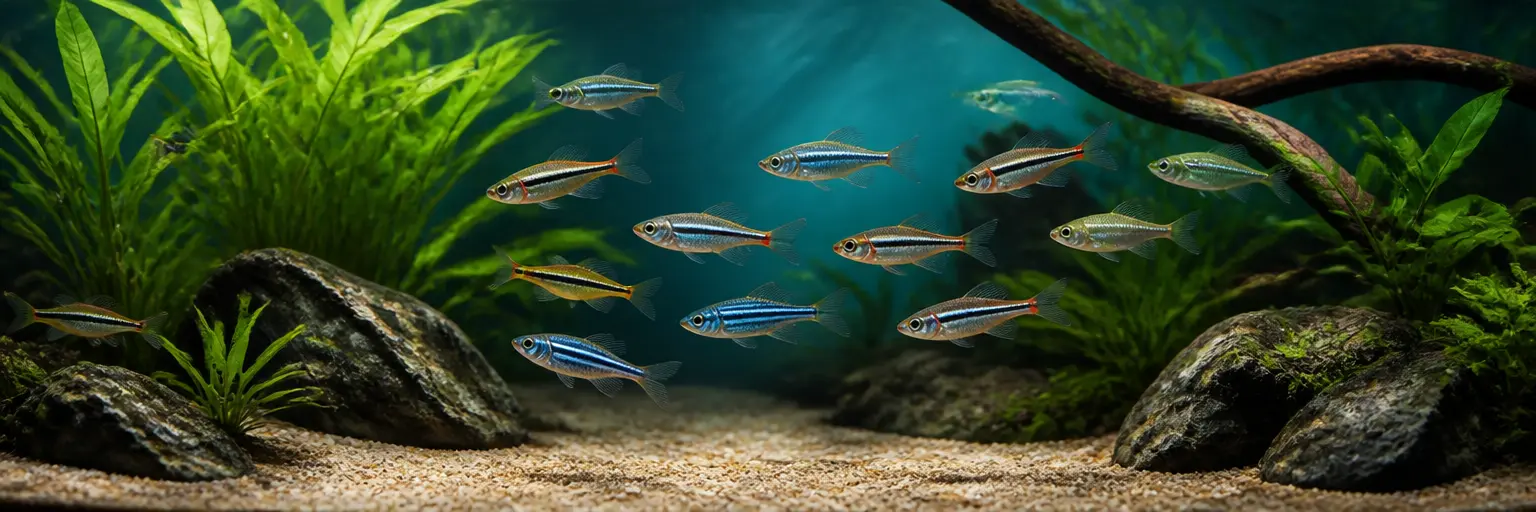
🐟 Discover the lively world of small schooling freshwater fish—perfect for adding motion, color, and personality to community aquariums! Explore practical care guidance, tank size recommendations, compatible tank mates, feeding tips, water parameters, breeding advice, and common health solutions for peaceful species that thrive in groups. 🌿 Whether you’re a beginner aquarist or refining an established setup, Aquarium Mastery helps you create a balanced, vibrant habitat where these active swimmers can flourish. ✨
🌟 Discover the fascinating world of Danio Rasbora schooling behavior and learn whether observing dominance hierarchies is a normal part of their…
Read article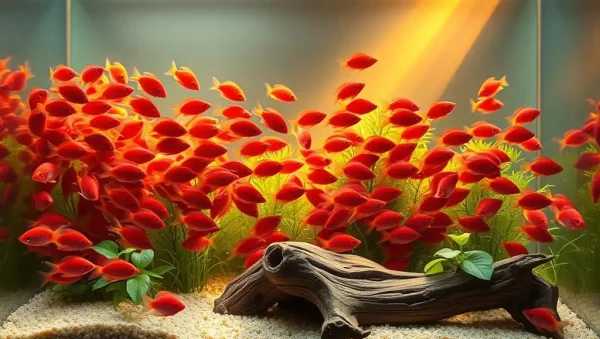
🌟 Discover the beauty of the Phoenix Rasbora, a rare gem for dedicated nano aquarists. This article offers expert insights into rare…
Read article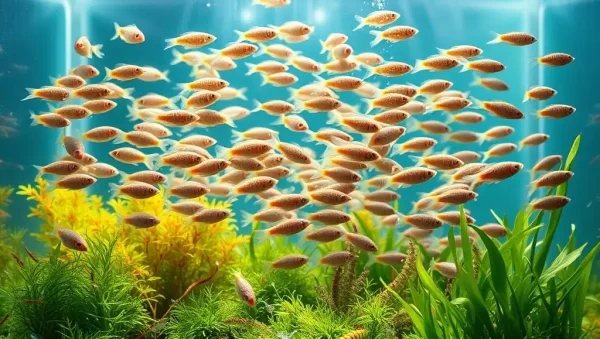
😊 Ensure your Rasbora fry thrive with the right Rasbora fry first food. Proper nutrition during early stages promotes healthy growth and…
Read article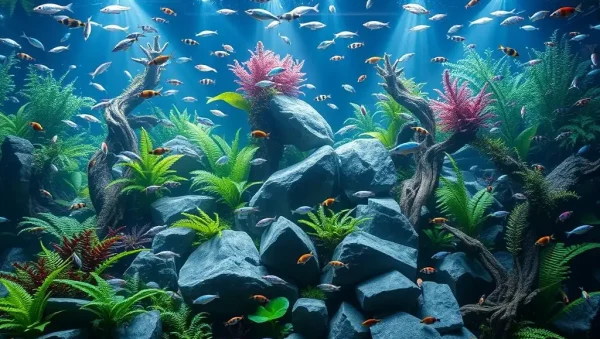
🌟 Discover expert tips to maximize the Danios, Rasboras, and White Clouds lifespan. Learn essential care, water conditions, and maintenance strategies to…
Read article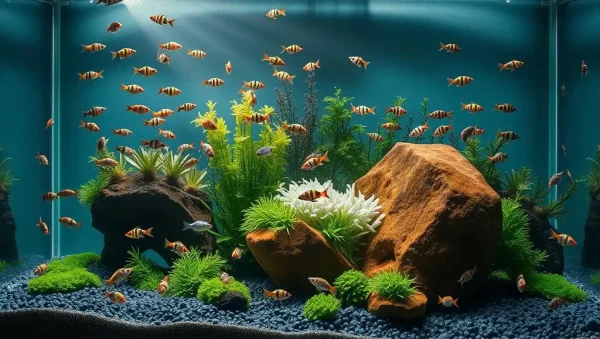
🌟 Discover essential tips for creating a successful Danios rasbora breeding tank setup, ensuring optimal conditions for spawning and raising fry. AquariumMastery.com…
Read article
🌟 Discover effective Ich treatment for danios with AquariumMastery.com’s expert guide. Learn how to identify, prevent, and eradicate White Spot Disease, ensuring…
Read article
🌟 Discover the subtle differences between Harlequin Rasbora and Lambchop Rasbora and their big impact on your aquarium. Explore essential Harlequin Rasbora…
Read article
🌟 Discover the ideal Danios rasbora fish diet to ensure vibrant, healthy schooling cyprinids. AquariumMastery.com offers expert guidance on optimal feeding strategies,…
Read article
🌟 Ensure vibrant, healthy fish with our Danio Rasbora health checklist—daily observations to detect early signs of disease, maintain optimal tank conditions,…
Read article
🌟 Discover the vital role of white cloud fish care in unheated desktop aquariums. These resilient, low-maintenance fish brighten your tank while…
Read article
🐠 Discover essential Danio fry care tips to successfully raise tiny hatchlings into vibrant, healthy juveniles. AquariumMastery.com offers expert guidance on tank…
Read article
🌟 Ensure vibrant, thriving small schooling cyprinids with expert tips on healthy danios rasbora filtration. Proper filtration is crucial for maintaining optimal…
Read articleDiscover expert guidance on danios, rasboras, and white cloud mountain minnows—active, colorful freshwater schooling fish that bring movement and personality to community aquariums. Aquarium Mastery provides practical species profiles, aquarium care advice, tank mate recommendations, water parameter guidance, feeding tips, breeding information, and health support for these popular cyprinids. Whether you are planning a nano aquarium or improving an established freshwater community tank, this subcategory helps you create a stable, attractive, and species-appropriate environment.
Explore detailed profiles of popular danio species, including zebra danios, leopard danios, giant danios, and celestial pearl danios, alongside rasboras such as harlequin rasboras, chili rasboras, lambchop rasboras, and galaxy rasboras. You can also learn about white cloud mountain minnows, their natural behavior, adult size, activity level, coloration, lifespan, and suitability for planted and community aquariums.
Each guide explains how to choose fish based on aquarium size, water temperature, swimming space, group size, temperament, and experience level. Compare schooling patterns, bioload, care difficulty, and visual appeal to select cyprinids that fit your freshwater tank rather than relying on appearance alone.
Learn how to set up an ideal aquarium for danios, rasboras, and white clouds with suitable filtration, lighting, substrate, plants, décor, and open swimming areas. These active schooling fish benefit from horizontal swimming room, secure covers, gentle circulation, and a thoughtfully arranged aquascape that combines dense planting with unobstructed movement.
Our freshwater aquarium setup advice covers minimum tank sizes, cycling, water testing, temperature control, oxygenation, and maintenance routines. Discover how floating plants, driftwood, rocks, and fine-leaved vegetation can provide shelter while allowing your school to remain visible and confident.
Find compatible tank mates for small schooling cyprinids, including peaceful tetras, small livebearers, dwarf corydoras, otocinclus catfish, peaceful gouramis, and other community fish with similar care requirements. Compatibility recommendations consider adult size, temperament, swimming level, water parameters, and feeding behavior.
Learn which species may cause stress, fin damage, competition, or predation. Choosing peaceful, similarly sized tank mates is essential for maintaining a calm community aquarium, especially when keeping smaller rasboras or chili rasboras in a nano planted tank.
Understand the preferred water conditions for danios, rasboras, and white cloud mountain minnows, including temperature, pH, hardness, ammonia, nitrite, and nitrate management. Because different species have different preferences, our guides explain how to balance stable parameters with the needs of your entire aquarium community.
Learn how to perform reliable water changes, clean filters without destroying beneficial bacteria, monitor the nitrogen cycle, and prevent common water quality problems. Stable, clean, well-oxygenated water supports healthy behavior, strong coloration, disease resistance, and long-term survival.
Discover how to feed danios, rasboras, and white clouds a varied diet of quality micro pellets, crushed flakes, frozen foods, and appropriately sized live foods. Since these fish are active feeders, small portions offered regularly can support growth without causing excess waste or poor water quality.
Our feeding advice explains how often to feed, how much food to provide, and how to recognize healthy body condition. Dietary variety can improve coloration, energy, immune function, and breeding readiness, while careful portion control helps prevent overfeeding and aquarium pollution.
Learn how danios, rasboras, and white cloud mountain minnows reproduce, identify spawning behavior, and prepare a breeding aquarium. Depending on the species, successful breeding may involve spawning mops, fine-leaved plants, marbles, mesh barriers, or a separate fry-rearing tank to protect eggs from adult fish.
Breeding guides cover egg care, incubation, infusoria, newly hatched fry, baby brine shrimp, water quality, and gradual growth feeding. Separating eggs or fry from hungry adults is often necessary for improving survival rates and raising a healthy new generation.
Identify common problems affecting small schooling cyprinids, including ich, fin rot, bacterial infections, fungal growth, parasites, wasting, bloating, clamped fins, rapid breathing, flashing, and loss of appetite. Detailed troubleshooting guidance helps you distinguish illness from normal schooling behavior, acclimation stress, poor water quality, or bullying.
Learn how quarantine, water testing, appropriate nutrition, gradual acclimation, and regular maintenance can reduce disease risk. If fish become lethargic or stop schooling, test ammonia, nitrite, nitrate, temperature, and pH first before selecting a treatment, since environmental problems are a frequent cause of freshwater fish illness.
Most small schooling cyprinids should be kept in a group of at least six, although larger groups often produce more natural behavior and better confidence. A group of eight to twelve may display stronger schooling patterns in an appropriately sized aquarium. Always consider the species’ adult size, activity level, tank dimensions, and filtration capacity.
Temperature requirements vary by species. Many danios prefer moderately warm water, while several rasboras thrive in tropical conditions. White cloud mountain minnows generally prefer cooler water than many tropical community fish. Check the individual species profile and avoid combining fish with significantly different temperature needs.
Yes, they are commonly suitable for peaceful community aquariums when kept with similarly sized, non-aggressive fish. Choose tank mates with compatible water parameters and feeding habits. Avoid large predators, fin-nipping species, and highly aggressive fish that may frighten, injure, or consume smaller cyprinids.
Live plants are not absolutely required, but they are highly beneficial. Plants provide cover, improve visual security, support natural behavior, and may help absorb nutrients. Use a combination of open swimming space and planted areas, particularly with smaller rasboras that feel more secure in a well-structured aquascape.
Possible causes include a newly established aquarium, an undersized school, poor water quality, unsuitable temperature, aggressive tank mates, inadequate shelter, disease, or insufficient oxygenation. Test the water immediately, observe breathing and appetite, review recent changes, and check whether the aquarium provides appropriate space and group size.