Advanced Saltwater Fish Breeding & Larval Rearing 🐠🧬
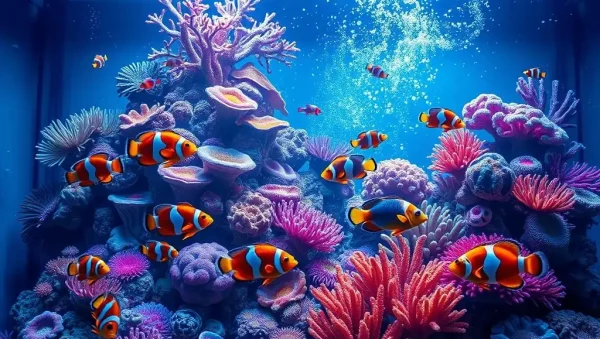
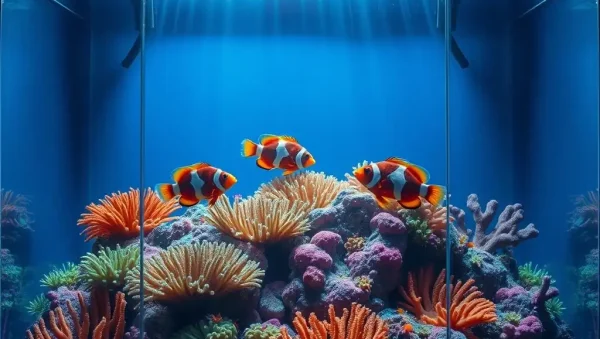
Welcome to Aquarium Mastery’s Advanced Saltwater Fish Breeding & Larval Rearing subcategory, a specialized resource for aquarists who want to move beyond basic marine fish care and explore successful saltwater fish reproduction. Discover practical guidance on marine fish spawning, broodstock conditioning, egg collection, larval development, live food production, and nursery tank management. Whether you are working with clownfish, gobies, dottybacks, cardinalfish, damselfish, or other captive-bred marine species, our in-depth articles help you understand the techniques, equipment, and water-quality requirements needed to raise healthy larvae.
🧪 Marine Fish Spawning and Broodstock Conditioning
Learn how to select compatible breeding pairs and prepare healthy broodstock for reliable spawning. Articles cover nutrition, conditioning diets, environmental stability, social behavior, courtship signals, and spawning triggers, helping you create conditions that encourage natural reproduction in a saltwater aquarium.
Readers can also explore species-specific breeding behavior, including egg-laying habits, nest preparation, pair bonding, and parental care. Detailed information about temperature, salinity, lighting, water movement, and tank design can help improve spawning consistency while reducing stress and aggression among adult marine fish.
🥚 Egg Collection, Incubation, and Hatching
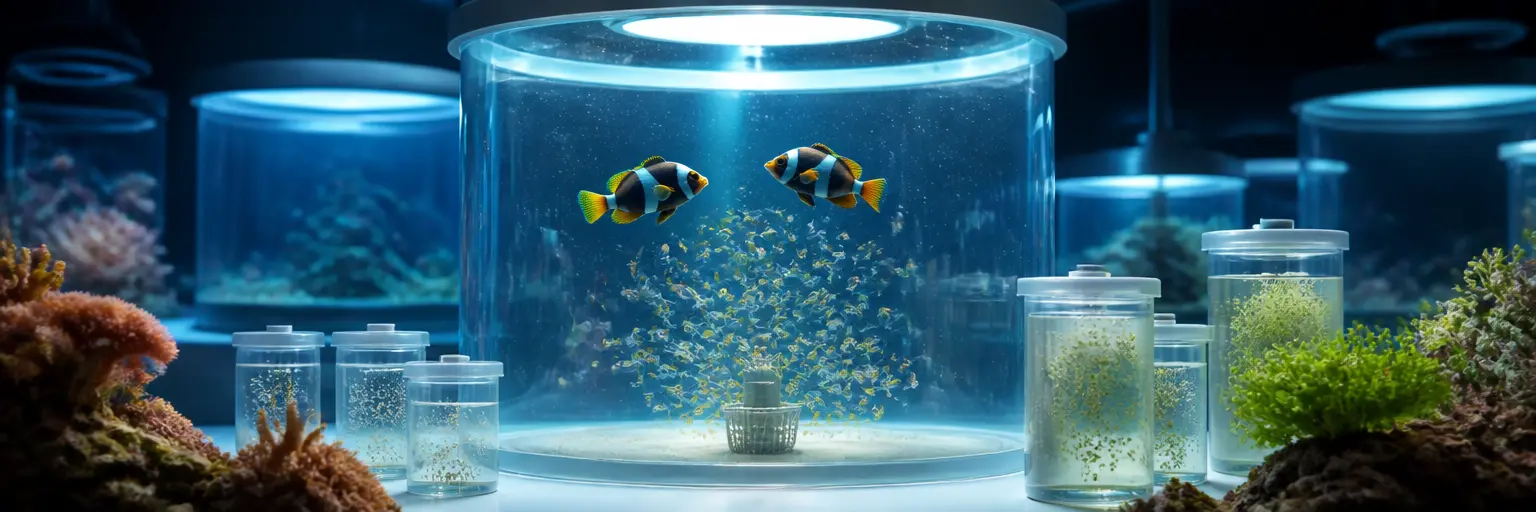
Successful larval rearing begins with careful egg management. Find guidance on identifying viable marine fish eggs, collecting eggs without damaging them, and transferring spawns to dedicated incubation systems. Topics include egg tumbler design, gentle aeration, fungal prevention, water exchange, and hatch-rate improvement.
Our resources explain how egg size, adhesive properties, incubation time, and developmental stage vary between saltwater fish species. You can also learn how to monitor eggs with magnification, recognize healthy embryonic development, and respond to common issues such as cloudy eggs, premature hatching, or poor viability.
🐟 Larval Fish Rearing and Metamorphosis
Explore the delicate early stages of marine fish development, from first hatch through feeding, growth, and metamorphosis. Advanced guides explain how to manage larval tank density, water movement, light intensity, temperature, oxygen levels, and water quality during this highly sensitive period.
Readers will learn how larvae change physically and behaviorally as they develop into juvenile fish. Information on first-feeding schedules, swim bladder inflation, prey recognition, settlement behavior, and developmental milestones can help aquarists identify problems early and improve survival rates.
🦐 Live Foods for Marine Fish Larvae
Proper nutrition is one of the most important factors in saltwater fish larval survival. Learn how to culture rotifers, copepods, phytoplankton, Artemia, and other live foods used in marine fish hatcheries. Guides emphasize food size, enrichment, nutritional value, culture density, harvesting, and contamination prevention.
Discover how to match live prey to the mouth size and feeding behavior of developing larvae. Practical advice covers feeding frequency, prey density, enrichment products, greenwater techniques, and the transition from live foods to prepared diets as juvenile fish mature.
💧 Larval Tank Systems and Water Quality
Find detailed information about designing and maintaining specialized larval rearing systems. Topics include kreisel tanks, black round tanks, bare-bottom nursery tanks, sponge filtration, airlift systems, gentle circulation, covers, and easy-clean layouts. These systems are designed to provide stable water conditions and reduce larval injury.
Water chemistry must remain consistent throughout breeding and rearing. Learn how to monitor ammonia, nitrite, nitrate, pH, alkalinity, salinity, temperature, dissolved oxygen, and cleanliness. Regular testing, controlled water changes, and biosecurity procedures are essential for preventing sudden losses in sensitive marine fish larvae.
🧫 Disease Prevention, Biosecurity, and Troubleshooting
Advanced breeding projects require careful disease prevention because larval fish have limited reserves and fragile immune systems. Aquarium Mastery covers quarantine, equipment sanitation, separate culture systems, pathogen control, and safe transfer procedures to reduce the risk of bacterial, fungal, and parasitic infections.
Use troubleshooting guides to investigate common breeding failures, including poor spawning, unfertilized eggs, low hatch rates, starvation, swim bladder problems, deformities, rapid mortality, and stunted growth. Clear diagnostic steps help you identify whether the cause is nutrition, water quality, tank design, pathogens, stocking density, or handling stress.
📈 From Larvae to Healthy Juvenile Marine Fish
Raising larvae successfully is only the beginning. Learn how to transition young fish into juvenile grow-out systems with appropriate filtration, shelter, feeding programs, and tank mates. Guidance includes grading by size, preventing cannibalism, managing competition, and maintaining rapid but healthy growth.
Articles also explain when to introduce frozen foods, pellets, and flakes, as well as how to acclimate captive-bred juveniles to community reef aquariums. With consistent care and observation, aquarists can produce strong, well-adapted marine fish suitable for home aquariums or responsible distribution.
❓ Frequently Asked Questions About Saltwater Fish Breeding
What saltwater fish are easiest to breed in captivity?
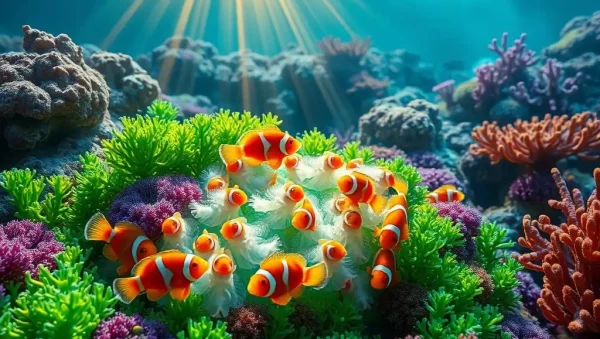
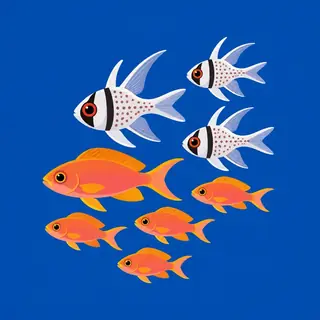
Clownfish are generally considered one of the best marine fish for beginners because they spawn readily in suitable aquariums and their eggs are relatively manageable. Gobies, dottybacks, cardinalfish, and some damselfish may also breed in captivity, although larval feeding and rearing requirements vary by species.
What is the most important factor in marine fish larval rearing?
Consistent access to appropriately sized, nutritious food is critical during the first days of life. Larvae often require live prey such as rotifers or copepod nauplii, together with stable temperature, salinity, oxygen, lighting, and low ammonia. Small daily improvements in feeding and water quality can significantly increase survival.
Do saltwater fish larvae need a separate rearing tank?
In most cases, a dedicated larval tank is strongly recommended. Separate systems protect larvae from filtration intakes, aggressive tank mates, strong water movement, and competition for food. They also make it easier to control lighting, feeding, water changes, hygiene, and stocking density.
How can I improve the survival rate of marine fish larvae?
Focus on healthy broodstock, clean equipment, properly enriched live foods, gentle circulation, stable water chemistry, and frequent observation. Avoid overfeeding, sudden water changes, overcrowding, and contaminated cultures. Keeping detailed records of spawning, feeding, mortality, and water parameters can reveal patterns and improve future batches.
When should captive-bred marine fish be moved to a grow-out aquarium?
Juveniles should be transferred when they have completed metamorphosis, are feeding reliably on prepared foods, and are strong enough to handle gentle filtration and normal aquarium circulation. The exact timing depends on species and size. Match temperature, salinity, and pH carefully, and use gradual acclimation to minimize transfer stress.