Anemone Diseases & Pests: Protecting Your Clownfish's Symbiotic Partner
🌟 Protect your clownfish’s symbiotic partner by understanding anemone diseases and pests. Learn essential tips for effective clownfish anemone disease treatment to…
Read article
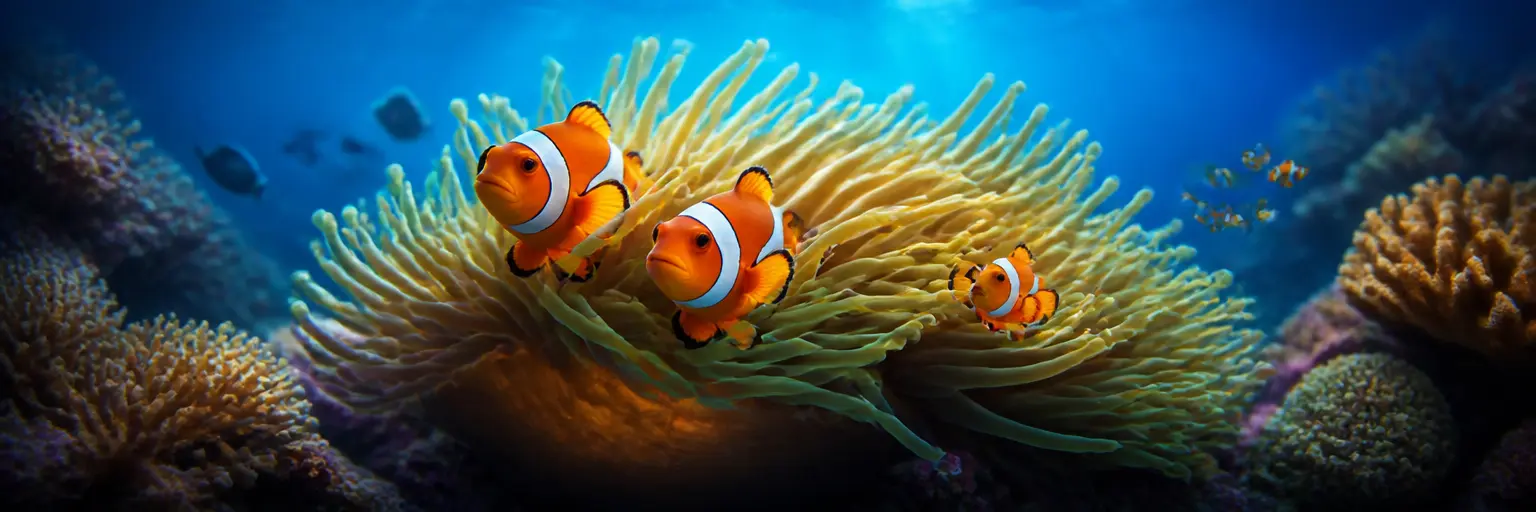
Explore clownfish species with Aquarium Mastery 🐠—from vibrant ocellaris and percula clownfish to maroon and skunk varieties. Learn how anemone symbiosis works, choose compatible tank mates, create a thriving saltwater habitat, and discover practical clownfish breeding and care tips for healthy, fascinating marine aquariums.
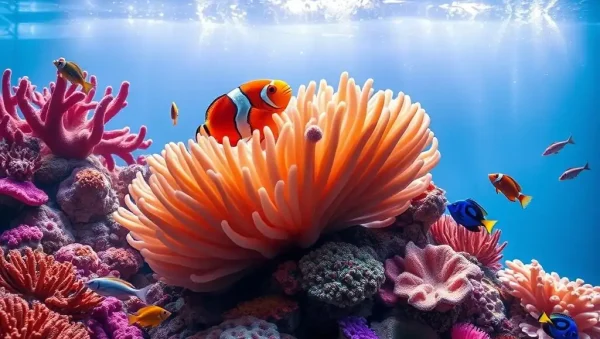
🌟 Protect your clownfish’s symbiotic partner by understanding anemone diseases and pests. Learn essential tips for effective clownfish anemone disease treatment to…
Read article
🐠 Discover essential insights into clownfish without anemone care, exploring their unique behavior, needs, and viable alternatives. This guide from AquariumMastery.com helps…
Read article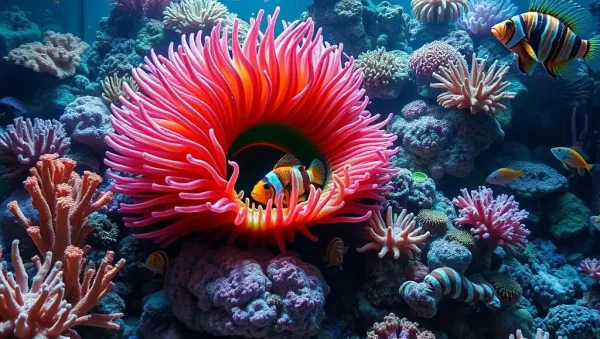
🌟 Discover the Clownfish Anemone Compatibility Guide on AquariumMastery.com to ensure your marine setup thrives. Learn essential tips for pairing clownfish with…
Read article
🌊 Discover the elegance of the Long Tentacle Anemone (Macrodactyla doreensis), a stunning host for Clownfish hosting anemone care. AquariumMastery.com offers expert…
Read article
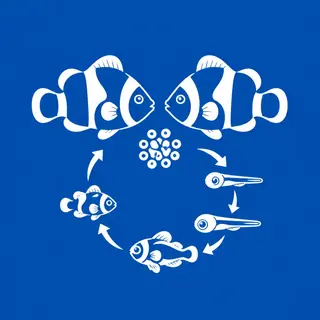
🐠 Discover the fascinating Clownfish breeding cycle timeline, from tiny eggs to vibrant adults. AquariumMastery.com offers expert insights on nurturing captive-bred clownfish,…
Read article
📸 Discover essential Clownfish anemone photography tips to capture stunning symbiotic underwater scenes. Perfect for aquarists looking to enhance their aquarium photography…
Read article
🌊 Discover the captivating allure of the Sebae anemone with our comprehensive "Sebae anemone care guide." Learn how to successfully host this…
Read article
🌟 Discover essential Anemone lighting requirements for clownfish to ensure a healthy, vibrant symbiotic environment. Proper lighting enhances their natural behaviors and…
Read article
🌊 Discover how selecting the right clownfish breeding tank mates can significantly influence breeding success. AquariumMastery.com offers expert insights on creating optimal…
Read article
🐠 Discover the common Clownfish breeding problems causes that can halt your pair’s reproduction. AquariumMastery.com offers expert insights into troubleshooting these issues,…
Read article
🌟 Discover essential Clownfish breeding survival tips to avoid common mistakes that threaten fry. Proper water chemistry, pairing, and care are crucial.…
Read article
🌟 Ensuring ethical clownfish breeding in the aquarium trade is crucial for sustainable, humane practices. AquariumMastery.com emphasizes responsible breeding, sales, and conservation…
Read articleExplore the colorful world of clownfish with Aquarium Mastery’s in-depth guide to clownfish species, anemone symbiosis, marine fish care, and saltwater breeding. Learn how to identify popular species, create a healthy reef aquarium, choose compatible tank mates, and understand the fascinating relationship between clownfish and host anemones. Whether you are a beginner saltwater aquarist or an experienced reef keeper, this subcategory provides practical, evidence-based guidance for successful clownfish husbandry.
Discover detailed profiles of well-known clownfish, including ocellaris clownfish, percula clownfish, maroon clownfish, tomato clownfish, Clark’s clownfish, skunk clownfish, and designer clownfish varieties. Each species has distinct markings, adult size, temperament, habitat preferences, and care requirements. Understanding these differences helps aquarists select a clownfish that suits their reef tank size, experience level, and community aquarium setup.
Species guides can also help you compare wild-type and captive-bred clownfish. Expect information about coloration, growth rates, behavior, hardiness, diet, water parameters, and compatibility. Aquarium Mastery emphasizes responsible purchasing and encourages readers to choose healthy, captive-bred marine fish whenever possible.
Learn how to build a stable environment for clownfish with guidance on aquarium size, biological filtration, live rock, sand beds, lighting, circulation, and water quality. Clownfish are relatively hardy saltwater fish, but they still require consistent marine aquarium conditions, including stable salinity, temperature, pH, alkalinity, and low levels of ammonia and nitrite.
Readers can expect practical advice for acclimation, quarantine, feeding, cleaning, and routine maintenance. Topics include feeding clownfish a varied diet of marine pellets, frozen foods, mysis shrimp, brine shrimp, and algae-based supplements, as well as recognizing stress caused by poor water quality, aggression, overcrowding, or insufficient hiding places.
Clownfish and sea anemones share one of the most remarkable mutualistic relationships in marine aquariums. Clownfish may receive protection from predators and access to food particles, while the anemone can benefit from cleaning, nutrient-rich waste, and improved water movement. This subcategory explains how clownfish recognize potential hosts and why not every clownfish will immediately adopt an anemone.
Explore the differences between bubble tip anemones, magnificent anemones, carpet anemones, and natural host species. You will also learn that anemone care is more demanding than basic clownfish care, requiring mature aquariums, strong reef lighting, stable water chemistry, adequate flow, and careful placement. In some tanks, clownfish can thrive without an anemones, using coral colonies, rockwork, or artificial hosts instead.
Understand clownfish social behavior, dominance, territory, courtship, and pair formation. Most clownfish groups develop a hierarchy in which the largest individual becomes female, the next-largest becomes male, and smaller fish remain sexually immature. This behavior is essential to selecting compatible fish and reducing bullying in a saltwater aquarium.
Find guidance on choosing peaceful tank mates such as gobies, blennies, cardinalfish, firefish, certain wrasses, shrimp, snails, and reef-safe invertebrates. The content also explains why aggressive species, territorial damsels, large predators, and incompatible clownfish combinations can create stress. Proper stocking order, sufficient swimming space, and multiple hiding areas are key to a peaceful reef community.
Learn the fundamentals of clownfish breeding, from selecting a bonded pair to encouraging spawning in a stable marine aquarium. Healthy pairs may lay eggs on a smooth rock, tile, aquarium panel, or another carefully chosen surface. Helpful topics include courtship behavior, spawning cycles, egg development, parental care, and the environmental factors that influence reproduction.
Breeding guides cover larval rearing, hatch timing, rotifer cultures, greenwater methods, nursery tanks, gentle aeration, and gradual transition to larger foods. Because clownfish fry are delicate, successful breeding requires preparation and attention to detail. Expect clear information about captive-bred clownfish production, juvenile development, feeding schedules, and common causes of larval loss.
Identify common clownfish health problems, including marine ich, velvet, brooklynella, bacterial infections, fin damage, skin irritation, nutritional deficiencies, and unexplained lethargy. Early diagnosis is important because saltwater diseases can spread quickly through a community reef tank. Articles explain warning signs such as rapid breathing, scratching, loss of appetite, excess mucus, faded coloration, and abnormal swimming.
Readers will also learn how to prevent disease through quarantine, observation, proper nutrition, stable water parameters, and careful livestock introduction. Aquarium Mastery provides practical troubleshooting steps while emphasizing that medications should be used responsibly and that sensitive corals, invertebrates, and biological filtration may require special consideration during treatment.
Ocellaris clownfish are often considered one of the best choices for beginners because they are generally peaceful, adaptable, widely available, and relatively hardy. Captive-bred ocellaris clownfish are especially suitable for new aquarists because they are accustomed to aquarium conditions and prepared foods.
No. Clownfish do not require a host anemone to survive in a saltwater aquarium. They can live comfortably among live rock, coral, soft furnishings, or artificial hosts. Anemones require advanced care, so many beginners choose to keep clownfish without one.
Clownfish generally thrive in stable reef aquarium conditions with marine salinity around 1.023–1.026 specific gravity, a temperature near 24–27°C (75–81°F), stable pH, zero ammonia, zero nitrite, and low nitrate. Stability is more important than constantly adjusting values, and every aquarium should be tested regularly.
A compatible clownfish pair may spawn naturally when provided with excellent nutrition, stable water quality, suitable territory, and minimal stress. Eggs are usually deposited on a clean surface near their chosen territory. Raising the larvae separately requires specialized equipment, live rotifers, careful water management, and frequent feeding.
Keeping different clownfish species together can be risky because clownfish are territorial and may fight, especially in smaller aquariums. A single compatible pair is usually the safest choice. If multiple clownfish are attempted, the aquarium must be large, carefully planned, and stocked with species known to have compatible temperaments.