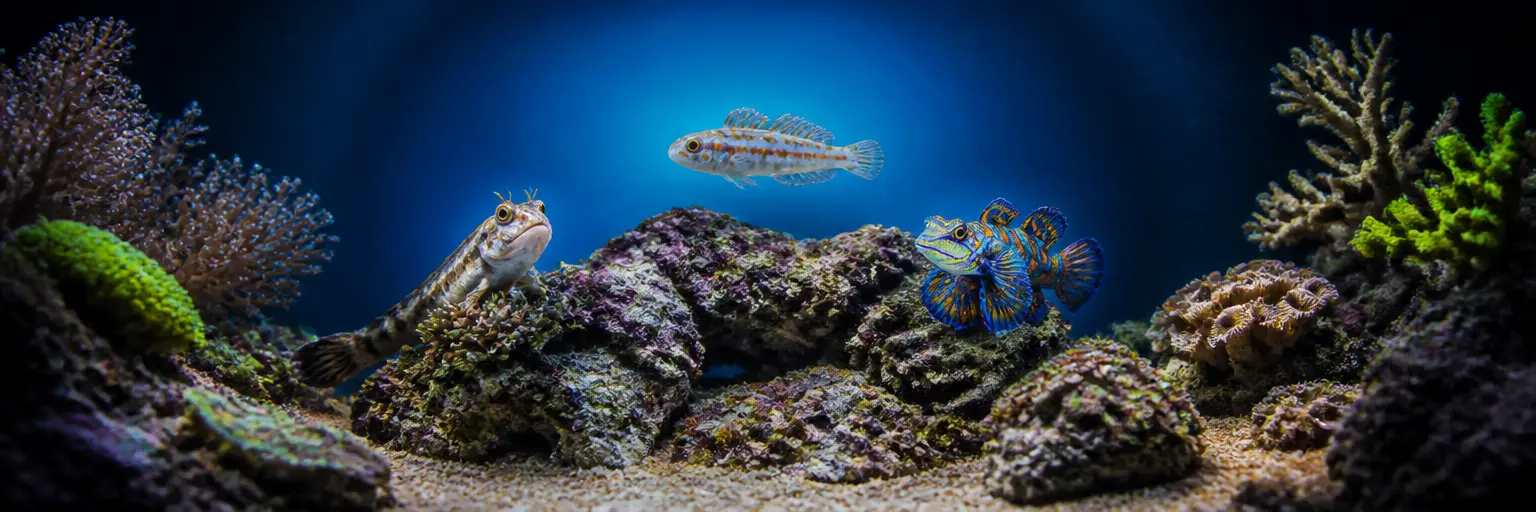
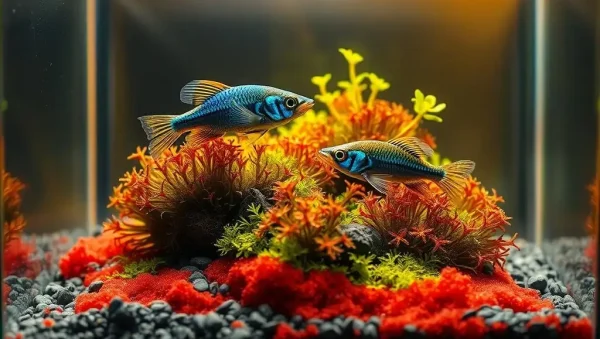
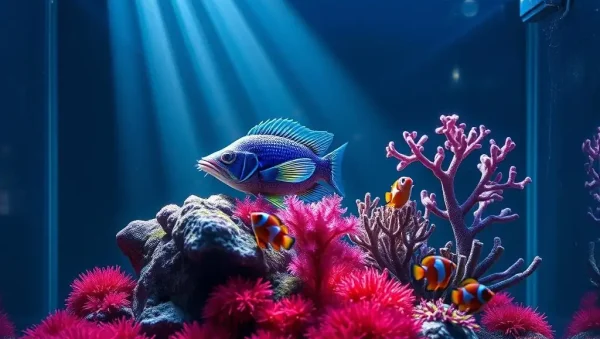
🐠 Gobies, Blennies & Dragonets: Nano Reef Personalities
Welcome to Aquarium Mastery’s guide to gobies, blennies, and dragonets for nano reef aquariums. This specialized saltwater fish subcategory helps marine aquarists choose captivating reef-safe species, understand their care requirements, and create a stable environment for small aquarium personalities. Explore detailed species profiles covering size, temperament, diet, habitat, water parameters, tank mates, compatibility, health, acclimation, and breeding considerations. Whether you are planning your first nano reef or improving an established marine aquarium, these guides provide practical, responsible advice for keeping small saltwater fish healthy and thriving.
🌊 Goby Species Profiles for Nano Reef Aquariums
Discover popular goby fish for saltwater aquariums, including watchman gobies, shrimp gobies, clown gobies, neon gobies, and other compact marine species. Each profile explains adult size, behavior, swimming level, burrowing habits, feeding needs, reef compatibility, and recommended aquarium conditions so you can match a goby to your nano reef setup.
Readers can also learn how to provide suitable sand beds, caves, rubble zones, and hiding places. Detailed guidance covers goby tank mates, territorial behavior, pairing with pistol shrimp, quarantine, acclimation, and warning signs of stress or illness. These resources make it easier to select a peaceful goby that suits your aquarium volume and livestock plan.
🪸 Blennies: Algae Grazers with Big Personalities
Blennies are well known for their expressive faces, perching behavior, and entertaining personalities. Learn about tailspot blennies, lawnmower blennies, bicolor blennies, fang blennies, and other reef-safe blenny species, including their adult size, feeding habits, temperament, and suitability for small marine tanks.
Our care information explains how to support natural grazing with mature live rock, algae growth, and appropriate supplemental foods. You will also find advice about blenny compatibility, territorial disputes, venomous fang species, aquarium covers, nutrition, body condition, and the importance of avoiding competition with other algae-eating fish.
🐉 Dragonets and Mandarinfish Care
Dragonets, especially mandarinfish, are among the most beautiful fish in the marine aquarium hobby. However, their specialized feeding behavior makes them a more advanced choice. Learn about mandarin dragonet care, scooter blennies, psychedelic dragonets, pod requirements, mature reef systems, and the differences between captive-bred and wild-caught fish.
These guides explain how copepods, amphipods, refugiums, live rock, and prepared foods contribute to long-term success. You will also learn why a visually small fish may require a biologically mature aquarium, how to assess feeding response, and how to prevent starvation in dragonets kept in nano reef environments.
🍽️ Feeding, Nutrition and Natural Behaviors
Proper nutrition is essential for healthy gobies, blennies, and dragonets. Explore feeding plans involving frozen mysis shrimp, enriched brine shrimp, marine pellets, algae-based foods, copepods, amphipods, and specialized carnivore or herbivore diets. Species profiles clarify whether a fish is a bottom feeder, algae grazer, plankton eater, or continuous pod hunter.
Readers can also learn how to reduce food competition, target-feed shy fish, and observe normal behavior. Information about weight loss, rapid breathing, faded coloration, hiding, refusal to eat, and unusual swimming helps aquarists identify nutritional problems early and make informed adjustments.
🏝️ Nano Reef Habitat, Water Quality and Aquascaping
A suitable habitat supports natural behavior and reduces stress. Learn how to arrange live rock, porous reef structure, sand, caves, overhangs, and open swimming areas for small saltwater fish. These guides address nano reef water parameters, salinity, temperature, pH, alkalinity, ammonia, nitrite, nitrate, and the importance of stable conditions.
Because small aquariums can experience rapid changes, maintenance consistency is especially important. Discover practical strategies for water changes, filtration, protein skimming, evaporation control, top-off systems, biological filtration, and testing routines that help protect sensitive gobies, blennies, and dragonets.
🤝 Tank Mates, Compatibility and Reef Safety
Choosing compatible livestock is one of the most important parts of successful marine aquarium planning. Find guidance on pairing gobies, blennies, and dragonets with clownfish, cardinalfish, firefish, wrasses, shrimp, snails, crabs, corals, and other peaceful reef inhabitants. Each recommendation considers temperament, territory, feeding competition, adult size, and aquarium footprint.
Our compatibility advice also highlights potential problems, including bullying, fin nipping, aggression between similar species, competition for burrows, and predation on ornamental shrimp. Use these resources to build a balanced reef-safe nano fish community with adequate shelter and realistic stocking expectations.
🧪 Acclimation, Quarantine and Disease Prevention
New saltwater fish benefit from careful acclimation and observation before entering a display aquarium. Learn how to transport, float, drip acclimate, quarantine, and monitor gobies, blennies, and dragonets while minimizing stress. Guidance includes salinity matching, temperature control, hiding spaces, low-stress handling, and gradual feeding introduction.
Health-focused profiles cover common marine aquarium concerns such as marine ich, velvet, bacterial infections, internal parasites, malnutrition, fin damage, and stress-related symptoms. You will also find practical advice about quarantine tanks, preventive observation, treatment decisions, and when professional aquatic or veterinary guidance may be appropriate.
🪺 Breeding, Pairing and Captive-Bred Fish
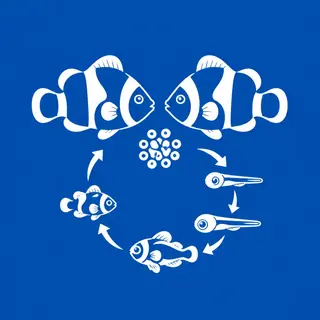
Some gobies and blennies can spawn in home aquariums when provided with stable water quality, suitable shelters, compatible pairs, and excellent nutrition. Explore the fundamentals of marine fish breeding, including sex identification, courtship, spawning sites, egg care, larval challenges, and the role of live foods.
Captive-bred fish may offer important advantages, including improved acceptance of prepared foods and reduced pressure on wild populations. Learn how to evaluate captive-bred gobies, blennies, and dragonets, prepare a breeding-friendly environment, and set realistic expectations for raising marine fish fry.
❓ Frequently Asked Questions About Gobies, Blennies and Dragonets
🐟 Are gobies, blennies and dragonets suitable for nano reef tanks?
Many gobies and smaller blennies are excellent nano reef fish when the aquarium provides stable water quality, adequate shelter, and suitable food. Dragonets require more caution because many depend on a continuous supply of copepods and may be unsuitable for immature or lightly stocked nano reefs.
🪸 Are gobies, blennies and dragonets reef safe?
Most commonly kept species are considered reef safe, but individual behavior varies. Gobies may rearrange sand or move small objects, blennies may graze on algae or nip at fleshy corals when underfed, and dragonets generally leave corals alone. Research each species before adding it to a reef aquarium.
🍽️ What do gobies, blennies and dragonets eat?
Diet depends on the species. Gobies may eat frozen seafood and sinking pellets, blennies often graze on algae and accept marine foods, while dragonets commonly hunt copepods and amphipods throughout the day. Offering varied, nutritious food and monitoring body condition are essential for long-term health.
🤝 Can different gobies and blennies live together?
Some combinations work in larger aquariums with separate territories, but similar-looking or bottom-dwelling species may compete aggressively in a nano tank. Provide caves, burrows, visual barriers, and adequate space, and avoid combining species with overlapping territories unless compatibility is well established.
🧪 What water parameters do these nano reef fish need?
They generally require stable marine conditions, including a temperature around 24–27°C, specific gravity near 1.023–1.026, zero ammonia and nitrite, controlled nitrate, and consistent pH and alkalinity. Stability is more important than chasing exact numbers, so test regularly and perform dependable maintenance.