Soaked or Dry? The Best Way to Prepare Nori and Seaweed for Your Tangs
🌊 Discover the optimal way to prepare Nori seaweed for your tangs with our expert tips, ensuring a balanced Nori seaweed tang…
Read article
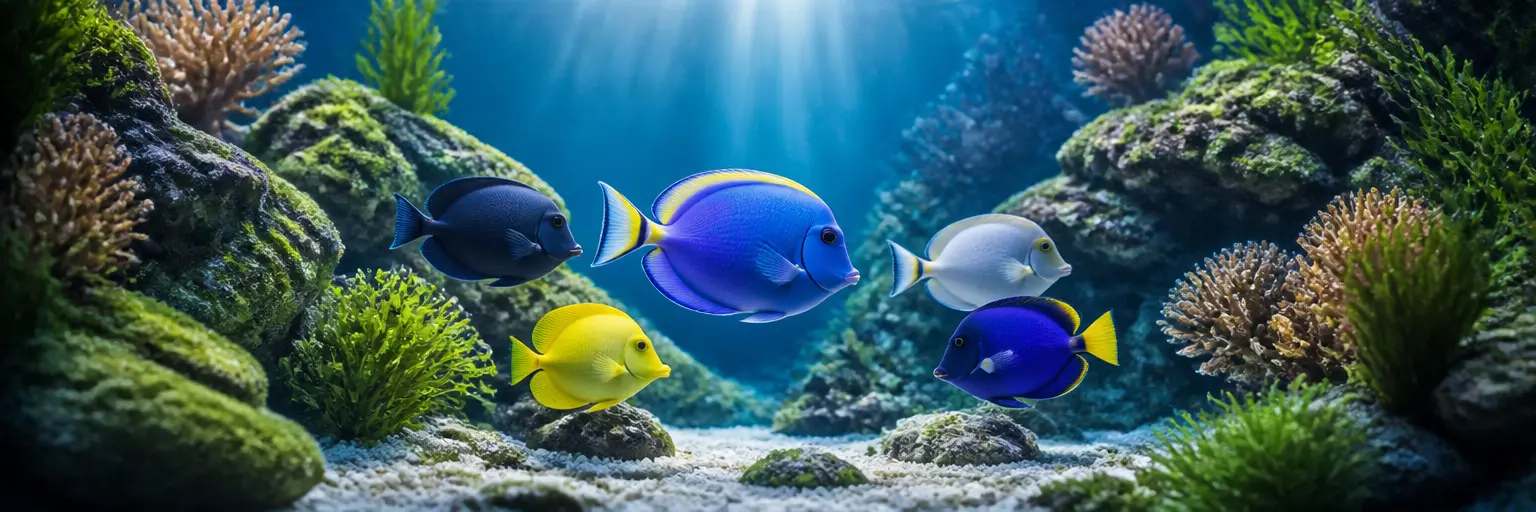
Discover expert guidance for tangs and surgeonfish 🐠—from algae control and nutritious marine fish diets to disease prevention, quarantine, and long-term reef aquarium care. Learn how to support vibrant coloration, healthy digestion, and peaceful tank mates with practical tips on water quality, grazing habits, stress reduction, and species-specific maintenance. 🌊
🌊 Discover the optimal way to prepare Nori seaweed for your tangs with our expert tips, ensuring a balanced Nori seaweed tang…
Read article
🌟 Tangs control nuisance algae through their natural grazing behavior, making them essential for maintaining healthy, pristine aquariums. Discover how their biology…
Read article
🌟 Discover how tailored Naso Tang diet requirements enhance their health, growth, and algae control. AquariumMastery.com offers expert guidance on creating ideal…
Read article
🌟 Tangs control reef algae naturally, making them essential for a pristine aquarium. Discover how these vibrant fish keep your reef tank…
Read article
🌟 Discover the truth about bubble algae control—this article sets realistic tang intervention expectations, emphasizing that patience and proper tank maintenance are…
Read article
🌊 Discover essential strategies for Marine Ich tang treatment, including prevention, identification, and effective management techniques. AquariumMastery.com provides comprehensive guidance to keep…
Read article
🌿 Enhance your Tang's algae control tweaks with simple environmental adjustments. Proper water flow, lighting, and nutrient management can significantly improve algae…
Read article
🌊 Discover how to create the perfect Surgeonfish tank by optimizing algae balance, ensuring your fish's health and vibrant colors. AquariumMastery.com offers…
Read article
😊 Discover essential steps to create a surgeonfish disease resistant tank with AquariumMastery.com. Our comprehensive guide covers water chemistry, tank setup, and…
Read article
🌟 Struggling with finicky surgeonfish feeding tips? Discover expert strategies to entice your picky eaters and ensure a healthy, vibrant aquarium. AquariumMastery.com…
Read article
🌊 Selecting compatible tank mates is crucial to prevent Saltwater fish tank disease transmission. Proper choices and careful monitoring can safeguard your…
Read article
🌊 Discover how LongTerm Tang Wellness integrates a holistic approach to Saltwater Tang Diet Nutrition, emphasizing balanced diet, environment, and disease management…
Read articleWelcome to the Tangs & Surgeonfish subcategory at Aquarium Mastery, your practical resource for keeping healthy, active saltwater fish. Explore detailed tang care guides covering species profiles, aquarium size, reef-safe behavior, compatible tank mates, marine fish diet, algae control, water quality, acclimation, quarantine, and common disease prevention. Whether you are caring for a Yellow Tang, Blue Tang, Kole Tang, Sailfin Tang, Powder Blue Tang, or another surgeonfish, these articles help you build a stable marine aquarium and provide long-term, responsible care.
Tangs and surgeonfish are among the most effective marine herbivores for managing nuisance algae in saltwater aquariums. Our guides explain how grazing behavior varies between species and how to support natural feeding with live rock, algae sheets, refugiums, and a balanced nutrient-control routine. You will learn how to reduce hair algae, film algae, and diatom buildup without relying on fish as the only solution.
Readers can also expect practical advice about aquarium lighting, phosphate and nitrate management, aquascaping, and maintaining healthy surfaces for grazing. Discover how to combine regular water changes, filtration, cleanup crews, and appropriate feeding so your tang remains well nourished while your reef tank stays clean and stable.
Proper tang nutrition is essential for energy, coloration, immune health, and resistance to stress. Our saltwater fish feeding articles cover seaweed sheets, nori, marine algae, spirulina, herbivore pellets, frozen foods, and occasional protein-rich supplements. You will find recommendations for offering frequent, varied meals that reflect the natural diet of surgeonfish.
Learn how to use algae clips, feeding rings, veggie-based foods, and multiple feeding stations to reduce competition in community aquariums. The content also explains how to prevent underfeeding, obesity, vitamin deficiencies, and aggressive food guarding while keeping water quality under control.
Tangs are active swimmers that require more than attractive decoration. These guides discuss minimum aquarium sizes, tank length, swimming space, live rock structure, hiding areas, water movement, temperature, salinity, pH, alkalinity, and filtration. You will learn why stable water parameters and adequate oxygenation are especially important for energetic surgeonfish.
Expect species-specific setup advice for small, medium, and large tangs, including recommendations for mature reef aquariums and carefully planned aquascapes. Articles also explain how to monitor ammonia, nitrite, nitrate, phosphate, and salinity, helping you avoid sudden changes that can cause stress, poor appetite, or disease.
Choosing compatible tank mates is a major part of successful tang care. Aquarium Mastery guides examine territorial behavior, body shape, swimming level, feeding competition, and compatibility with clownfish, gobies, wrasses, angelfish, blennies, damsels, invertebrates, and corals. You will learn which combinations are generally peaceful and which may create conflict.
Our articles also cover introducing new fish, rearranging live rock, using acclimation boxes, and providing multiple feeding areas. Special attention is given to housing multiple tangs, avoiding excessive competition between similar-shaped surgeonfish, and recognizing warning signs such as chasing, fin damage, hiding, and persistent stress.
Tangs can be sensitive to shipping stress, poor water quality, parasites, and rapid environmental changes. Explore prevention-focused information about quarantine tanks, observation periods, freshwater dips when appropriate, pathogen control, nutrition, and careful acclimation. Common topics include marine ich, velvet, bacterial infections, lateral line erosion, fin damage, and stress-related illness.
Readers will also learn how to recognize early symptoms, including rapid breathing, scratching, white spots, cloudy eyes, weight loss, color fading, refusal to eat, and unusual swimming. These resources emphasize early detection, biosecurity, and professional veterinary guidance rather than unsafe or improvised treatments in a display reef aquarium.
Compare popular tang and surgeonfish species through clear profiles covering adult size, temperament, diet, reef compatibility, habitat needs, difficulty level, and expected behavior. From beginner-friendly options to more demanding species, each guide helps you evaluate whether a fish is suitable for your aquarium before purchase.
You will also find advice on purchasing healthy specimens, assessing body condition, selecting captive-bred options when available, and planning for adult growth. By understanding the long-term needs of each species, aquarists can make responsible choices and avoid overcrowding, unsuitable tanks, or preventable rehoming.
The required aquarium size depends on the species, adult length, activity level, and swimming behavior. Smaller species may require a well-established aquarium of approximately 75 gallons, while large or highly active tangs often need 125 gallons or more, with a long footprint for continuous swimming. Always plan for the fish’s adult size rather than its juvenile appearance.
Yes, most tangs naturally graze on algae, but aquarium algae alone may not provide enough nutrition. Offer high-quality marine algae foods such as nori or algae sheets, supplemented with herbivore pellets and suitable frozen foods. Maintaining appropriate nitrate, phosphate, lighting, and filtration is still necessary for reliable algae control.
Tangs have active metabolisms and generally benefit from small, frequent feedings. Provide algae-based food daily and offer additional balanced marine foods as appropriate for the species. Frequent feeding supports body condition and reduces competition, but uneaten food should be removed to protect water quality.
The best prevention strategy includes quarantining new fish, maintaining stable salinity and temperature, providing excellent nutrition, reducing aggression, and avoiding overcrowding. Purchase alert fish with intact fins and a healthy body shape, and observe them carefully before adding them to a display aquarium. If disease symptoms appear, use a dedicated treatment plan and seek qualified aquatic veterinary advice.
Some tangs can coexist in large, carefully planned aquariums, but surgeonfish often defend territory against similarly shaped species. Compatibility depends on aquarium size, species temperament, introduction order, aquascaping, and available feeding space. Research each combination carefully, provide visual barriers, and be prepared to separate fish if aggression becomes persistent or harmful.