Butterflyfish Pitfalls: Top Mistakes New Keepers Make (And How to Dodge Them)
😊 New aquarists butterflyfish mistakes can lead to failed setups and stressed fish. Learn the top pitfalls to avoid, from improper water…
Read article
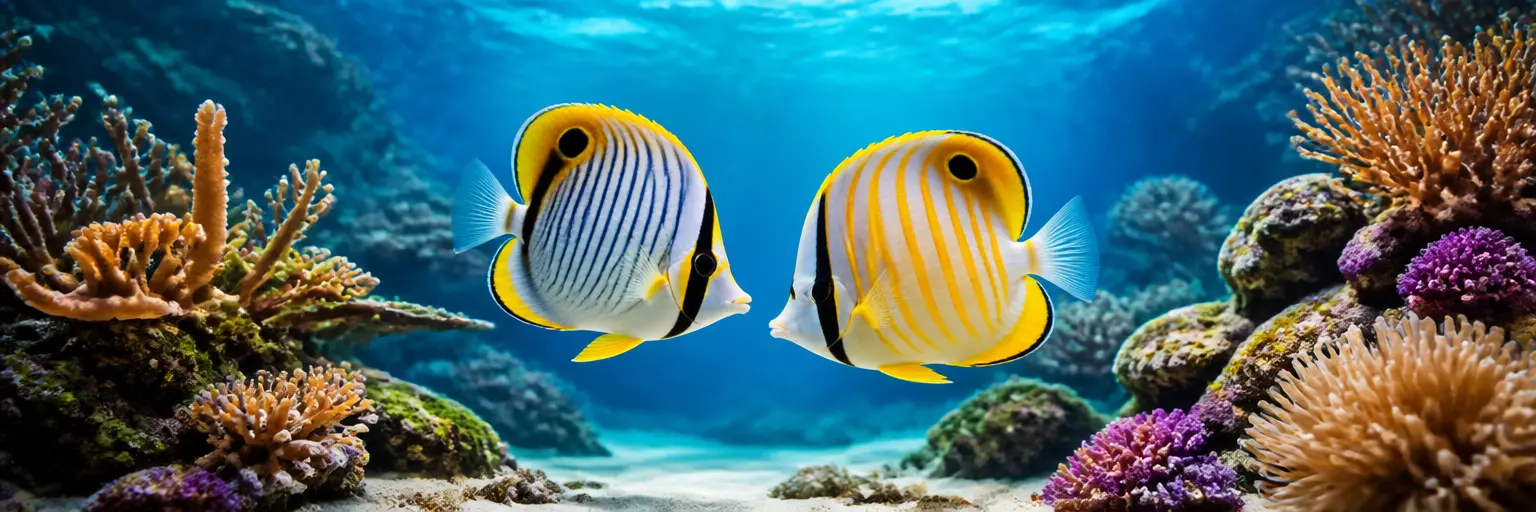
Explore butterflyfish species 🦋—the delicate beauties of saltwater aquariums—through expert profiles, compatible tank mates, habitat requirements, feeding guidance, and specialized care tips. Discover how to maintain pristine water quality, provide a reef-safe environment where appropriate, and support vibrant coloration and long-term health with informed aquarium planning.
😊 New aquarists butterflyfish mistakes can lead to failed setups and stressed fish. Learn the top pitfalls to avoid, from improper water…
Read article
🌊 Discover the beauty of the Banded Butterflyfish with our comprehensive Banded Butterflyfish Tank Care Guide, offering essential tips on creating a…
Read article
🌟 Discover whether captivebred butterflyfish care tips can make sustainable, vibrant displays a reality or remain a distant dream. AquariumMastery.com provides expert…
Read article
🌟 Discover expert insights in our Butterflyfish care tips guide, answering your most pressing questions. AquariumMastery.com offers comprehensive advice on maintaining vibrant,…
Read article
😊 Discover essential tips for the Butterflyfish hospital tank setup, ensuring optimal recovery and health. AquariumMastery.com offers expert guidance on establishing a…
Read article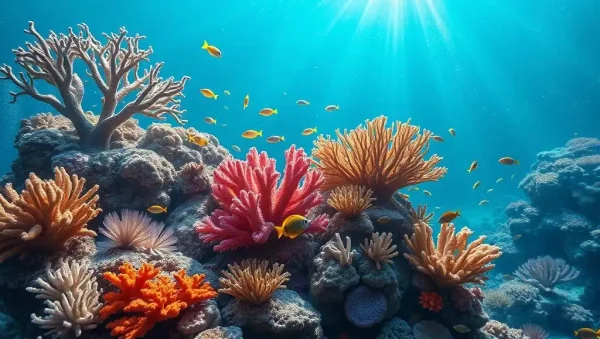
🌊 Discover the delicate balance of reef-safe corals and the hidden risks that can threaten their health. Learn how to navigate reef…
Read article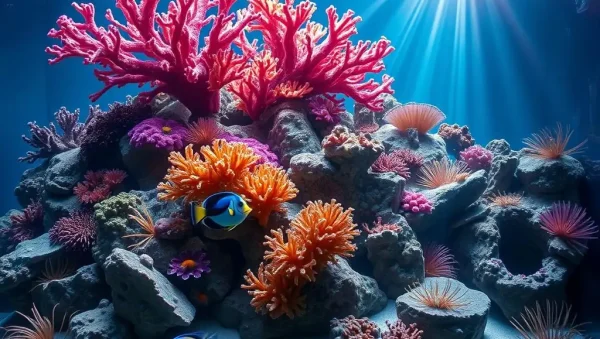
🌟 Discover essential Butterflyfish substrate care tips to ensure a healthy, vibrant aquarium. Proper substrate selection and maintenance foundation are crucial for…
Read article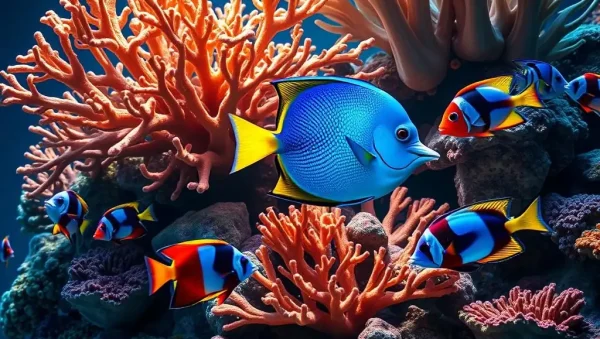
🌟 Discover essential tips in our Butterflyfish Ich Treatment Guide, helping you identify, treat, and prevent common ailments to keep your butterflyfish…
Read article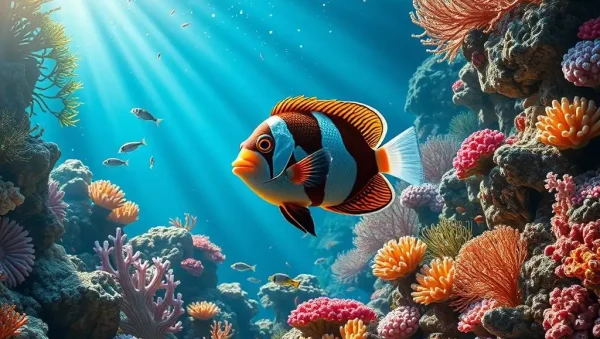
🌟 Discover the vibrant beauty of the Four Eye Butterflyfish and learn essential Four Eye Butterflyfish Care tips. This Caribbean gem thrives…
Read article
🌟 Discover the Butterflyfish vitamin supplementation guide, essential for enhancing their vibrant colors and health. Proper nutrition, including key vitamins, ensures your…
Read article
🌟 Dive into the world of Butterflyfish keeping and discover if you're truly prepared for this captivating yet challenging hobby. Explore the…
Read article
🌊 Discover the ultimate butterflyfish tank filtration systems designed to keep sensitive species healthy and vibrant. AquariumMastery.com offers expert guidance on selecting…
Read articleWelcome to Aquarium Mastery’s complete guide to butterflyfish species, saltwater aquarium care, tank mates, feeding, health, and reef compatibility. Butterflyfish are among the most elegant marine fish, recognized for their vivid patterns, graceful swimming, and fascinating natural behaviors. However, many species require mature aquariums, excellent water quality, specialized diets, and carefully selected companions. Explore expert guidance to help you identify the right butterflyfish and create a stable environment for long-term success.
Discover detailed profiles of popular butterflyfish, including copperband butterflyfish, raccoon butterflyfish, auriga butterflyfish, longnose butterflyfish, threadfin butterflyfish, and other Chaetodontidae species. Each profile can explain adult size, coloration, natural habitat, temperament, swimming level, minimum aquarium size, diet, and expected behavior. Accurate species identification is essential because care requirements and reef compatibility can vary significantly between closely related butterflyfish.
Readers can compare butterflyfish species based on their suitability for beginner, intermediate, and advanced marine aquarists. Profiles also highlight whether a fish is generally peaceful, territorial, difficult to acclimate, prone to coral nipping, or dependent on live rock and natural grazing opportunities. These practical comparisons make it easier to select a healthy butterflyfish that matches your aquarium goals.
Butterflyfish thrive in stable saltwater systems with excellent filtration, dependable circulation, and consistent marine water parameters. Learn about recommended aquarium size, temperature, salinity, pH, alkalinity, ammonia, nitrite, and nitrate management. A mature, well-established aquarium with abundant live rock is often preferable because it provides shelter, grazing surfaces, microorganisms, and a more stable biological environment.
Specialized care also includes acclimation, quarantine, stress reduction, and routine maintenance. Readers will find guidance on drip acclimation, hiding places, water changes, protein skimming, oxygenation, and observing behavior after introduction. Because many butterflyfish are sensitive to poor water quality and sudden environmental changes, consistent maintenance is a major part of successful care.
Feeding butterflyfish correctly is one of the most important aspects of marine fish care. Depending on the species, their natural diet may include coral polyps, worms, crustaceans, sponges, algae, and other invertebrates. Learn how to offer a varied diet containing high-quality marine pellets, frozen mysis shrimp, brine shrimp, chopped seafood, enriched foods, nori, and species-appropriate supplements. Dietary variety supports coloration, immunity, growth, and vitality.
Some butterflyfish may refuse prepared foods when newly imported or stressed, so this subcategory explains practical feeding strategies. Readers can learn how to use feeding stations, live foods, frequent small meals, target feeding, and gradual food transitions. Feeding advice also covers monitoring body condition, reducing waste, preventing overfeeding, and ensuring shy individuals receive enough nutrition in a community aquarium.
Choosing suitable butterflyfish tank mates requires attention to temperament, adult size, swimming space, feeding behavior, and territorial habits. Compatible choices may include peaceful wrasses, gobies, cardinalfish, certain tangs, smaller angelfish, clownfish, and other non-aggressive marine species, depending on the aquarium layout and individual fish. Quarantine and thoughtful introduction are key to reducing aggression and disease transmission.
Readers will also learn which combinations can create problems, including housing multiple territorial butterflyfish in a small aquarium or adding timid species to a tank dominated by aggressive feeders. Recommendations include introducing peaceful fish first, rearranging rockwork, providing visual barriers, and maintaining enough open water and hiding areas. These strategies help promote a calmer saltwater community.
Butterflyfish reef compatibility varies widely by species and individual behavior. Some may be relatively safe with soft corals or carefully selected reef inhabitants, while others naturally feed on coral polyps and can damage or consume prized corals. Learn how to evaluate reef-safe claims, understand species-specific risks, and plan a fish-only-with-live-rock aquarium when necessary.
This section explains how to protect invertebrates and reduce unwanted coral nipping through proper feeding, environmental enrichment, and careful species selection. However, no butterflyfish should be considered universally reef safe. Observing behavior during quarantine and after introduction is the best way to determine whether a particular fish is compatible with a coral reef aquarium.
Healthy butterflyfish should appear alert, active, well-proportioned, and eager to investigate food. Learn to recognize warning signs such as rapid breathing, white spots, cloudy eyes, skin lesions, frayed fins, weight loss, flashing, isolation, and refusal to eat. Common concerns may include marine ich, velvet, bacterial infections, parasitic worms, nutritional deficiencies, and stress-related illness.
A dedicated quarantine aquarium allows aquarists to observe new arrivals, encourage feeding, and treat disease before introduction to the display tank. This section covers quarantine equipment, biological filtration, observation periods, medication safety, freshwater dips when appropriate, and the importance of avoiding unverified treatments. Early detection and stable water quality greatly improve recovery prospects.
Explore natural butterflyfish behaviors such as pair bonding, cruising across rockwork, grazing, sheltering, and defending feeding territories. Understanding normal behavior helps aquarists distinguish healthy activity from stress. Guidance also covers signs of compatibility, social interaction, courtship, and environmental enrichment for these intelligent and visually striking marine fish.
Butterflyfish breeding is uncommon in home aquariums, but learning about spawning behavior and larval development provides valuable insight into their biology. Readers can also find long-term care practices involving scheduled water changes, stable feeding routines, filter maintenance, fish observation, and responsible stocking. With preparation and patience, butterflyfish can become spectacular focal species in a carefully managed saltwater aquarium.
Some hardy butterflyfish may be appropriate for experienced beginners, but many species are best suited to intermediate or advanced aquarists. Their specialized diets, sensitivity to stress, space requirements, and possible coral-nipping behavior make research essential. A mature aquarium, reliable equipment, and a quarantine plan significantly improve the chances of success.
Minimum tank size depends on the species, adult length, swimming activity, and temperament. Smaller species may require a well-planned aquarium of approximately 75 gallons, while larger or more active butterflyfish may need 125 gallons or more. Always select an aquarium based on the fish’s adult size rather than its purchase size.
Butterflyfish diets vary by species and may include frozen marine foods, mysis shrimp, brine shrimp, chopped seafood, pellets, algae, sponges, worms, and coral polyps. Offer small portions several times daily and provide a varied, vitamin-enriched diet. Newly acquired fish may need live or highly appealing foods before accepting prepared options.
Not all butterflyfish are reef safe. Many naturally feed on coral or other sessile invertebrates, while a few species are more likely to leave corals alone. Research the exact species and be prepared for individual variation. If protecting valuable corals is the priority, a fish-only aquarium with live rock is often the safer choice.
Provide excellent water quality, a spacious mature aquarium, nutritious food, stable temperature and salinity, suitable tank mates, and plenty of hiding areas. Quarantine every new fish, monitor feeding and breathing, and respond quickly to unusual behavior or visible disease signs. Consistent maintenance and careful observation are the foundation of successful butterflyfish care.