Longfin Cardinalfish Secrets: Elegance and Simplicity in Your Aquarium
🌟 Discover the elegance of Longfin Cardinalfish with expert guidance on Longfin Cardinalfish aquarium care. Learn how to create a stunning, simple,…
Read article
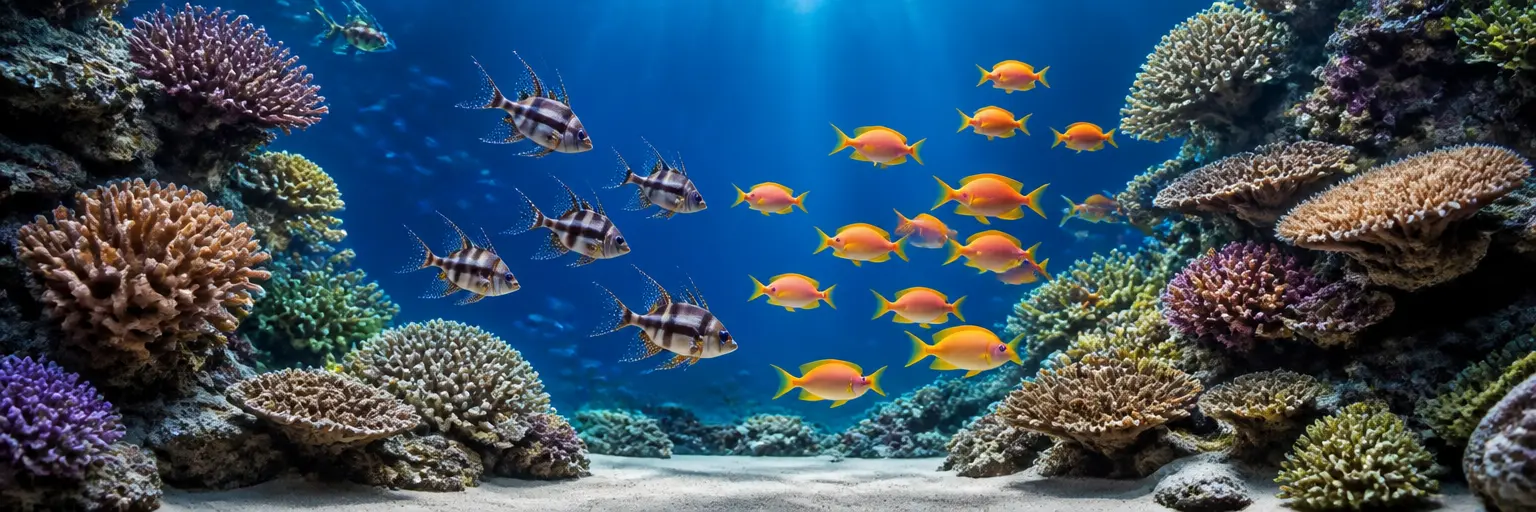
Discover captivating cardinalfish and anthias for vibrant reef aquariums 🐠✨ Explore species profiles, care requirements, feeding habits, tank mates, breeding tips, and health guidance to build a thriving saltwater community. Learn how to support natural schooling behavior with proper tank size, water quality, diet, lighting, and peaceful reef companions—perfect for both beginner and experienced aquarists seeking active, colorful fish for a healthy marine aquarium.
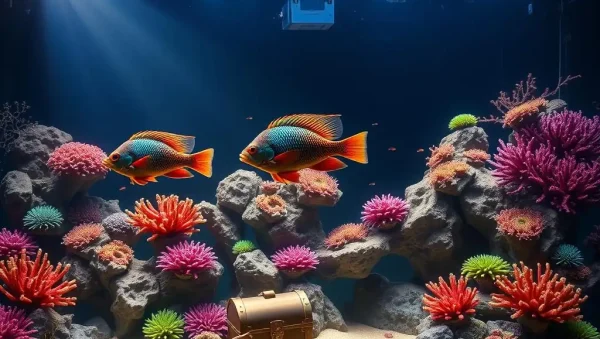
🌟 Discover the elegance of Longfin Cardinalfish with expert guidance on Longfin Cardinalfish aquarium care. Learn how to create a stunning, simple,…
Read article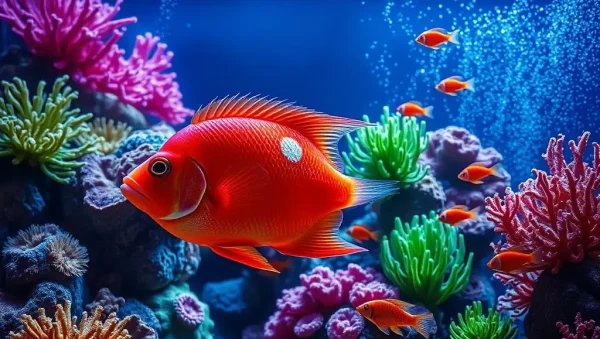
🐟 Discover essential strategies in our Cardinalfish disease treatment guide, covering prevention, identification, and effective treatment options to keep your aquarium healthy.…
Read article
🌟 Discover the essentials of maintaining an Anthias tank and understand the true "Anthias tank cost maintenance" involved. AquariumMastery.com offers expert guidance…
Read article
🌟 Discover the best peaceful cardinalfish tank mates to create a harmonious reef community. AquariumMastery.com offers expert guidance on selecting compatible species,…
Read article
🌟 Discover the vibrant beauty of the Redline Cardinalfish with our comprehensive Redline Cardinalfish Care Guide. Perfect for adding a striking dash…
Read article
🌟 Discover the truth behind cardinalfish reef compatibility issues and learn how these vibrant fish interact with corals. AquariumMastery.com offers expert guidance…
Read article
🌟 Discover the common cardinalfish hiding reasons stress, including tank environment issues and social behavior, and learn effective troubleshooting tips to ensure…
Read article
🌙 Discover the secret world of cardinalfish after dark with our expert cardinalfish night behavior tips. Uncover their hidden nocturnal activities and…
Read article
🌟 Discover essential Anthias feeding schedule tips to promote vibrant health and coloration. Proper feeding frequency and diet choices are crucial for…
Read article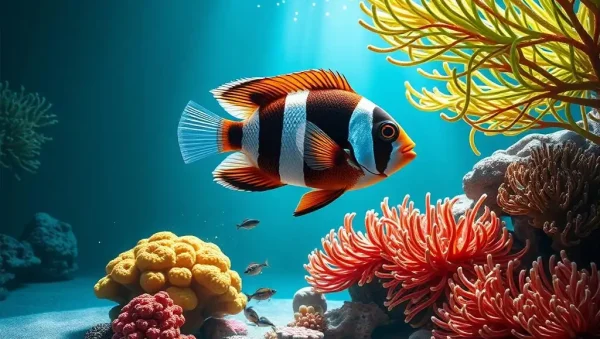
🌟 Discover the charm of the Ochre Striped Cardinalfish, a subtle splash of color perfect for reef tanks. Learn essential Ochre striped…
Read article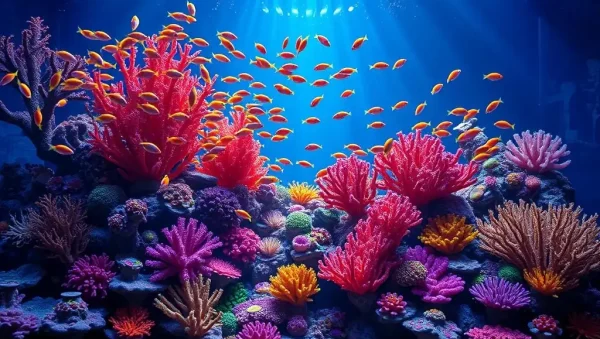
🌟 Discover how reef lighting for anthias can enhance their vibrant colors and ensure a healthy, balanced environment. AquariumMastery.com offers expert tips…
Read article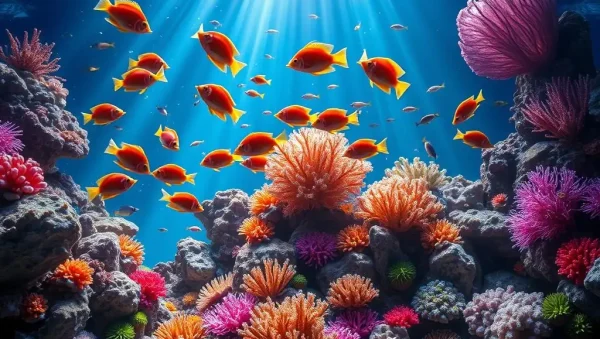
🌟 Enhance your reef with peaceful Cardinalfish and Anthias, key to elevating your Cardinalfish reef aquarium appeal. These vibrant, tranquil species bring…
Read articleDiscover expert guidance on cardinalfish and anthias for reef aquariums at Aquarium Mastery. This specialized subcategory covers species profiles, saltwater fish care, reef-safe behavior, tank mates, feeding, water quality, disease prevention, and breeding. Whether you are choosing your first peaceful schooling fish or planning a vibrant marine community tank, you will find practical information to help you select healthy fish and create a stable, natural-looking reef environment.
Learn how to compare popular cardinalfish species such as Banggai cardinalfish, pajama cardinalfish, and longspine cardinalfish with active anthias species including lyretail, dispar, bartlett’s, and ignitus anthias. Each profile explains adult size, temperament, swimming level, social behavior, reef compatibility, and suitability for beginner or experienced saltwater aquarists.
Our species-focused guidance also explains the differences between peaceful cardinalfish and more demanding anthias. You can expect practical recommendations for selecting fish based on aquarium size, group dynamics, diet, coloration, and availability, helping you build a healthy reef aquarium fish community with compatible schooling species.
Find out how much space cardinalfish and anthias need to thrive. Cardinalfish often adapt well to peaceful community reef tanks, while many anthias require more swimming room, open water, strong circulation, and carefully planned social groups. Articles in this subcategory cover minimum tank sizes, quarantine arrangements, rockwork, caves, overhangs, and safe swimming zones.
You will also learn how to encourage natural schooling and shoaling behavior. Clear aquascaping plans, suitable hiding places, and calm tank mates can reduce stress and aggression. These recommendations support a balanced marine aquarium where fish can display natural movement, coloration, and social interaction without constant competition.
Proper nutrition is essential for maintaining vibrant colors, strong immunity, and healthy growth. Explore feeding strategies for planktivorous anthias and opportunistic cardinalfish, including marine pellets, frozen mysis shrimp, enriched brine shrimp, copepods, zooplankton-based foods, and finely chopped seafood.
Anthias often have high metabolisms and may need several small feedings each day, while cardinalfish can usually follow a less demanding schedule. Our guides explain automatic feeders, feeding competition, vitamin enrichment, portion control, and methods for ensuring timid fish receive enough food without overloading reef aquarium water with waste.
Healthy cardinalfish and anthias depend on stable saltwater conditions. Learn how to manage salinity, temperature, pH, alkalinity, ammonia, nitrite, nitrate, and phosphate while maintaining effective biological filtration. This section also covers protein skimming, mechanical filtration, water changes, refugiums, and reliable marine aquarium testing routines.
Readers can expect actionable maintenance advice for preventing sudden parameter changes and nutrient buildup. Consistent water quality, appropriate oxygenation, and good circulation are especially important for active anthias, newly acclimated fish, and aquariums with heavy feeding schedules. Use these recommendations to create a stable, low-stress reef habitat.
Cardinalfish and many anthias are excellent choices for peaceful reef communities when paired with compatible species. Discover tank mate recommendations involving clownfish, gobies, blennies, wrasses, firefish, chromis, tangs, shrimp, snails, and reef-safe invertebrates. Profiles explain which combinations work best according to temperament, tank size, swimming zone, and feeding behavior.
You will also learn how to avoid common compatibility problems, including bullying, territorial disputes, food competition, and overcrowding. Special attention is given to introducing fish in the right order, observing behavior after acclimation, and providing multiple shelter areas so peaceful schooling fish can settle successfully.
Understand the social structure of cardinalfish and anthias before purchasing a group. Some species thrive as pairs, while others perform best in carefully managed groups with appropriate male-to-female ratios. Our content explores sex changes in anthias, dominance behavior, pairing, courtship, spawning, and the challenges of maintaining stable social hierarchies.
Breeding information includes mouthbrooding in Banggai cardinalfish, spawning behavior in marine aquarium fish, larval care, suitable foods for fry, and the importance of a separate breeding or rearing system. These insights are useful for aquarists interested in responsible captive breeding and reducing pressure on wild fish populations.
Learn how to quarantine new cardinalfish and anthias before adding them to a display reef. Step-by-step guidance covers drip or controlled acclimation, observation, preventative care, nutrition, and quarantine tank setup. This helps reduce the risk of introducing marine ich, velvet, bacterial infections, internal parasites, and other saltwater fish diseases.
Health guides explain how to recognize warning signs such as rapid breathing, hiding, loss of appetite, weight loss, flashing, faded coloration, white spots, frayed fins, and abnormal swimming. Early identification, excellent water quality, reduced stress, and appropriate treatment can significantly improve outcomes for vulnerable marine fish.
Yes, most cardinalfish and anthias are considered reef safe. They generally do not eat corals and are usually compatible with peaceful reef invertebrates. However, individual behavior can vary, so provide adequate space, hiding places, and suitable food to reduce stress or aggression.
They can live together in a sufficiently large, peaceful marine aquarium when their environmental and feeding needs are met. Cardinalfish are often slower and less aggressive at mealtime, while anthias may be more active. Monitor feeding carefully and avoid overcrowding or combining incompatible species.
The ideal group size depends on the species, aquarium dimensions, and social structure. Many anthias do well in a group with one dominant male and several females, but some species may be better kept as a pair or in a carefully planned harem. Research the exact species before purchase and provide ample swimming space.
Most anthias benefit from multiple small feedings each day because of their active metabolism. Two to four feedings may be appropriate, depending on species, age, tank mates, and filtration capacity. Use high-quality marine foods and remove uneaten food to protect water quality.
Many cardinalfish, especially pajama cardinalfish and Banggai cardinalfish, can be suitable for beginners because they are generally peaceful and adaptable. Beginners should still provide a fully cycled aquarium, stable salinity and temperature, proper quarantine, nutritious food, and compatible reef tank mates.