Cleaner Shrimp (Lysmata amboinensis): The Reef Tank's Essential Medic & Groomer
🌟 Discover the vital role of cleaner shrimp in your reef tank, as they expertly perform grooming and disease control. Master cleaner…
Read article
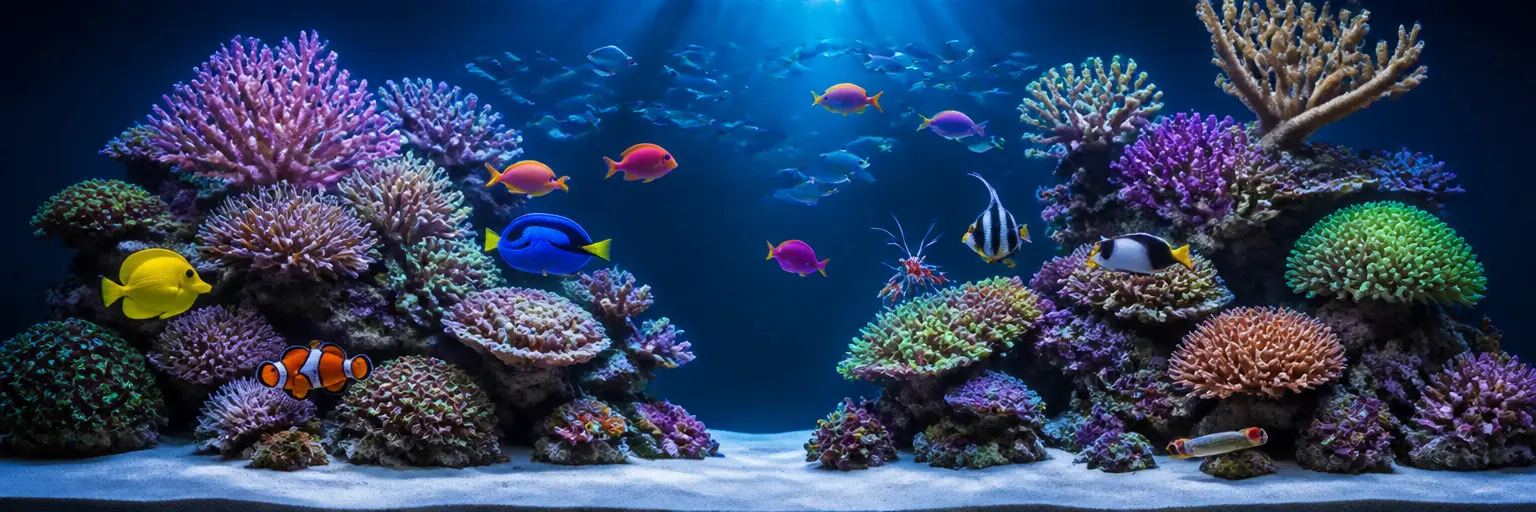
Build a thriving reef aquarium with expert guidance on choosing reef-safe fish and invertebrate tank mates 🐠🦐. Discover compatible species, peaceful community combinations, stocking considerations, and practical tips for minimizing aggression while protecting corals and maintaining a balanced marine ecosystem. Whether you’re planning a new saltwater tank or improving an established reef, Aquarium Mastery helps you make confident choices for a healthy, vibrant aquarium 🌊.
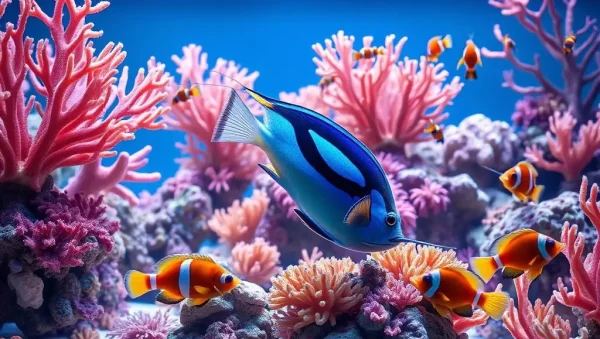
🌟 Discover the vital role of cleaner shrimp in your reef tank, as they expertly perform grooming and disease control. Master cleaner…
Read article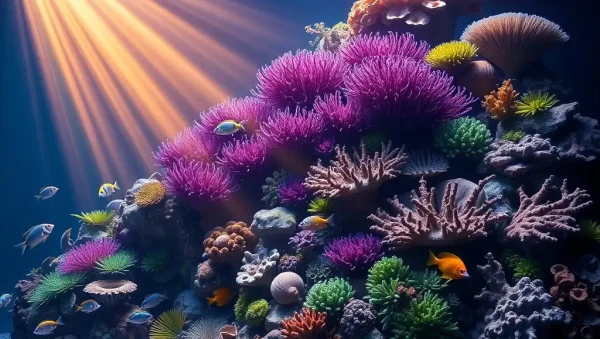
🌊 Reef urchins care maintenance offers benefits like algae control but can pose risks to tank stability. Learn expert tips on keeping…
Read article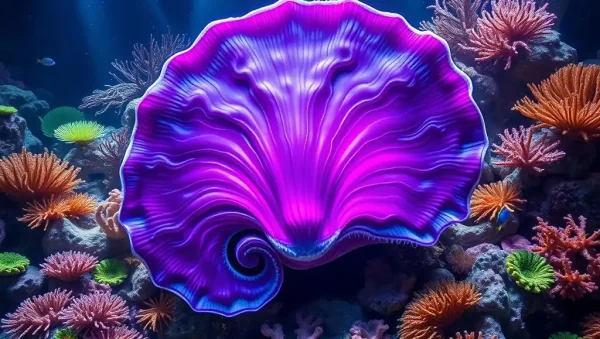
🌊 Discover expert tips on optimizing giant clam lighting flow to ensure vibrant health and growth in your reef aquarium. AquariumMastery.com provides…
Read article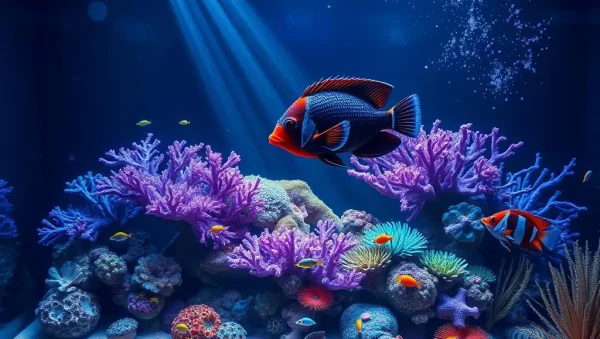
🌙 Discover the enchanting Pajama Cardinalfish, a perfect addition to your nocturnal cardinalfish reef setup. Its vibrant colors and peaceful nature enhance…
Read article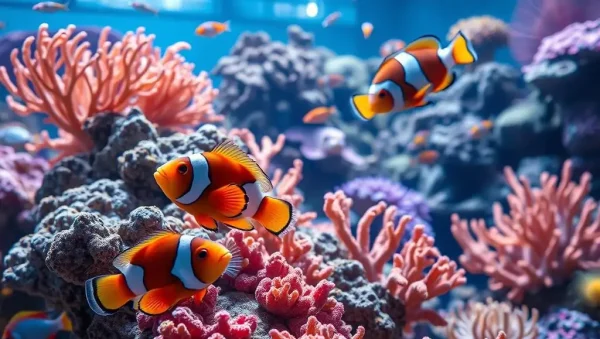
🌊 Discover the differences between Percula and Ocellaris Clownfish to determine which is a better fit for your reef care reef aquarium.…
Read article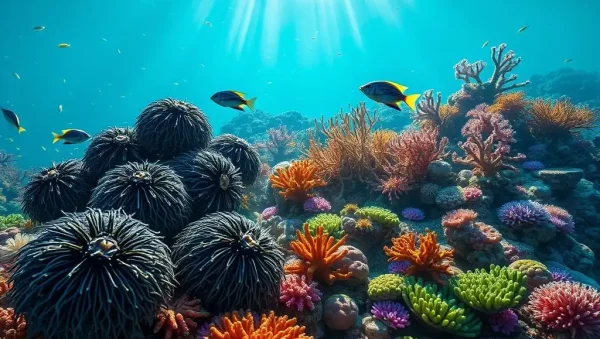
🌊 Discover the charm of the Tuxedo Urchin (Mespilia globulus), a stylish algae grazer perfect for established reefs. Our guide on Tuxedo…
Read article
🌟 Discover the vibrant Orchid Dottyback reef safe, a stunning addition to your saltwater aquarium. Known for its striking color and mostly…
Read article
🌟 Discover the Royal Gramma Basslet, a stunning reef-safe fish perfect for any saltwater tank. Our Royal Gramma Care Guide offers expert…
Read article
🌟 Protect your aquatic paradise with expert tips on New aquarium hitchhikers treatment. Learn how to identify and eliminate unwanted guests, ensuring…
Read article
🐠 Discover the essentials of Six line wrasse care to determine if this vibrant fish is a friend or foe in your…
Read article
🌊 Discover reef-safe pest-eating fish that actively control Aiptasia, flatworms, and bristle worms, ensuring your marine ecosystem remains healthy and balanced. AquariumMastery.com…
Read article
🌟 Discover the underrated Chalk Bass, a peaceful and vibrant addition perfect for both nano and large reefs. Master Chalk Bass Tank…
Read articleWelcome to Aquarium Mastery’s comprehensive guide to reef-safe fish and invertebrate tank mates. This subcategory helps saltwater aquarists build a peaceful, healthy, and visually diverse reef aquarium by explaining compatibility, temperament, feeding behavior, adult size, bioload, habitat requirements, and coral safety. Whether you are planning a new marine aquarium or improving an established reef tank, you will find practical information for selecting fish, shrimp, crabs, snails, starfish, sea urchins, and other compatible reef inhabitants.
Learn how to select saltwater fish that are suitable for reef environments, including peaceful community species, algae grazers, bottom dwellers, sand-sifting fish, and colorful nano reef fish. Guides focus on reef-safe behavior, territorial tendencies, adult size, swimming space, hiding places, and compatibility with corals, shrimp, crabs, snails, and other fish.
Readers can also explore species profiles covering care requirements, diet, water parameters, acclimation, disease prevention, and long-term maintenance. Understanding a fish’s natural behavior is essential for avoiding aggression, fin nipping, coral damage, and unnecessary stress in a saltwater community tank.
Discover how ornamental shrimp, hermit crabs, emerald crabs, porcelain crabs, snails, and other clean-up crew animals contribute to a healthy reef aquarium. These invertebrates may help control algae, consume leftover food, aerate the substrate, and remove organic debris, making them valuable additions when selected carefully.
Our content explains the differences between peaceful and opportunistic invertebrates, including which species may prey on smaller tank mates or compete for shells and food. You will also learn about acclimation, molting needs, calcium and alkalinity requirements, supplemental feeding, and safe stocking levels.
Coral compatibility is one of the most important factors when stocking a reef tank. This subcategory examines fish and invertebrates that are generally safe with soft corals, LPS corals, SPS corals, zoanthids, mushrooms, anemones, and other reef organisms. Special attention is given to occasional nipping, burrowing, rock rearrangement, and accidental coral contact.
Because individual animals can behave differently, our guides emphasize responsible observation rather than relying only on species labels. Learn how to identify warning signs, protect vulnerable corals, provide suitable feeding, and create a stable reef environment with balanced livestock choices.
Successful marine stocking begins with a compatibility plan. Explore guidance on combining peaceful fish, semi-aggressive species, bottom-dwelling gobies, blennies, wrasses, clownfish, cardinalfish, tangs, damselfish, and other popular saltwater fish. Recommendations consider tank dimensions, swimming zones, social groups, territorial boundaries, and introduction order.
Readers will learn how to reduce aggression by adding compatible species at the right time, rearranging live rock when necessary, and providing caves, overhangs, open swimming areas, and visual barriers. These strategies can help create a stable reef fish community while minimizing bullying, competition, and chronic stress.
Even the most compatible tank mates require stable marine water conditions. Find advice on salinity, temperature, pH, alkalinity, calcium, magnesium, nitrate, phosphate, filtration, protein skimming, water changes, and aquarium maintenance. Proper water chemistry supports fish health, coral growth, invertebrate molting, and disease resistance.
Detailed care guidance also covers feeding carnivorous, herbivorous, omnivorous, and filter-feeding species. Learn how to offer varied nutrition without overfeeding, manage bioload, prevent nutrient accumulation, and maintain a clean aquarium through consistent testing and scheduled maintenance.
Adding new livestock safely is essential for protecting an established reef aquarium. Our guides explain drip acclimation, temperature matching, salinity adjustment, quarantine procedures, observation periods, and safe transfer techniques for delicate fish and invertebrates. These steps can reduce shock and help prevent the introduction of parasites and infectious diseases.
You will also find information about common saltwater aquarium problems, including marine ich, velvet, bacterial infections, malnutrition, stress, aggression, poor molting, and unexplained losses. Learn how to recognize abnormal behavior early and determine when isolation, improved water quality, dietary changes, or professional advice may be appropriate.
Reef-safe generally means a fish or invertebrate is considered unlikely to eat corals, damage reef organisms, or disrupt the aquarium when properly fed and housed. However, no label guarantees identical behavior from every individual, so regular observation is important.
No. A fish may be coral-safe but still aggressive toward other fish, territorial, predatory toward shrimp, or unsuitable for a small aquarium. Always compare adult size, temperament, diet, swimming requirements, habitat preferences, and tank dimensions before adding a new species.
Common clean-up crew choices include carefully selected snails, certain hermit crabs, emerald crabs, ornamental shrimp, and other compatible detritivores or algae grazers. The best combination depends on aquarium size, algae type, available food, substrate, live rock, and existing livestock.
Begin by floating sealed bags or containers to equalize temperature, then gradually adjust the animal to the aquarium’s salinity and water chemistry. In many cases, quarantine is recommended before introduction. Avoid adding transport water to the display tank and handle invertebrates gently.
Stocking capacity depends on tank volume, filtration, water movement, maintenance routine, species size, feeding needs, and total bioload. Add livestock gradually, monitor ammonia, nitrate, phosphate, and animal behavior, and prioritize long-term health over maximum stocking density.