
Mithrax Crabs (Emerald Crabs): Bubble Algae Busters or Myth?

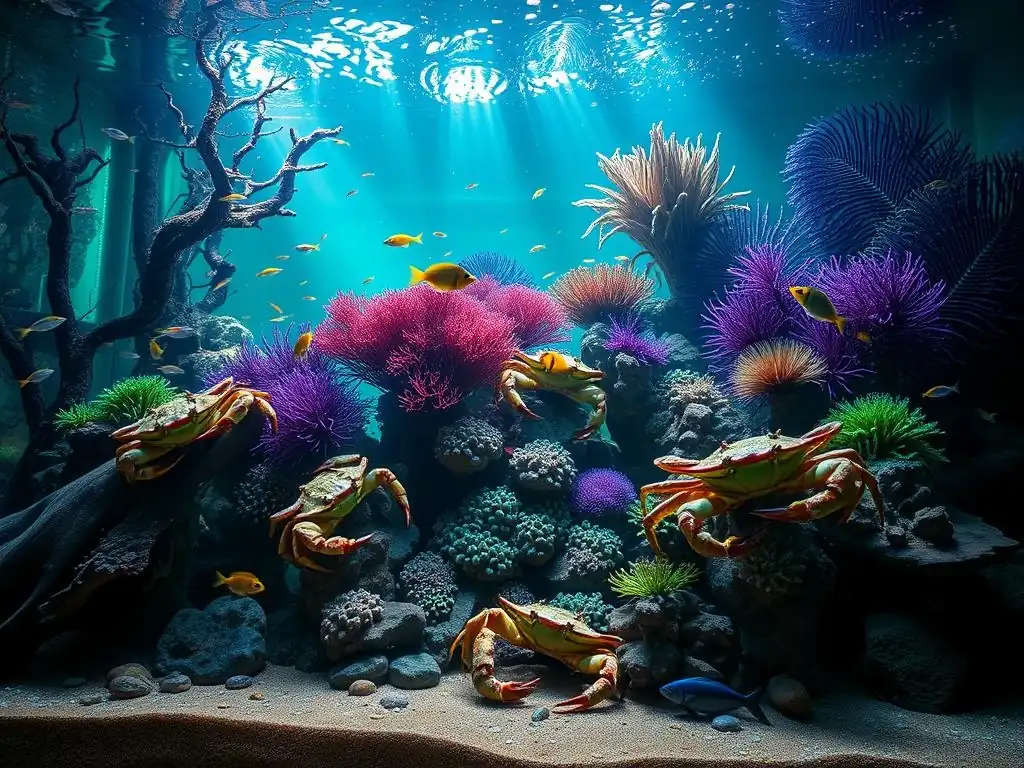
Welcome to Aquarium Mastery, your ultimate guide to thriving aquatic ecosystems!
Ever wondered if those vibrant emerald crabs, also known as Mithrax crabs, truly live up to their reputation as algae-eating superheroes in your aquarium? Dive in to discover the truth behind the "Mithrax crabs eat algae" myth, and learn everything you need to know about these fascinating invertebrates – from their care requirements to their potential impact on your freshwater or saltwater setup. Are they the perfect solution to your bubble algae woes, or could they cause more harm than good? Let's find out!
- Understanding Mithrax Crabs: The Emerald Algae Eater
- The Algae Eating Reputation of Mithrax Crabs
- The Role of Mithrax Crabs in a Saltwater Aquarium
- Potential Problems and Considerations with Mithrax Crabs
- Setting Up Your Aquarium for Mithrax Crabs
- Are Mithrax Crabs Right for Your Aquarium? A Balanced Perspective
- Conclusion: Optimizing Algae Control with Mithrax Crabs
-
Frequently Asked Questions
- What types of algae do Mithrax crabs typically consume in an aquarium?
- Are Mithrax crabs reef-safe, and what potential risks should aquarists be aware of?
- How many Mithrax crabs are recommended for a specific size aquarium to effectively control algae?
- What are some signs that a Mithrax crab is not getting enough to eat in an aquarium?
- What alternative methods can be used to control algae if Mithrax crabs are not effective or suitable for a particular aquarium setup?
- Final Reflection: The Enduring Quest for Algae Control
- Unleash the Emerald Power: Conquer Your Aquarium's Algae!
Understanding Mithrax Crabs: The Emerald Algae Eater
What are Mithrax Crabs (Emerald Crabs)? A Profile
Mithrax sculptus, commonly known as the Emerald Crab, is a popular and intriguing invertebrate native to the Western Atlantic Ocean, primarily found in the Caribbean reefs. These small, often shy crustaceans are sought after by saltwater aquarists for their distinctive emerald green coloration and their reputation as dedicated members of the aquarium clean-up crew.
In their natural habitat, they play a crucial role in breaking down detritus and consuming various forms of algae, contributing to the health of the coral reef ecosystem. They typically grow to a modest size, with their carapace reaching approximately 1.5 to 2 inches (3.8 to 5 cm) in width.
Emerald Crabs are primarily nocturnal scavengers, preferring to forage under the cover of darkness. In captivity, their lifespan can range from 2 to 4 years under optimal conditions, though many hobbyists report an average lifespan of 1 to 2 years. They are generally considered hardy and adaptable, making them a suitable choice for both novice and experienced aquarists looking to add a functional and interesting invertebrate to their reef or fish-only tank. Their reclusive nature means they often spend daylight hours hidden among live rock, emerging at night to explore and find food.
Distinguishing Features of Mithrax sculptus (Emerald Crab)
The most striking feature of Mithrax sculptus is its vibrant emerald green coloration, which can sometimes appear as a brownish-green depending on diet and environment. Their carapace is typically flat and oval-shaped, allowing them to navigate tight crevices within rockwork. A key identifying characteristic is their hairy legs, which are covered in fine bristles, and their asymmetrical claws. One pincer is usually larger and more robust, designed for crushing and breaking down food items, while the other is smaller and more delicate, used for manipulating food and picking at surfaces.
Emerald Crabs are masters of camouflage, often blending seamlessly with the coralline algae and rockwork in a mature reef tank. Their movement is generally slow and deliberate, though they can scuttle surprisingly quickly when startled or in search of a new hiding spot. Unlike some other crab species, they typically do not carry anemones or sponges on their backs, further distinguishing them. Observing their unique claw structure and their tendency to remain hidden during the day are key ways to identify and appreciate these fascinating invertebrates.
The Algae Eating Reputation of Mithrax Crabs
Do Mithrax Crabs Really Eat Algae? Separating Fact from Fiction
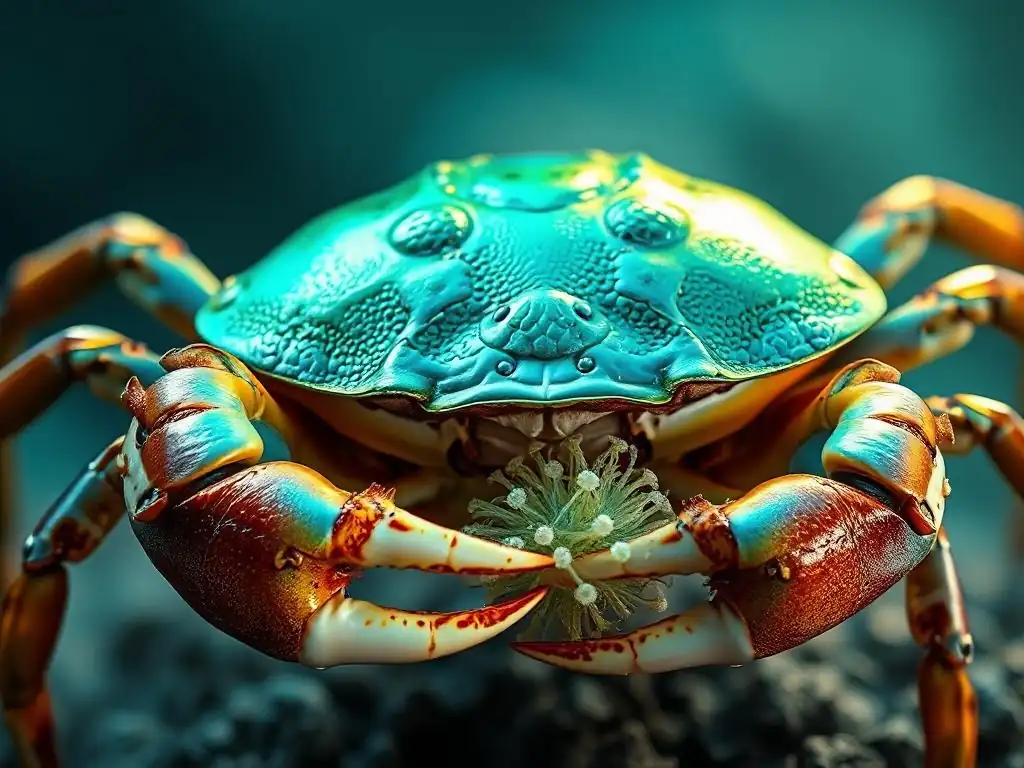
Yes, Mithrax crabs eat algae, and their reputation as algae consumers is largely founded in truth. Many aquarists introduce them specifically to combat nuisance algae blooms. Observations from hobbyists and scientific studies confirm their effectiveness against certain types of algae. However, it's crucial to understand that they are opportunistic omnivores, meaning their diet is not exclusively limited to algae. They will also readily consume detritus, uneaten fish food, and even small invertebrates if other food sources are scarce.
The "myth" aspect often arises from varying individual preferences among crabs and the availability of alternative food sources. A well-fed emerald crab with an abundance of detritus or leftover fish food might show less interest in grazing on stubborn algae compared to one in a cleaner, less-fed tank. Therefore, while Mithrax crabs eat algae, their level of dedication to algae consumption can be influenced by their environment and dietary alternatives. They are a valuable tool, but not a guaranteed panacea for all algae problems.
What Types of Algae Do Emerald Crabs Consume?
Bubble Algae ( Valonia ventricosa): The Primary Target?
Bubble algae, specifically Valonia ventricosa, is indeed the primary target for which Mithrax sculptus is most famous. These crabs possess the unique ability to puncture the tough, spherical membrane of bubble algae and consume its contents, effectively removing it from live rock, equipment, and even glass surfaces. This is a significant advantage, as manually removing bubble algae can often cause it to burst and release spores, potentially leading to a wider infestation throughout the aquarium.
Their effectiveness against bubble algae is widely reported by aquarists. For instance, a single emerald crab can often manage a small, localized patch of Valonia in a 20-gallon nano tank. For more widespread outbreaks across larger systems, such as a 75-gallon or 120-gallon reef tank, multiple individuals might be required to make a significant impact. Their ability to reach into tight crevices where human hands cannot is particularly beneficial for controlling this persistent nuisance.
Hair Algae Consumption by Mithrax Crabs
While Mithrax crabs eat algae, their consumption of hair algae is often less consistent and effective compared to bubble algae. They will graze on softer, shorter strands of hair algae, especially if other more preferred food sources are scarce. However, very dense, long, or tough strains of hair algae, particularly resilient types like Bryopsis, are generally ignored or only minimally impacted by emerald crabs.
Many aquarists report that while emerald crabs might nibble on hair algae, they rarely eradicate a significant infestation. For example, in a 50-gallon tank with a moderate hair algae problem, a single emerald crab might only make a noticeable dent in a small, localized area, while the broader problem persists. For widespread hair algae issues, other clean-up crew members like turbo snails or herbivorous fish, along with fundamental nutrient control, are typically much more effective.
Cyanobacteria and Diatoms: Will Emerald Crabs Eat Them?
Generally, Mithrax sculptus are not effective at consuming cyanobacteria (often called red slime algae) or diatoms (brown algae). These organisms are not true algae; cyanobacteria are photosynthetic bacteria, and diatoms are single-celled algae with silica cell walls. Their texture, composition, and in some cases, the presence of undesirable compounds, make them unpalatable or inaccessible to emerald crabs.
Aquarists should not rely on emerald crabs to control outbreaks of cyanobacteria or diatoms. These issues typically indicate underlying water quality problems, such as elevated nitrates or phosphates for cyanobacteria, or high silicates for diatoms. Addressing the root cause through diligent nutrient export, proper filtration, and consistent water changes is paramount for resolving these specific issues, rather than expecting Mithrax sculptus to act as a solution.
The Role of Mithrax Crabs in a Saltwater Aquarium
Benefits of Introducing Emerald Crabs to Your Reef Tank
The primary benefit of introducing Mithrax sculptus to your reef tank is their targeted consumption of nuisance bubble algae. For many reef hobbyists, a small infestation of Valonia can rapidly escalate, and a few emerald crabs can effectively curb its spread, saving hours of manual removal. Their ability to access tight spaces within live rock makes them invaluable for reaching inaccessible algal patches that are difficult for aquarists to clean.
Beyond specific algae, emerald crabs contribute significantly to overall tank hygiene by scavenging detritus and uneaten food. They act as part of the natural clean-up crew, diligently breaking down organic matter and helping to maintain water quality. This scavenging behavior can reduce the accumulation of nitrates and phosphates, contributing to a healthier and more stable reef environment that benefits corals, fish, and other invertebrates.
Controlling Algae Growth with Mithrax Crabs: Expectations vs. Reality
While Mithrax crabs eat algae, particularly bubble algae, it's crucial for aquarists to maintain realistic expectations. They are not a "magic bullet" solution for all algae problems. Their effectiveness is often limited to specific types of algae, mainly bubble algae, and their individual dietary preferences can vary. Relying solely on one or two emerald crabs to solve a widespread algae issue, especially in larger tanks (e.g., 120 gallons), is often an unrealistic approach.
The reality dictates that emerald crabs are best utilized as one component of a comprehensive algae control strategy. This strategy should include proper nutrient export (e.g., efficient protein skimming, refugiums, regular water changes), appropriate lighting schedules, and other clean-up crew members like snails (e.g., turbo snails for diatoms/film algae) and herbivorous fish (e.g., tangs for hair algae). Mithrax sculptus complements these efforts rather than replacing them entirely.
Mithrax Crabs as Part of a Complete Algae Control Strategy
For optimal algae control, Mithrax sculptus should be integrated into a diverse clean-up crew. For instance, in a 60-gallon reef tank, a combination of 1-2 emerald crabs for bubble algae, 5-7 turbo snails for diatoms and film algae, and 3-5 Nassarius snails for detritus can create a robust biological defense against various algal types. This multi-species approach ensures that different niches within the aquarium are covered, leading to a more effective and balanced ecosystem.
Furthermore, the biological approach must be supported by sound husbandry practices. This includes regular testing of water parameters (aiming for nitrates below 10 ppm, phosphates below 0.03 ppm), consistent protein skimming, and judicious feeding to avoid excess nutrients. Without addressing the underlying causes of algae growth, even the most diligent Mithrax crabs eat algae efforts will be overwhelmed, and algae problems are likely to persist or re-emerge.
Potential Problems and Considerations with Mithrax Crabs
When Mithrax Crabs Don't Eat Algae: Alternative Food Sources
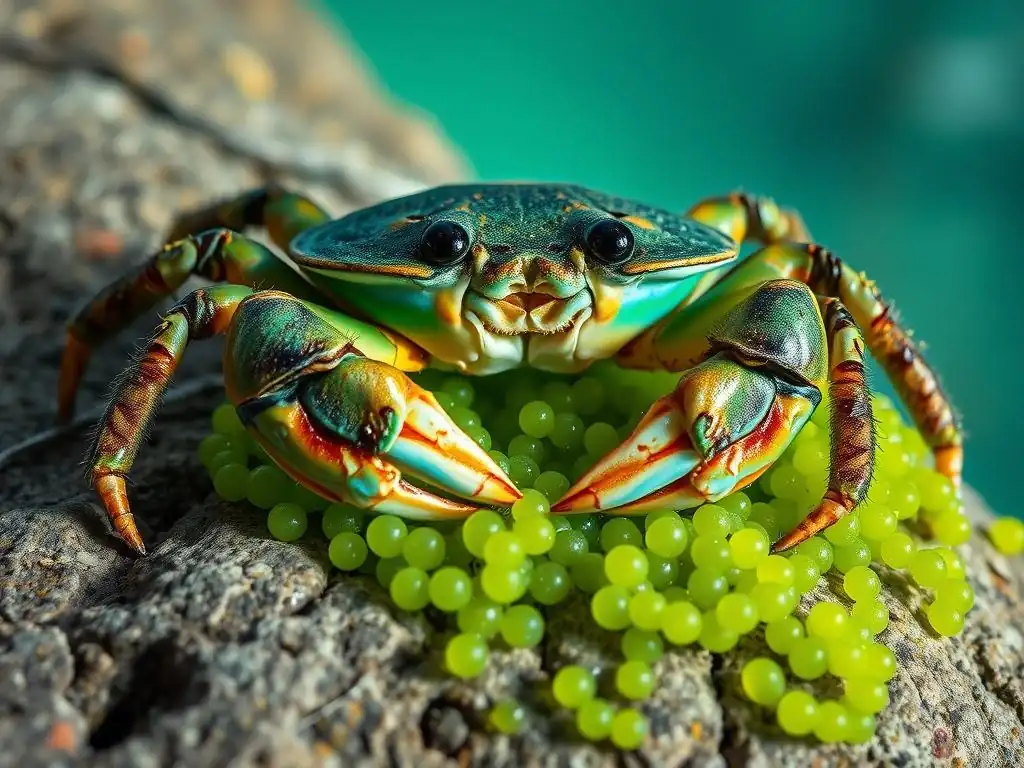
One common reason Mithrax crabs eat algae less enthusiastically is the availability of alternative, more appealing food sources. If a tank is overfed, or if there's abundant detritus and uneaten fish food, emerald crabs will often prioritize these easily accessible, nutrient-dense meals over grazing on tough algal mats. They are opportunistic feeders; given a choice, they will often opt for the path of least resistance for sustenance, which might not be the nuisance algae you want them to consume.
This behavior means that if an aquarist observes their emerald crab is not actively targeting nuisance algae, it's often a sign that its dietary needs are being met elsewhere. For example, in a tank where fish are fed flakes or pellets multiple times a day, the crabs might simply scavenge the leftovers rather than expending energy on algae. This reinforces the idea that their algae-eating habits are significantly influenced by their overall hunger and the general food availability in their environment.
Supplementing Their Diet: What to Feed Emerald Crabs
If your Mithrax sculptus are not actively consuming algae, or if your tank is relatively algae-free, it's important to supplement their diet to ensure their health and prevent them from becoming aggressive due to hunger. They will readily accept a variety of foods. Small pieces of dried seaweed (nori), spirulina flakes, or algae wafers are excellent options to mimic their natural herbivorous tendencies and provide essential nutrients.
Additionally, due to their omnivorous nature, they will also consume meaty foods. Offer small pieces of shrimp, mysis shrimp, or other frozen meaty preparations a few times a week, especially if you notice them becoming lethargic or if they appear to be scavenging aggressively. This ensures they receive a balanced diet and are less likely to seek out alternative, potentially problematic, food sources within the tank, such as small snails or sleeping fish.
Mithrax Crab Aggression: Potential Issues with Tank Mates
While generally considered reef-safe, Mithrax sculptus can exhibit aggression, especially when hungry, poorly fed, or housed in overly small tanks (e.g., less than 20 gallons). There are documented cases where emerald crabs have preyed upon small, slow-moving fish, sleeping fish, or other invertebrates like snails and hermit crabs. This behavior is often driven by a lack of sufficient food sources or territorial disputes, particularly if multiple crabs are kept in a confined space.
It's important to monitor their behavior. If a crab is consistently seen chasing or harassing other tank inhabitants, or if there are unexplained disappearances of snails, it might be the culprit. For instance, a 1.5-inch emerald crab in a 10-gallon nano tank is more likely to exhibit aggression due to limited space and food competition than the same crab in a 50-gallon tank with ample hiding spots and diverse food sources. Providing adequate space and ensuring they are well-fed can significantly mitigate much of this aggressive potential.
Compatibility with Fish and Other Invertebrates
Mithrax sculptus are generally compatible with most common reef fish and larger, active invertebrates. They typically coexist peacefully with clownfish, gobies, blennies, and most tangs, as these fish are too fast or large to be considered prey. However, caution is advised with very small or slow-moving fish, especially those that spend time resting on the substrate at night, as they could become targets. Juvenile fish are particularly vulnerable to predation.
When it comes to other invertebrates, they can sometimes pose a threat to very small snails or hermit crabs, particularly if these are newly introduced or appear weak. While they often coexist with larger snails like turbo snails or conchs, it's not unheard of for a hungry emerald crab to attempt to flip or harass smaller clean-up crew members. Close observation, especially during the initial weeks after introduction, is recommended to ensure harmonious coexistence within the clean-up crew.
Emerald Crab Size and Tank Size Requirements
Mithrax sculptus can grow to a respectable size for a clean-up crew member, with their carapace reaching up to 2 inches (approximately 5 cm) in width, and their leg span potentially extending further. This relatively large size means they require adequate space to thrive without feeling cramped or becoming overly territorial. Their growth rate can be influenced by food availability and water quality, leading to periodic molts.
For a single emerald crab, a minimum tank size of 10-20 gallons is generally recommended, provided it's a well-established system with plenty of live rock for hiding and scavenging. If you plan to keep multiple emerald crabs, which is often necessary for significant bubble algae control in larger tanks (e.g., 75 gallons or more), you should aim for at least 30-50 gallons per additional crab to minimize territorial disputes and ensure sufficient foraging grounds for all individuals.
Setting Up Your Aquarium for Mithrax Crabs
Ideal Water Parameters for Emerald Crabs
Mithrax sculptus thrive in stable, well-maintained reef tank conditions, mirroring their natural Caribbean habitat. The ideal salinity should be maintained within a specific gravity range of 1.023 to 1.026. Temperature should be kept consistently between 72-78°F (22-26°C). Consistent water parameters are key to their longevity and health, as sudden fluctuations can cause significant stress and lead to unsuccessful molting, which can be fatal.
Furthermore, standard reef parameters for pH (8.1-8.4), alkalinity (8-12 dKH), calcium (400-450 ppm), and magnesium (1250-1350 ppm) are important, especially as these crabs periodically molt their exoskeletons to grow. Sufficient levels of calcium and alkalinity are crucial for successful calcification of their new shell. Regular testing of these parameters and performing small, consistent water changes are vital for maintaining these optimal conditions and supporting their healthy growth.
Providing Shelter and Hiding Places
Providing ample shelter and numerous hiding places is paramount for the well-being and security of Mithrax sculptus. As nocturnal and somewhat reclusive creatures, they need crevices, caves, and overhangs within the live rock aquascape where they can retreat during the day, feel safe from potential threats, and escape from aggressive tank mates. A well-structured aquascape with plenty of nooks and crannies will significantly reduce stress.
Hiding spots are particularly critical during their molting process. When an emerald crab sheds its old exoskeleton, it is extremely vulnerable and soft-bodied for several hours or even a day. During this period, they will instinctively seek out the most secure and secluded spots available to them. A lack of adequate hiding places can lead to increased stress, failed molts, or even predation by other tank inhabitants (such as larger fish or other crabs), significantly impacting their survival rate.
Are Mithrax Crabs Right for Your Aquarium? A Balanced Perspective
The Pros and Cons of Keeping Emerald Crabs
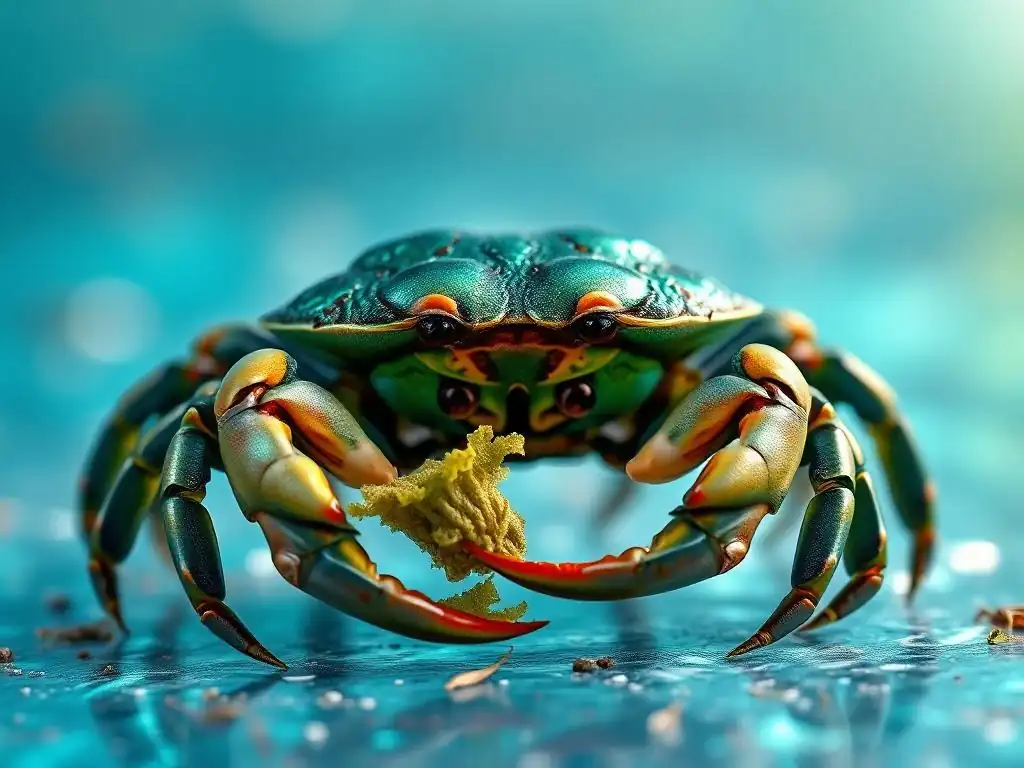
Here's a balanced look at the advantages and disadvantages of keeping Mithrax sculptus:
- Pros:
- Effective Bubble Algae Control: They are arguably the most effective natural predator for Valonia ventricosa, making them invaluable for targeting this specific nuisance algae.
- Detritus Scavengers: Mithrax crabs eat algae but also contribute significantly to overall tank cleanliness by consuming uneaten food and detritus, helping to reduce nutrient buildup.
- Hardy and Adaptable: Generally robust and tolerant of a range of conditions, making them suitable for many aquarists, including beginners.
- Interesting Behavior: Their nocturnal scavenging and cryptic nature add an engaging, dynamic element to the reef tank ecosystem.
- Cons:
- Opportunistic Feeding: May prioritize other food sources (like fish food or detritus) over algae if available, leading to inconsistent algae consumption.
- Potential for Aggression: Can become aggressive towards smaller fish or invertebrates, especially if hungry, in confined spaces, or if multiple dominant males are present. Cases of predation, though rare, do occur.
- Limited Algae Spectrum: Not effective against all types of algae, particularly dense hair algae, cyanobacteria, or diatoms.
- Size and Molting Issues: Can grow quite large, and molting can be a vulnerable period if proper water parameters and sufficient hiding spots are not provided.
Alternative Algae Control Methods for Saltwater Aquariums
While Mithrax crabs eat algae and are a valuable asset, aquarists should be aware of a range of alternative or complementary algae control methods to ensure a comprehensive strategy. Other popular clean-up crew members include various snail species: turbo snails ( Turbanus spp.) are excellent for film algae and diatoms, Nassarius snails ( Nassarius spp.) are superb detritus eaters, and Astrea snails ( Astrea tecta) are good general grazers. Hermit crabs, such as blue leg or scarlet reef hermits, also contribute by consuming detritus and some algal films.
Beyond invertebrates, certain fish species are highly effective algae consumers. Tangs (e.g., Yellow Tangs, Purple Tangs) and blennies (e.g., Lawnmower Blennies, Starry Blennies) are renowned for their voracious appetite for hair algae.
However, these fish typically require larger tanks, often 75 gallons or more, due to their size and active swimming habits. Most importantly, fundamental nutrient control through regular water changes (e.g., 10-20% bi-weekly for a 50-gallon tank), efficient protein skimming, judicious feeding, and the use of nutrient-exporting methods like refugiums or GFO reactors are critical for preventing algae outbreaks in the first place, regardless of the clean-up crew employed.
Conclusion: Optimizing Algae Control with Mithrax Crabs
In conclusion, Mithrax sculptus, or emerald crabs, are undeniably valuable members of a saltwater aquarium's clean-up crew, primarily celebrated for their effectiveness against nuisance bubble algae. While Mithrax crabs eat algae, specifically Valonia ventricosa, and contribute significantly to detritus control, it's crucial for aquarists to understand their limitations and opportunistic feeding habits. They are not a universal solution for all types of algae or for addressing underlying water quality issues that fuel algae growth.
To truly optimize algae control and maintain a thriving reef environment, emerald crabs should be viewed as one important piece of a larger, integrated strategy. This strategy encompasses maintaining pristine water parameters, employing a diverse clean-up crew that targets various algae types, and considering appropriate herbivorous fish where tank size permits. By setting realistic expectations and providing a suitable environment with ample food and hiding spots, Mithrax sculptus can be a highly beneficial, long-term resident, helping aquarists keep their tanks cleaner and healthier for years.
Frequently Asked Questions
What types of algae do Mithrax crabs typically consume in an aquarium?
Mithrax crabs, particularly the Mithrax sculptus (Emerald Crab), are known for eating various types of algae, including hair algae and, most famously, bubble algae. They are often introduced to reef tanks specifically for algae control.
Are Mithrax crabs reef-safe, and what potential risks should aquarists be aware of?
While generally considered reef-safe, Mithrax crabs can pose a risk if they run out of algae to eat. They may then turn to corals or other invertebrates, making supplemental feeding important.
How many Mithrax crabs are recommended for a specific size aquarium to effectively control algae?
The number of Mithrax crabs depends on the size of the aquarium and the extent of the algae problem. A general guideline is one crab per 20-30 gallons of water, but observation is key.
What are some signs that a Mithrax crab is not getting enough to eat in an aquarium?
Signs of starvation include the crab becoming more active during the day, actively searching for food on corals, and possibly nipping at other invertebrates.
What alternative methods can be used to control algae if Mithrax crabs are not effective or suitable for a particular aquarium setup?
Alternative methods include manual removal, water changes, using algae-eating snails (such as Nerite or Trochus), and adjusting lighting and nutrient levels to limit algae growth.
Okay, here's a final reflection designed to close your article "Mithrax Crabs (Emerald Crabs): Bubble Algae Busters or Myth?" and rank for the keyword "Mithrax crabs eat algae," following the structure you provided:
Final Reflection: The Enduring Quest for Algae Control
The journey to a pristine reef aquarium is often paved with challenges, and the persistent battle against algae is a common one. As we've explored, the question of whether Mithrax crabs truly live up to their reputation as bubble algae busters remains complex and nuanced. While anecdotal evidence and some scientific observations suggest they can be effective, their reliability and dietary preferences are far from universally consistent.
The allure of a natural solution to algae problems is undeniable, and the popularity of Mithrax crabs reflects this desire. However, our exploration highlights the importance of informed decision-making and responsible reef keeping. The effectiveness of these crabs, like many biological controls, hinges on a delicate balance of factors. The best way to deal with algae is to prevent it in the first place.
This quote underscores the need for proactive measures, such as maintaining optimal water parameters and providing a balanced ecosystem, rather than solely relying on a single "cure."
Ultimately, the story of Mithrax crabs and their algae-eating habits serves as a microcosm of the broader challenges and rewards of reef keeping. It reminds us that there are no easy answers, and that success requires careful observation, continuous learning, and a deep understanding of the complex interactions within our miniature ecosystems. So, as you consider your own approach to algae control, remember to weigh the evidence, consider the alternatives, and strive for a holistic approach that prioritizes the long-term health and stability of your reef.
Unleash the Emerald Power: Conquer Your Aquarium's Algae!
Thanks for diving deep into the world of Mithrax crabs with us! We hope you've gained valuable insights into their potential as algae eaters and their overall impact on your reef tank. Now, let's put that knowledge to work!
Here are a few actionable steps you can take to ensure your aquarium thrives:
- Observe! Carefully monitor your current algae situation, note the species present, and track any changes after introducing a Mithrax crab.
- Consider a quarantine period: Before introducing the crab into your main aquarium, keep it in quarantine to prevent any desease or parasites to be spread.
- Share your experiences: Have you had success (or struggles!) with Mithrax crabs? Jump into the comments and tell other people about your experience.
Ready to reclaim your tank from unsightly algae and create a vibrant, thriving ecosystem?