
Blue Leg Hermit Crab (Clibanarius tricolor): Tiny Titans of Tidiness

Welcome to Aquarium Mastery!
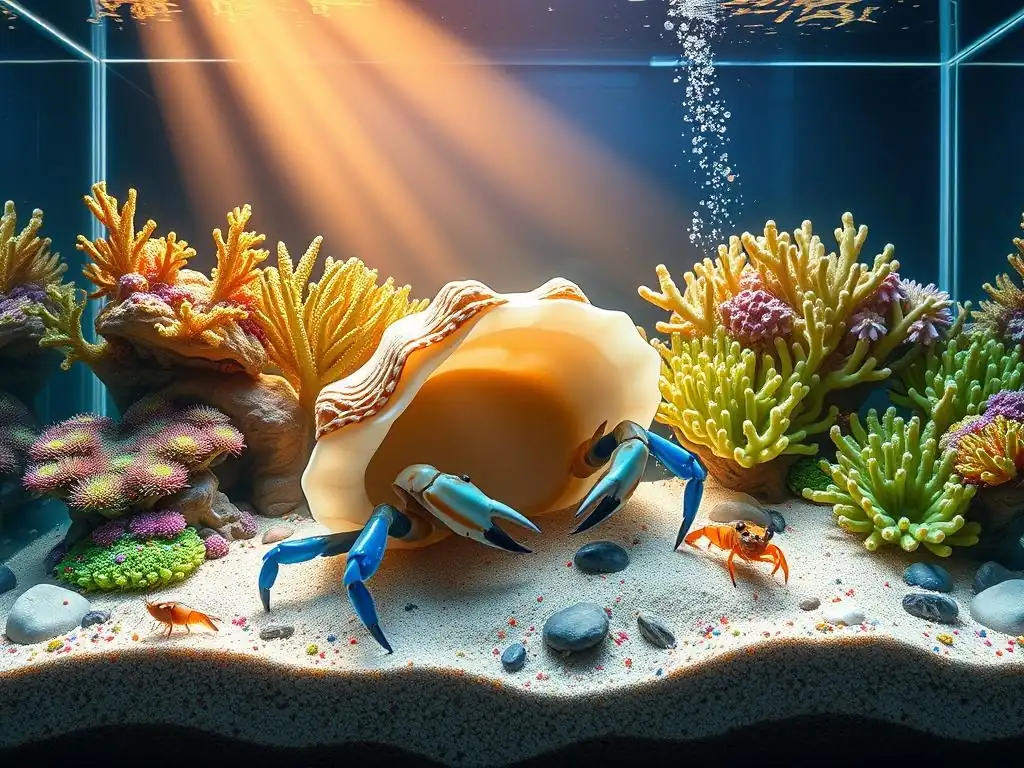
Ever wondered how to keep your reef tank sparkling clean without lifting a finger? Dive into the captivating world of the Blue Leg Hermit Crab! These tiny, tireless titans are more than just cute scavengers; they're essential members of a thriving saltwater ecosystem. Discover everything you need to know about Blue Leg Hermit Crab care, from their ideal habitat to their quirky eating habits, and unlock the secrets to a healthier, happier aquarium. Are you ready to meet your new cleanup crew? Let's get started!
- Introduction to Blue Leg Hermit Crabs
- Blue Leg Hermit Crab Care: Essential Guidelines
- Setting Up the Ideal Habitat for Blue Leg Hermit Crabs
- Blue Leg Hermit Crab Diet and Feeding
- Blue Leg Hermit Crab Behavior and Compatibility
- Blue Leg Hermit Crab Shell Selection: A Vital Need
- Identifying and Addressing Common Health Issues in Blue Leg Hermit Crabs
- Blue Leg Hermit Crab Breeding
- Benefits of Blue Leg Hermit Crabs in a Reef Tank
- Purchasing Healthy Blue Leg Hermit Crabs
- Troubleshooting Common Problems with Blue Leg Hermit Crabs
- Conclusion: Mastering Blue Leg Hermit Crab Care
-
Frequently Asked Questions
- What is the ideal tank size for a Blue Leg Hermit Crab?
- What water parameters are crucial for successful Blue Leg Hermit Crab care?
- What do Blue Leg Hermit Crabs eat, and how often should I feed them?
- Are Blue Leg Hermit Crabs reef safe?
- What are some common issues to watch out for when keeping Blue Leg Hermit Crabs?
- Final Reflection: The Enduring Appeal of Tiny Titans
- Unleash the Cleaning Power of Your Own Tiny Crustaceans!
Introduction to Blue Leg Hermit Crabs
Understanding the Role of Hermit Crabs in Saltwater Aquariums
Hermit crabs are indispensable components of natural marine ecosystems, acting as diligent scavengers that tirelessly consume detritus, uneaten food, and various forms of algae. In their native habitats, such as the Caribbean reefs and rocky intertidal zones, they play a crucial role in nutrient cycling by breaking down organic matter, preventing its accumulation and thereby maintaining healthier water conditions. This natural predisposition for cleanliness makes them highly sought-after inhabitants for home aquariums.
This inherent scavenging behavior translates directly into significant benefits for the captive environment. By constantly sifting through substrate and grazing on live rock, hermit crabs help to process organic waste that might otherwise degrade water quality, contributing to a more stable and balanced aquarium. Understanding this ecological niche is fundamental to providing optimal blue leg hermit crab care, as it informs their dietary needs and environmental requirements within a closed system.
Benefits of Blue Leg Hermit Crabs as Clean-Up Crew Members
Blue Leg Hermit Crabs (Clibanarius tricolor) are particularly prized for their efficiency in managing nuisance algae, including diatoms, cyanobacteria, and various types of green hair algae that commonly plague new or imbalanced reef tanks. A small group, perhaps 5-10 individuals in a 20-gallon aquarium, can demonstrably reduce the visible presence of these unwanted growths, acting as a continuous, natural algae control mechanism. Their small size allows them to access tight crevices that larger clean-up crew members might miss.
Beyond algae control, these tiny crustaceans are excellent detritivores, actively consuming decaying organic matter and leftover food particles that settle on the substrate and rocks. Their constant foraging helps aerate the sand bed, preventing the formation of anaerobic pockets that can release harmful gases. Furthermore, their generally peaceful demeanor and vibrant blue legs add both functionality and aesthetic appeal to a bustling reef tank, making them a cornerstone of effective blue leg hermit crab care strategies.
Blue Leg Hermit Crab Care: Essential Guidelines
Optimal Water Parameters for Blue Leg Hermit Crabs
Maintaining stable and appropriate water parameters is paramount for the health and longevity of Blue Leg Hermit Crabs. The ideal specific gravity (salinity) should range between 1.023 and 1.025, closely mimicking natural ocean conditions. Temperatures should be kept consistently within 72-78°F (22-26°C), while the pH level should remain between 8.1 and 8.4. Consistent monitoring with reliable test kits is crucial, as even slight fluctuations can induce stress.
These specific parameters are not merely guidelines but critical requirements for their physiological processes, including respiration, osmoregulation, and the vital molting process. For instance, a pH below 8.0 can hinder the calcification of their exoskeleton, making them vulnerable, while significant swings in salinity can lead to osmotic shock. Providing stable conditions is arguably the most critical aspect of comprehensive blue leg hermit crab care.
Temperature, Salinity, and pH Requirements
The temperature range of 72-78°F (22-26°C) is essential for maintaining the Blue Leg Hermit Crab's metabolic rate and activity levels. Temperatures outside this range, particularly prolonged exposure to colder water, can lead to lethargy, reduced feeding, and compromised immune function. Conversely, excessively warm water can accelerate their metabolism to an unhealthy degree and reduce oxygen levels, which are detrimental.
Salinity, measured as specific gravity, needs to be consistently maintained at 1.023-1.025. A sudden drop, for example, below 1.020, can be lethal, especially during the vulnerable molting phase where they shed their old exoskeleton. Similarly, a stable pH of 8.1-8.4 is vital because it directly impacts the availability of carbonate ions necessary for the calcification of their new shell post-molt. Neglecting these parameters significantly complicates blue leg hermit crab care.
Maintaining Water Quality: A Key to Blue Leg Hermit Crab Health
Pristine water quality is non-negotiable for the robust health of Blue Leg Hermit Crabs. This means maintaining undetectable levels of ammonia and nitrite, and keeping nitrates as low as possible, ideally below 10-20 ppm. Regular water changes, typically 10-20% bi-weekly, are essential to replenish trace elements and export accumulated nitrates and other pollutants. Effective mechanical and biological filtration, along with the use of a protein skimmer in larger systems, further aids in this endeavor.
Poor water quality, characterized by elevated nitrogenous waste products, directly compromises the crabs' respiratory system and overall vitality. It can lead to lethargy, loss of appetite, and significantly increase the risk of failed molts, which are often fatal. Therefore, diligent monitoring and proactive maintenance of water parameters are not just good practices but fundamental pillars of successful blue leg hermit crab care, preventing stress and disease before they manifest.
Setting Up the Ideal Habitat for Blue Leg Hermit Crabs
Tank Size Recommendations for Blue Leg Hermit Crabs
While Blue Leg Hermit Crabs are small, their active foraging nature and need for space to roam and molt necessitate appropriate tank sizing. For a minimal clean-up crew of 2-3 individuals, a 10-gallon saltwater aquarium can suffice, provided it is well-established and stable. However, to truly allow them to thrive and to accommodate a more effective clean-up crew of 5-10 crabs, a 20-gallon or larger tank is highly recommended.
Larger tanks offer several advantages: they provide more surface area for algae growth, which serves as a natural food source, and more space for the crabs to forage without excessive competition. Furthermore, increased water volume inherently provides greater stability in water parameters, reducing the risk of sudden fluctuations that can stress these sensitive invertebrates. Adequate space is a key consideration in comprehensive blue leg hermit crab care.
Substrate and Decor Considerations
The choice of substrate is important for Blue Leg Hermit Crabs. A sand bed, preferably fine to medium grain aragonite, is ideal as it allows them to sift through it easily while foraging for detritus and uneaten food particles. A depth of at least 1-2 inches is recommended to facilitate this natural behavior. Live rock is equally crucial, providing not only stable surfaces for them to graze upon but also numerous crevices and caves for hiding and exploration.
Incorporating various forms of decor, such as additional rock formations, ceramic structures, or even appropriately sized PVC pipes, can enhance their habitat. These elements offer visual breaks and additional surfaces for micro-algae to grow, enriching their environment. Ensure all decor is securely placed and cannot topple over, which could injure or trap the crabs, undermining careful blue leg hermit crab care efforts.
Providing Adequate Hiding Places and Empty Shells
Hiding places are absolutely critical for Blue Leg Hermit Crabs, particularly during their vulnerable molting periods when they shed their old exoskeleton and are soft and defenseless. Live rock formations with natural caves and overhangs are excellent, providing secure retreats. Without sufficient hiding spots, crabs can become stressed, making them more susceptible to disease and predation from tank mates.
Even more vital than hiding places are empty shells. Blue Leg Hermit Crabs do not grow their own shells; they rely entirely on finding suitable vacant shells to inhabit as they grow. It is imperative to provide a generous supply of empty shells – ideally 2-3 shells per crab – of varying sizes and opening shapes. These shells should be clean and free of any sharp edges. A shortage of appropriate shells will lead to aggression and competition among crabs, potentially resulting in fatalities, making this a cornerstone of proper blue leg hermit crab care.
Blue Leg Hermit Crab Diet and Feeding
Natural Diet and Scavenging Habits
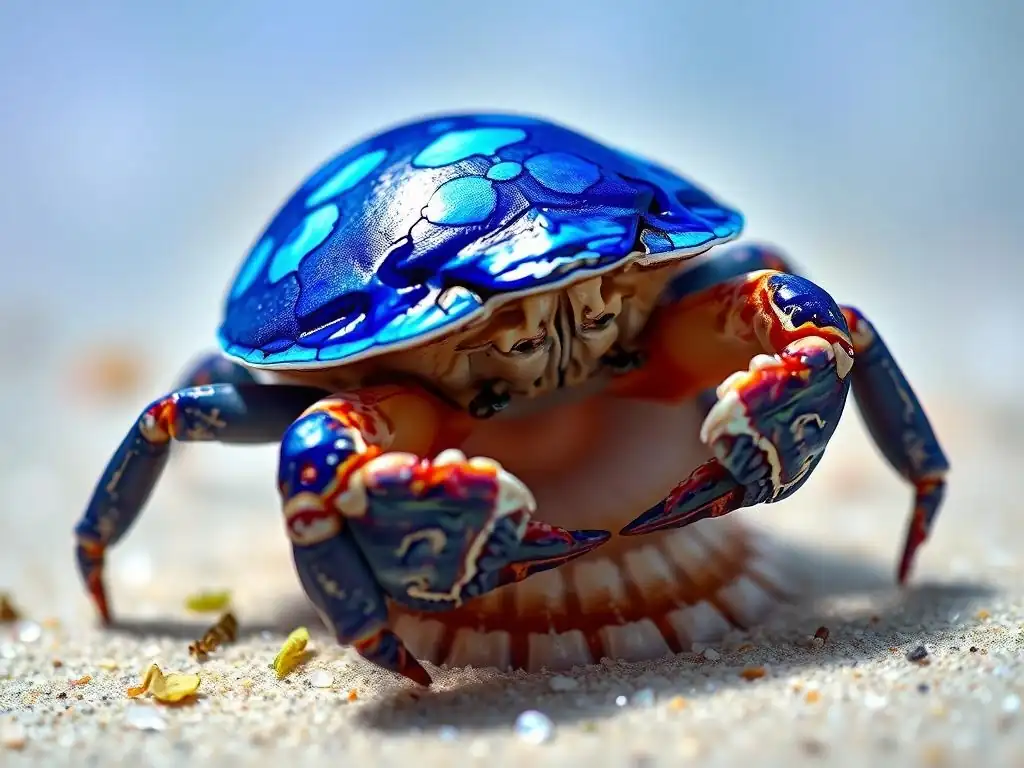
In their natural marine environment, Blue Leg Hermit Crabs are primarily detritivores and opportunistic scavengers. Their diet consists predominantly of uneaten food, decaying organic matter, and various forms of algae, including diatoms, green hair algae, and some forms of cyanobacteria. They constantly sift through the sand bed and graze on live rock, diligently cleaning the surfaces and consuming any edible debris they encounter.
This constant foraging behavior makes them highly efficient members of a clean-up crew in a home aquarium. They are always on the lookout for food, meticulously exploring their habitat. Their natural scavenging habits contribute significantly to maintaining a healthy and balanced ecosystem by preventing the accumulation of waste, thus embodying their role as "tiny titans of tidiness."
Supplementing Their Diet for Optimal Health
While Blue Leg Hermit Crabs are excellent scavengers, relying solely on tank detritus might not provide all the necessary nutrients, especially in cleaner, well-maintained aquariums. Supplementing their diet is beneficial for their long-term health and vibrant coloration. High-quality marine flake foods, sinking pellets, or small pieces of dried seaweed (nori) can be offered a few times a week.
Additionally, occasional offerings of small meaty foods, such as finely chopped shrimp or mysis shrimp, can provide essential proteins and fats. It is also important to ensure they receive adequate calcium for their exoskeleton health, particularly crucial during molting. Some prepared foods are fortified, or a small piece of calcium-rich vegetable, like blanched spinach, can be provided if desired. Comprehensive blue leg hermit crab care includes a balanced diet.
Avoiding Overfeeding: Maintaining a Balanced Ecosystem
Despite their scavenging nature, it is crucial to avoid overfeeding your aquarium, as this can counteract the very benefits of having a clean-up crew. Excess food will rapidly break down, leading to elevated nutrient levels (nitrates and phosphates), which can trigger undesirable algae blooms and degrade overall water quality. This creates a vicious cycle where the crabs' efforts are overwhelmed by the constant influx of new pollutants.
Feed your fish and other inhabitants sparingly, only what they can consume within a few minutes. The Blue Leg Hermit Crabs will then effectively clean up any remaining scraps. Their continuous foraging means they will likely find sufficient sustenance even with minimal direct feeding. A balanced approach to feeding is essential for maintaining a healthy ecosystem and maximizing the effectiveness of your clean-up crew, a core tenet of blue leg hermit crab care.
Blue Leg Hermit Crab Behavior and Compatibility
Understanding Their Scavenging Habits
Blue Leg Hermit Crabs are ceaselessly active, exhibiting a continuous foraging behavior that makes them invaluable to a marine aquarium. They will meticulously sift through the substrate, using their antennae and claws to search for detritus, uneaten food, and micro-algae. Their constant movement also contributes to the aeration of the sand bed, preventing the formation of anaerobic pockets that can release harmful hydrogen sulfide gas.
While generally beneficial, their scavenging habits can sometimes lead them to climb on corals or other sessile invertebrates. This is usually not harmful unless they dislodge the coral or are desperately searching for food or a new shell. Observing their behavior can provide clues to their needs; for instance, if they are constantly bothering a coral, it might indicate a lack of available food or, more commonly, a shortage of suitable empty shells.
Tank Mates: Choosing Compatible Species
Blue Leg Hermit Crabs are generally considered peaceful and are highly compatible with most reef-safe fish and invertebrates. Ideal tank mates include small, non-aggressive fish such as gobies, clownfish, grammas, and most types of blennies. They coexist well with various snails, including Nassarius snails and Turbo snails, as well as other small, peaceful clean-up crew members like emerald crabs (though shell competition can occur with larger crabs).
However, it is crucial to avoid housing them with aggressive or predatory fish that might view them as a food source. Species such as triggerfish, puffers, large wrasses, and some types of angelfish are known to nip at or consume hermit crabs. Always research the compatibility of any new addition to ensure a harmonious environment and prevent the loss of your valuable clean-up crew.
Addressing Aggression and Shell Competition
Aggression among Blue Leg Hermit Crabs, or between hermit crabs and snails, almost invariably stems from one primary cause: a lack of suitable empty shells. When a crab outgrows its current shell or finds it uncomfortable, it will actively seek a replacement. If no vacant shells are available, it may resort to attacking other crabs or even snails to forcibly evict them from their shells.
The most effective solution to shell competition is simple: provide an ample supply of diverse, empty shells. Offering 2-3 empty shells per crab, varying slightly in size and opening shape, significantly reduces aggression. Once they have a selection, they are far less likely to engage in conflict. Observing this aspect of blue leg hermit crab care can prevent unnecessary stress and loss within your clean-up crew.
Blue Leg Hermit Crab Shell Selection: A Vital Need
Providing a Variety of Empty Shells
The provision of empty shells is an absolutely vital aspect of Blue Leg Hermit Crab care, directly impacting their survival and well-being. These crabs do not grow their own shells; instead, they rely on finding suitable vacant shells from other marine gastropods. It is imperative to always have a surplus of empty shells available in the aquarium, ideally 2-3 shells for every crab you house.
These shells should be clean, free of any sharp edges, and come in a variety of sizes and opening shapes. As a crab grows, it will need a larger shell, and if it cannot find one, it will become stressed, vulnerable, and may even die. Common choices include shells from various snail species like Nassarius, Turbo, or Babylonia shells, ensuring they have spiral openings that the crabs prefer.
Understanding Shell Size and Shape Preferences
Blue Leg Hermit Crabs exhibit distinct preferences when selecting a new home. They generally favor shells with round or oval openings that allow them to fully retract their bodies for protection. While they will explore various options, they are remarkably discerning, often testing several shells before committing to one that provides the best fit and security. A well-fitting shell enables them to move freely while also offering maximum defense against predators.
A shell that is too small will restrict their growth and make them uncomfortable, potentially leading them to abandon it or become aggressive in seeking a new one. Conversely, a shell that is too large might be cumbersome and difficult to carry, leaving them exposed. Understanding these subtle preferences is crucial for effective blue leg hermit crab care, ensuring they have comfortable and secure homes.
Recognizing Signs of Inadequate Shells
Observing your Blue Leg Hermit Crabs for signs of inadequate shell provision is key to preventing stress and potential fatalities. The most obvious indicator is when crabs are seen attempting to "steal" shells from other inhabitants, including other hermit crabs or snails. This aggressive behavior is a direct result of a shortage of suitable vacant shells.
Other signs include crabs spending extended periods outside of a shell, appearing exposed and vulnerable, or repeatedly trying on shells that are clearly too small or ill-fitting. A crab that is constantly searching or exhibiting agitated behavior around other shelled invertebrates is likely in dire need of a new home. Promptly adding a diverse selection of empty shells is the immediate and most effective solution to this critical blue leg hermit crab care issue.
Identifying and Addressing Common Health Issues in Blue Leg Hermit Crabs
Recognizing Signs of Illness or Stress
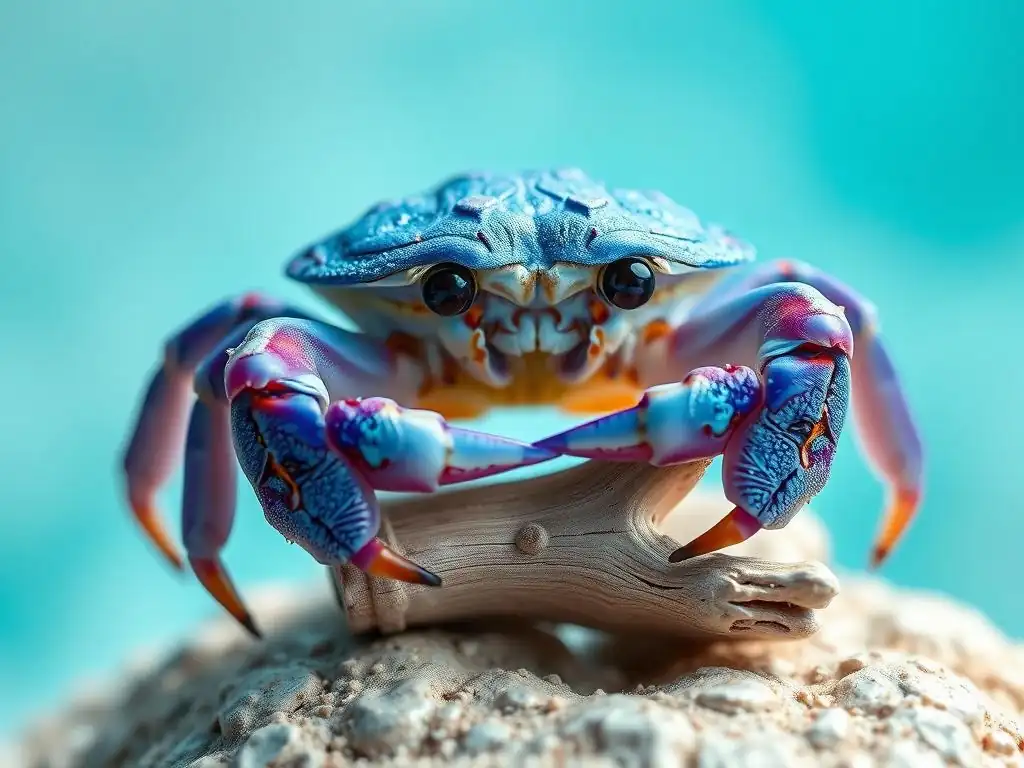
Identifying signs of illness or stress in Blue Leg Hermit Crabs requires careful observation, as they can often hide their vulnerabilities. A healthy crab is typically active, constantly foraging, and exhibits vibrant coloration in its legs and antennae. Signs of distress or illness include prolonged lethargy, loss of appetite, dull or discolored legs, unusual odors, or a tendency to remain hidden for extended periods.
Another critical indicator is a failed molt, where the crab struggles to shed its old exoskeleton or appears stuck. If a crab is frequently out of its shell without an apparent reason (like finding a new one), it could also be a sign of severe stress or a hostile environment. Promptly addressing these signs is a vital part of effective blue leg hermit crab care to prevent further deterioration.
Common Ailments and Treatments
Most health issues in Blue Leg Hermit Crabs are not due to specific diseases but rather environmental stressors. The most common "ailments" stem from poor water quality, a lack of suitable empty shells, or starvation. Fungal or bacterial infections are relatively rare but can occur in individuals already weakened by stress or substandard conditions.
Direct "treatment" for these issues is primarily preventative and environmental. Ensuring optimal water parameters are consistently maintained, providing an abundant supply of appropriately sized shells, and offering a balanced diet are the best forms of care. If a crab appears sick, the first course of action should always be to rigorously check and correct all aspects of its habitat to reduce stress and allow its natural resilience to recover.
Preventing Health Problems Through Proper Care
The cornerstone of preventing health problems in Blue Leg Hermit Crabs lies in providing consistent, high-quality care that meets all their fundamental needs. This includes maintaining stable and pristine water parameters (salinity, temperature, pH, and low nitrates), performing regular water changes, and ensuring robust filtration. A well-maintained tank environment minimizes environmental stressors, which are the leading cause of health issues in these invertebrates.
Furthermore, always ensuring an ample supply of diverse, empty shells is paramount, as shell-related stress can quickly compromise their health. A balanced diet, whether through scavenging or supplementation, also contributes significantly to their overall vitality. By diligently adhering to these aspects of blue leg hermit crab care, aquarists can create a thriving environment that significantly reduces the likelihood of illness and promotes a long, healthy life for these beneficial crustaceans.
Blue Leg Hermit Crab Breeding
Breeding in Captivity
While Blue Leg Hermit Crabs do readily reproduce in captivity, successful rearing of their offspring to maturity in a home aquarium setting is exceptionally challenging. Adult crabs will mate and the female will carry the eggs, eventually releasing tiny, free-swimming zoea larvae into the water column. These larvae are typically planktonic, meaning they drift in the water and are part of the zooplankton community.
The primary difficulty in raising Blue Leg Hermit Crab larvae lies in providing the specific, microscopic planktonic food sources they require and maintaining the precise water conditions necessary for their numerous larval stages. They undergo several molts as zoea, megalopa, and eventually settle as miniature crabs. Due to these complex requirements, almost all Blue Leg Hermit Crabs available in the aquarium trade are wild-caught, rather than captive-bred.
Benefits of Blue Leg Hermit Crabs in a Reef Tank
Controlling Algae Growth Naturally
Blue Leg Hermit Crabs are celebrated for their remarkable ability to naturally control various types of nuisance algae that commonly plague reef aquariums. They are particularly effective at consuming diatoms (brown algae), green hair algae, and even some forms of cyanobacteria (red slime algae). Their continuous grazing habits help prevent these unwanted growths from overwhelming live rock and substrate, maintaining a cleaner and more aesthetically pleasing tank.
For instance, in a 30-gallon reef tank experiencing a mild outbreak of green hair algae, introducing 5-7 Blue Leg Hermit Crabs can often lead to a noticeable reduction in algae coverage within a few weeks. They offer a chemical-free, biological solution to algae management, contributing to a balanced ecosystem without the risks associated with algaecides. This makes them a cornerstone of effective blue leg hermit crab care for algae control.
Detritus Removal and Waste Management
Beyond algae, Blue Leg Hermit Crabs are highly efficient detritivores, playing a crucial role in the overall waste management of a reef tank. They constantly sift through the sand bed, consuming uneaten food particles, fish waste, and other decaying organic matter that settles on the substrate and live rock. This diligent scavenging prevents the accumulation of harmful detritus, which can otherwise break down and release nitrates and phosphates into the water column.
Their continuous movement as they forage also helps to aerate the sand bed, reducing the likelihood of anaerobic pockets forming. These pockets can release toxic hydrogen sulfide gas, which is detrimental to all aquarium inhabitants. By actively processing organic waste, Blue Leg Hermit Crabs significantly reduce the bioload on the aquarium's filtration system, a critical component of comprehensive blue leg hermit crab care.
Contributing to a Healthy and Balanced Aquarium Ecosystem
The cumulative effect of Blue Leg Hermit Crabs' activities is a significant contribution to the health and balance of a reef aquarium ecosystem. By controlling algae, removing detritus, and aerating the substrate, they help maintain stable water parameters and reduce the need for manual cleaning. They are an integral part of the natural nutrient cycling process, transforming waste products into less harmful forms.
Their presence fosters a more resilient and self-sustaining environment, mimicking the natural processes found in a healthy marine habitat. A well-established clean-up crew, with Blue Leg Hermit Crabs as key members, reduces the reliance on chemical interventions and promotes the overall vitality of the aquarium. This makes them not just cleaners, but essential biological components for successful reef keeping.
Purchasing Healthy Blue Leg Hermit Crabs
Selecting Healthy Specimens
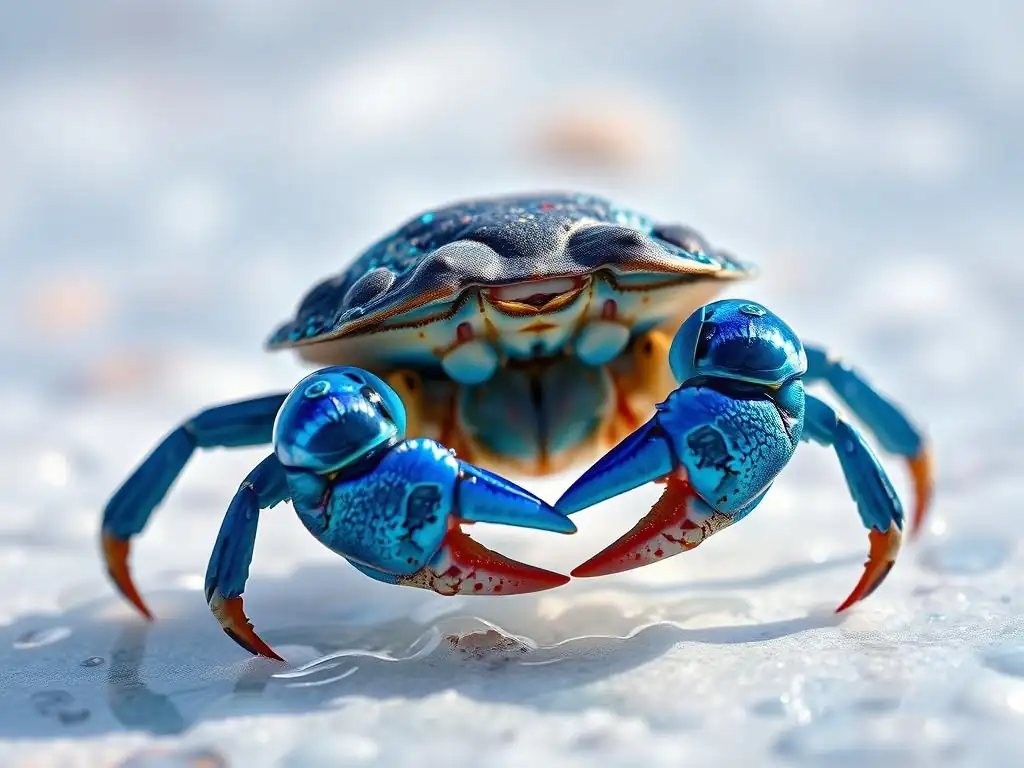
When purchasing Blue Leg Hermit Crabs, it is crucial to select healthy specimens to ensure their successful integration into your aquarium and to prevent the introduction of diseases. Look for crabs that are active and constantly moving, foraging, and exploring their surroundings. Their legs should be a vibrant blue, and their antennae should be twitching and alert.
Avoid crabs that appear lethargic, are discolored, have missing limbs (though they can regenerate, it indicates stress), or are out of their shells for extended periods in the dealer's tank. A healthy crab will be firmly attached to its shell and retract quickly when gently disturbed. Inspect the shells for any cracks or damage, as this could indicate a problem.
Acclimation Process for New Crabs
Proper acclimation is vital for Blue Leg Hermit Crabs to minimize stress and prevent osmotic shock when transferring them to your aquarium. The drip acclimation method is highly recommended: slowly drip water from your display tank into a container holding the new crabs over a period of at least 30-60 minutes, gradually equalizing the temperature and salinity.
Never expose them directly to air during the transfer process, as this can cause air bubbles to become trapped in their gills, leading to severe respiratory distress or even death. Instead, gently scoop them out of the acclimation container with a net or a cup, ensuring they remain submerged, and then carefully place them into your aquarium. This careful approach is a core aspect of blue leg hermit crab care.
Quarantine Procedures to Prevent Disease Introduction
While often overlooked for invertebrates, implementing a quarantine procedure for new Blue Leg Hermit Crabs is the safest practice to prevent the introduction of parasites or diseases into your main display tank. A separate, small quarantine tank (QT) with basic filtration and some live rock or shells can house the new crabs for 2-4 weeks.
During the quarantine period, closely observe their behavior and health. Look for any signs of illness, unusual activity, or external parasites. Although invertebrates are generally less prone to carrying common fish diseases, a QT provides peace of mind and allows the crabs to recover from the stress of shipping before being introduced to their permanent home, thus enhancing overall blue leg hermit crab care.
Troubleshooting Common Problems with Blue Leg Hermit Crabs
Addressing Shell Abandonment Issues
Shell abandonment is one of the most common and concerning issues for Blue Leg Hermit Crabs. The primary reason is almost always a lack of suitable replacement shells. If a crab outgrows its current shell or finds it uncomfortable, and no new options are available, it may abandon its shell, leaving itself vulnerable to predation and desiccation.
To address this, immediately add a generous supply of clean, empty shells of various sizes and opening shapes to the aquarium. Other potential causes for abandonment include sudden, drastic changes in water parameters, the presence of aggressive tank mates, or severe stress from poor water quality. Always check all water parameters and observe interactions with other inhabitants if shell abandonment occurs.
Dealing with Molting Problems
Molting, the process by which Blue Leg Hermit Crabs shed their old exoskeleton to grow, is a highly vulnerable period. Problems during molting often stem from inadequate water quality, insufficient calcium and iodine levels, or stress. Signs of a molting problem include a crab struggling to shed its old shell, appearing stuck, or dying during the process.
To support successful molting, ensure that water parameters are stable and optimal, particularly calcium and alkalinity levels, which are crucial for hardening the new exoskeleton. Some aquarists also use iodine supplements, though this should be done cautiously. Critically, do not disturb a molting crab, and avoid removing what appears to be a dead crab immediately, as it may simply be its discarded exoskeleton, or the crab may be resting while its new shell hardens.
Resolving Conflicts with Other Tank Inhabitants
Conflicts involving Blue Leg Hermit Crabs typically arise from shell competition with other hermit crabs or snails. When suitable empty shells are scarce, crabs will often resort to aggressive behavior, attempting to forcibly take shells from other invertebrates. This can lead to injury or even death for the losing party.
The most effective solution to this type of conflict is to consistently provide an abundance of empty shells in the aquarium, ensuring there are more shells than crabs, and that these shells vary in size and shape. If a fish is harassing a hermit crab, the issue might be with the fish's temperament. Aggressive or predatory fish should not be housed with hermit crabs, and if conflicts persist, rehoming the problematic fish may be necessary to protect your clean-up crew.
Conclusion: Mastering Blue Leg Hermit Crab Care
Ensuring a Thriving Environment
Mastering blue leg hermit crab care is a rewarding endeavor that significantly contributes to the health and vitality of a saltwater aquarium. It hinges on providing a stable and pristine environment, which includes maintaining consistent water parameters within their optimal ranges (salinity 1.023-1.025, temperature 72-78°F, pH 8.1-8.4). Equally crucial is the provision of an ample and varied supply of empty shells, ensuring these fascinating creatures always have a suitable home as they grow.
Beyond environmental stability, successful care involves understanding their natural diet and supplementing it when necessary, while strictly avoiding overfeeding to prevent water quality degradation. Compatibility with tank mates is also key, steering clear of aggressive species that could harm them. By diligently adhering to these guidelines, aquarists can ensure a thriving environment where Blue Leg Hermit Crabs can live long, healthy lives.
Contributing to a Healthy and Balanced Aquarium Ecosystem
Blue Leg Hermit Crabs are far more than just aesthetically pleasing additions; they are indispensable members of any effective clean-up crew, serving as tiny titans of tidiness. Their relentless foraging for nuisance algae and detritus naturally controls undesirable growths and prevents the accumulation of organic waste, which in turn reduces nitrates and phosphates. This active participation in nutrient cycling helps maintain a cleaner, more stable, and ultimately healthier aquarium ecosystem.
Their continuous efforts reduce the bioload on filtration systems and minimize the need for manual cleaning, allowing the aquarist to enjoy a more balanced and resilient reef tank. By implementing comprehensive blue leg hermit crab care, you are not just maintaining individual organisms, but actively fostering a vibrant, self-sustaining miniature marine world that mirrors the efficiencies of natural coral reefs.
Frequently Asked Questions
What is the ideal tank size for a Blue Leg Hermit Crab?
A: Blue Leg Hermit Crabs are small, but need some space to roam. A minimum of 10 gallons is recommended for a few crabs, but more space is always better, especially with other tank inhabitants.
What water parameters are crucial for successful Blue Leg Hermit Crab care?
A: Maintaining stable water parameters is essential. Pay close attention to salinity levels, which should be within the range suitable for reef tanks, and keep ammonia and nitrite at zero.
What do Blue Leg Hermit Crabs eat, and how often should I feed them?
A: They are primarily detritivores and scavengers, consuming algae and leftover food. Supplement their diet with algae wafers or small pieces of meaty foods occasionally to ensure they get enough nutrients.
Are Blue Leg Hermit Crabs reef safe?
A: Generally, yes, they are considered reef safe. However, they may occasionally bother some small or stressed corals or invertebrates if they lack other food sources.
What are some common issues to watch out for when keeping Blue Leg Hermit Crabs?
A: One common issue is shell availability. Make sure to provide a variety of empty shells of appropriate sizes for them to move into as they grow. Also, monitor for signs of stress or aggression from other tank inhabitants.
Final Reflection: The Enduring Appeal of Tiny Titans
The journey through understanding blue leg hermit crab care reveals more than just the specifics of keeping these miniature crustaceans alive. It highlights our responsibility as stewards of even the smallest ecosystems, reminding us that every creature, regardless of size, plays a vital role in the delicate balance of nature. The increasing popularity of these crabs as pets underscores a growing desire to connect with the natural world, even within the confines of our homes.
This fascination with the Clibanarius tricolor extends beyond simple pet ownership; it reflects a deeper appreciation for the intricate beauty and resilience of marine life. The ongoing demand for information on their care underscores a commitment to providing them with the best possible environment, mirroring our growing awareness of animal welfare. We are tied to the ocean. And when we go back to the sea, whether it is to sail or to watch - we are going back from whence we came.
- John F. Kennedy. This quote resonates deeply, reminding us of our inherent connection to the ocean and the creatures within it.
As you consider the information presented here, I encourage you to reflect on your own relationship with the natural world. Whether you're a seasoned aquarist or simply curious about these tiny titans, remember that responsible care begins with understanding and respect. Let the lessons learned about blue leg hermit crab care inspire you to become a more conscious and compassionate inhabitant of our shared planet, fostering a greater appreciation for the interconnectedness of all living things.
Unleash the Cleaning Power of Your Own Tiny Crustaceans!
Thank you for diving into the fascinating world of Blue Leg Hermit Crabs! We hope you've gained a newfound appreciation for these miniature janitors and their vital role in maintaining a healthy aquarium. Now it's time to put that knowledge into action!
Here are a few ways you can further explore the benefits of these fascinating creatures:
- Take the Plunge: Introduce a carefully selected group of Blue Leg Hermit Crabs to your aquarium and witness their cleaning prowess firsthand. Be sure to research appropriate tank mates and provide ample empty shells!
- Share your newfound knowledge: Inspire fellow aquarium enthusiasts by sharing this article on social media or within online aquarium communities. Let's spread the word about these unsung heroes of the reef!
- Consider a unique aquascape project: Incorporate elements into your tank design specifically to benefit your Blue Leg Hermit Crabs, like creating "shell shops" or providing algae-covered rocks for grazing.
What fascinating behaviors have you observed in your own Blue Leg Hermit Crabs, and how have they impacted your aquarium's ecosystem?