
Breeding Saltwater Shrimp: Challenges and Triumphs for the Dedicated Aquarist

Welcome to Aquarium Mastery!
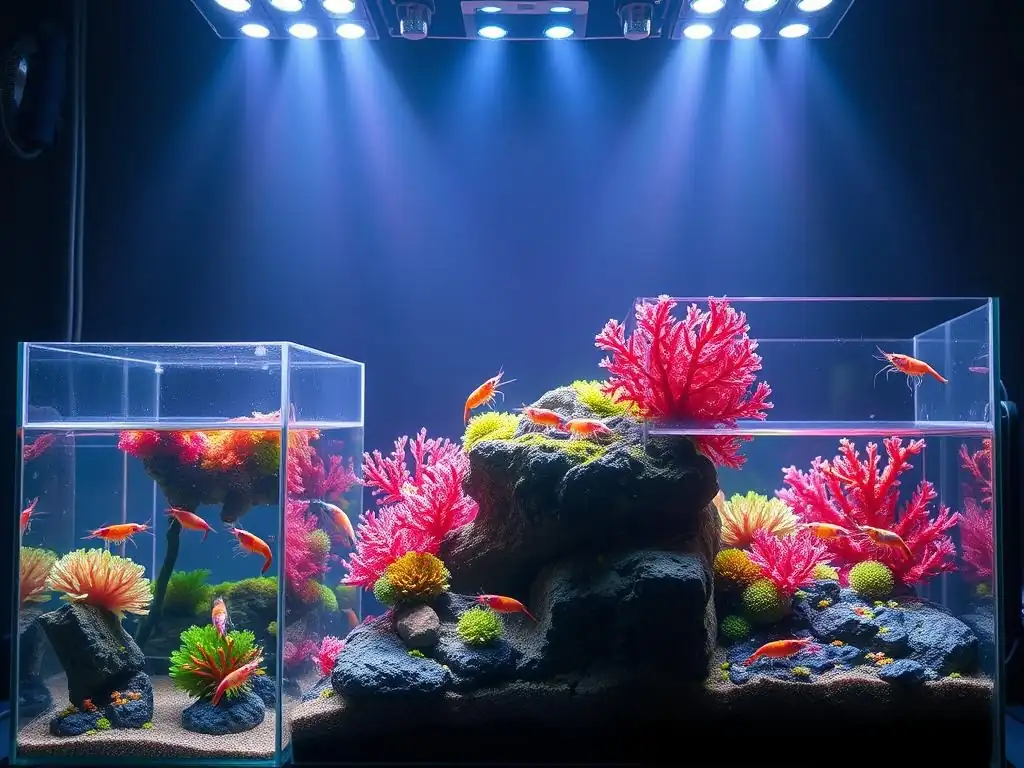
Curious about unlocking the secrets to successfully breeding saltwater shrimp? Diving into the fascinating world of saltwater shrimp breeding techniques can be challenging, but incredibly rewarding. We're here to guide you through every step, from selecting the perfect species to creating the ideal environment for thriving offspring. Get ready to explore the triumphs (and occasional tribulations!) that await the dedicated aquarist. Let's begin!
- Introduction to Saltwater Shrimp Breeding
- Essential Saltwater Shrimp Breeding Techniques
- The Saltwater Shrimp Breeding Process: A Step-by-Step Guide
- Overcoming Common Challenges in Saltwater Shrimp Breeding
- Triumphs and Rewards of Saltwater Shrimp Breeding
- Advanced Saltwater Shrimp Breeding Techniques
- Conclusion: Mastering Saltwater Shrimp Breeding
-
Frequently Asked Questions
- How difficult is it to breed saltwater shrimp in a home aquarium?
- What are the key challenges in raising saltwater shrimp larvae?
- What type of aquarium setup is best for breeding saltwater shrimp?
- What kind of food do saltwater shrimp larvae need?
- What are the most common mistakes aquarists make when trying to breed saltwater shrimp?
- Final Reflection: The Enduring Allure of Marine Creation
- Ignite Your Shrimp-Breeding Journey!
Introduction to Saltwater Shrimp Breeding
Why Breed Saltwater Shrimp? The Allure for Aquarists
Breeding saltwater shrimp offers a profoundly rewarding experience for the dedicated aquarist, extending beyond mere observation to active participation in the aquatic life cycle. One primary allure is the ability to create a self-sustaining ecosystem within the home aquarium, reducing reliance on wild-caught specimens and promoting sustainable practices. Successfully implementing saltwater shrimp breeding techniques not only provides a continuous supply of these fascinating invertebrates but also offers unparalleled insight into their complex behaviors, from courtship rituals to larval development. This deepens the hobbyist's connection to the marine environment and contributes to a more ethical approach to the trade.
Beyond sustainability, the economic benefits and the sheer satisfaction of nurturing life from egg to adult are significant motivators. Captive-bred shrimp are often hardier and better adapted to aquarium conditions, having never experienced the stress of wild capture and transportation. Furthermore, certain larval stages of shrimp, like mysis or copepods, can serve as an excellent live food source for other delicate marine inhabitants, such as seahorses or mandarin gobies, offering a nutritional boost that dry or frozen foods cannot replicate. This aspect alone makes mastering saltwater shrimp breeding techniques incredibly valuable for advanced setups.
Understanding the Challenges of Breeding Saltwater Shrimp in Captivity
While the rewards are substantial, breeding saltwater shrimp presents a unique set of challenges that distinguish it significantly from freshwater shrimp breeding. The most formidable hurdle lies in the highly specialized and often delicate larval stages. Unlike many freshwater shrimp whose offspring are miniature versions of the adults, saltwater shrimp typically undergo a planktonic larval phase, during which they are microscopic, free-swimming, and extremely vulnerable. These larvae require incredibly specific water parameters, pristine conditions, and microscopic live food sources, such as rotifers and phytoplankton, which are difficult to culture consistently.
High mortality rates among larvae are a common frustration, with survival often hovering below 5% for many species if optimal conditions are not met. Replicating the vast, stable oceanic environment in a small tank is a monumental task.
Factors such as minute fluctuations in salinity or temperature, the presence of even trace amounts of ammonia or nitrite, or an insufficient supply of appropriately sized and nutritious live food can lead to complete batch failures. These sensitivities demand meticulous attention to detail and a profound understanding of marine biology, making effective saltwater shrimp breeding techniques a true test of an aquarist's skill.
Essential Saltwater Shrimp Breeding Techniques
Setting Up a Dedicated Saltwater Shrimp Breeding Tank
Tank Size and Configuration for Optimal Breeding Success
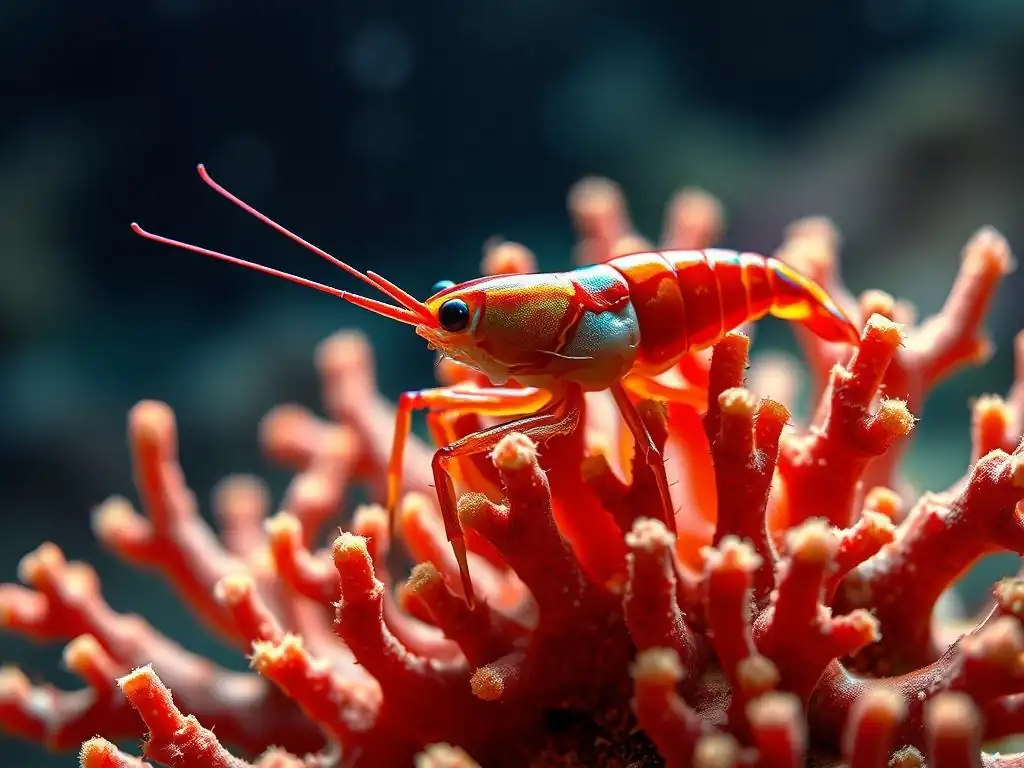
For optimal breeding success, setting up a dedicated tank is paramount to protect vulnerable larvae from predation and ensure precise environmental control. A tank size of 10 to 20 gallons (approximately 38 to 76 liters) is generally sufficient for a breeding pair of common species like Peppermint shrimp (Lysmata wurdemanni) or a small group of Cleaner shrimp (Lysmata amboinensis). Larger species or multiple pairs may require a 30-gallon (114-liter) or larger tank. The crucial aspect is providing ample space for the adults to thrive and for the subsequent collection and rearing of larvae without interference from other tank inhabitants.
The configuration of the breeding tank should prioritize ease of cleaning and larval safety. A bare-bottom tank is often preferred, as it prevents detritus buildup and makes siphoning out waste and collecting larvae significantly easier. Filtration should be gentle, with air-driven sponge filters being an ideal choice. These filters provide biological filtration without generating strong currents that could harm or trap delicate larvae. Avoid power filters or hang-on-back filters with exposed intakes, as these can easily suck in and destroy microscopic shrimp larvae, rendering careful saltwater shrimp breeding techniques futile.
Water Parameter Management: Achieving Ideal Conditions for Shrimp Reproduction
Maintaining precise and stable water parameters is non-negotiable for successful saltwater shrimp reproduction. Salinity should be kept consistently between 1.025 and 1.026 specific gravity (SG), mimicking natural oceanic conditions. Temperature should be stable, ideally within the range of 76-79°F (24.4-26.1°C), as fluctuations can stress adults and impede larval development. The pH should remain between 8.1 and 8.4. Regular testing, ideally daily during larval rearing, using high-quality refractometers and test kits, is essential to monitor these parameters.
Beyond the basics, trace elements play a vital role, particularly iodine, which is critical for successful molting in shrimp. Regular, small water changes (e.g., 10-20% weekly for adults, 10-20% daily for larval tanks) using properly mixed and aged saltwater can help replenish essential elements and dilute pollutants. Any deviation from optimal parameters can significantly reduce egg viability, larval survival rates, or even prevent spawning altogether. Consistent and diligent water parameter management is among the most critical saltwater shrimp breeding techniques an aquarist can master.
Substrate and Decoration: Creating a Natural Environment
For adult saltwater shrimp in the breeding tank, providing appropriate substrate and decoration is important for their comfort, security, and to encourage natural behaviors. While a bare bottom is often recommended for the larval rearing section, the adult breeding tank can benefit from a thin layer of fine sand or aragonite substrate, which mimics their natural habitat. More importantly, providing ample hiding spots, such as small pieces of live rock, PVC pipes, or ceramic caves, is crucial. These shelters offer refuge during molting, a vulnerable time for shrimp, and can reduce stress, which in turn promotes breeding activity.
However, when it comes to the larval rearing phase, decorations and substrate should be minimal or entirely absent. The primary goal is to maintain absolute cleanliness and prevent the accumulation of uneaten food and waste, which can quickly foul the water and lead to larval die-offs. A bare-bottom tank makes it easy to siphon out detritus and perform crucial daily water changes without disturbing the tiny larvae. Any decorations in the larval tank should be smooth, non-porous, and easy to clean, ensuring that no microscopic organisms or debris can accumulate and compromise the delicate environment.
Choosing the Right Saltwater Shrimp Species for Breeding
Popular Saltwater Shrimp Species for Breeding: A Comparative Overview
Selecting the appropriate saltwater shrimp species is a critical first step for any aspiring breeder, as their reproductive strategies and larval requirements vary significantly. Among the most popular choices for breeding are species from the Lysmata genus, primarily due to their hermaphroditic nature, which simplifies pairing. Peppermint shrimp (Lysmata wurdemanni) are widely considered the easiest to breed, known for their relatively robust larvae and a shorter, more manageable larval duration. Cleaner shrimp (Lysmata amboinensis) are also frequently bred, though their larvae can be slightly more challenging due to their smaller size and more specific feeding needs.
On the more advanced end of the spectrum is the Blood Red Fire Shrimp (Lysmata debelius), whose larvae are notoriously delicate and require highly specialized care, including specific microalgae and rotifer strains for optimal survival. Other species, such as Harlequin shrimp (Hymenocera picta), are less commonly bred due to the specific dietary needs of their larvae (starfish), making their saltwater shrimp breeding techniques highly niche. An aquarist's choice should align with their experience level, available resources for live food culture, and dedication to meticulous water quality management.
Peppermint Shrimp (Lysmata wurdemanni) Breeding Techniques
Peppermint shrimp (Lysmata wurdemanni) are often the gateway species for aquarists venturing into saltwater shrimp breeding, largely due to their relative hardiness and straightforward reproductive cycle. These shrimp are protandric simultaneous hermaphrodites, meaning they function as both male and female simultaneously, simplifying the process of forming a breeding pair – any two mature individuals can potentially breed. They typically carry eggs (often referred to as 'berried') for about 10-14 days before releasing them as zoeae larvae, usually at night.
The larvae of Peppermint shrimp are comparatively robust. They are typically around 1-2mm long upon hatching and can often be raised successfully on a diet of newly hatched Artemia nauplii (brine shrimp). While rotifers can improve survival rates, many hobbyists achieve success without them. The larval stage usually lasts between 3 to 4 weeks, during which consistent feeding and pristine water quality are paramount. Successfully raising Peppermint shrimp larvae provides invaluable experience in saltwater shrimp breeding techniques that can be applied to more challenging species.
Cleaner Shrimp (Lysmata amboinensis) Breeding Considerations
Cleaner shrimp (Lysmata amboinensis), like Peppermint shrimp, are also protandric simultaneous hermaphrodites, making pairing relatively straightforward. They are prolific breeders, with females often becoming berried every 2-3 weeks. The eggs typically hatch after an incubation period of 10-12 days, releasing very small, delicate zoeae larvae, often less than 1mm in length. This minute size is a primary consideration for their successful rearing.
Due to their small initial size, Cleaner shrimp larvae require very tiny live food sources, with rotifers (Brachionus plicatilis) being an essential first food. As they grow, they can transition to newly hatched Artemia nauplii. The larval stage for Cleaner shrimp is generally longer than Peppermint shrimp, often lasting 6 to 8 weeks, sometimes even longer. This extended larval period, coupled with their extreme sensitivity to water quality and the need for consistent, appropriate-sized live food, makes their saltwater shrimp breeding techniques more demanding than those for Peppermint shrimp.
Blood Red Fire Shrimp (Lysmata debelius) Breeding Challenges
The Blood Red Fire Shrimp (Lysmata debelius) represents one of the most significant challenges in saltwater shrimp breeding, often considered suitable only for advanced aquarists. While they share the hermaphroditic trait with other Lysmata species and are prolific breeders, their larvae are exceptionally small and delicate, often less than 0.5mm upon hatching. This extreme fragility contributes to notoriously low survival rates in captivity.
Successful rearing of Fire Shrimp larvae absolutely necessitates a consistent supply of specific live foods, primarily enriched rotifers and various strains of phytoplankton (e.g., Nannochloropsis, Isochrysis) to feed the rotifers and potentially the larvae directly. The larval period is typically prolonged, often lasting 6 to 10 weeks or even more, demanding an extended commitment to meticulous water quality management and continuous live food culture. Mastering the saltwater shrimp breeding techniques for Fire Shrimp is a testament to an aquarist's dedication and skill, as it requires overcoming some of the most intricate hurdles in the hobby.
Identifying Breeding Pairs: Sexing Saltwater Shrimp
Identifying breeding pairs in saltwater shrimp can be straightforward or challenging depending on the species' reproductive biology. For the most commonly bred species, such as those in the Lysmata genus (Peppermint, Cleaner, Fire Shrimp), the task is simplified because they are hermaphroditic. Most Lysmata species are protandric simultaneous hermaphrodites, meaning any two mature individuals can potentially form a breeding pair and alternate roles or even act as both male and female simultaneously. Therefore, simply having two healthy, mature shrimp of the same species usually suffices to establish a breeding pair.
The clearest indication of a breeding female is the presence of eggs, commonly referred to as "berries," carried under her pleopods (swimmerets) on the underside of her tail. These eggs will typically be green, brown, or orange, depending on the species and stage of development.
Observing this phenomenon confirms successful mating and impending larval release. For species that are not hermaphroditic (less common in the breeding hobby), sexing would involve looking for distinct morphological differences, such as size discrepancies (females often larger), or subtle variations in appendage structure, but for the popular Lysmata species, the presence of eggs is the definitive sign of a reproductive pair.
The Saltwater Shrimp Breeding Process: A Step-by-Step Guide
Inducing Spawning in Saltwater Shrimp
Environmental Triggers for Spawning
Inducing spawning in saltwater shrimp primarily revolves around providing a consistently stable and optimal environment that mimics their natural conditions. Stable water parameters, including salinity (1.025-1.026 SG), temperature (76-79°F or 24.4-26.1°C), and pH (8.1-8.4), are fundamental. Sudden fluctuations in these parameters can stress shrimp and inhibit reproduction. A consistent photoperiod, typically 12 hours of light and 12 hours of darkness, also signals a stable environment conducive to breeding cycles. Many species tend to release larvae shortly after the lights go out, a natural nocturnal behavior.
Beyond basic stability, certain subtle environmental cues can sometimes trigger spawning or molting, which often precedes mating. A small, carefully executed water change (e.g., 10-20%) with perfectly matched, fresh saltwater can sometimes stimulate molting, especially if the water is slightly cooler than the tank water and allowed to warm up. Molting is crucial as mating often occurs immediately after the female sheds her exoskeleton, making her receptive. Ensuring low stress levels in the breeding tank, with ample hiding spots and no aggressive tank mates, also plays a significant role in encouraging regular spawning.
Diet and Nutrition to Encourage Breeding
A high-quality, varied diet is paramount for encouraging regular spawning and ensuring the viability of eggs and subsequent larval health in saltwater shrimp. Adult breeding pairs require a diet rich in protein, essential fatty acids (EFAs), and vitamins. Examples of excellent food sources include frozen mysis shrimp, enriched brine shrimp, high-quality marine pellets specifically designed for invertebrates, and small amounts of finely chopped frozen seafood like krill or spirulina-enriched flakes. Feeding several small meals throughout the day, rather than one large meal, can also mimic natural foraging behavior and ensure constant nutrient intake.
The nutritional status of the parent shrimp directly impacts the quality and quantity of the eggs produced. Well-fed shrimp are more likely to spawn frequently and produce larger clutches of healthier, more robust eggs. Conversely, a poor diet can lead to infertile eggs, reduced spawning frequency, or larvae with nutritional deficiencies that compromise their survival. Therefore, meticulously managing the diet of your breeding stock is a foundational element of successful saltwater shrimp breeding techniques, laying the groundwork for healthy offspring.
Caring for Saltwater Shrimp Eggs and Larvae
Culturing Rotifers: A Crucial Food Source
Culturing rotifers is often a make-or-break aspect of successfully raising saltwater shrimp larvae, particularly for species like Cleaner shrimp and Fire shrimp whose larvae are microscopic upon hatching. Rotifers, specifically Brachionus plicatilis (L-type or S-type depending on larval mouth size), are indispensable because their size (typically 100-300 microns) and slow swimming speed make them the perfect initial food source for the tiny, delicate zoeae larvae. They are too small for newly hatched brine shrimp nauplii, which are typically 400-500 microns.
To culture rotifers, a dedicated setup is required, involving a culture vessel (e.g., a 1-5 gallon bucket), gentle aeration, and a consistent supply of microalgae (e.g., Nannochloropsis, Isochrysis, or commercially available liquid phytoplankton concentrates) as their food source. Furthermore, nutritional enrichment of rotifers using commercial products rich in essential fatty acids (like DHA and EPA) is crucial.
This process, known as "gut loading," transfers vital nutrients to the shrimp larvae when they consume the rotifers, significantly boosting their survival rates and overall health. Without a reliable source of enriched rotifers, the chances of success with advanced saltwater shrimp breeding techniques are drastically reduced.
Maintaining Water Quality During Larval Development
Maintaining impeccable water quality during the larval development phase is perhaps the most critical and challenging aspect of saltwater shrimp breeding. Larvae are incredibly sensitive to even minute concentrations of ammonia, nitrite, and nitrate, which can accumulate rapidly in a small rearing tank due to uneaten food and waste. Daily small water changes, often 10-20% of the tank volume, are frequently necessary to dilute these pollutants and replenish essential trace elements. The water used for changes must be perfectly matched in salinity and temperature to avoid shocking the delicate larvae.
Filtration in larval tanks should be minimal and extremely gentle to prevent larvae from being swept into equipment. Air-driven sponge filters are ideal, providing gentle circulation and biological filtration. A bare-bottom tank facilitates easy siphoning of detritus and uneaten food, preventing the buildup of harmful compounds. Continuous monitoring of parameters with precise test kits is vital, as a slight deviation can lead to a mass die-off within hours. The success of saltwater shrimp breeding techniques hinges heavily on this rigorous, consistent water quality management throughout the larval stage.
Protecting Larvae from Predators
Protecting saltwater shrimp larvae from predators is a non-negotiable step for successful breeding, necessitating a dedicated larval rearing tank. In a mixed reef or display aquarium, virtually every other inhabitant – from adult shrimp (including the parents, who may consume their own larvae if hungry or stressed) to fish, corals, and even some invertebrates like crabs or snails – will view the tiny, planktonic larvae as an easy and nutritious food source. Even strong water currents from powerheads or overflow boxes in a display tank can physically damage or sweep away the delicate larvae.
Therefore, once the adult female is "berried" and close to hatching (typically indicated by the eggs becoming lighter in color or the appearance of eyespots), she should be moved to a separate, dedicated breeding or larval rearing tank. After she releases the larvae, she can be returned to the main display tank. The larval tank should be devoid of any other organisms and equipped with only gentle aeration or sponge filtration to ensure the larvae's safety and maximize their survival rates. This isolation is a fundamental component of effective saltwater shrimp breeding techniques.
Raising Saltwater Shrimp Fry to Adulthood
Gradual Acclimation to Adult Tank Conditions
Once saltwater shrimp larvae metamorphose into post-larvae or juvenile shrimp, they are no longer planktonic and begin to resemble miniature versions of the adults, though still very small. At this stage, they need to be gradually acclimated to the conditions of the main display tank or a larger grow-out tank. This transition should be slow and methodical to avoid shocking the delicate juveniles. It typically involves drip acclimation over several hours to match the salinity, temperature, and pH of the new environment. Sudden changes can cause osmotic shock or stress, leading to fatalities.
As they grow, the juvenile shrimp will require larger food items than the microscopic fare of their larval stage. Finely crushed flakes, small bits of frozen mysis shrimp, or finely chopped frozen cyclops are appropriate. It's crucial to ensure they receive sufficient food and can compete with any other inhabitants in the grow-out tank. Providing ample hiding spots in the grow-out tank will also reduce stress and give them security as they continue to mature. Successful acclimation and continued feeding are vital steps in the complete application of saltwater shrimp breeding techniques.
Preventing Cannibalism Among Fry
Cannibalism can be a significant issue among growing saltwater shrimp fry, particularly if conditions are not optimal or if there's a wide range in size within the batch. When food is scarce or insufficient in quantity, larger or more aggressive juveniles may prey on smaller, weaker siblings. This not only reduces the overall survival rate but can also lead to a complete collapse of a batch if not addressed. Therefore, consistent and ample feeding is paramount to prevent hunger-driven aggression.
Beyond food availability, providing adequate space and numerous hiding spots as the fry grow can help mitigate cannibalism. As they increase in size, their territorial instincts may develop, and crowded conditions can exacerbate aggressive interactions. Introducing small pieces of inert PVC pipes, ceramic rings, or a few small, smooth rocks can offer individual retreats. Maintaining pristine water quality also reduces stress, which can be a contributing factor to cannibalistic behavior. Diligent application of these saltwater shrimp breeding techniques is essential to maximize the yield of healthy adult shrimp.
Overcoming Common Challenges in Saltwater Shrimp Breeding
Addressing Low Larval Survival Rates
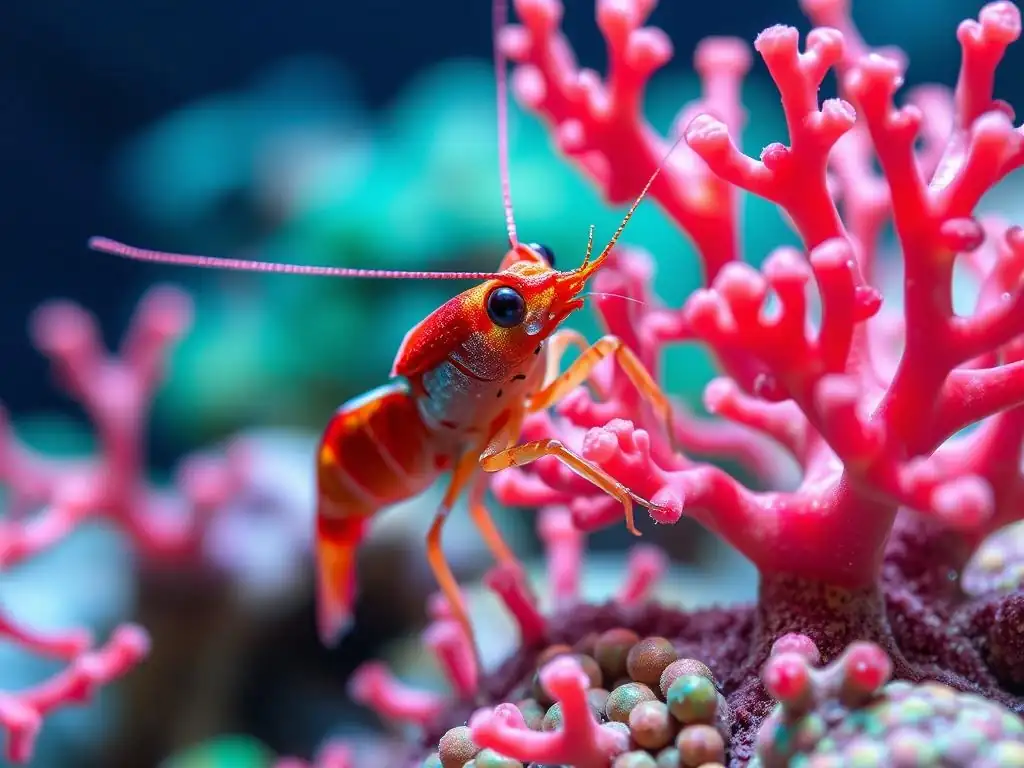
Low larval survival rates are the most common and often disheartening challenge in saltwater shrimp breeding. The primary reason for high mortality often stems from inadequate or inappropriate food sources. Larvae are incredibly specific about the size and nutritional profile of their food. If the rotifers are too large, too small, or not properly enriched with essential fatty acids (DHA/EPA), the larvae will starve or develop nutritional deficiencies, leading to rapid die-offs. Ensuring a continuous, dense culture of appropriately sized and gut-loaded rotifers is paramount.
Secondly, even trace amounts of ammonia, nitrite, or nitrate are toxic to delicate larvae. A single spike can decimate an entire batch. This necessitates rigorous daily water changes (often 10-20%) with perfectly matched, aged saltwater. Suboptimal temperatures or salinity fluctuations also contribute significantly to larval stress and mortality. Consistent monitoring with precise test kits and automated top-off systems for salinity stability are crucial. Successfully addressing these issues by refining saltwater shrimp breeding techniques through trial and error is key to improving survival.
Combating Diseases and Parasites in Shrimp Broods
While saltwater shrimp larvae are generally less prone to parasitic infestations than adult shrimp in a mixed reef, diseases and parasites can still pose a threat, often originating from contaminated food sources or infected parent stock. Bacterial infections, often caused by poor water quality or decaying organic matter, can manifest as cloudy water or lethargic larvae, leading to rapid die-offs. Fungal infections, though less common, can also occur. The extreme sensitivity of larvae means that chemical treatments are rarely an option, as they are often more lethal to the larvae than the disease itself.
Prevention is therefore the cornerstone of combating diseases and parasites in shrimp broods. This includes rigorous hygiene practices in the larval rearing tank, such as daily siphoning of uneaten food and performing water changes. All equipment used should be meticulously cleaned and sterilized. Quarantining new adult shrimp before introducing them to the breeding setup can prevent the introduction of pathogens. Furthermore, ensuring that all live food cultures (rotifers, phytoplankton) are clean and free of contaminants is vital. These proactive saltwater shrimp breeding techniques are far more effective than attempting to treat an infected brood.
Maintaining Stable Water Parameters for Breeding
Maintaining stable water parameters is not merely important but absolutely critical for successful saltwater shrimp breeding, from adult conditioning to larval development. Fluctuations in salinity, temperature, or pH cause immense stress to both adult shrimp and their highly sensitive larvae, often leading to reduced spawning, egg mortality, or mass larval die-offs. For instance, a sudden drop in salinity from 1.025 to 1.023 can cause osmotic shock, particularly in larvae. Similarly, temperature swings of more than 1-2°F (0.5-1°C) can be detrimental.
To achieve this stability, aquarists often employ several strategies. Automated top-off systems are invaluable for maintaining consistent salinity by replacing evaporated freshwater. High-quality heaters with reliable temperature controllers ensure a stable temperature. Regular, consistent water testing (daily for larval tanks, weekly for adult tanks) using accurate refractometers and test kits allows for immediate correction of any deviations. Small, frequent water changes are generally preferred over large, infrequent ones, as they help maintain equilibrium. Mastering these saltwater shrimp breeding techniques for parameter stability is a hallmark of an experienced breeder.
Dealing with Infertility Issues in Saltwater Shrimp
Infertility issues in saltwater shrimp, though less common than larval mortality, can be frustrating for breeders. If a presumed breeding pair is not producing eggs, several factors could be at play. Firstly, ensuring the shrimp are of mature breeding age is important; very young shrimp may not be reproductively active. Conversely, extremely old shrimp may have reduced fertility. For hermaphroditic species like Lysmata, ensure you have at least two healthy, mature individuals, as they typically need a partner for successful reproduction.
Nutritional deficiencies can also contribute to infertility. A diet lacking essential proteins, vitamins, or fatty acids can inhibit egg production or lead to non-viable eggs. Increasing the variety and quality of the adult shrimp's diet can often resolve this. Environmental stress, such as aggressive tank mates, inadequate hiding spots, or persistent suboptimal water parameters, can also prevent spawning. Reducing stress by providing a secure, stable environment often encourages breeding. Sometimes, simply giving the shrimp more time to acclimate and settle into their breeding tank is the only solution needed to kickstart successful saltwater shrimp breeding techniques.
Triumphs and Rewards of Saltwater Shrimp Breeding
Contributing to the Aquarium Hobby and Sustainability
Successfully breeding saltwater shrimp represents a significant contribution to the aquarium hobby and broader marine conservation efforts. By producing captive-bred shrimp, aquarists actively reduce the demand for wild-caught specimens, thereby alleviating pressure on natural populations and fragile reef ecosystems. This shift towards sustainable aquaculture helps preserve biodiversity and promotes ethical practices within the trade. Each successful batch of captive-bred shrimp lessens the impact on wild reefs, which face numerous threats from climate change, pollution, and over-collection.
Furthermore, sharing successful saltwater shrimp breeding techniques and knowledge within the aquarist community fosters a more informed and responsible hobby. Breeders contribute to a collective knowledge base, allowing others to learn from their successes and failures. This collaborative spirit helps to develop hardier, more disease-resistant strains of shrimp that are better adapted to aquarium life, ultimately improving the health and longevity of marine invertebrates in captivity. This proactive engagement makes the hobby more sustainable and environmentally conscious.
Observing the Fascinating Life Cycle of Saltwater Shrimp
One of the most profound rewards of saltwater shrimp breeding is the unique opportunity to observe their entire life cycle firsthand, a process rarely witnessed by the average aquarist. From the initial courtship and mating, to the female carrying her "berries" (eggs), and the dramatic release of microscopic larvae, each stage offers a glimpse into the intricate biology of these fascinating creatures. Watching the tiny, translucent zoeae larvae metamorphose through various stages, gradually transforming into miniature versions of the adult shrimp, is an incredibly captivating and educational experience.
This journey from a nearly invisible speck to a fully formed invertebrate provides an unparalleled appreciation for marine life and the complexities of natural reproduction. It deepens an aquarist's understanding of ecological processes, larval biology, and the delicate balance required for life to thrive. The ability to witness such a complete transformation within one's own home truly enriches the hobby, offering a dynamic and ever-evolving spectacle that transcends the static beauty of a typical display tank. It is a testament to the dedication required for effective saltwater shrimp breeding techniques.
The Satisfaction of Successfully Breeding Saltwater Shrimp
The satisfaction derived from successfully breeding saltwater shrimp is immense, often described as one of the most fulfilling accomplishments in the aquarium hobby. Given the significant challenges involved – the meticulous water quality management, the demanding live food cultures, and the high sensitivity of the larvae – bringing a batch of shrimp from egg to adulthood is a true testament to an aquarist's skill, patience, and dedication. It represents the mastery of complex biological processes and the successful application of advanced saltwater shrimp breeding techniques.
This triumph goes beyond mere personal achievement; it contributes to a sense of empowerment and connection to the marine world. Holding a newly metamorphosed juvenile shrimp, knowing the effort and precision that went into its creation, provides a unique sense of pride. It validates the countless hours spent monitoring parameters, culturing food, and troubleshooting issues. The joy of seeing a new generation of healthy, captive-bred shrimp thrive is a powerful motivator and a deeply rewarding experience for any dedicated aquarist.
Advanced Saltwater Shrimp Breeding Techniques
Selective Breeding for Desirable Traits
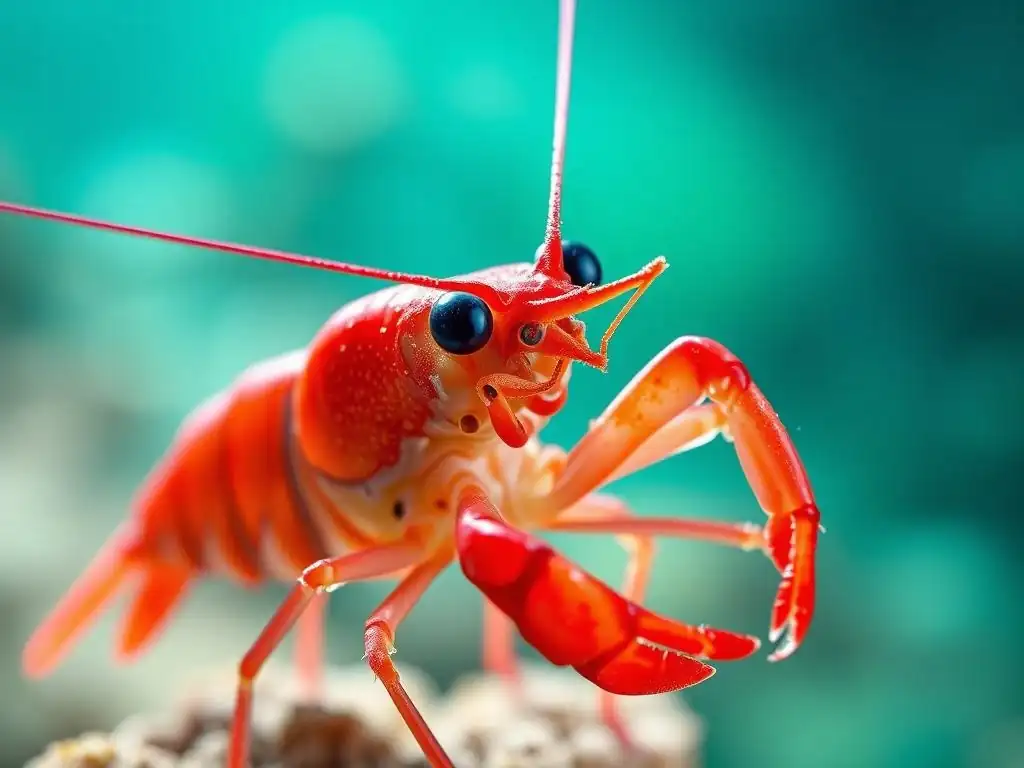
For the advanced aquarist, selective breeding offers an intriguing path to further enhance the saltwater shrimp breeding experience. This technique involves carefully choosing parent shrimp that exhibit desired characteristics and breeding them together, with the aim of propagating those traits in subsequent generations. Desirable traits might include more vibrant coloration (e.g., deeper reds in Fire Shrimp), larger adult size, increased disease resistance, or even a more docile temperament. By consistently selecting the best individuals from each successive brood, breeders can gradually establish stable lines that possess these enhanced attributes.
This process requires meticulous record-keeping of lineage, growth rates, and observed traits across multiple generations. It is a long-term commitment, as it can take many breeding cycles to solidify a particular characteristic. While more commonly practiced with freshwater invertebrates, applying selective saltwater shrimp breeding techniques opens up possibilities for creating unique, robust, and visually striking strains that are perfectly adapted to the aquarium environment, contributing novel variations to the hobby.
Crossbreeding Lysmata Species: Possibilities and Ethical Considerations
Crossbreeding among different Lysmata species presents a fascinating, albeit complex, area of advanced saltwater shrimp breeding techniques due to their close genetic relatedness and shared hermaphroditic reproductive strategies. Documented cases of successful hybridization exist, for example, between Peppermint shrimp (Lysmata wurdemanni) and Cleaner shrimp (Lysmata amboinensis). This can lead to offspring with mixed characteristics, such as unique coloration patterns or hybrid behaviors. The possibility of creating entirely new, stable hybrid strains is enticing for some aquarists.
However, crossbreeding also carries significant ethical considerations. Hybrids may be sterile, preventing further reproduction, or they might dilute the genetic integrity of pure species lines. Releasing such hybrids into the wild, even accidentally, could have unforeseen ecological consequences. Therefore, any attempts at crossbreeding should be undertaken with a clear understanding of the potential outcomes and a strong commitment to responsible breeding practices. It is crucial to prevent the accidental mixing of species and to clearly label any hybrid offspring to maintain transparency within the hobby.
Conclusion: Mastering Saltwater Shrimp Breeding
The Future of Saltwater Shrimp Breeding in the Aquarium Hobby
The future of saltwater shrimp breeding in the aquarium hobby appears promising, driven by increasing awareness of sustainability and advancements in aquaculture technology. As hobbyists become more environmentally conscious, the demand for captive-bred marine organisms, including shrimp, will likely continue to grow. This trend encourages more research and development into refining saltwater shrimp breeding techniques, making them more accessible and successful for the average aquarist. Innovations in larval food production, water quality management, and automated systems could further simplify these complex processes.
Furthermore, the expansion of commercial aquaculture for marine ornamental species will likely lead to more readily available captive-bred options, reducing collection pressure on wild reefs. Hobbyists will play a crucial role in this evolution by continuing to experiment, share their findings, and contribute to the collective knowledge base. As more species become viable for captive breeding, the hobby will become more self-sufficient, ethical, and resilient, ensuring a vibrant future for marine aquarists and the invertebrates they cherish.
Resources for Further Learning and Support
Mastering saltwater shrimp breeding is an ongoing journey that benefits immensely from continuous learning and community support. For aquarists looking to deepen their understanding of saltwater shrimp breeding techniques, a wealth of information exists within the dedicated online forums and communities. Websites like Reef Central, Nano-Reef, and various specialized breeding forums host extensive threads where experienced breeders share detailed methodologies, troubleshoot problems, and offer guidance on everything from rotifer culture to larval identification. These platforms provide invaluable peer-to-peer support and access to a vast archive of collective experience.
Beyond online resources, local aquarium clubs and societies often have members who specialize in marine invertebrate breeding and are willing to share their knowledge through presentations, workshops, or mentorship programs. Attending these meetings can provide practical, hands-on advice and networking opportunities. While scientific papers offer in-depth biological understanding, the practical application often comes from the collective wisdom of hobbyists. Engaging with these resources is crucial for refining one's approach and navigating the intricate world of saltwater shrimp aquaculture.
Frequently Asked Questions
How difficult is it to breed saltwater shrimp in a home aquarium?
Breeding saltwater shrimp is generally considered challenging due to the specific environmental conditions and dietary needs required by the larvae. Success often depends on meticulous attention to detail and specialized setups.
What are the key challenges in raising saltwater shrimp larvae?
The larval stage is the most vulnerable. Key challenges include maintaining pristine water quality, providing appropriate microscopic food sources, and preventing predation from other tank inhabitants.
What type of aquarium setup is best for breeding saltwater shrimp?
A dedicated breeding tank, separate from the main display tank, is highly recommended. This allows for controlled water parameters and reduces the risk of predation. A small, cycled tank with minimal substrate is often preferred.
What kind of food do saltwater shrimp larvae need?
Saltwater shrimp larvae require very small food particles, such as rotifers, phytoplankton, or commercially available larval diets. The specific type and size depend on the shrimp species and larval stage.
What are the most common mistakes aquarists make when trying to breed saltwater shrimp?
Common mistakes include neglecting water quality, failing to provide appropriate food sources, and introducing predators into the breeding tank. Inconsistent water parameters can also be detrimental to larval survival.
Final Reflection: The Enduring Allure of Marine Creation
The intricacies of saltwater shrimp breeding, as we've explored, are not merely a technical exercise; they represent a profound connection to the marine world, a microcosm of the ocean's delicate balance within our own homes. The dedication required to master these techniques speaks volumes about our growing fascination with, and responsibility towards, the preservation of aquatic life. This pursuit, fraught with challenges yet brimming with potential, underscores the enduring human desire to understand and nurture the natural world around us.
This journey into saltwater shrimp breeding has undoubtedly influenced the aquascaping community, fostering a deeper appreciation for the delicate ecosystems we attempt to replicate. The satisfaction derived from successfully breeding these captivating creatures is unparalleled, a testament to patience, perseverance, and a genuine love for the ocean. In every walk with nature one receives far more than he seeks.
- John Muir. This quote perfectly encapsulates the rewards of this endeavor, reminding us that the true value lies not just in the successful breeding, but in the profound connection we forge with nature itself.
As we conclude this exploration of saltwater shrimp breeding techniques, I invite you to consider your own role in the ongoing narrative of marine conservation. Let the knowledge and insights gained here inspire you to not only refine your aquarist skills but also to become a steward of the ocean's future. Whether you're a seasoned breeder or a curious beginner, remember that every small step contributes to a larger movement. Embrace the challenges, celebrate the triumphs, and continue to explore the boundless wonders of the underwater world.
Ignite Your Shrimp-Breeding Journey!
Thanks for diving into the fascinating world of saltwater shrimp breeding! We hope you’ve discovered some valuable insights to fuel your aquarium passion. Now, let's turn that knowledge into action!
Here are a few steps you can take right now:
- Start small! Choose a hardy, readily available species like Peppermint Shrimp Lysmata wurdemanni to begin your breeding adventure.
- Share your newfound shrimp-breeding knowledge by discussing the challenges and triumphs with fellow aquarists on social media, using the hashtag #AquariumMastery.
- Brainstorm creative ways to cultivate natural food sources for your shrimp larvae, such as cultivating Tisbe copepods, and document your efforts in a breeding log.
What specific challenge are you most excited to tackle in your quest to breed saltwater shrimp?