
Bicolor Blenny: TwoTone Charm & Personality for a Vibrant Nano Aquarium

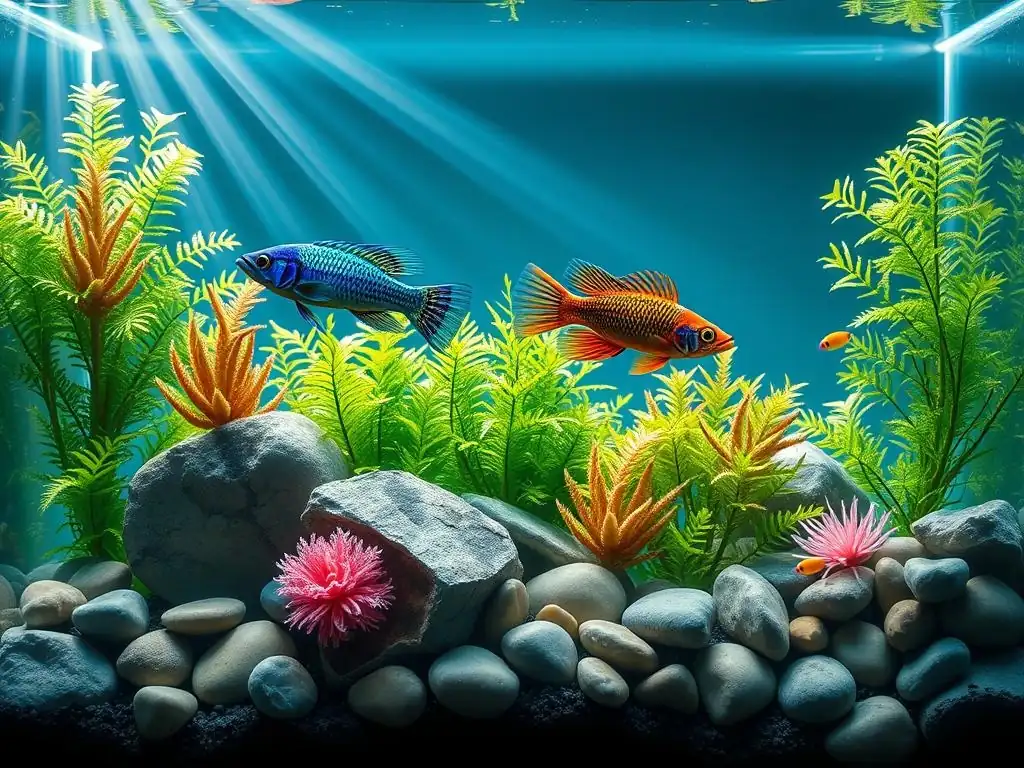
Welcome to Aquarium Mastery, where your aquatic dreams come to life!
Ever been captivated by the vibrant personality of a fish that seems to defy expectations? Dive into our Bicolor Blenny Care Guide and uncover the secrets to keeping this two-toned charmer thriving in your saltwater nano aquarium. But that's just the beginning! Explore everything from choosing the perfect tank mates to mastering the nuances of saltwater fish health. Are you ready to unlock the full potential of your aquarium? Let's get started!
- Bicolor Blenny: Two-Tone Charm & Personality for a Vibrant Reef Aquarium
- Introduction to the Bicolor Blenny: A Reef Tank Gem
- Bicolor Blenny Care Guide: Essential Information for Success
- Bicolor Blenny Temperament and Compatibility: Choosing the Right Tank Mates
- Identifying and Treating Common Bicolor Blenny Diseases
- Bicolor Blenny Breeding: Challenges and Possibilities in Captivity
- Bicolor Blenny vs. Other Blennies: Making the Right Choice for Your Aquarium
- Purchasing and Acclimation of Your Bicolor Blenny
- Troubleshooting Common Bicolor Blenny Problems
- Conclusion: The Bicolor Blenny – A Rewarding Addition to Your Reef Aquarium.
- Frequently Asked Questions
- Final Reflection: Embracing the Bicolor Blenny's Miniature World
- Embrace the Bicolor Blenny's Charm: Dive Deeper!
Bicolor Blenny: Two-Tone Charm & Personality for a Vibrant Reef Aquarium
Introduction to the Bicolor Blenny: A Reef Tank Gem
What is a Bicolor Blenny? Understanding Ecsenius Bicolor
The Bicolor Blenny, scientifically known as Ecsenius bicolor, is a fascinating and popular inhabitant of the Blenniidae family, commonly referred to as blennies. This captivating species derives its common name from its distinct two-toned coloration: typically, the front half of its body is a dark brown or blue-black, transitioning abruptly into a vibrant orange or yellow for the latter half. Growing to an average adult size of about 4.5 inches (approximately 11 cm) in captivity, its elongated body and expressive eyes make it a uniquely charming addition to many marine aquariums.
Originating from the Indo-Pacific region, Ecsenius bicolor thrives in shallow reef environments, often found perching on live rock or coral branches, utilizing crevices and small caves as their primary refuge. They are known for their characteristic "hopping" locomotion across the substrate or rockwork, a behavior that adds to their endearing personality. While primarily herbivorous, grazing on microalgae and detritus, they also exhibit omnivorous tendencies, occasionally consuming small invertebrates found within their natural habitat.
Why Choose a Bicolor Blenny for Your Reef Tank?
Choosing a Bicolor Blenny for your reef tank offers a blend of aesthetic appeal and engaging behavior that few other fish can match. Their striking two-tone coloration provides a beautiful contrast against the blues and greens of a thriving reef, instantly drawing the eye. Beyond their visual charm, Bicolor blennies possess a curious and often comical personality, frequently observed peeking out from their favorite perching spots, observing the tank activity with an almost inquisitive gaze.
Moreover, their relatively small size makes them an excellent candidate for nano and medium-sized reef aquariums, typically thriving in tanks 20 gallons (75 liters) or larger. They are also beneficial for algae control, constantly grazing on film algae and detritus present on live rock, contributing to the overall cleanliness of the tank. For aquarists seeking a hardy, characterful, and visually appealing fish, a thorough Bicolor blenny care guide becomes essential to ensure their long-term health and enjoyment in a home aquarium.
Bicolor Blenny Care Guide: Essential Information for Success
Optimal Tank Size for Bicolor Blennies: Creating the Ideal Habitat
For a single Bicolor Blenny, a minimum tank size of 20 to 30 gallons (approximately 75 to 115 liters) is generally recommended to provide an adequate environment. This volume allows for stable water parameters, sufficient swimming space, and enough live rock to establish territories and provide ample hiding spots. While they are not fast swimmers, the available space for grazing and exploration is crucial for their well-being and to mitigate potential territorial disputes with tank mates.
A larger tank, such as 40 gallons (150 liters) or more, is even more beneficial, particularly if you plan to include a diverse community of peaceful reef-safe fish. Larger tanks inherently offer greater stability in water chemistry and temperature, which is paramount for the delicate balance of a marine ecosystem. Ensuring a mature, established tank with plenty of live rock is a foundational step in any comprehensive Bicolor blenny care guide, promoting natural behaviors and overall fish health.
Water Parameters: Maintaining a Healthy Environment for Your Blenny
Maintaining precise and stable water parameters is critical for the health and longevity of your Bicolor Blenny, reflecting the pristine conditions of their natural reef habitat. The ideal temperature range for Ecsenius bicolor is between 72-78°F (22-26°C), with a specific gravity of 1.020-1.025, mirroring typical natural seawater salinity. The pH level should be consistently maintained between 8.1 and 8.4 to support proper biological functions and coral health if present.
Beyond these primary parameters, the absence of ammonia and nitrites (0 ppm) is non-negotiable, as even trace amounts can be highly toxic to marine fish. Nitrates should be kept as low as possible, ideally below 20 ppm, and preferably below 10 ppm for optimal reef health. Regular partial water changes, typically 10-20% weekly or bi-weekly depending on tank bioload, are essential to replenish trace elements and dilute accumulating nitrates, ensuring a healthy environment for your Bicolor Blenny.
Bicolor Blenny Diet and Feeding: What to Feed and How Often
Natural Diet of Bicolor Blennies in the Wild
In their natural Indo-Pacific reef habitats, Bicolor Blennies are primarily microalgae grazers. Their diet consists largely of filamentous algae, diatoms, and cyanobacteria that grow on live rock and other surfaces. While predominantly herbivorous, they are also opportunistic omnivores, supplementing their diet with small benthic invertebrates, copepods, and detritus found within the reef's crevices. This natural grazing behavior is crucial for their digestive health and overall well-being.
Recommended Foods for Bicolor Blennies in Captivity
To replicate their natural diet in a captive environment, a varied and high-quality feeding regimen is essential for successful Bicolor blenny care. High-quality marine-based flake and pellet foods with a significant spirulina or kelp content should form the staple of their diet. Supplement this with frozen foods such as spirulina-enriched brine shrimp, mysis shrimp, and finely chopped nori (seaweed sheets). Examples of suitable commercial foods include Ocean Nutrition Formula Two Flakes and Hikari Marine S pellets. Offering a variety of these foods ensures they receive a broad spectrum of nutrients.
Feeding Schedule and Avoiding Overfeeding
Bicolor Blennies should be fed small amounts 2-3 times per day. The key is to provide only what they can consume within 2-3 minutes to prevent excess food from decaying and fouling the water. Given their constant grazing nature, a well-established tank with ample live rock that supports natural algae growth will provide continuous supplementary feeding opportunities, reducing reliance solely on prepared foods. Overfeeding is a common pitfall in aquarium husbandry, leading to elevated nutrient levels, nuisance algae blooms, and potential health issues for the fish, including fatty liver disease.
Tank Setup for Bicolor Blennies: Replicating Their Natural Environment
Substrate and Rockwork: Providing Hiding Places and Grazing Surfaces
The foundation of a successful Bicolor blenny care guide lies in replicating their natural habitat, and this begins with thoughtful substrate and rockwork selection. While Bicolor blennies do not typically burrow, a fine to medium-grain sand bed is suitable for the overall reef environment. Crucially, the tank must contain abundant live rock, ideally at least 1 pound per gallon (0.45 kg per 3.78 liters). This live rock provides the essential crevices, caves, and perching spots that blennies naturally seek for shelter and security.
Beyond providing refuge, the complex structure of live rock offers extensive surface area for the growth of microalgae and the proliferation of beneficial microorganisms, which serve as natural food sources for the Bicolor Blenny. Ensure all rock structures are stable and securely placed to prevent collapses, which can injure fish or damage the aquarium. The presence of numerous nooks and crannies also helps to diffuse potential territorial disputes, allowing the blenny to establish its own secluded home.
Importance of Algae Growth: A Natural Food Source
For a Bicolor Blenny, natural algae growth within the aquarium is not merely an aesthetic consideration but a vital dietary component. While prepared foods are necessary, the continuous availability of microalgae on live rock, glass, and other surfaces mimics their primary food source in the wild. This constant grazing opportunity reduces stress, promotes natural foraging behaviors, and significantly contributes to their overall health and vitality.
Therefore, it is important not to maintain an excessively "clean" tank from an algae perspective, as this can deprive the blenny of essential grazing opportunities. A healthy, established reef tank will naturally develop a film of desirable microalgae that Bicolor Blennies will happily graze upon throughout the day. This natural food source is a cornerstone of effective Bicolor blenny care, ensuring a more complete and balanced diet.
Water Flow and Filtration: Maintaining Pristine Water Quality
Optimal water flow is an important consideration for Bicolor Blennies, which prefer moderate current within their environment. While they appreciate some water movement, they also require calmer areas where they can rest and perch comfortably without being constantly buffeted. Strategic placement of powerheads can create varied flow patterns throughout the tank, satisfying both needs. Excessive or turbulent flow can stress these fish, leading to reluctance to leave their hiding spots.
Beyond flow, robust filtration is paramount for maintaining the pristine water quality that Bicolor Blennies require. A comprehensive filtration system, typically including a protein skimmer, live rock, and potentially a refugium, is essential for removing organic waste and maintaining stable water parameters. Consistent water changes, as detailed in this Bicolor blenny care guide, along with effective mechanical and biological filtration, are foundational to preventing disease and supporting a thriving marine environment for your blenny.
Bicolor Blenny Temperament and Compatibility: Choosing the Right Tank Mates
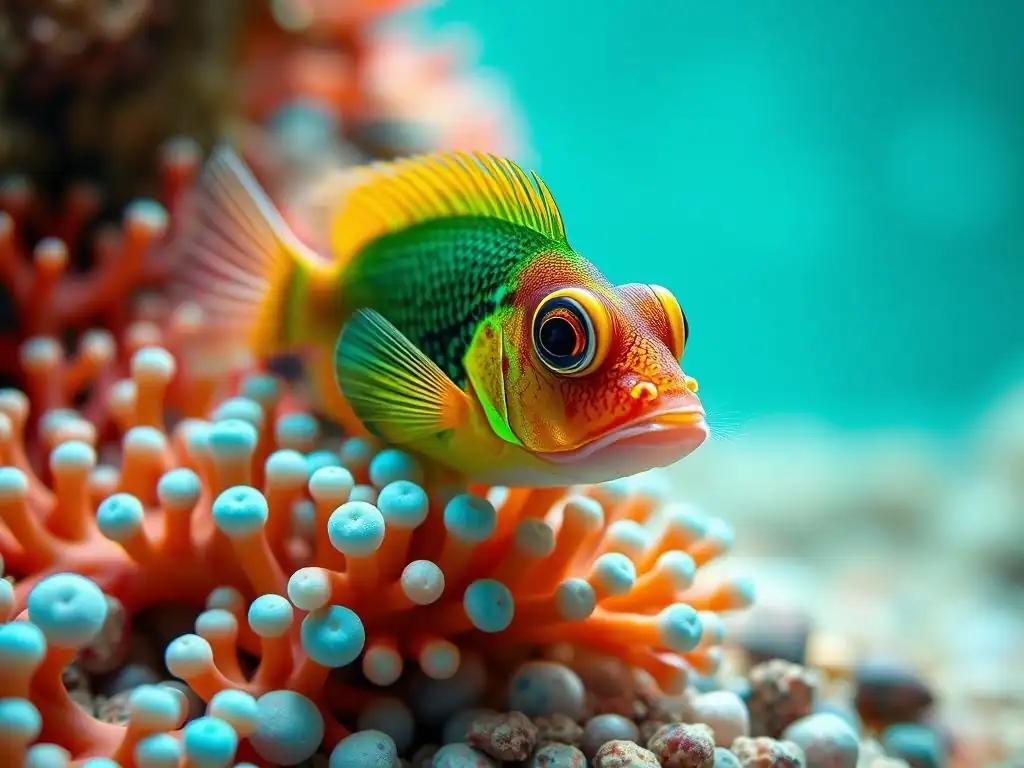
Are Bicolor Blennies Peaceful or Aggressive? Understanding Their Behavior
Bicolor Blennies are generally considered peaceful inhabitants of the reef aquarium, making them suitable for many community setups. However, they do exhibit territorial tendencies, particularly towards other blennies or fish with similar body shapes and diets. A Bicolor Blenny will typically establish a specific rock or crevice as its "home" and may defend this area from perceived intruders. This territoriality is more pronounced in smaller tanks or when insufficient hiding spots are available.
While they can display aggression, it is usually limited to chasing, posturing, or occasional fin nipping, rarely resulting in serious harm to other fish. This behavior is primarily directed at conspecifics or closely related species. When planning your Bicolor blenny care guide, it's crucial to observe new introductions carefully and ensure adequate space and rockwork to minimize potential conflicts. Providing multiple sight breaks and hiding spots can significantly reduce stress and aggression.
Suitable Tank Mates for Bicolor Blennies: Creating a Harmonious Reef
Selecting appropriate tank mates is vital for a harmonious reef aquarium when keeping a Bicolor Blenny. Ideal companions are peaceful, reef-safe fish that do not compete directly for food or territory. Excellent choices include various species of Clownfish (e.g., Ocellaris and Percula), smaller Gobies (such as Yellow Watchman or Diamond Watchman, but avoid other Ecsenius blennies), Royal Grammas, Firefish, and smaller, docile Wrasses like the Six-Line Wrasse.
Invertebrates such as various species of cleaner shrimp (e.g., Peppermint Shrimp, Skunk Cleaner Shrimp), snails, and hermit crabs are generally safe and compatible additions, as Bicolor Blennies are not known to prey on them. Furthermore, Bicolor Blennies are considered "reef-safe" with corals, meaning they will not typically nip at or consume corals, making them excellent choices for mixed reef aquariums. This compatibility contributes significantly to the overall appeal of the Bicolor blenny care guide.
Fish to Avoid: Incompatible Species for Your Bicolor Blenny
When planning your Bicolor blenny care guide, it's equally important to identify and avoid incompatible tank mates that could pose a threat or cause undue stress. Highly aggressive or predatory fish, such as large Angelfish, Triggerfish, or certain larger Wrasses, should be avoided as they may bully or even prey on the smaller Bicolor Blenny. Similarly, introducing other blennies of the Ecsenius genus or those with very similar diets should be approached with caution, as intense territorial and food competition can arise, potentially leading to stress or starvation for one of the blennies.
Additionally, very docile or slow-moving fish might be outcompeted for food by the more active and assertive Bicolor Blenny, especially during feeding times. Any fish known to be opportunistic predators on small, bottom-dwelling species should be excluded from the Bicolor Blenny's environment. Careful research into the temperament and dietary needs of all potential tank mates is a critical step in ensuring the long-term well-being of your Bicolor Blenny.
Identifying and Treating Common Bicolor Blenny Diseases
Recognizing Signs of Illness in Your Bicolor Blenny
Early detection of illness is a critical component of effective Bicolor blenny care. Recognizing subtle changes in behavior or appearance can significantly increase the chances of successful treatment. Key behavioral indicators of illness include prolonged lethargy, a significant loss of appetite, excessive hiding beyond their usual perching, erratic or listless swimming, and repeatedly scratching or "flashing" against rocks or substrate.
Physical signs of disease can manifest as visible white spots resembling salt grains (Ich), a dusty or velvety film (Marine Velvet), cloudy eyes, frayed or clamped fins, discolored patches on the skin, or an abnormal slime coat. Rapid or labored breathing (gilling) is another serious symptom indicating respiratory distress. Any deviation from normal behavior or appearance warrants immediate investigation and, often, isolation in a quarantine tank for closer observation and potential treatment.
Common Diseases Affecting Bicolor Blennies and Their Treatments
Ich (White Spot Disease)
Ich, caused by the parasite Cryptocaryon irritans, is one of the most common and recognizable marine fish diseases, appearing as small, distinct white spots resembling salt grains primarily on the body and fins. If left untreated, it can quickly spread, leading to respiratory distress and secondary infections. Effective treatment often involves transferring the affected Bicolor Blenny to a dedicated quarantine tank.
In the quarantine tank, treatments such as hyposalinity (gradually lowering the specific gravity to 1.008-1.010 for 2-4 weeks) or the use of copper-based medications (e.g., Cupramine, Coppersafe) are highly effective. The Tank Transfer Method (TTM), involving daily transfers between two bare-bottom tanks to break the parasite's life cycle, is another non-chemical option. It is crucial to treat the display tank as fallow (fishless) for at least 6-8 weeks to eliminate the parasite's free-swimming stage.
Marine Velvet Disease
Marine Velvet Disease, caused by the dinoflagellate Amyloodinium ocellatum, is far more aggressive and rapidly fatal than Ich. It manifests as a fine, dusty, golden, or brownish film covering the fish's body, often accompanied by rapid breathing and labored swimming. Due to its rapid progression, immediate action is paramount for the Bicolor Blenny's survival.
Treatment for Marine Velvet also requires transferring the affected fish to a quarantine tank. Copper-based medications are highly effective against this parasite. Short, pH and temperature-matched freshwater dips (typically 3-5 minutes) can provide temporary relief by dislodging parasites, but this must be followed by definitive treatment. Chloroquine phosphate is another potent medication used in a quarantine setting. The display tank must be left fallow for an extended period, typically 6-8 weeks, to ensure the eradication of the parasite.
Brooklynellosis
Brooklynellosis, often referred to as "Clownfish Disease" due to its prevalence in clownfish, can affect a wide range of marine species, including Bicolor Blennies. It is caused by the ciliate parasite Brooklynella hostilis and presents with excessive slime coat production, skin lesions that may slough off, and severe respiratory distress indicated by rapid gill movements. The fish may also appear lethargic and lose its appetite.
Treatment for Brooklynellosis is urgent due to its high mortality rate. Formalin baths (in a separate container, following manufacturer instructions carefully) are a primary treatment method. Medications containing Metronidazole or Acriflavine can also be used in a quarantine tank. As with other parasitic infections, a quarantine tank is essential to prevent the spread of the disease to the main display tank and to allow for targeted treatment without harming corals or invertebrates.
Quarantine Procedures: Preventing Disease Introduction
Implementing a strict quarantine procedure for all new Bicolor Blennies and other marine inhabitants is the single most effective measure in preventing the introduction and spread of diseases into your established display tank. A dedicated quarantine tank (QT) of 10-20 gallons (38-75 liters) is sufficient, equipped with a heater, a small power filter or air stone, and PVC pipes or inert plastic decor for hiding. Avoid using substrate, as it can harbor parasites and complicate treatment.
New Bicolor Blennies should be quarantined for a minimum of 3 to 4 weeks, ideally longer, during which they are closely observed for any signs of illness. Many aquarists opt for prophylactic treatment during this period, such as a full course of copper medication, to eliminate common parasites like Ich and Marine Velvet before introducing the fish to the main system. This proactive approach, a cornerstone of responsible Bicolor blenny care, safeguards the health of your entire aquarium ecosystem.
Bicolor Blenny Breeding: Challenges and Possibilities in Captivity
Difficulty of Breeding Bicolor Blennies in Home Aquariums
While blennies, as a family, have seen some success in captive breeding efforts, the Bicolor Blenny ( Ecsenius bicolor) remains a species rarely bred by the average home hobbyist. They are egg-laying fish, and successful spawning typically requires a well-established, mature pair and very specific environmental cues. The primary challenge lies not just in encouraging spawning but, more significantly, in the subsequent rearing of the larvae.
Bicolor Blenny larvae are exceptionally small and planktonic, meaning they drift in the water column and require microscopic live feeds, such as rotifers and specific copepod nauplii, during their initial developmental stages. Maintaining the precise water quality and providing the continuous, appropriate food source for these delicate larvae is a highly specialized and labor-intensive endeavor, often requiring dedicated aquaculture facilities rather than a typical home aquarium setup.
Conditions That May Encourage Breeding
Although challenging, certain conditions may theoretically encourage spawning in a home aquarium setting. A very mature and stable aquarium with excellent water quality and a consistent, varied diet, rich in both plant and animal matter, is fundamental. Providing ample live rock with numerous crevices and secluded areas can offer suitable sites for egg deposition. A calm, undisturbed environment, free from aggressive tank mates, also contributes to a pair feeling secure enough to spawn.
Some anecdotal evidence suggests that slight adjustments to temperature or photoperiod might act as spawning triggers, mimicking seasonal changes in their natural habitat. However, even with optimal conditions, documented cases of successful Bicolor Blenny breeding leading to viable offspring in typical home aquariums are scarce. The focus of most Bicolor blenny care guides remains on general husbandry due to these significant breeding hurdles.
Bicolor Blenny vs. Other Blennies: Making the Right Choice for Your Aquarium
Bicolor Blenny vs. Midas Blenny: A Comparison
The Bicolor Blenny ( Ecsenius bicolor) and the Midas Blenny ( Ecsenius midas) are both popular choices from the Ecsenius genus, but they possess distinct characteristics. The Midas Blenny is typically larger, reaching up to 5.5 inches (14 cm), and sports a striking, uniform golden-yellow coloration, often with iridescent blue highlights around its eyes and fins. In contrast, the Bicolor Blenny is slightly smaller, averaging 4.5 inches (11 cm), and is defined by its dramatic two-tone body.
Behaviorally, Midas Blennies are generally more active swimmers, often hovering in the water column, whereas Bicolor Blennies prefer to perch on rockwork and dart between crevices. Both are primarily herbivorous with omnivorous tendencies, grazing on algae and detritus. While generally peaceful, both can exhibit territoriality towards similar-looking fish or conspecifics. Your choice between them often comes down to desired size, specific coloration, and preferred swimming habits for your tank.
Bicolor Blenny vs. Lawnmower Blenny: Differences in Diet and Behavior
The Bicolor Blenny ( Ecsenius bicolor) and the Lawnmower Blenny ( Salarias fasciatus) are both excellent algae grazers, but they differ significantly in their dietary focus and behavior. The Lawnmower Blenny, true to its name, is renowned for its voracious appetite for nuisance algae, particularly hair algae, making it an extremely effective natural cleaner. It is almost exclusively herbivorous, relying heavily on a continuous supply of natural algae. Bicolor Blennies, while also grazing algae, have a more omnivorous diet and readily accept various prepared foods, making them less prone to starvation in cleaner tanks.
In terms of size, Lawnmower Blennies can grow slightly larger, reaching up to 5 inches (13 cm), and possess a more robust, mottled brown or green coloration for camouflage. They are also known for their constant grazing activity. While both blennies are generally peaceful, the Lawnmower Blenny's specialized diet means it can quickly consume all available algae in smaller tanks, potentially leading to starvation if not supplemented heavily. Understanding these differences is crucial for a comprehensive Bicolor blenny care guide and for selecting the right fish for your specific tank needs.
Choosing the Best Blenny for Your Reef Tank
Deciding on the best blenny for your reef tank involves carefully considering your tank's size, existing inhabitants, and your specific goals. If your primary need is a highly efficient algae eater for a larger tank with abundant nuisance algae, a Lawnmower Blenny might be the more suitable choice due to its specialized herbivorous diet. However, be prepared to supplement its diet if natural algae diminish.
Conversely, if you seek a smaller, highly characterful fish that contributes to algae control but also thrives on prepared foods, the Bicolor Blenny is an excellent option for nano or medium-sized reef aquariums. Its unique coloration and engaging personality make it a rewarding addition. Always research the specific Bicolor blenny care guide or other blenny care guides relevant to your chosen species to ensure compatibility with your existing fish and to provide the necessary environmental conditions and dietary needs for their long-term health and vibrancy.
Purchasing and Acclimation of Your Bicolor Blenny
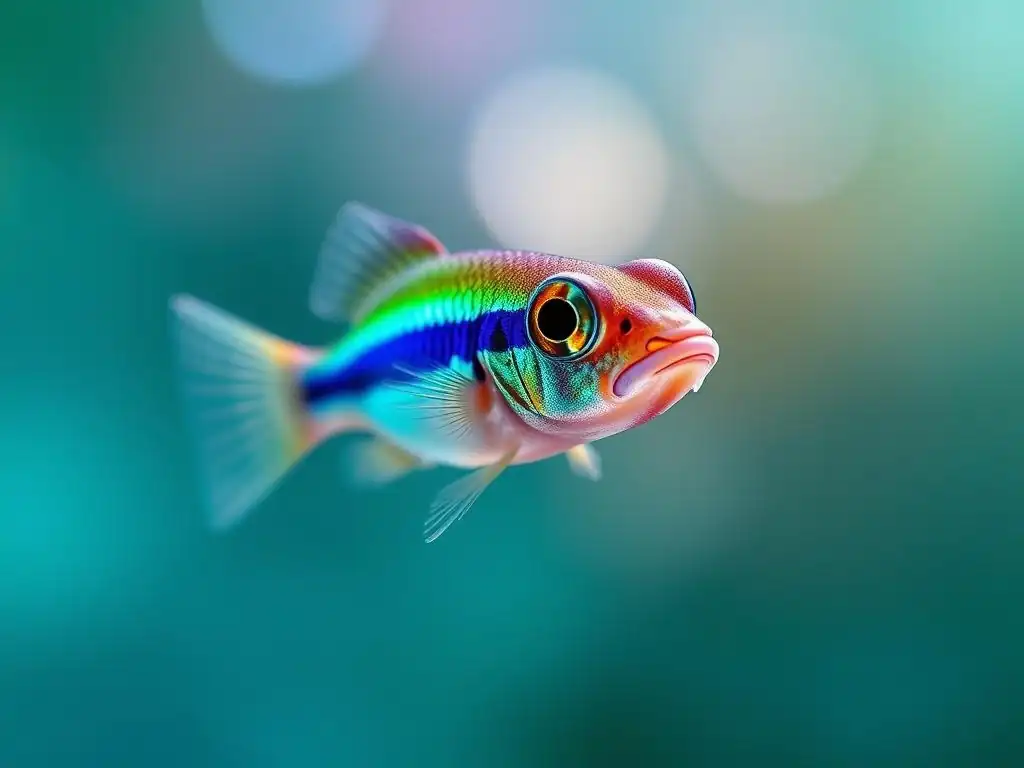
Selecting a Healthy Bicolor Blenny from Your Local Fish Store
The first step in a successful Bicolor blenny care journey begins at the fish store. When selecting your Bicolor Blenny, observe the fish carefully for signs of health and vitality. Look for individuals that are active and alert, perching confidently on rocks or darting between crevices. Their eyes should be clear and bright, and their fins should be fully intact, without any signs of fraying, tears, or clamping. The body should appear plump, indicating that the fish is eating well and not emaciated.
Avoid fish that are lethargic, hiding excessively, breathing rapidly, or exhibiting any visible spots (white, fuzzy), lesions, or discolored patches on their skin. Inquire with the store staff about how long the blenny has been at the facility and what it has been eating; a fish that has been eating well for several days is a better candidate. A reputable dealer who maintains clean tanks and healthy livestock significantly increases your chances of bringing home a robust Bicolor Blenny.
Acclimation Process: Introducing Your Blenny to Its New Home
Proper acclimation is crucial to minimize stress and prevent shock when introducing your new Bicolor Blenny to its new environment. This process slowly equalizes the temperature, pH, and salinity between the transport water and your aquarium water. Rushing acclimation can lead to severe stress, illness, or even death.
Drip Acclimation Method
The drip acclimation method is highly recommended for Bicolor Blennies and most marine fish due to its gentle and gradual nature. Begin by floating the sealed bag containing the blenny in your aquarium for 15-20 minutes to equalize the temperature. Then, carefully open the bag and pour the fish and its original water into a clean, appropriately sized bucket. Use an airline tube to siphon water from your aquarium into the bucket, creating a slow drip (approximately 1-2 drips per second).
Allow the water volume in the bucket to slowly double or triple over 45-60 minutes. This gradual mixing ensures a smooth transition of water parameters. Once acclimation is complete, gently net the Bicolor Blenny from the bucket and transfer it to your quarantine tank (highly recommended) or display tank. Discard the water from the bucket; never add it to your main aquarium, as it may contain harmful pathogens or elevated ammonia levels.
Monitoring Your Blenny During Acclimation
During the drip acclimation process, it's important to continuously monitor your Bicolor Blenny for any signs of severe stress, such as rapid breathing, erratic swimming, or loss of color. If these signs become pronounced, you may need to adjust the drip rate to be even slower or pause briefly.
Once the blenny is introduced to its new tank, turn off the aquarium lights for several hours to provide a calm and dark environment, allowing the fish to explore and find hiding spots without added stress. Continue to observe its behavior and appetite over the next few days as it settles into its new home, an essential part of ongoing Bicolor blenny care.
Troubleshooting Common Bicolor Blenny Problems
My Bicolor Blenny is Hiding All the Time: What Should I Do?
It is natural for a newly introduced Bicolor Blenny to hide for the first few days as it adjusts to its new environment and establishes a territory. However, if prolonged hiding (beyond a few days) or an increase in hiding behavior occurs in an established blenny, it can indicate stress, illness, or aggression from tank mates. First, check all water parameters (ammonia, nitrite, nitrate, pH, salinity, temperature) to ensure they are within optimal ranges, as poor water quality is a common stressor.
Ensure your tank provides ample hiding spots and secure rockwork for the blenny to feel safe. Observe other tank inhabitants for any signs of bullying or aggression directed towards your blenny, especially during feeding times. If no physical signs of illness are apparent and water parameters are good, simply give the blenny more time. If hiding persists for several days and is accompanied by a lack of appetite or other symptoms, consider moving the blenny to a quarantine tank for closer observation and potential treatment.
My Bicolor Blenny Isn't Eating: Possible Causes and Solutions
A Bicolor Blenny refusing to eat is a serious concern that requires immediate attention, as it can quickly lead to emaciation and further health complications. Common causes include stress from a new environment, poor water quality, or underlying illness. Begin by thoroughly checking all water parameters, as imbalances can suppress appetite. Offer a variety of high-quality foods, including marine-based flakes and pellets with spirulina, frozen mysis shrimp, and small pieces of nori, to see what it might accept.
If the blenny is refusing specific foods, try offering something different. Soaking foods in appetite stimulants like garlic extract (e.g., Seachem GarlicGuard) can sometimes entice a reluctant eater. If the refusal to eat persists for more than 2-3 days, despite offering varied foods and ensuring optimal water quality, it is highly indicative of an underlying health issue. At this point, it is advisable to move the Bicolor Blenny to a quarantine tank for closer observation and potential diagnostic treatment, following a comprehensive Bicolor blenny care guide.
Bicolor Blenny Fighting with Tank Mates: Addressing Aggression
While generally peaceful, Bicolor Blennies can exhibit territorial aggression, particularly towards other blennies or fish that share a similar body shape or occupy the same ecological niche. If you observe your Bicolor Blenny fighting with tank mates, the first step is to assess the severity and frequency of the aggression. Ensure your tank provides adequate space and multiple distinct hiding spots and territories within the rockwork; this can help diffuse disputes by allowing each fish to establish its own safe zone.
If the aggression is severe and persistent (e.g., constant chasing, significant fin nipping), consider separating the aggressor or the blenny. Rearranging the rockwork can sometimes help by disrupting established territories, forcing all fish to re-establish their claims, which can sometimes lead to a more peaceful coexistence. If the problem persists, you may need to re-evaluate the compatibility of your tank mates and consider rehoming one of the aggressive fish to maintain a harmonious environment for your Bicolor Blenny.
Conclusion: The Bicolor Blenny – A Rewarding Addition to Your Reef Aquarium.
The Bicolor Blenny is undoubtedly a captivating and rewarding addition to any well-maintained marine aquarium, offering a unique blend of vibrant coloration, engaging personality, and beneficial algae-grazing habits. Their charming two-tone appearance and inquisitive nature make them a constant source of fascination for aquarists. By diligently adhering to the comprehensive Bicolor blenny care guide outlined here, you can ensure their long-term health and contribute to the overall vibrancy and ecological balance of your reef system.
From providing the optimal tank size and pristine water parameters to offering a varied diet and selecting compatible tank mates, every aspect of their husbandry plays a crucial role in their success. While challenges like disease identification and potential aggression may arise, proactive measures such as quarantine and vigilant observation, as detailed in this Bicolor blenny care guide, will equip you to manage them effectively. Embracing the needs of this delightful species will undoubtedly lead to a thriving and enjoyable experience for both the aquarist and the charismatic Bicolor Blenny.
Frequently Asked Questions
What are the basic care requirements for a Bicolor Blenny?
Bicolor Blennies require a stable environment with a well-established aquarium (at least 10 gallons). They need plenty of live rock for grazing and shelter, and a varied diet.
What type of aquarium is best suited for a Bicolor Blenny?
A nano reef aquarium (10-30 gallons) is ideal due to their small size. They thrive in tanks with plenty of hiding places and mature live rock.
What do Bicolor Blennies eat?
They primarily graze on algae and detritus found on live rock. Supplement their diet with small meaty foods like mysis shrimp and brine shrimp to ensure they get all the nutrients they need.
Are Bicolor Blennies peaceful fish?
Generally, yes, but they can become territorial towards other blennies or similar-looking fish, especially in smaller tanks. It is important to monitor their behavior.
What common health problems affect Bicolor Blennies?
They are relatively hardy, but can be susceptible to ich (white spot disease) and other parasites if water quality is poor. Maintaining excellent water parameters is crucial for their health.
Final Reflection: Embracing the Bicolor Blenny's Miniature World
The journey into the world of the Bicolor Blenny, as explored in this guide, highlights the captivating beauty and unique personality even the smallest creatures can bring to our lives. Understanding the nuances of Bicolor Blenny care is not just about maintaining an aquarium; it's about fostering a miniature ecosystem and appreciating the delicate balance of nature within our homes. This appreciation, in turn, fosters a deeper respect for the larger marine environment and the importance of responsible reef keeping.
The Bicolor Blenny, with its striking two-tone coloration and engaging behavior, serves as a constant reminder of the wonders hidden beneath the ocean's surface. My own experience observing these tiny fish has instilled a profound sense of responsibility towards their well-being and the preservation of their natural habitats. In the end, we will conserve only what we love; we will love only what we understand; and we will understand only what we are taught.
- Baba Dioum. This quote perfectly encapsulates the importance of education and understanding in fostering a genuine connection with the natural world, a connection that drives conservation efforts.
As you embark on your own journey with the Bicolor Blenny, or any other creature you choose to bring into your care, remember the lessons learned here. Take the time to truly understand their needs, appreciate their unique characteristics, and contribute to their well-being. Let the vibrant charm of the Bicolor Blenny inspire you to become a more responsible and compassionate steward of our planet, one nano aquarium at a time.
Embrace the Bicolor Blenny's Charm: Dive Deeper!
Thanks for exploring the captivating world of the Bicolor Blenny with us! We hope you've discovered the unique personality and vibrant addition this little fish can bring to your nano aquarium. Ready to take the next step?
Here are some actions to consider:
- Set up a dedicated algae-grazing zone in your aquarium to cater to your Bicolor Blenny's natural feeding habits!
- Share your newfound knowledge! Inspire fellow hobbyists by posting your favorite Bicolor Blenny fact on social media using #AquariumMastery.
- Brainstorm unique hiding spots for your Blenny! Can you come up with a creative DIY hideout that mimics a natural reef environment?
What's one specific detail you'll focus on when planning a habitat for your future Bicolor Blenny?