
Fingered Dragonet: An Uncommon but Captivating Nano Choice Explored

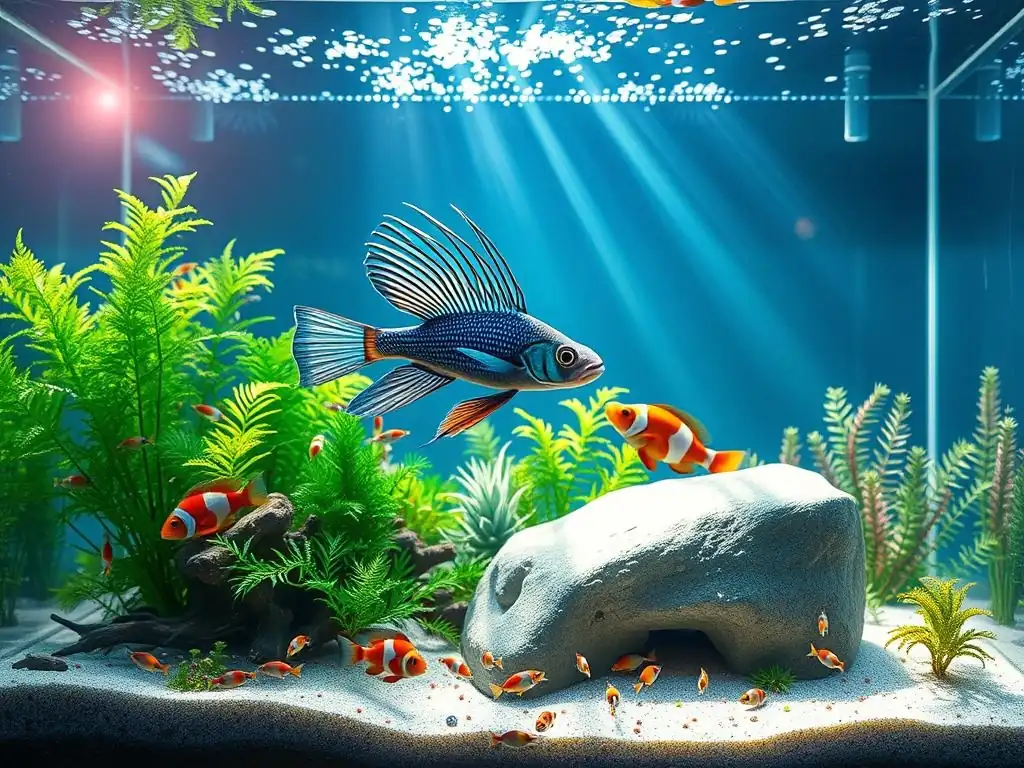
Welcome to Aquarium Mastery!
Dive into the fascinating world of saltwater aquariums! Ever considered a truly unique addition to your nano tank? Our comprehensive Fingered Dragonet care guide unveils the secrets to successfully keeping these captivating creatures. Are you ready to unlock the secrets to their specific needs and create the perfect environment for them to thrive? Read on and discover everything you need to know!
- Introducing the Fingered Dragonet: A Nano Reef Gem
- Fingered Dragonet Care Guide: Essential Information
- Setting Up a Fingered Dragonet Aquarium: A Step-by-Step Guide
- Fingered Dragonet Health and Disease: Prevention and Treatment
- Breeding Fingered Dragonets: A Challenging but Rewarding Endeavor
- Where to Buy Fingered Dragonets: Finding Healthy Specimens
- Conclusion: Is the Fingered Dragonet Right for Your Nano Reef?
-
Frequently Asked Questions
- What are the primary considerations when deciding if a Fingered Dragonet is suitable for my aquarium?
- How do I ensure my Fingered Dragonet gets enough food in a community aquarium?
- What water parameters are crucial for the health and well-being of a Fingered Dragonet?
- Are Fingered Dragonets compatible with all types of fish and invertebrates?
- What are some common signs of illness or stress in Fingered Dragonets, and how can I address them?
- Final Reflection: Appreciating the Uncommon Beauty
- Unleash the Wonder: Start Your Fingered Dragonet Journey!
Introducing the Fingered Dragonet: A Nano Reef Gem
What is a Fingered Dragonet? Understanding Dactylopus dactylopus
The Fingered Dragonet, scientifically known as Dactylopus dactylopus, is a truly unique and captivating marine fish belonging to the Callionymidae family. Named for its exceptionally elongated and finger-like pelvic fins, which it uses to "walk" along the substrate, this species typically reaches an adult size of 4 to 6 inches (approximately 10 to 15 cm). Native to the Indo-Pacific region, from the Philippines to Australia, these dragonets are naturally found inhabiting sandy or rubble-strewn bottoms, often near coral reefs, where they meticulously sift through the substrate for food.
Unlike many other reef fish, the Fingered Dragonet exhibits a distinct, almost reptilian locomotion, using its specialized fins to propel itself in a deliberate, methodical manner across the tank floor. While generally peaceful towards other fish, they can be territorial with conspecifics, especially in smaller enclosures. Their cryptic coloration, often a mottled pattern of browns, whites, and blacks, provides excellent camouflage within their natural sandy environments, making them a fascinating subject for the attentive aquarist.
Why Choose a Fingered Dragonet for Your Nano Reef Aquarium?
Choosing a Fingered Dragonet for a nano reef aquarium offers a unique blend of aesthetic appeal and intriguing behavior that sets them apart from more common inhabitants. Their distinctive "walking" and sifting habits provide constant activity at the substrate level, adding a dynamic element to the tank that is both mesmerizing and educational to observe. Unlike many active swimmers, their slow, deliberate movements contribute to a sense of calm and intricate detail within the limited space of a nano system.
Furthermore, their relatively small adult size makes them a viable option for larger nano tanks, typically those 30 gallons and above, where their specific environmental and dietary needs can be met. For the experienced aquarist, the challenge of providing the precise care required for a Fingered Dragonet care guide is a rewarding endeavor, culminating in the successful husbandry of a truly uncommon and visually striking marine specimen that enhances the overall biodiversity and interest of a well-established reef system.
Fingered Dragonet Care Guide: Essential Information
Fingered Dragonet Tank Size Requirements: Creating the Ideal Nano Habitat
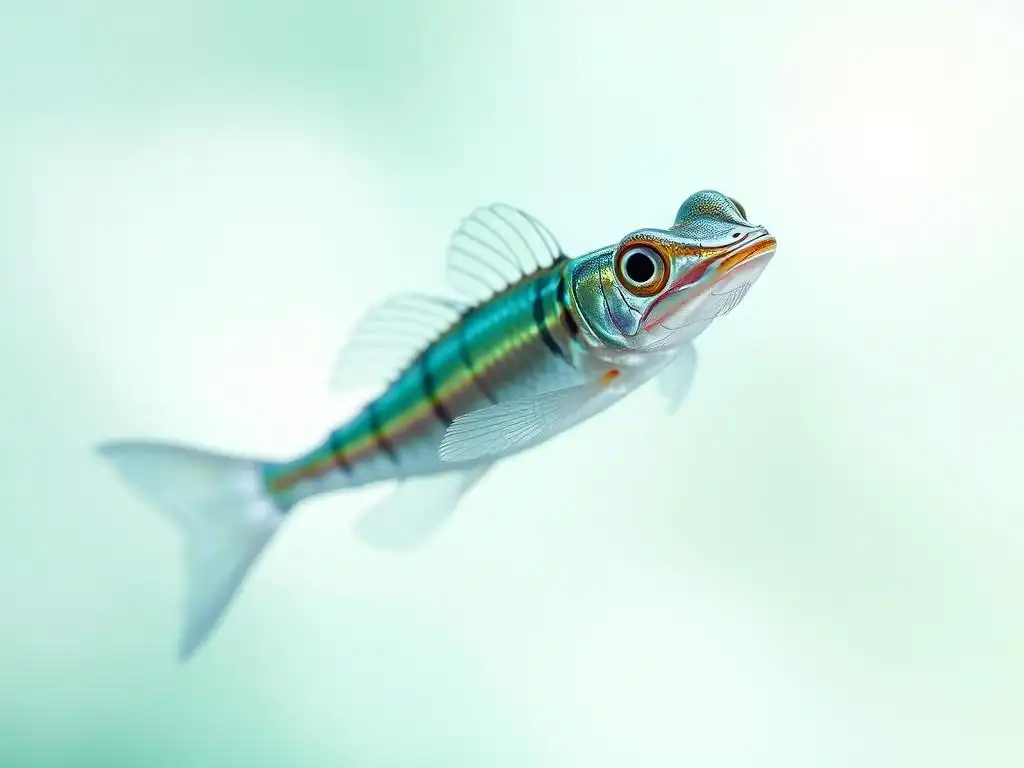
For a single Fingered Dragonet, a minimum tank size of 30 gallons (approximately 115 liters) is generally recommended, though a 40-gallon (around 150 liters) or larger aquarium is ideal. The emphasis for this species is not on tank height, but rather on footprint and the amount of available substrate area. These fish are benthic, meaning they spend almost all their time on the bottom, sifting through sand for micro-invertebrates. A larger horizontal dimension provides more foraging ground, which is crucial for their survival and well-being.
Beyond just volume, the maturity of the tank is paramount. A newly set up aquarium typically lacks the established microfauna essential for a Fingered Dragonet's diet. Therefore, the tank should be well-established, ideally six months to a year old, to ensure a thriving population of copepods and amphipods within the live sand bed and live rock. This stable, mature environment, combined with adequate space for foraging, forms the foundation of a successful Fingered Dragonet care guide.
Water Parameters for Fingered Dragonets: Maintaining a Stable Environment
Ideal Temperature, Salinity, and pH Levels
Maintaining stable and precise water parameters is crucial for the health and longevity of Fingered Dragonets. The ideal temperature range for Dactylopus dactylopus is between 72-78°F (22-26°C), with consistency being more important than hitting a precise midpoint; rapid fluctuations can induce significant stress. Salinity should be maintained within a specific gravity range of 1.023-1.025, closely mimicking natural reef conditions. Regular use of a calibrated refractometer is essential for accurate measurements to prevent osmotic shock.
Furthermore, the pH level should be kept stable between 8.1 and 8.4. Beyond these primary parameters, it is critical to keep ammonia and nitrite at undetectable levels (0 ppm) and nitrates below 10-20 ppm. Alkalinity should be maintained between 8-12 dKH, calcium at 400-450 ppm, and magnesium at 1250-1350 ppm. Consistent monitoring and routine water changes, typically 10-20% bi-weekly or monthly depending on bioload, are vital to prevent the accumulation of toxins and ensure these parameters remain within optimal ranges for your Fingered Dragonet care guide.
Fingered Dragonet Diet and Feeding: Ensuring Nutritional Needs are Met
Live Food and Supplementation Strategies
The primary and most critical component of a Fingered Dragonet's diet consists of live copepods, amphipods, and other small benthic invertebrates that they actively sift from the sand bed and pick from live rock. Without a constant, abundant supply of these live organisms, Fingered Dragonets will slowly starve, even if they appear to be picking at the substrate.
Establishing a robust refugium, specifically designed to cultivate copepod populations, is almost a prerequisite for their long-term survival in captivity. Supplementing the tank with live copepod cultures, perhaps weekly or bi-weekly for newer setups and monthly for established ones, can help maintain this vital food source.
While live microfauna forms the backbone of their diet, supplementation with other live or frozen foods can be beneficial. Live or frozen mysis shrimp, enriched brine shrimp, and blackworms can be offered, often by target feeding near their foraging areas using a turkey baster. It's crucial to understand that these are supplementary foods and cannot replace the constant grazing on naturally occurring micro-invertebrates. Gut-loading any live foods offered will further enhance their nutritional value for the dragonet.
Training Your Fingered Dragonet to Accept Prepared Foods
Training a Fingered Dragonet to accept prepared foods is notoriously challenging and often met with limited success, making it an advanced aspect of Fingered Dragonet care guide. Their natural instinct is to forage constantly, and they rarely recognize static, non-moving food as a viable meal. However, patience and persistence can sometimes yield results. Start by offering small, high-quality frozen mysis or enriched brine shrimp directly into their foraging zone, perhaps during regular tank maintenance when the fish is less disturbed.
Some aquarists have reported success by offering very small, high-quality pellet foods designed for bottom feeders, but this is an exception rather than the rule. Consistency in offering these foods at the same time each day, combined with a stable, low-stress environment, might encourage a few bites. Nevertheless, relying solely on prepared foods is a recipe for starvation for this species; a thriving live food population in the sand bed and refugium remains the most reliable and essential feeding strategy.
Fingered Dragonet Tank Mates: Compatibility in a Nano Reef
Best and Worst Tank Mate Choices for Fingered Dragonets
Selecting appropriate tank mates is a critical aspect of successful Fingered Dragonet care guide, especially in a nano reef environment. The best tank mates are peaceful, relatively small, and occupy different ecological niches, ensuring they do not compete for the dragonet's specialized diet. Excellent choices include small, non-aggressive gobies like the Yellow Watchman Goby (though monitor for substrate competition), peaceful clownfish species, Royal Grammas, and blennies such as the Tailspot Blenny. Invertebrates like hermit crabs, snails, and cleaner shrimp are generally compatible and can even contribute to the tank's cleanliness.
Conversely, aggressive or overly boisterous fish are the worst tank mates for Fingered Dragonets. This includes many species of damsels, large wrasses that might harass or outcompete them, and fast-eating fish like tangs or some anthias that will quickly consume any available prepared foods before the slow-moving dragonet can react. Avoid keeping more than one Fingered Dragonet unless in an exceptionally large tank (over 100 gallons) with ample territory and food, as they are highly territorial with conspecifics. Predatory invertebrates, such as mantis shrimp or larger crabs, should also be strictly avoided to prevent harm to the delicate dragonet.
Setting Up a Fingered Dragonet Aquarium: A Step-by-Step Guide
Choosing the Right Substrate and Aquascaping
The choice of substrate is paramount for a Fingered Dragonet aquarium, as it directly impacts their primary feeding method and overall well-being. A deep sand bed (DSB) of at least 3-4 inches (approximately 7-10 cm) is highly recommended, composed of fine aragonite sand with a grain size of 0.5-2 mm. This fine substrate is crucial as it allows the dragonet to easily sift through it without injuring its delicate mouthparts, while simultaneously providing a vast habitat for the micro-invertebrates they consume. A coarser substrate would hinder their natural foraging behavior and potentially lead to starvation.
For aquascaping, incorporate plenty of stable live rock to create caves, overhangs, and crevices. These structures provide essential hiding spots and areas where the dragonet can establish a sense of security. While offering cover, ensure there are also ample open sand areas for the dragonet to forage freely. The rockwork should be meticulously secured to prevent any shifts or collapses, especially considering the dragonet's constant sifting activity at the substrate level. A well-designed aquascape supports both the dragonet's physical needs and its natural behaviors, contributing significantly to a successful Fingered Dragonet care guide.
Establishing a Healthy Reef Ecosystem for Your Dragonet
Establishing a healthy reef ecosystem is not merely about cycling the tank; for a Fingered Dragonet, it means cultivating a thriving, self-sustaining population of microfauna. The aquarium should be fully cycled and mature, ideally having run for at least six months, if not a year, before introducing a Fingered Dragonet. This extended maturation period allows for the development of a diverse and abundant community of copepods, amphipods, and other beneficial benthic organisms within the live rock and deep sand bed. These organisms are the dragonet's primary food source.
To further bolster this vital food supply and maintain pristine water quality, consider integrating a refugium into your system. A refugium, typically a separate compartment or sump section, can be dedicated to cultivating macroalgae like Chaetomorpha and providing a safe haven for copepods to reproduce away from predation in the main display tank. This continuous cultivation of live food within the refugium significantly enhances the long-term success and vitality of your Fingered Dragonet, making it a cornerstone of advanced Fingered Dragonet care guide.
Acclimation Process: Safely Introducing Your Fingered Dragonet
The acclimation process for a Fingered Dragonet requires meticulous attention due to their sensitivity to changes in water parameters. Drip acclimation is by far the most recommended method. This involves slowly dripping water from the display tank into the bag or container holding the dragonet over an extended period, typically 1 to 2 hours, allowing for a gradual adjustment to the new temperature, salinity, and pH. This minimizes the risk of osmotic shock, which can be fatal for delicate species like dragonets.
Once acclimation is complete, turn off the main aquarium lights to reduce stress and gently introduce the dragonet into the tank. Provide immediate access to plenty of hiding spots within the rockwork. Monitor the dragonet closely over the next few hours and days for any signs of stress, such as rapid breathing, clamped fins, or hiding excessively. Ensure existing tank mates are not harassing the new arrival. A calm, unhurried introduction is vital for the dragonet to settle successfully into its new home, a crucial step in any Fingered Dragonet care guide.
Fingered Dragonet Health and Disease: Prevention and Treatment
Common Diseases Affecting Fingered Dragonets
Fingered Dragonets, while generally robust in a well-maintained environment, are particularly susceptible to diseases primarily stemming from stress, poor diet, or inadequate water quality. Starvation is arguably the most common "ailment," manifesting as severe emaciation (a sunken belly) due to an insufficient supply of live micro-invertebrates. Beyond nutritional deficiencies, they can fall victim to common external parasites such as marine ich ( Cryptocaryon irritans) or velvet ( Amyloodinium ocellatum), especially when their immune system is compromised by stress or malnutrition.
Internal parasites also pose a threat, often indicated by a dragonet that appears to be foraging but remains emaciated. Bacterial infections, frequently presenting as fin rot or body lesions, can occur if the fish sustains physical injuries or if water quality deteriorates. Proactive prevention through optimal husbandry, including a constant live food supply and stable water parameters, is the best defense against these common health issues in a Fingered Dragonet care guide.
Recognizing Signs of Illness in Your Dragonet
Recognizing the early signs of illness in a Fingered Dragonet is crucial for timely intervention. A primary indicator of distress or disease is a significant change in behavior. This includes a loss of appetite or a noticeable decrease in foraging activity, lethargy, rapid or labored breathing, and clamped fins held close to the body. Abnormal swimming patterns, such as darting erratically or rubbing against tank decor, can also signal irritation from external parasites.
Physical symptoms require close observation. Look for visible white spots (indicative of ich), a dusty or velvet-like coating on the skin (velvet), cloudy eyes, or any open sores, lesions, or tears on the fins or body. Most critically, a noticeably sunken belly is a dire sign of starvation, indicating that the dragonet is not receiving adequate nutrition from the tank's microfauna. Any of these signs warrant immediate investigation and consideration of appropriate action within your Fingered Dragonet care guide.
Quarantine Procedures for New and Sick Fish
Implementing a strict quarantine procedure is a non-negotiable aspect of responsible Fingered Dragonet care guide, both for new arrivals and for sick fish. All new Fingered Dragonets should be quarantined in a separate, dedicated tank for a minimum of 3-4 weeks. This isolation period allows for close observation, proactive treatment of any latent diseases, and prevents the introduction of pathogens into your established display aquarium. A 10-gallon (approximately 38 liters) quarantine tank, equipped with a heater and sponge filter, is typically sufficient.
For a sick Fingered Dragonet, moving it to a hospital tank is essential for targeted treatment. This prevents medications from harming the beneficial bacteria in your main tank's biological filter or affecting sensitive invertebrates. When treating dragonets, extreme caution is advised with copper-based medications, as they can be highly sensitive; alternative treatments like hyposalinity or Chloroquine Phosphate might be considered, ideally under the guidance of a marine fish health expert. Always research medication compatibility thoroughly before administering any treatment.
Breeding Fingered Dragonets: A Challenging but Rewarding Endeavor
Creating Breeding Conditions for Dactylopus dactylopus
Breeding Fingered Dragonets in a home aquarium is an extremely challenging feat, rarely achieved, but represents the pinnacle of advanced Fingered Dragonet care guide. Success hinges on providing an exceptionally large, mature aquarium, ideally 100 gallons (approximately 380 liters) or more, with an incredibly abundant and diverse live copepod population. This extensive food source is crucial for conditioning the breeding pair, ensuring they are well-nourished and ready for gonad development.
Beyond nutrition, pristine and stable water parameters are non-negotiable. While specific triggers are not fully understood, providing a fine, deep sand bed and ample undisturbed areas may encourage spawning. Spawning typically occurs at dusk, with the male and female rising rapidly in the water column to release their gametes. This delicate process requires a highly specialized and dedicated setup, far beyond the scope of a typical display tank.
Identifying Male and Female Fingered Dragonets
Identifying the sex of Fingered Dragonets, or sexual dimorphism, is possible, making pairing for breeding purposes a bit more feasible. The most reliable distinguishing feature is typically found in the first dorsal fin. Males generally possess a noticeably taller and more elongated first dorsal fin ray compared to that of the female. This difference can be quite pronounced, especially when the male is displaying.
In addition to fin morphology, males may exhibit slightly more vibrant coloration, particularly during courtship rituals, though this can be subtle and varies between individuals. Observing their behavior can also offer clues: males will often extend and display their dorsal fin as part of a courtship dance. However, for definitive identification, it is often best to compare multiple specimens side-by-side or consult with experienced breeders if possible.
Raising Fingered Dragonet Fry: A Detailed Guide
Raising Fingered Dragonet fry is an endeavor fraught with immense difficulty and high mortality rates, making it one of the most demanding aspects of Fingered Dragonet care guide. The eggs are minute, and upon hatching, the larvae are incredibly small, requiring a first food source of rotifers (e.g., L-type rotifers) and then progressively larger live foods such as copepod nauplii as they grow. This necessitates a continuous, reliable culture of these microscopic organisms.
A dedicated larval rearing tank, typically a small, bare-bottomed aquarium with very gentle aeration or filtration (e.g., an air-driven sponge filter), is essential to prevent the delicate fry from being swept away. Maintaining pristine water quality in this rearing tank is paramount, requiring frequent, small water changes with aged, stable saltwater. Success stories are exceptionally rare, often limited to public aquariums or highly specialized private breeders who can commit significant resources and expertise to the complex requirements of larval nutrition and husbandry.
Where to Buy Fingered Dragonets: Finding Healthy Specimens
Selecting a Reputable Vendor
When considering the addition of a Fingered Dragonet to your aquarium, selecting a reputable vendor is paramount to ensuring you acquire a healthy specimen. Look for local fish stores or online retailers with a strong track record of ethical sourcing, proper marine fish husbandry, and excellent customer reviews. A good vendor will be transparent about where their fish come from and how long the Fingered Dragonet has been in their care.
Inquire about their acclimation protocols and, crucially, whether the fish is actively eating prepared foods or, at the very least, visibly sifting the sand for microfauna. A vendor who specializes in marine fish and demonstrates in-depth knowledge of Fingered Dragonet care guide is preferable. Avoid impulse purchases from stores that show signs of poor fish health, such as multiple sick or dead fish in their tanks. Online forums and reef keeping communities can also provide valuable recommendations for trustworthy sources.
Assessing the Health of a Fingered Dragonet Before Purchase
Before committing to a purchase, it is vital to meticulously assess the health of the Fingered Dragonet. Observe the fish carefully in its holding tank. A healthy specimen should be active, alert, and constantly sifting through the substrate or picking at the live rock. Look for a full, rounded belly, which is a key indicator of consistent feeding and good health; a sunken or pinched belly is a strong sign of starvation and should be a red flag.
Physically, the dragonet's fins should be intact, without any tears, rips, or white spots. Its eyes should be clear and free of cloudiness, and its body should be free of any lesions, abnormal growths, or excessive mucus. If possible, ask the vendor to observe the fish eating, even if it's just picking at the sand. Avoid any fish that appears listless, is hiding excessively, has clamped fins, or shows any visible signs of disease, as these are often indicators of underlying health issues that will be challenging to overcome, even with the best Fingered Dragonet care guide.
Conclusion: Is the Fingered Dragonet Right for Your Nano Reef?
The Rewards of Keeping These Unique Fish
For the dedicated and experienced aquarist, keeping a Fingered Dragonet can be an exceptionally rewarding experience. Their utterly unique appearance, with their distinctive "fingered" pelvic fins and intricate mottled patterns, makes them an immediate focal point in any nano reef. Beyond their striking aesthetics, their fascinating foraging behaviors, where they meticulously sift through the sand bed, provide continuous, engaging activity that is both calming and educational to observe.
Successfully maintaining a healthy Fingered Dragonet is a testament to an aquarist's commitment to providing highly specialized care, particularly regarding their complex dietary requirements and the need for a mature, stable environment rich in live microfauna. Overcoming these challenges culminates in the long-term enjoyment of a peaceful, captivating, and truly uncommon marine inhabitant that adds immense character and biodiversity to a well-established reef system.
Final Thoughts on Fingered Dragonet Care and Husbandry
The Fingered Dragonet is not a fish for the novice aquarist. Its specific and demanding dietary needs, coupled with the absolute necessity of a well-established, mature aquarium teeming with a robust population of live copepods and other micro-invertebrates, place it firmly in the realm of advanced marine husbandry. Without these critical elements, starvation is an almost inevitable outcome.
Therefore, prior to acquiring a Fingered Dragonet, ensure your tank is at least six months to a year old, boasts a deep, fine sand bed, and ideally incorporates a refugium to cultivate continuous live food. Prioritize stable water parameters and select peaceful tank mates that will not compete for food. With diligent adherence to this comprehensive Fingered Dragonet care guide, these uncommon beauties can not only survive but truly thrive, becoming a cherished and long-term addition to your nano reef aquarium.
Frequently Asked Questions
What are the primary considerations when deciding if a Fingered Dragonet is suitable for my aquarium?
The primary considerations are tank size (must be a well-established nano tank, ideally over 30 gallons) and a sufficiently established copepod population. They primarily feed on copepods, and without a thriving population, they will starve.
How do I ensure my Fingered Dragonet gets enough food in a community aquarium?
You can supplement their diet with live copepods or frozen copepod preparations. Target feeding is often necessary to ensure they get enough food, especially if there are other fish competing for resources.
What water parameters are crucial for the health and well-being of a Fingered Dragonet?
Maintaining stable water parameters is vital. This includes a specific gravity of 1.024-1.026, a pH of 8.1-8.4, and consistently low levels of ammonia, nitrite, and nitrate. Regular water changes are essential.
Are Fingered Dragonets compatible with all types of fish and invertebrates?
Fingered Dragonets are generally peaceful but should not be housed with aggressive or competitive fish. Avoid fish that will outcompete them for food. They are generally reef safe.
What are some common signs of illness or stress in Fingered Dragonets, and how can I address them?
Common signs include weight loss, lethargy, and reduced feeding. These signs often indicate starvation or poor water quality. Address these issues by improving feeding methods and testing water parameters.
Final Reflection: Appreciating the Uncommon Beauty
The journey into the world of the Fingered Dragonet, as we've explored, highlights the beauty and responsibility inherent in choosing less common species for our aquariums. Understanding their specific needs is not just about keeping them alive, but about truly appreciating their unique place in the delicate marine ecosystem. This knowledge empowers us to move beyond fleeting trends and embrace a more sustainable and informed approach to the reef-keeping hobby.
This exploration has underscored the importance of diligent research and responsible sourcing when considering any aquatic creature. The Fingered Dragonet, with its captivating beauty and specialized dietary requirements, serves as a powerful reminder that our choices have a direct impact on the well-being of these animals and the health of our oceans. In the end, we will conserve only what we love; we will love only what we understand; and we will understand only what we are taught.
- Baba Dioum's words resonate deeply, urging us to cultivate understanding and appreciation for the often-overlooked wonders of the natural world.
Now, armed with this knowledge and appreciation for the Fingered Dragonet, I encourage you to reflect on your own choices within the aquarium hobby. Consider the impact of your decisions, not just on the individual animals you keep, but on the broader ecosystem they represent. Let us all strive to be more informed, more responsible, and more passionate stewards of the marine world, ensuring that the beauty of creatures like the Fingered Dragonet continues to captivate and inspire for generations to come.
Unleash the Wonder: Start Your Fingered Dragonet Journey!
Thank you for diving into the fascinating world of the Fingered Dragonet! We hope this article has ignited your passion for these captivating nano fish. Now, let's transform that knowledge into action!
Here are a few ways to take your interest further:
- Begin Planning Your Dedicated Dragonet Biotope: Research compatible tank mates, specific water parameters, and the ideal feeding regimen for your future dragonets.
- Explore the world of live copepods! Culturing your own supply not only ensures your Fingered Dragonets thrive but also offers a rewarding and engaging hobby in itself.
- Share this article with fellow aquarium enthusiasts! Help spread awareness about these often-overlooked gems of the reef.
What specific challenges do you anticipate when setting up a Fingered Dragonet tank, and how do you plan to overcome them?