
Sculpting Underwater Vistas: Creating Depth, Perspective, and Drama with Hardscape Elements

Welcome to Aquarium Mastery!
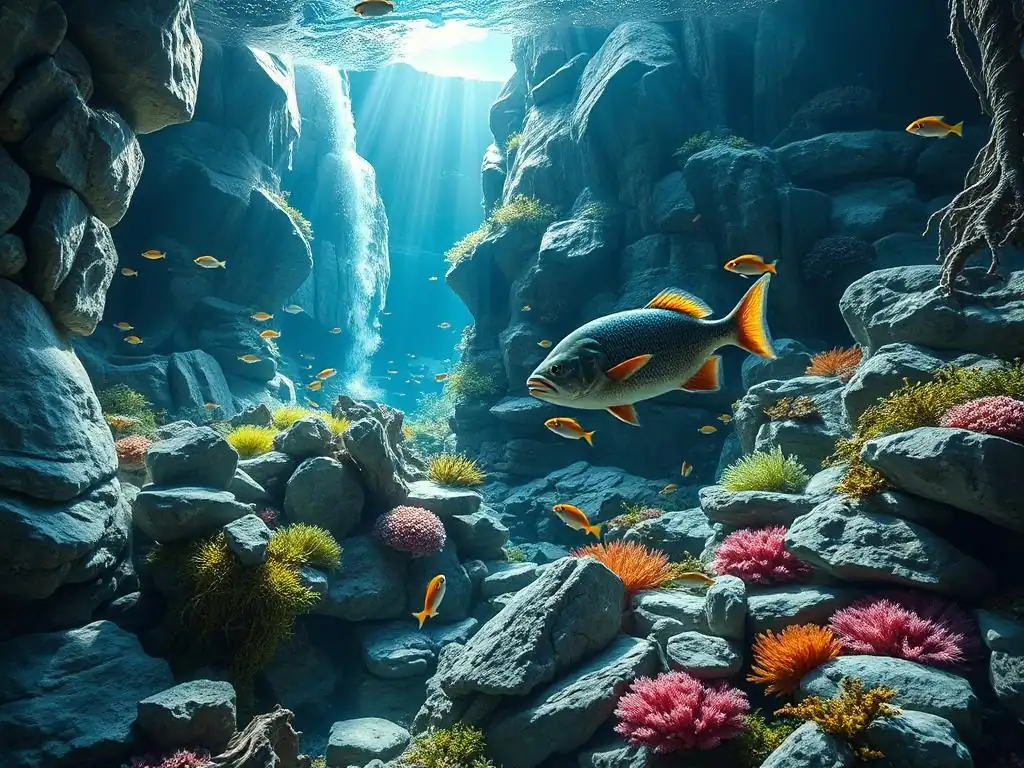
Ever wondered how to transform your aquarium from a simple glass box into a breathtaking underwater landscape? Get ready to dive deep into the art of hardscape aquarium design techniques! We'll unlock the secrets to creating depth, perspective, and drama using rocks, wood, and other natural elements. Intrigued? Let's sculpt some underwater vistas together!
- Aquascaping with Dragon Stone: Creating Depth, Perspective, and Drama
- Understanding Dragon Stone in Aquascaping: The Foundation of Your Underwater World
- Mastering Depth in Aquascapes: Dragon Stone Techniques
- Adding Drama to Your Aquarium: Dragon Stone for Impact
- Advanced Dragon Stone Aquarium Design Techniques: Elevating Your Aquascape
- Choosing the Right Dragon Stone for Your Aquarium: A Step-by-Step Guide
- Maintaining Your Dragon Stone: Ensuring Long-Term Beauty
- Dragon Stone Aquarium Design Inspiration: Examples and Case Studies
- Conclusion: The Art of Dragon Stone in Aquascaping
- Frequently Asked Questions
- Final Reflection: The Enduring Art of Underwater Landscapes
- Unveil Your Subaquatic Masterpiece!
Aquascaping with Dragon Stone: Creating Depth, Perspective, and Drama
Understanding Dragon Stone in Aquascaping: The Foundation of Your Underwater World
What is Dragon Stone and Why is it Crucial for Aquascaping?
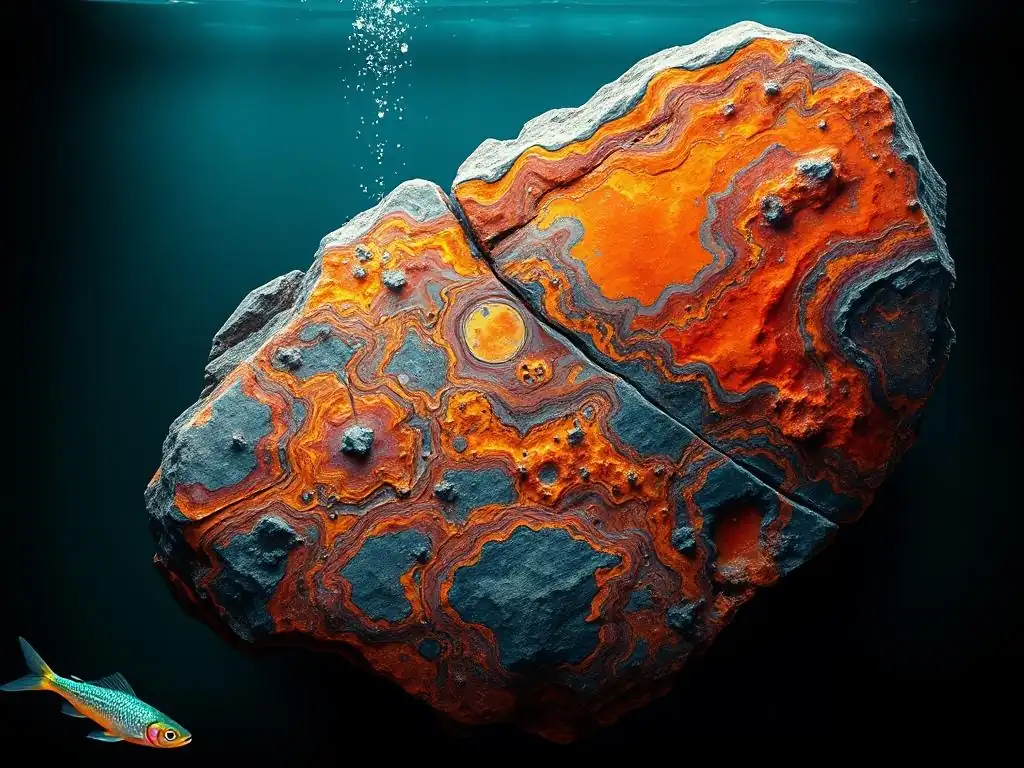
Dragon Stone, scientifically known as Ohko Stone, is a distinctive sedimentary rock highly prized in the aquascaping community. Its defining characteristics include a unique pitted, textured surface with numerous holes and crevices, giving it an ancient, weathered appearance. Predominantly found in earthy tones ranging from light browns and grays to yellowish hues, Ohko Stone is relatively lightweight compared to other hardscape materials, making it easier to handle and arrange within an aquarium. Crucially, it is considered inert, meaning it does not significantly alter water chemistry, which is vital for maintaining stable parameters for aquatic life.
The role of Dragon Stone is paramount in Hardscape aquarium design techniques due to its unparalleled ability to create naturalistic and visually dynamic underwater landscapes. Its intricate textures provide excellent surfaces for beneficial bacteria to colonize, contributing to biological filtration. Moreover, the natural holes and fissures offer ideal anchoring points for epiphytic plants like Anubias and Bucephalandra, allowing them to thrive and blend seamlessly with the stone. This versatility makes Dragon Stone a cornerstone for various aquascaping styles, from minimalist Iwagumi to dense Nature Aquariums, serving as the primary structural and aesthetic element.
Types of Dragon Stone: Selecting the Right Stone
Ohko Stone Characteristics
Ohko Stone, or Dragon Stone, is renowned for its unique aesthetic qualities that mimic naturally eroded rock formations. Its surface is adorned with distinctive pockmarks, deep grooves, and numerous small holes, which contribute to its rugged, organic texture. These features provide exceptional visual interest, allowing light to play across its varied surfaces and creating intricate shadows. The stone’s color palette, typically composed of muted browns, grays, and occasional hints of green or yellow, ensures it harmonizes beautifully with the vibrant greens and reds of aquatic plants, creating a cohesive and natural underwater scene.
Beyond its visual appeal, a key characteristic of Ohko Stone is its inert nature. Unlike some other rock types that can leach minerals and alter water parameters such as pH or general hardness (GH), Dragon Stone is largely stable. This makes it an ideal choice for aquariums housing sensitive species like Caridina shrimp or Discus fish, which require very stable water conditions. Its inertness means aquarists can confidently use it without fear of unexpected chemical changes, simplifying water chemistry management and contributing to overall tank stability in Hardscape aquarium design techniques.
Ohko Stone Sizing
The effective use of Dragon Stone in aquascaping heavily relies on selecting a diverse range of sizes. To create a natural and dynamic layout, it is crucial to incorporate a mix of large, medium, and small pieces. For instance, in a standard 60cm (approximately 24-inch) aquarium, an aquascaper might aim for one or two "hero" pieces measuring 15-25cm, several medium-sized stones between 8-15cm, and numerous smaller "filler" pieces ranging from 2-8cm. This variation in size is essential for establishing scale, depth, and visual interest within the hardscape.
Proper sizing also dictates the structural integrity and aesthetic flow of the aquascape. Larger stones provide the foundational elements and main focal points, offering a solid base for stacking or arranging. Medium stones act as transitional elements, connecting the larger pieces and adding complexity, while smaller stones are invaluable for filling gaps, creating subtle slopes, or adding fine textural details. For a typical 60cm tank, the total weight of Dragon Stone might range from 5 kg for a sparse layout to 15 kg for a dense, mountainous design, demonstrating the flexibility in Hardscape aquarium design techniques.
Ohko Stone Preparation
Thorough preparation of Dragon Stone is a critical step before introducing it to an aquarium to ensure the health and clarity of your tank. The primary preparation involves meticulously cleaning each piece. Due to its porous nature and the presence of intricate crevices, Dragon Stone can harbor loose debris, dust, and even clay residue from its natural environment or packaging.
Each stone should be vigorously rinsed under running water, and a stiff brush (such as a toothbrush or a dedicated scrubbing brush) should be used to dislodge any trapped particles from its numerous holes and textures. This prevents cloudy water and the introduction of unwanted organic matter into the aquarium.
While Dragon Stone is generally inert, some aquarists opt for additional sterilization or soaking steps to ensure maximum safety and stability. After initial scrubbing, a prolonged soak in dechlorinated water for 24-48 hours, with at least one water change, can help leach out any minor impurities or residual dust.
For highly sensitive setups or to eliminate any potential pathogens, a brief boil (15-20 minutes) can be considered, though this is less common for Dragon Stone due to its porous structure which can trap air and cause it to float initially, or even crack if heated too rapidly. Always ensure the stone is completely cool before placing it in the aquarium to avoid thermal shock to the tank.
Mastering Depth in Aquascapes: Dragon Stone Techniques
Creating Visual Depth with Dragon Stone Placement
The Rule of Thirds in Aquascape Design with Dragon Stone
The Rule of Thirds is a fundamental compositional guideline in visual arts, and its application is highly effective in Hardscape aquarium design techniques, particularly with Dragon Stone. This rule involves mentally dividing your aquascape into nine equal sections using two horizontal and two vertical lines.
By strategically placing key Dragon Stone elements, such as the primary focal point or a cluster of dominant rocks, at the intersections of these lines or along them, you can create a more balanced, dynamic, and visually engaging composition. This approach avoids the static feel of a centrally placed hardscape and guides the viewer's eye naturally through the scene.
For instance, in an aquascape featuring Dragon Stone, a particularly striking piece with unique texture or a dramatic shape could be positioned at one of the upper-left or upper-right intersections. This placement immediately draws attention to the stone without making the layout feel overly symmetrical.
Smaller, supporting Dragon Stone pieces can then be arranged to lead the eye towards this focal point, creating a sense of flow and progression within the layout. This deliberate positioning not only enhances the aesthetic appeal but also contributes significantly to the perceived depth and narrative of the underwater vista, making the most of your Dragon Stone.
Using Foreground, Midground, and Background Elements with Dragon Stone
Effective Hardscape aquarium design techniques utilize Dragon Stone to delineate the three distinct visual planes: foreground, midground, and background, which are crucial for creating a sense of depth. In the foreground, smaller, highly textured Dragon Stone pieces can be partially buried in the substrate to create immediate visual interest and a smooth transition from the front glass. These elements help establish scale and provide a foundation for carpeting plants.
Moving into the midground, larger and more prominent Dragon Stone formations typically serve as the main structural elements. These stones often form the core of the aquascape, providing height and volume, and are ideal for attaching epiphytic plants like Anubias or Bucephalandra to enhance their natural appearance.
In the background, even larger, more subtly placed Dragon Stone pieces can be used to frame the scene or suggest distant geological features, especially when combined with tall stem plants. This layered approach, with progressively larger or more dominant stones moving from front to back, significantly enhances the illusion of depth, drawing the viewer's eye deeper into the aquascape.
Achieving Depth Through Size and Scale of Dragon Stone
A powerful illusion of depth in aquascaping is achieved by manipulating the size and scale of Dragon Stone pieces. This technique, known as diminishing size, involves placing larger Dragon Stone elements in the foreground of the aquarium and progressively smaller pieces towards the background.
For example, a prominent 20-25cm Dragon Stone in the front of a 90cm tank might be complemented by 5-8cm stones in the middle ground and tiny 2-3cm pieces in the far background. This optical trick makes the background appear much further away than its actual physical distance, dramatically enhancing the perceived depth of the entire aquascape.
The careful consideration of scale is also paramount relative to the overall tank dimensions. In a compact 30cm (12-inch) nano aquarium, a 10-12cm Dragon Stone piece can serve as a dominant "hero" stone, creating a significant impact.
Conversely, in a large 180cm (6-foot) display tank, Dragon Stone pieces exceeding 40-50cm in length might be necessary to establish appropriate scale and presence, ensuring they don't get lost within the vastness of the tank. By thoughtfully varying the size of Dragon Stone and considering its relationship to the tank's dimensions, aquascapers can master Hardscape aquarium design techniques to create compelling and expansive underwater vistas.
Dragon Stone Perspective: Forcing the Eye to See Further
Utilizing Linear Perspective with Dragon Stone Arrangement
Linear perspective is a potent artistic technique that can be adapted to Hardscape aquarium design techniques to create a compelling illusion of depth. This involves arranging Dragon Stone elements in a way that suggests parallel lines converging at a vanishing point in the background of the aquascape.
For instance, two rows of Dragon Stone, initially wide apart in the foreground, can be angled to gradually narrow their distance as they recede towards the back of the tank. This visual trick naturally draws the viewer's eye along the converging lines, making the perceived depth of the aquarium significantly greater than its actual dimensions.
A practical application of linear perspective with Dragon Stone might involve creating a "path" or "riverbed" effect. Imagine a winding path of fine sand flanked by carefully placed Dragon Stone pieces. These stones would be larger and more spaced out at the front, becoming progressively smaller and closer together as the path curves towards the rear of the tank. This arrangement creates a powerful sense of recession, inviting the viewer's gaze to travel deep into the scene, enhancing the overall immersive quality of the aquascape and highlighting the intricate details of the Dragon Stone.
Creating Atmospheric Perspective with Substrate and Lighting Around Dragon Stone
Atmospheric perspective, a technique commonly used in painting to depict distance, can be subtly mimicked in aquascaping to enhance the illusion of depth around Dragon Stone. While the underwater environment limits its full replication, aquarists can achieve a similar effect by manipulating substrate texture and color, and by strategically adjusting lighting intensity. For example, using a finer, lighter-colored substrate (such as cosmetic sand) in the background areas surrounding the Dragon Stone, compared to a coarser, darker substrate in the foreground, can create a misty or hazy appearance, suggesting greater distance.
This nuanced approach helps soften the visual clarity of distant objects, much like atmospheric haze in a landscape. For instance, a thin layer of light-colored sand placed behind a prominent Dragon Stone formation can create a subtle "fog" effect, making the hardscape appear to recede further. Combined with slightly less intense lighting directed towards the rear of the tank, this technique can effectively blur the lines of distant Dragon Stone, enhancing the perceived depth and adding an ethereal quality to the Hardscape aquarium design techniques.
Emphasizing Focal Points with Dragon Stone
Dragon Stone, with its intricate textures and unique shapes, is an exceptional material for establishing compelling focal points in an aquascape. A particularly striking piece, perhaps one with a dramatic crevice, an interesting hole, or an unusually jagged peak, can be strategically positioned to immediately capture and hold the viewer's attention. Placing this "hero" stone according to principles like the Rule of Thirds or the Golden Ratio ensures it stands out without dominating the entire composition, serving as the anchor for the overall Hardscape aquarium design techniques.
To further emphasize this primary focal point, surrounding elements should be carefully arranged to direct the viewer's gaze towards it. Smaller Dragon Stone pieces can be placed in a way that leads the eye, acting as visual arrows.
Similarly, the strategic placement of contrasting plants, such as a vibrant red stem plant positioned next to a dark, textured Dragon Stone, can create a powerful visual contrast that highlights the stone. Even the subtle flow created by a filter outlet can be designed to guide the viewer's attention, ensuring the chosen Dragon Stone piece remains the undeniable star of the underwater scene.
Adding Drama to Your Aquarium: Dragon Stone for Impact
Creating Dynamic Dragon Stone Layouts
The Importance of Negative Space in Dragon Stone Design
In the realm of Hardscape aquarium design techniques, negative space — the areas around and between the Dragon Stone elements — is as crucial as the hardscape itself. Effectively utilized negative space, such as open swimming areas, clear sandy paths, or voids within the rock structure, prevents the aquascape from appearing cluttered and allows the eye to rest. This deliberate emptiness enhances the visual impact of the Dragon Stone, highlighting its form and texture by providing a contrasting backdrop.
Strategically incorporating negative space adds depth and dynamism to the aquascape. For example, a wide, open sandy path winding through dense Dragon Stone formations can create a powerful sense of scale and draw the viewer's eye deeper into the layout, emphasizing the "mountain" or "cliff" effect of the stones. This interplay between the solid, textured hardscape and the fluid, open spaces creates a captivating visual rhythm, making the aquascape feel more natural and expansive, and significantly contributing to its dramatic appeal.
Achieving Balance and Harmony in Your Aquascape with Dragon Stone
Achieving balance in an aquascape with Dragon Stone doesn't necessarily mean perfect symmetry; rather, it refers to the equitable distribution of visual weight throughout the tank. This involves carefully distributing Dragon Stone pieces of varying sizes, textures, and orientations across the layout to create a sense of equilibrium. Avoid clumping all large, dominant stones in one corner, as this can make the aquascape feel lopsided and visually heavy. Instead, disperse elements thoughtfully to guide the viewer's eye across the entire scene.
Harmony is achieved through the thoughtful repetition and subtle variation of the Dragon Stone. Use stones with similar textures or color tones to maintain a cohesive look, but vary their size, angle, and position to prevent monotony. For instance, a primary Dragon Stone might be complemented by smaller pieces that share its general character but are arranged in a dynamic, asymmetrical fashion. The goal is a unified underwater scene where all Hardscape aquarium design techniques, including the placement of Dragon Stone, feel intentionally placed and contribute to an overall sense of peace and natural beauty.
Using Dragon Stone to Mimic Mountain Ranges
Dragon Stone's unique texture and angular forms make it an exceptional material for recreating miniature mountain ranges within an aquascape. This popular Hardscape aquarium design technique involves meticulously stacking and arranging Dragon Stone pieces to simulate towering peaks, rugged cliffs, and winding valleys. Larger, more angular pieces often form the base structures, providing the mass and elevation, while smaller, more intricately textured pieces are used to create jagged peaks and realistic rock faces, enhancing the illusion of scale.
To achieve maximum realism, aquascapers typically use a variety of stone sizes, ensuring that the "peaks" appear taller and more imposing in the background and gradually diminish in height towards the foreground. This visual progression enhances depth and perspective, making the aquascape feel vast and expansive. The strategic placement of small, creeping plants like Monte Carlo or Eleocharis Mini at the base and along the slopes of these "mountains" further enhances the illusion, giving the impression of lush vegetation clinging to rocky terrains, completing the dramatic landscape.
Dragon Stone and Plant Integration: A Symbiotic Relationship
Choosing Plants that Complement Dragon Stone
The integration of plants is crucial for softening the ruggedness of Dragon Stone and completing the natural aesthetic of an aquascape. When selecting plants, prioritize species that naturally complement the earthy tones and textured surfaces of the stone. Epiphytic plants, such as various Anubias species (e.g., Anubias barteri var. nana 'Petite', Anubias coffeefolia), Bucephalandra species, and different types of Java Ferns (e.g., Microsorum pteropus 'Trident', 'Windelov'), are excellent choices. These plants can be directly attached to the crevices and holes of the Dragon Stone, mimicking natural growth on rocks and driftwood.
Beyond epiphytes, carpeting plants like Monte Carlo (Micranthemum tweediei), Hemianthus callitrichoides 'Cuba' (HC Cuba), or Glossostigma elatinoides can be used to create lush green foregrounds that flow seamlessly over the base of the Dragon Stone, softening its edges. For the midground and background, stem plants such as Rotala species (e.g., Rotala rotundifolia, Rotala 'H'ra') or Myriophyllum species can provide vibrant green or red backdrops, creating a beautiful contrast with the stone. This thoughtful combination of Hardscape aquarium design techniques and plant selection ensures a harmonious and visually appealing aquascape.
Planting Techniques to Enhance Dragon Stone Features
Effective planting techniques can dramatically enhance the natural beauty and intricate features of Dragon Stone. One common method involves attaching small epiphytic plants directly to the stone's surfaces, particularly within its natural holes and crevices. Using aquarium-safe super glue (cyanoacrylate gel) or fine fishing line, small rhizomes of Anubias, Bucephalandra, or Java Fern can be secured. As these plants grow, their roots will naturally cling to the stone, making it appear as if the plants have been growing there for years, giving the hardscape an aged and organic feel.
Furthermore, plants can be used to create visual flow and soften transitions. Carpeting plants, for instance, can be allowed to creep slightly onto the base of the Dragon Stone, blurring the line between the hardscape and the substrate. Tall, slender stem plants or delicate background plants can be strategically positioned behind or around larger Dragon Stone pieces to frame them, adding vertical interest and depth without obscuring the stone's details. These careful planting choices are integral to successful Hardscape aquarium design techniques, ensuring that the plants and stone work in concert to create a cohesive and captivating scene.
Maintaining Dragon Stone and Plant Balance
Maintaining a harmonious balance between Dragon Stone and plant growth is crucial for the long-term beauty and health of your aquascape. Overgrown plants can quickly obscure the intricate details of your hardscape, diminishing the visual impact of your carefully selected Dragon Stone. Regular trimming of carpeting plants, for example, is essential to keep them low and prevent them from encroaching too much onto the stones or suffocating other plants. Similarly, stem plants in the background require consistent trimming to maintain their desired height and shape, ensuring they frame rather than hide the hardscape elements.
Algae management is another critical aspect of maintaining this balance. While Dragon Stone is generally less prone to algae than smoother rocks, its textured surface can still accumulate green or black brush algae if water parameters are imbalanced. Consistent water changes (e.g., 25-30% weekly) and appropriate lighting duration (typically 6-8 hours per day) are key to preventing excessive algae growth. Introducing algae-eating invertebrates like Amano shrimp (Caridina multidentata) or Nerite snails can also provide a natural clean-up crew, helping to keep both the plants and the Dragon Stone pristine, thereby preserving the aesthetic of your Hardscape aquarium design techniques.
Advanced Dragon Stone Aquarium Design Techniques: Elevating Your Aquascape
The Iwagumi Style: Dragon Stone as Art
Principles of Iwagumi Rock Arrangement with Dragon Stone
The Iwagumi style of aquascaping is a minimalist art form that places supreme emphasis on the arrangement of rocks, with Dragon Stone being a highly favored material due to its natural character. The core principle revolves around a primary "Oyaishi" (main stone), which is the largest and most dominant, typically placed according to the Rule of Thirds or Golden Ratio.
This main stone is then supported by secondary "Fukuishi" (supporting stones) and tertiary "Soeishi" (harmonizing stones), often arranged in an odd number (usually three or five rocks in total) to create a natural, asymmetrical balance. A smaller "Suteishi" (sacrificial stone) might also be included to add a subtle detail or direct flow.
The philosophical underpinnings of Iwagumi dictate that the rocks should appear as if they have been naturally eroded and placed by the forces of nature, symbolizing a rugged mountain range or a windswept coastline. The careful orientation of each Dragon Stone piece is crucial, ensuring that their "flow" or "grain" aligns to create a cohesive and unified scene. This meticulous arrangement, a hallmark of advanced Hardscape aquarium design techniques, aims to evoke a sense of tranquility, strength, and timelessness within the aquatic environment, where the Dragon Stone is truly the focal point.
Plant Selection for Iwagumi Aquascapes with Dragon Stone
Plant selection in Iwagumi aquascapes is deliberately minimalist to ensure the Dragon Stone hardscape remains the undisputed star. The vast majority of the planting typically consists of low-growing carpeting plants that form a lush green "lawn" around the base of the stones. Popular choices include Hemianthus callitrichoides 'Cuba' (HC Cuba), Eleocharis parvula (Dwarf Hairgrass), or Glossostigma elatinoides. These plants create a clean, uniform carpet that beautifully contrasts with the rugged texture of the Dragon Stone, highlighting its form and detail.
To maintain the minimalist aesthetic, the use of other plant types is severely restricted. Occasionally, very small, delicate stem plants like Rotala rotundifolia 'Green' or Cryptocoryne parva might be used in extremely limited quantities to add a subtle variation in texture or a touch of height, but always in a way that does not detract from the dominance of the Dragon Stone. The focus is entirely on enhancing the visual impact of the Hardscape aquarium design techniques, allowing the natural beauty of the rocks to truly shine through.
Achieving a Minimalist Aesthetic with Dragon Stone
The minimalist aesthetic of the Iwagumi style, heavily reliant on Dragon Stone, is achieved through careful attention to simplicity, clean lines, and effective use of negative space. Large, unobstructed areas of open substrate, often fine sand, around the Dragon Stone formations are paramount. This negative space provides a crucial visual break, allowing the eye to fully appreciate the sculptural forms and intricate details of each stone. It creates a sense of openness and serenity, preventing the aquascape from feeling cluttered or overwhelming.
Restraint is the ultimate virtue in Iwagumi Hardscape aquarium design techniques. Aquascapers avoid excessive planting or over-sculpting, ensuring that every Dragon Stone piece serves a clear purpose in the overall composition. The beauty lies in the elegant simplicity of the chosen stones and their natural arrangement, evoking a powerful sense of peace and natural harmony. By focusing on essential elements and eliminating unnecessary clutter, the Iwagumi style elevates Dragon Stone from mere hardscape to a true form of aquatic art.
The Dutch Style: Dense Planted Aquascapes with Dragon Stone Accents
Using Dragon Stone to Define Plant Groups
While the Dutch style of aquascaping is renowned for its dense, vibrant plant arrangements, Dragon Stone can be strategically incorporated as a subtle yet effective accent. In this style, plants are the primary focus, meticulously arranged in contrasting groups based on color, leaf shape, and texture.
Small, carefully selected Dragon Stone pieces can be used as understated dividers or anchors within these elaborate plant compositions. For instance, a small, textured piece of Dragon Stone might be placed at the boundary between a patch of fiery red Alternanthera reineckii and a sprawling group of bright green Rotala, providing a gentle visual separation without drawing undue attention from the plants.
These hardscape elements serve to add structural interest and provide a natural touch amidst the lush vegetation. A few well-placed, smaller Dragon Stone pieces can break up the dense plant growth, preventing it from appearing as an undifferentiated mass. They can also create subtle elevation changes or act as "stepping stones" for the eye, guiding the viewer through the intricate plant beds. This nuanced integration of Dragon Stone enhances the complexity and depth of the Dutch aquascape, demonstrating a versatile approach to Hardscape aquarium design techniques.
Creating Street-Like Perspectives with Plants and Dragon Stone
The "Dutch street" technique is a classic method for creating a strong sense of depth and perspective within a Dutch aquascape, and Dragon Stone can play a supporting role in enhancing this illusion. This technique involves arranging rows of plants that diminish in height and sometimes color intensity as they recede towards the back of the tank, creating the appearance of a winding path or street.
While plants form the main structure, small, flat Dragon Stone pieces can be subtly used to define the "edges" of these streets or to provide minor elevation changes within the plant beds, adding to the realism.
For example, a narrow path of fine, light-colored sand could be flanked by low-growing Cryptocoryne species in the foreground, gradually leading towards a small, textured Dragon Stone at the theoretical vanishing point in the background. This integration allows the hardscape to subtly contribute to the plant-centric design, adding a layer of depth and visual interest without overpowering the vibrant plant mosaic. It’s a testament to how Hardscape aquarium design techniques can be adapted to support diverse aquascaping styles.
Maintaining a Lush Dutch Aquascape with Dragon Stone
Maintaining a lush Dutch aquascape, even with its subtle Dragon Stone accents, demands rigorous attention to plant health and growth. The dense growth characteristic of this style requires consistent fertilization (both liquid and substrate), robust CO2 injection, and powerful lighting to ensure plants remain vibrant and healthy. Regular and precise trimming is essential to maintain the distinct shapes and boundaries of each plant group, preventing them from overgrowing and obscuring the underlying Dragon Stone or neighboring plant varieties.
Amidst this dense planting, keeping the Dragon Stone clean requires specific attention. While the plants are the stars, the stones should remain free of significant algae buildup. Gentle scrubbing with a soft brush during routine water changes can help remove any minor algae. Ensuring excellent water circulation around the stones is also crucial to prevent detritus buildup in crevices, which can lead to localized algae issues. This diligent maintenance ensures that both the plants and the Hardscape aquarium design techniques remain pristine, preserving the intricate beauty of the Dutch aquascape.
The Nature Aquarium Style: Recreating Natural Ecosystems with Dragon Stone
Emulating Mountain Streams with Dragon Stone
The Nature Aquarium style, pioneered by Takashi Amano, aims to recreate miniature natural ecosystems, and Dragon Stone is an indispensable material for achieving this vision, particularly in emulating mountain streams. Its eroded, textured appearance makes it ideal for simulating rocky streambeds, riverbanks, or cascading mountain slopes. Aquascapers arrange Dragon Stone to suggest the natural flow of water, using smaller, smoother pieces in areas representing a strong current, and larger, more rugged pieces to form banks or obstacles, mimicking the natural erosion and deposition processes found in real streams.
To enhance realism, the Hardscape aquarium design techniques in this style often combine Dragon Stone with other natural elements. Fine sand or gravel can be meticulously placed to mimic sediment buildup, while branching driftwood can be integrated to simulate fallen logs or roots along the stream bank. This combination creates a dynamic and believable underwater scene, capturing the raw beauty and intricate details of a natural aquatic habitat, making the aquascape feel like a true slice of nature.
Selecting Region-Specific Plants for Dragon Stone Aquascapes
In the Nature Aquarium style, plant selection is driven by the desire to authentically replicate a specific natural environment, often complementing the Dragon Stone hardscape. For a mountain stream or riverbed theme, aquascapers typically choose plants that would naturally be found in similar real-world habitats.
This includes various Cryptocoryne species (e.g., Cryptocoryne undulata 'Red', Cryptocoryne wendtii 'Green'), which thrive in shaded, flowing water conditions and can root between stones. Anubias nana and different types of mosses (e.g., Christmas moss, Java moss) are also excellent choices, as they naturally cling to rocks and wood in natural settings, creating an aged, overgrown appearance on the Dragon Stone.
The placement of these plants is equally important for enhancing the natural feel. Mosses and epiphytic plants are carefully attached to the Dragon Stone to mimic their natural growth on submerged rocks. Stem plants in the background are selected to represent the lush riparian vegetation that would typically line a natural waterway, completing the illusion of a vibrant, balanced ecosystem. This meticulous attention to botanically accurate Hardscape aquarium design techniques makes the Nature Aquarium a truly immersive experience.
Creating a Balanced Ecosystem with Dragon Stone
Beyond its aesthetic contribution, Dragon Stone plays a vital role in fostering a balanced and stable ecosystem within a Nature Aquarium. Its porous and textured surface provides an extensive area for the colonization of beneficial nitrifying bacteria. These bacteria are crucial for the nitrogen cycle, effectively breaking down harmful ammonia and nitrite into less toxic nitrate, thus maintaining excellent water quality for fish and plants. The intricate crevices and holes within the Dragon Stone also offer natural hiding spots and territories for fish and invertebrates, reducing stress and contributing to their overall well-being and natural behaviors.
The success of a Nature Aquarium hinges on the delicate interplay of light, CO2, and nutrient balance, all supported by a well-designed Hardscape aquarium design techniques centered around Dragon Stone. A healthy plant mass, facilitated by the hardscape's structure, actively absorbs nitrates and phosphates, further contributing to water purity. This holistic approach ensures that the aquascape is not just visually stunning but also a thriving, biologically stable environment that mimics the intricate balance found in nature, providing a sustainable habitat for its inhabitants.
Choosing the Right Dragon Stone for Your Aquarium: A Step-by-Step Guide
Assessing Your Aquarium's Size and Shape
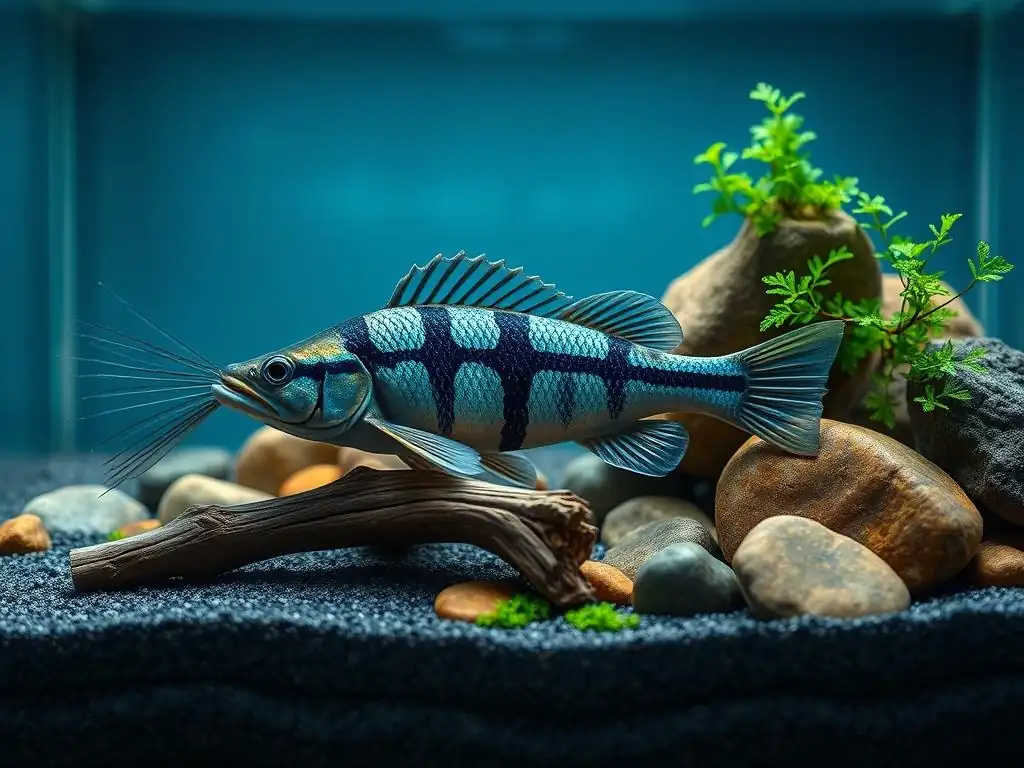
The initial step in selecting Dragon Stone for your aquarium is to thoroughly assess its size and shape, as these dimensions will dictate the scale and type of hardscape you can effectively create. For a tall, narrow tank, vertical Dragon Stone pieces can be used to emphasize height and create dramatic cliffs or peaks.
Conversely, a wide, shallow tank might benefit from more horizontal arrangements, mimicking plains, riverbeds, or sprawling rock formations. A general guideline suggests that the total volume of hardscape should ideally be between 15-25% of the tank's volume, though this can vary significantly based on the desired aquascaping style (e.g., Iwagumi often uses more, Dutch less).
It is crucial to avoid over-filling smaller tanks with too much stone, which can restrict swimming space for fish, make maintenance difficult, and overwhelm the visual balance. For instance, a 30-liter (approximately 8-gallon) nano tank might require only 2-3 kilograms of carefully chosen Dragon Stone to create a compelling layout. In contrast, a larger 200-liter (approximately 50-gallon) tank could comfortably accommodate 15-25 kilograms of Dragon Stone, allowing for more elaborate and expansive Hardscape aquarium design techniques. Understanding these limitations and possibilities is key to a successful hardscape.
Considering Your Fish and Plant Selection
The choice and arrangement of Dragon Stone must also take into account the specific fish and plants you intend to keep, ensuring their compatibility and well-being. For active swimmers like certain species of Tetras or Danios, it is vital to ensure ample open swimming space within the hardscape. Conversely, for bottom dwellers or cave-dwelling fish such as Corydoras or certain cichlids, the Dragon Stone should be arranged to provide smooth substrate areas for foraging and safe hiding spots without sharp edges that could cause injury.
Your plant selection will also heavily influence your Dragon Stone choice. If you plan to create a dense carpet, ensure there are sufficient flat areas of substrate around and between the stones for the plants to root and spread. If you intend to use numerous epiphytic plants like Anubias or Bucephalandra, select Dragon Stone pieces with plenty of natural holes, crevices, and textured surfaces for easy attachment. The Hardscape aquarium design techniques should seamlessly support both the aesthetic and biological needs of your chosen flora and fauna.
Selecting Dragon Stone Pieces that Complement Your Theme
Before purchasing Dragon Stone, it is highly beneficial to have a clear vision or "theme" for your aquascape. Whether you envision a rugged mountain range, a serene riverbed, an ancient ruin, or a dramatic cliff face, this theme will guide your selection process. Look for Dragon Stone pieces that inherently align with your chosen aesthetic in terms of their overall shape, texture, and character. Some pieces might naturally resemble miniature peaks, while others might have a more eroded, flowing form suitable for a riverine scene.
It is a common practice among experienced aquascapers to purchase more Dragon Stone than they initially anticipate needing, often 20-30% extra by weight. This provides invaluable flexibility during the layout process, allowing you to select the absolute best pieces and experiment with various angles and combinations. Unused pieces can often be returned to the supplier or saved for future projects. This strategic over-purchase ensures you have ample options to craft the perfect Hardscape aquarium design techniques that truly brings your vision to life.
Planning Your Dragon Stone Layout Before You Start
Meticulous planning of your Dragon Stone layout before filling your aquarium with water is a crucial step for achieving a successful aquascape. The most effective method is "dry-scaping," where you arrange the Dragon Stone pieces outside the tank. You can use a large piece of cardboard cut to the exact footprint of your aquarium, or even the empty tank itself, to experiment with different angles, heights, and compositions.
This allows for endless adjustments without the pressure of a wet tank, enabling you to visualize the final outcome. Take numerous photos of promising layouts from various angles to review and refine your design.
During this planning phase, consider all potential viewing angles. While most aquariums are primarily viewed from the front, if your tank is a room divider or accessible from multiple sides, plan for a 360-degree appeal. Ensure the stability of larger pieces, especially if stacking, by using aquarium-safe silicone to secure them together. This prevents collapses that could damage the tank or injure inhabitants once water is added. Thorough pre-planning is a hallmark of professional Hardscape aquarium design techniques, ensuring a stable, aesthetically pleasing, and safe environment.
Maintaining Your Dragon Stone: Ensuring Long-Term Beauty
Cleaning and Maintaining Dragon Stone
Maintaining the pristine appearance of your Dragon Stone is essential for the long-term beauty of your aquascape. Due to its porous and textured nature, Dragon Stone can accumulate detritus, food particles, and fish waste within its numerous crevices. During routine aquarium maintenance, such as weekly water changes, gently siphon around the base and between the stones to remove trapped waste. This prevents the buildup of organic matter, which can contribute to nutrient spikes and algae growth.
For more stubborn spots or minor algae buildup, a soft-bristled brush, like a dedicated aquarium brush or a clean toothbrush, can be used to gently scrub the surface of the Dragon Stone while the tank is partially drained. It is imperative to avoid using any harsh chemicals, soaps, or detergents, as these are highly toxic to aquatic life and can leach harmful substances into the water.
If a stone needs a deep clean outside the tank, a diluted solution of hydrogen peroxide (e.g., 1:1 with water) can be used, followed by thorough rinsing and a prolonged soak in dechlorinated water before reintroduction to ensure all residues are removed.
Preventing Algae Growth on Dragon Stone
Preventing algae growth on Dragon Stone is a key aspect of maintaining its aesthetic appeal and is largely dependent on managing water parameters and lighting. The primary culprits for algae outbreaks are excess nutrients (particularly nitrates and phosphates) and imbalanced lighting. To combat this, maintain a consistent water change schedule, typically 25-30% weekly, to dilute nutrient concentrations. Ensure your filtration system is robust and well-maintained to efficiently remove waste. Regularly testing your water parameters (e.g., weekly or bi-weekly) will help you monitor nutrient levels and respond proactively.
Optimizing your lighting duration and intensity is also crucial. For most planted aquariums, 6-8 hours of light per day is sufficient. Excessive light, especially without adequate CO2 supplementation and nutrients for plants to consume, can trigger rapid algae proliferation on the porous surfaces of Dragon Stone. Introducing algae-eating invertebrates, such as Amano shrimp (Caridina multidentata) or Nerite snails, can provide a natural and effective method of controlling minor algae on the hardscape, contributing to the overall cleanliness and beauty of your Hardscape aquarium design techniques.
Adjusting Dragon Stone as Your Aquascape Evolves
An aquascape is a living, evolving environment, and as plants grow, fish mature, and your vision potentially shifts, minor adjustments to your Dragon Stone layout may become necessary. Smaller Dragon Stone pieces can often be carefully repositioned to accommodate plant growth, open up new swimming lanes for fish, or simply refine the aesthetic balance of the aquascape. This flexibility allows for ongoing artistic expression and adaptation to the dynamic nature of an aquatic ecosystem.
However, caution is paramount when moving larger Dragon Stone pieces. Always ensure the safety of your fish and other inhabitants by moving slowly and deliberately. Avoid disturbing the substrate excessively, as this can release trapped detritus and cause a temporary spike in water cloudiness or ammonia. If a significant overhaul is planned, it is often best to temporarily remove livestock and drain the tank partially to allow for stable and precise rearrangement of your Hardscape aquarium design techniques. This ensures the long-term stability and beauty of your underwater creation.
Dragon Stone Aquarium Design Inspiration: Examples and Case Studies
60cm Iwagumi Style Aquascape with Dragon Stone
A classic example of Hardscape aquarium design techniques using Dragon Stone is a 60cm (approximately 24x12x14 inches) Iwagumi style aquascape. This setup typically features a striking main Dragon Stone (Oyaishi) of about 20cm in height, positioned off-center according to the Rule of Thirds. Two smaller, complementary Dragon Stone pieces (Fukuishi and Soeishi) are arranged to support and harmonize with the Oyaishi, creating a sense of subtle movement and balance. The substrate is often a fine, light-colored cosmetic sand, contrasting beautifully with the dark, textured stones, with a foreground carpet of vibrant green Eleocharis 'Mini' (Dwarf Hairgrass).
The impact of such a design is profound: despite the relatively small tank size, the careful and deliberate placement of the Dragon Stone creates an immense sense of depth and a serene, minimalist aesthetic. The expansive negative space around the stones emphasizes their sculptural beauty and allows the intricate details of each piece to be fully appreciated. This type of aquascape showcases how powerful and artistic Hardscape aquarium design techniques can be, transforming a simple glass box into a captivating miniature landscape.
90cm Nature Style Aquascape with Dragon Stone and Stem Plants
A compelling case study in Hardscape aquarium design techniques is a 90cm (approximately 36x18x18 inches) Nature Aquarium focused on recreating a mountain stream or ancient forest. This design might feature a central Dragon Stone "mountain range" meticulously crafted from multiple pieces, with various peaks and valleys rising dramatically from a nutrient-rich aquasoil substrate. Creeping mosses and small Anubias species are carefully attached to the stones, mimicking natural growth on exposed rock faces and adding an aged, organic feel.
The integration of plants in this style is crucial for completing the naturalistic illusion. Tall, vibrant stem plants like Rotala 'H'ra' or Ludwigia repens 'Rubin' are densely planted in the background behind and around the Dragon Stone formations, creating a lush, verdant forest that provides a powerful contrast to the rugged hardscape. A winding path of fine, light-colored sand often leads from the foreground through the hardscape, drawing the eye deep into the scene and enhancing the overall sense of depth, creating a truly immersive and naturalistic underwater world.
120cm Dutch Style Aquascape with Dragon Stone Terraces
In a 120cm (approximately 48x20x20 inches) Dutch style aquascape, Dragon Stone is used with restraint but significant impact, often to create subtle terraces or low dividing walls for distinct plant groups. Unlike other styles where hardscape dominates, here the plants are the undisputed stars. A few carefully selected, relatively flat and broad pieces of Dragon Stone might be arranged to form gentle slopes or low-lying barriers, separating a vibrant patch of red Alternanthera reineckii from a textured group of green Cryptocoryne wendtii 'Brown'.
This design showcases a mosaic of plants with contrasting leaf shapes, colors, and heights, creating a lush, intricate tapestry. The Dragon Stone acts as an understated structural element, providing just enough visual anchor to prevent the dense planting from becoming chaotic. It helps define the boundaries between different plant species and adds a subtle natural texture without overpowering the vibrant plant display. This example perfectly illustrates how Hardscape aquarium design techniques, even when subtly applied, can enhance the complexity and organization of a plant-focused aquascape.
Conclusion: The Art of Dragon Stone in Aquascaping
Key Takeaways for Creating Stunning Underwater Vistas with Dragon Stone
Dragon Stone stands as an exceptional and highly versatile material in the world of aquascaping, offering unparalleled opportunities to create breathtaking underwater vistas. Its unique pitted texture, natural coloration, and inert nature make it ideal for crafting diverse landscapes, from minimalist Iwagumi to complex Nature Aquariums. Mastering Hardscape aquarium design techniques with Dragon Stone involves a deep understanding of its characteristics, combined with the application of fundamental artistic principles such as the Rule of Thirds, linear perspective, and the strategic use of negative space to create depth, perspective, and drama.
Ultimately, successful aquascaping with Dragon Stone is an art form that demands both technical skill and creative vision. It encourages experimentation with various layouts, a keen eye for detail, and the patience to allow the living ecosystem to evolve. With careful planning, strategic placement, and ongoing maintenance, Dragon Stone can transform an ordinary aquarium into an extraordinary underwater masterpiece, offering endless possibilities for expressing your artistic flair and creating a truly captivating aquatic environment.
Frequently Asked Questions
What are the key elements of hardscape in aquarium design?
The key elements are rocks, driftwood, and substrate. They are used to create the foundation and structure of your aquascape, mimicking natural environments.
How can I create depth in my hardscape aquarium design?
Use the rule of thirds to position key elements and create a sense of distance with smaller objects in the background and larger objects in the foreground.
What hardscape design techniques are best for a beginner?
Start with simple layouts like the Iwagumi style (using rocks) or the Dutch style (focusing on plants). Avoid overly complex structures to simplify maintenance and reduce potential problems.
How does water chemistry impact my hardscape choices?
Certain rocks, like limestone, can alter water pH and hardness. Choose materials that are compatible with the fish and plants you intend to keep in your aquarium.
What are some common troubleshooting issues with hardscape elements?
Issues include algae growth on hardscape, instability of structures, and leaching of unwanted substances into the water. Proper cleaning and selection of materials are crucial for prevention.
Final Reflection: The Enduring Art of Underwater Landscapes
The techniques explored in this article, focusing on hardscape aquarium design, are not merely aesthetic choices; they represent a profound understanding of natural principles applied to a miniature, aquatic world. In a time where biophilic design is increasingly recognized for its positive impact on well-being, the ability to create immersive and visually compelling underwater landscapes offers a powerful connection to nature, right within our homes and offices. This is more than just arranging rocks and wood; it's about crafting ecosystems that inspire awe and tranquility.
This art form has profoundly influenced how we perceive and interact with aquatic environments. The meticulous attention to detail, the careful consideration of perspective, and the dedication to recreating natural habitats within the confines of glass tanks speak volumes about our growing appreciation for the delicate balance of nature. As Jacques Cousteau famously said, The sea, once it casts its spell, holds one in its net of wonder forever.
This sentiment resonates deeply with the passion and dedication of aquascapers who strive to capture that wonder and share it with the world.
Now, consider the principles you've learned about hardscape aquarium design. How can you apply these lessons – the understanding of depth, perspective, and the power of natural materials – not only to your own aquariums but also to other areas of your life? Embrace the challenge of creating beauty and harmony in unexpected places. Let the art of sculpting underwater vistas inspire you to cultivate a deeper connection with nature and to bring a sense of tranquility and wonder into your everyday world.
Unveil Your Subaquatic Masterpiece!
Thank you for exploring the art of underwater hardscaping with us! We hope this article has inspired you to see your aquarium as a blank canvas, ready to be transformed into a breathtaking, dimensional landscape. Now, it's time to put that inspiration into action!
Here are a few ways to start sculpting your dream underwater vista:
- Prioritize planning: Sketch out your desired layout and experiment with different hardscape arrangements before you even get your hands wet. This is key to avoiding costly mistakes and achieving the perfect balance.
- Delve deeper: Explore aquascaping contests and galleries online for inspiration and fresh perspectives on creating depth and drama.
- Share your vision: Post your hardscape plan or initial layout on the Aquarium Mastery forum and solicit feedback from fellow aquascapers.
What unique hardscape element will you use to create a sense of depth and perspective in your next aquascape?