
From Amazon to Your Aquarium: Crafting Authentic Biotope Aquascapes That Thrive

Welcome to Aquarium Mastery!
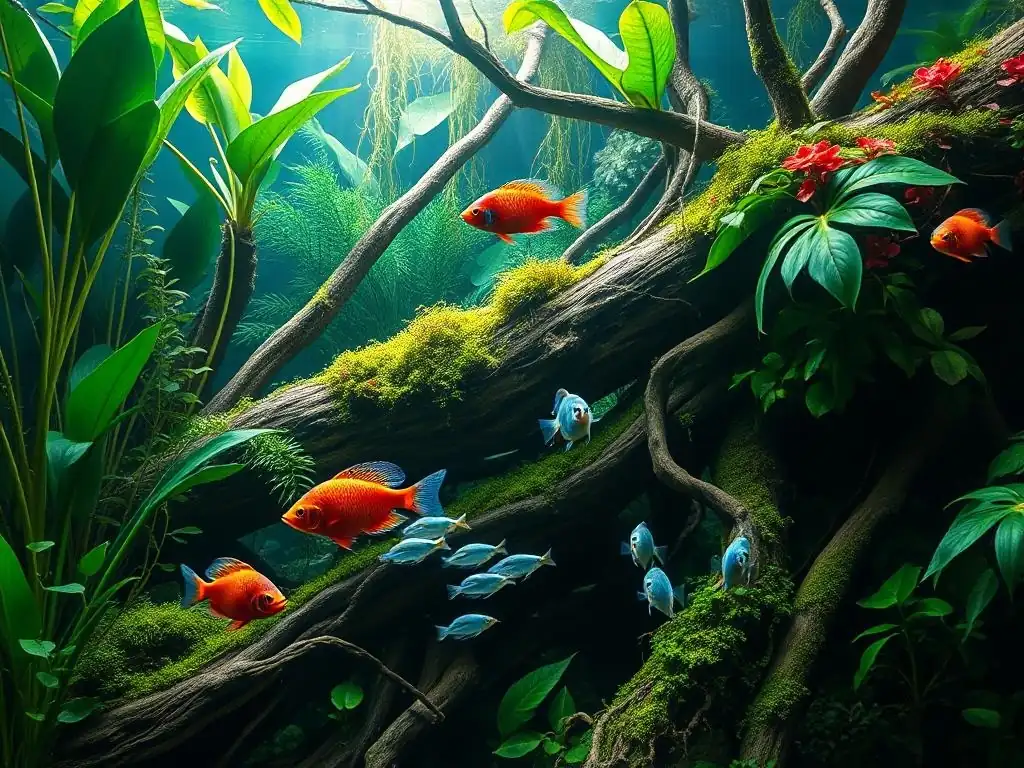
Ever dreamed of bringing the lush beauty of the Amazon River into your living room? Dive into our latest article and discover essential Amazon biotope aquarium landscaping tips that will transform your tank into a thriving underwater paradise. Uncover the secrets to creating an authentic and balanced ecosystem, and get ready to be amazed by the results! Intrigued? Keep reading to unlock the secrets of successful Amazon biotope aquascapes!
- Understanding Amazon Biotope Aquariums: Recreating the Natural Habitat
- Planning Your Amazon Biotope Aquascape: A Step-by-Step Guide
- Sourcing and Preparing Your Aquascaping Materials
- Setting Up Your Amazon Biotope Aquarium: A Practical Guide
- Maintaining Your Amazon Biotope Aquarium: Water Chemistry and Care
- Amazon Biotope Aquarium Landscaping Tips: Achieving Authenticity and Balance
- Advanced Amazon Biotope Aquascaping Techniques
- Showcasing Your Amazon Biotope Aquarium: Photography and Presentation
- Conclusion: The Rewarding Journey of Creating an Authentic Amazon Biotope Aquarium.
-
Frequently Asked Questions
- How do I choose the right plants for an Amazon biotope aquarium?
- What substrate should I use to replicate the Amazon riverbed?
- What fish are best suited for an Amazon biotope aquarium?
- How important is water chemistry for an Amazon biotope aquarium?
- What are some tips for recreating the Amazonian look in my aquarium?
- Final Reflection: Cultivating Miniature Ecosystems
- Ignite Your Aquatic Passion: Build Your Dream Biotope Now!
Understanding Amazon Biotope Aquariums: Recreating the Natural Habitat
What is a Biotope Aquarium? Defining the Concept
A biotope aquarium is a specialized aquatic environment meticulously designed to replicate a specific natural habitat found in the wild. This goes beyond merely aesthetic appeal; the primary goal is ecological accuracy, mimicking the water parameters, substrate, hardscape, plant species, and fish species native to a precise geographical location. For instance, an Amazon biotope aquarium aims to recreate a slice of the Amazon River basin, be it a slow-moving tributary, a flooded forest, or a specific blackwater creek.
The essence of a biotope tank lies in its commitment to providing an authentic environment for its inhabitants. This means not just selecting fish and plants from the same continent, but ideally from the exact same river system or even a specific stretch of that river. This dedication to natural accuracy provides an optimal, low-stress environment for the aquatic life, often encouraging more natural behaviors, including spawning.
Why Choose an Amazon Biotope Aquarium? Benefits and Considerations
Choosing an Amazon biotope aquarium offers a deeply rewarding experience for aquarists. Beyond the stunning visual appeal, it provides an unparalleled educational opportunity, allowing enthusiasts to learn about the intricate ecosystems of the Amazon firsthand. These setups often create a healthier, more stable environment for fish and plants, as all elements are naturally suited to the specific water chemistry and conditions. For example, many Amazonian fish, like Discus and Cardinal Tetras, thrive in the soft, acidic blackwater conditions that a well-executed biotope provides, exhibiting vibrant colors and natural behaviors often suppressed in general community tanks.
However, there are considerations. Crafting an authentic Amazon biotope requires significant research and commitment. Sourcing specific materials, such as particular types of driftwood or leaf litter, can be challenging. Maintaining the precise water parameters (e.g., very low pH and GH for blackwater biotopes) often necessitates the use of reverse osmosis (RO) or deionized (DI) water remineralized to exact specifications, rather than relying solely on tap water. The selection of fish and plant species is also limited to what is truly native to the chosen region, which may restrict the diversity compared to a general community tank.
Key Characteristics of the Amazon River Biotope: Water Parameters, Substrate, and Lighting
The Amazon River basin, the largest river system by discharge volume, exhibits a wide range of aquatic environments, each with distinct characteristics. However, common Amazon biotope aquarium landscaping tips often center around recreating the soft, acidic water prevalent in many areas, particularly blackwater tributaries like the Rio Negro. Water parameters typically range from a pH of 4.5 to 6.5, with very low general hardness (GH) and carbonate hardness (KH), often between 0-5 dGH/dKH. The electrical conductivity (EC) can be remarkably low, sometimes under 50 µS/cm in pristine blackwater environments.
The substrate in Amazonian biotopes is generally fine, inert sand, such as silica or play sand, which is safe for bottom-dwelling fish like Corydoras catfish. This sand often lies beneath a rich layer of organic material, including fallen leaves, twigs, and branches, which contribute to the water's characteristic tea-stained appearance and provide essential humic substances.
Lighting in these environments is typically subdued, filtered by a dense overhead rainforest canopy, leading to a preference for moderate to low light levels in the aquarium. This dim lighting not only replicates the natural habitat but also helps to reduce algae growth and stress for light-sensitive fish species.
Planning Your Amazon Biotope Aquascape: A Step-by-Step Guide
Researching the Specific Region of the Amazon: Rio Negro Biotope
The Amazon basin is immense and incredibly diverse, encompassing countless micro-habitats. To create a truly authentic Amazon biotope aquarium, it is crucial to narrow down your focus to a very specific region or even a particular type of water body within the basin. For example, recreating a "Rio Negro biotope" provides a clear framework. The Rio Negro, a major tributary, is famous for its distinct blackwater, characterized by extremely soft, acidic water (pH often 4.5-5.5), stained dark by humic acids from decomposing organic matter. Its riverbed is typically covered with fine sand, extensive leaf litter, and submerged driftwood.
Detailed research into your chosen region should cover its specific water chemistry, the types of substrate found, prevalent hardscape elements (e.g., specific wood types, lack of rocks), and the native flora and fauna. For a Rio Negro biotope, this would mean prioritizing blackwater aesthetics, using copious amounts of Indian Almond Leaves or similar leaf litter, and selecting fish like Cardinal Tetras ( Paracheirodon axelrodi), Discus ( Symphysodon spp. ), and various Apistogramma dwarf cichlids, all of which naturally inhabit these conditions. This precision in research is a fundamental Amazon biotope aquarium landscaping tip that ensures authenticity.
Selecting Appropriate Fish Species for Your Amazon Biotope
Once a specific Amazonian region is chosen, selecting fish species that are truly native to that area and compatible with each other is paramount for an authentic biotope. Avoid mixing species from widely disparate Amazonian sub-regions, even if they are all "Amazonian." The aim is to create a cohesive ecosystem where fish exhibit natural behaviors and thrive under the specific water parameters you are maintaining. For instance, fish from clearwater rivers like the Rio Xingu (e.g., Hypancistrus zebra plecos) might prefer different parameters than those from blackwater environments.
Consider the adult size of the fish, their territorial needs, and their schooling behaviors. Overstocking should be avoided, as it can lead to stress, aggression, and poor water quality. Ensure that the selected species share similar dietary requirements and temperament to foster a harmonious community.
Compatible Fish Species for a Small Amazon Biotope Aquarium
For smaller Amazon biotope aquariums, generally ranging from 10 to 30 gallons, selecting compact and peaceful fish species that thrive in soft, acidic conditions is key. Excellent choices include various Apistogramma dwarf cichlids, such as Apistogramma cacatuoides or Apistogramma agassizii, which are often kept in pairs or trios and appreciate ample hiding spots among driftwood and leaf litter. Small schooling fish like Dwarf Pencilfish ( Nannostomus marginatus or N. beckfordi), Ember Tetras ( Hyphessobry amandae), or Pygmy Corydoras ( Corydoras pygmaeus) are also ideal.
For example, a 15-gallon Amazon biotope could comfortably house a pair of Apistogramma cacatuoides along with a school of 8-10 Dwarf Pencilfish. These species are relatively small, with adult sizes typically under 2 inches, and their peaceful nature ensures compatibility within a limited space. They also benefit greatly from the blackwater conditions and abundant leaf litter characteristic of many Amazonian biotopes, enhancing their coloration and promoting natural foraging behaviors.
Larger Amazonian Fish for a Spacious Biotope Tank
For aquariums exceeding 50 gallons, the options for larger, more impressive Amazonian fish species expand considerably. Discus ( Symphysodon spp.) are quintessential Amazonian inhabitants, known for their stunning colors and graceful movements. A group of 4-6 Discus typically requires a tank of at least 75-100 gallons to thrive, as they are schooling fish that appreciate ample swimming space and stable water parameters. Angelfish ( Pterophyllum spp.) are another popular choice, requiring at least 40 gallons for a small group.
Other suitable larger species include various Geophagus cichlids (e.g., Geophagus altifrons), which are excellent substrate sifters and can grow to 8-10 inches, necessitating tanks of 75 gallons or more. Larger schooling tetras like Lemon Tetras ( Hyphessobrycon pulchripinnis) or Black Phantom Tetras ( Hyphessobrycon megalopterus) can add dynamic movement to the mid-water column, often kept in schools of 10 or more in tanks over 30 gallons. When planning your Amazon biotope aquarium landscaping tips, remember that the chosen fish dictates the minimum tank size and the specific layout elements required for their well-being.
Choosing the Right Plants for an Authentic Amazon Biotope Aquascape
The flora of the Amazon basin is incredibly diverse, ranging from submerged aquatic plants to emergent and riparian species. For an authentic Amazon biotope aquarium, selecting plant species that are truly native to the region and thrive under the specific water conditions you are maintaining is crucial. Many Amazonian aquatic plants are adapted to soft, acidic water and often moderate to low light levels, reflecting their natural habitat under the dense rainforest canopy.
Avoid using plants from other continents, even if they are commonly available in the aquarium trade and visually appealing. The goal is to maintain geographical accuracy. Prioritize species that offer both aesthetic appeal and functional benefits, such as providing hiding spots for fish, contributing to oxygenation, and absorbing nitrates.
Essential Amazonian Plant Species for Aquascaping
Several plant species are indispensable for creating an authentic Amazon biotope aquascape. Echinodorus species, commonly known as Amazon Swords, are perhaps the most iconic. Varieties like Echinodorus amazonicus, E. bleheri (also known as E. paniculatus), and E. uruguayensis are robust, low-maintenance plants that serve as excellent background or focal point plants, providing broad leaves for fish to hide among or spawn on. They are heavy root feeders and benefit from nutrient-rich substrates or root tabs.
Other native Amazonian plants include Cabomba aquatica, a delicate stem plant that adds fine texture and thrives in moderate light, and various Nymphaea (water lilies) species, such as Nymphaea rubra or N. lotus (red tiger lotus), which can add dramatic color and floating leaves. Hydrocotyle leucocephala (Brazilian Pennywort), a fast-growing stem plant, can be used as a floating plant or rooted in the substrate, providing excellent cover. For a natural Amazon biotope aquarium landscaping tip, consider using these plants to create a layered effect, mimicking the complex plant communities found in the wild.
Alternatives to Native Amazonian Plants: Considerations and Options
While strict adherence to native Amazonian plants is ideal for a true biotope, there are situations where aquarists might consider alternatives due to availability, specific growth requirements, or personal preference. However, it is important to acknowledge that using non-native species compromises the strict authenticity of the biotope. If alternatives are used, they should ideally blend seamlessly with the Amazonian aesthetic and thrive under the same water parameters.
For instance, while not native to the Amazon, some Cryptocoryne species (from Asia) or Anubias species (from Africa) are sometimes used in "Amazon-style" tanks due to their hardiness and ability to thrive in low light. However, for a true Amazon biotope, these should be avoided. If a particular effect is desired and a native Amazonian plant isn't available, one might opt for a visually similar, widely available plant, but always with the caveat that it detracts from the biotope's purist definition. The best Amazon biotope aquarium landscaping tips emphasize using plants like Echinodorus, Cabomba, and Hydrocotyle for genuine authenticity.
Sourcing and Preparing Your Aquascaping Materials
Selecting Natural Hardscape Elements: Wood, Rocks, and Leaf Litter
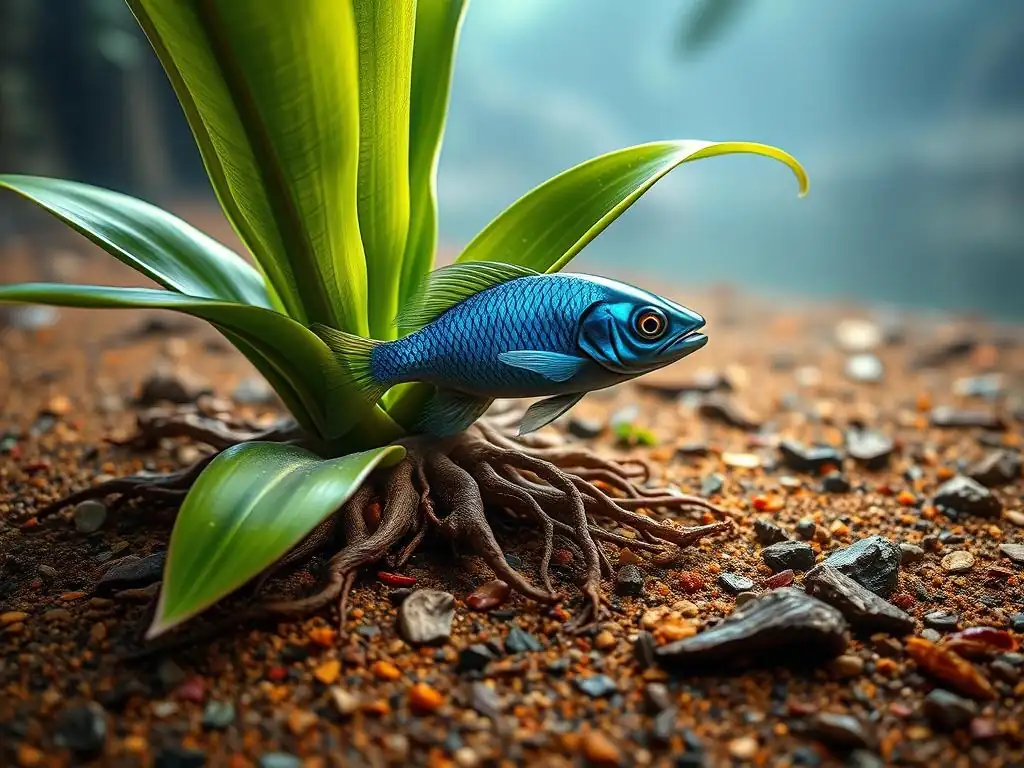
The hardscape forms the backbone of any aquascape, and for an Amazon biotope, natural elements are paramount. The focus should be on replicating the specific geological and botanical features of your chosen Amazonian region. This primarily means a significant emphasis on various types of wood and abundant leaf litter, with rocks being used sparingly, if at all, as they are less common in many Amazonian riverbeds, especially blackwater areas.
When selecting materials, ensure they are aquarium-safe and free from pesticides or chemicals. Wild-collected materials should be properly sterilized to prevent the introduction of pathogens or unwanted organisms. The overall composition should create a sense of natural flow and provide ample hiding spots and territories for the fish, aligning with effective Amazon biotope aquarium landscaping tips.
Types of Wood Suitable for Amazon Biotope Aquariums
Wood is a cornerstone of most Amazon biotope aquariums, mimicking the fallen trees and branches that are ubiquitous in Amazonian rivers and flooded forests. Excellent choices include Malaysian driftwood, Manzanita wood, and Spider wood (also known as Redmoor wood). These types of wood are dense, sink relatively quickly, and release tannins, which are essential for creating the characteristic blackwater effect and lowering pH. Cholla wood, while less common for main hardscape, can be used for smaller details or as a natural hiding spot for smaller fish and invertebrates.
Before adding wood to your aquarium, it's crucial to prepare it. Boil the wood for several hours, or soak it for several weeks (changing the water daily), to help it become waterlogged and sink, and to leach out excess tannins. While some tannin release is desired for a blackwater effect, excessive leaching can make the water too dark too quickly. Boiling also sterilizes the wood, killing off any potential pathogens or unwanted organisms.
Choosing Rocks That Mimic the Amazon Riverbed
Rocks are far less prominent in many Amazonian biotopes, particularly in the soft, sandy, and heavily vegetated areas or blackwater environments. If rocks are used, they should be chosen carefully to reflect the natural geology of the region and should not significantly alter water chemistry. Avoid limestone or other carbonate-based rocks, as they will raise pH and hardness, which is contrary to the soft, acidic conditions preferred by most Amazonian fish.
Instead, opt for inert, smooth, and rounded river stones or petrified wood fragments that mimic the occasional rocky outcrops or scattered pebbles found in some Amazonian tributaries. Basalt, slate, or neutral quartz rocks are generally safe choices. When incorporating rocks, remember that the most authentic Amazon biotope aquarium landscaping tips suggest using them very sparingly, if at all, to maintain the natural aesthetic of a predominantly wood and leaf litter-dominated environment.
Preparing Leaf Litter for a Realistic Amazon Biotope
Leaf litter is not just an aesthetic addition to an Amazon biotope; it is a fundamental component that profoundly influences water chemistry, provides a natural food source, and creates essential hiding spots. In the wild, countless leaves fall from the rainforest canopy into the rivers, decomposing and releasing beneficial humic substances. Replicating this in the aquarium is crucial for authenticity and the well-being of the inhabitants.
The Role of Leaf Litter in Water Chemistry and Ecosystem
Leaf litter, particularly Indian Almond Leaves (Catappa leaves), Guava leaves, or dried Oak and Maple leaves (ensuring they are pesticide-free), plays a vital role in an Amazon biotope. As they decompose, these leaves release tannins and humic acids into the water. These compounds naturally lower the pH and soften the water, mimicking the soft, acidic conditions found in blackwater Amazonian rivers. This chemical alteration is highly beneficial for fish species adapted to these environments, reducing stress, enhancing coloration, and promoting natural behaviors.
Beyond water chemistry, leaf litter fosters a micro-ecosystem. It provides a substrate for beneficial bacteria and fungi to colonize, forming a biofilm that serves as a natural food source for many fish (e.g., Otocinclus catfish, Apistogramma cichlids) and invertebrates. It also offers excellent hiding places and visual barriers for shy fish, contributing to a more secure and natural environment.
Approximately 5-10 medium-sized Indian Almond Leaves per 10 gallons can be added initially, with new leaves replaced every few weeks as old ones break down. Always boil or thoroughly rinse leaves before adding them to the tank to sterilize them and help them sink.
Substrate Selection for Optimal Plant Growth and Water Quality
The substrate is a critical foundation for any aquascape, impacting both the aesthetic and the biological health of the aquarium. For an Amazon biotope, the choice of substrate is particularly important for replicating the natural riverbed and supporting the specific needs of Amazonian plants and fish. The most authentic Amazon biotope aquarium landscaping tips emphasize using fine, inert materials that are safe for bottom-dwelling species and won't significantly alter water parameters in undesirable ways.
Recommended Substrate Types for Amazon Biotope Aquariums
The most recommended substrate for an Amazon biotope aquarium is fine, inert sand, such as silica sand, play sand, or pool filter sand. These sands are typically light in color, mimicking the natural riverbeds, and are smooth, which is crucial for the delicate barbels of bottom-dwelling fish like Corydoras catfish, preventing injury as they forage. Inert sand will not alter water chemistry, allowing the aquarist precise control over parameters using other methods like RO/DI water and blackwater extracts.
Alternatively, for setups heavily focused on planted Amazonian species like Echinodorus (Amazon Swords), an aquatic plant soil (aqua soil) can be used. Brands like ADA Amazonia or Fluval Stratum are designed to buffer pH down and provide essential nutrients for plant roots. If using aqua soil, it's often advisable to cap it with a layer of fine inert sand. This provides a more natural aesthetic, prevents the aqua soil from clouding the water, and protects the sensitive barbels of bottom-dwelling fish from coarser aqua soil granules.
Setting Up Your Amazon Biotope Aquarium: A Practical Guide
Assembling the Hardscape: Creating a Natural Layout
Assembling the hardscape is one of the most creative and crucial steps in designing your Amazon biotope aquarium. The goal is to arrange wood, rocks (if used), and leaf litter in a way that mimics the natural flow and structure of an Amazonian waterway. Begin by placing the largest pieces of driftwood first, establishing the main framework. Consider creating a sense of depth by placing larger elements towards the back and sides, and smaller pieces or branches towards the front. Use the natural shapes of the wood to suggest fallen trees, submerged roots, or intricate branch systems.
Focus on creating visual interest and functional spaces. Overlapping pieces of wood can form natural caves and hiding spots, which are essential for shy fish like Apistogramma species. When incorporating Amazon biotope aquarium landscaping tips, think about how light might filter through the canopy; arrange wood to create areas of shade and dappled light. Avoid symmetrical arrangements; nature is inherently asymmetrical. Once the main hardscape is set, scatter leaf litter naturally around the base of the wood and across the open sand areas, allowing it to settle organically.
Planting Techniques for Amazonian Aquatic Plants
Once the hardscape is in place, it's time to introduce your chosen Amazonian aquatic plants. Proper planting techniques ensure their healthy growth and contribute to the overall natural aesthetic. For rooted plants like Echinodorus (Amazon Swords), carefully trim any damaged roots and plant them firmly into the substrate, ensuring the crown (where leaves emerge from roots) is not buried, as this can lead to rot. If using aqua soil, simply push the roots into the nutrient-rich substrate. If using inert sand, consider placing a root tab near the base of heavy root feeders to provide essential nutrients.
Stem plants such as Cabomba aquatica or Hydrocotyle leucocephala should be planted in bunches of 3-5 stems, with enough space between bunches for light and water circulation. Use tweezers to gently insert the stems into the substrate.
Some plants, like certain mosses or small epiphytes (though less common in Amazonian biotopes, if used for aesthetic, for instance, Java Moss which is Asian, can be tied onto driftwood or rocks using cotton thread or super glue gel until they attach naturally. Remember to plant taller species at the back, mid-ground plants in the middle, and shorter plants or open sand areas in the foreground to create depth and perspective, a key element in effective Amazon biotope aquarium landscaping tips.
Establishing the Nitrogen Cycle in Your Biotope Aquarium
Establishing a robust nitrogen cycle is the single most critical step before introducing any fish into your Amazon biotope aquarium. This biological process converts toxic ammonia (from fish waste, uneaten food, and decaying organic matter) into less harmful nitrate. It involves two main types of beneficial bacteria: Nitrosomonas bacteria convert ammonia to nitrite, and Nitrobacter bacteria convert nitrite to nitrate. Both ammonia and nitrite are highly toxic to fish, while nitrate is less so and can be removed through regular water changes.
The cycling process typically takes 4-6 weeks for a new aquarium. This can be done using a "fishless cycle" method, where a small amount of ammonia (either pure liquid ammonia or decaying fish food) is added daily to feed the bacteria until the tank can process 2-4 ppm of ammonia and nitrite to zero within 24 hours.
During this period, regularly test your water parameters (ammonia, nitrite, nitrate, pH) using a reliable test kit (e.g., API Freshwater Master Test Kit). Adding a bacterial starter product can help accelerate the cycling process, but patience is key to a stable and healthy biotope.
Introducing Fish to Your Amazon Biotope: Acclimation and Best Practices
Once your Amazon biotope aquarium has fully cycled and water parameters are stable and within the desired range for your chosen species (e.g., soft, acidic water for Discus or Cardinal Tetras), you can begin introducing fish. Acclimation is a crucial step to minimize stress and prevent shock from changes in water chemistry and temperature. For sensitive Amazonian species, the drip acclimation method is highly recommended. This involves slowly dripping tank water into the bag containing the fish over an hour or more, gradually equalizing the parameters.
Introduce fish slowly, in small groups, over several weeks rather than adding all inhabitants at once. This allows your biological filter to gradually adjust to the increased bioload and helps prevent ammonia or nitrite spikes. For instance, if you plan to keep a school of 20 Cardinal Tetras, introduce 5-7 at a time over 2-3 weeks. Observe your fish closely for any signs of stress, disease, or aggression during the initial days. Providing ample hiding spots from your Amazon biotope aquarium landscaping tips will help new fish feel secure and reduce stress during this critical period.
Maintaining Your Amazon Biotope Aquarium: Water Chemistry and Care
Monitoring Water Parameters: pH, GH, KH, and Ammonia
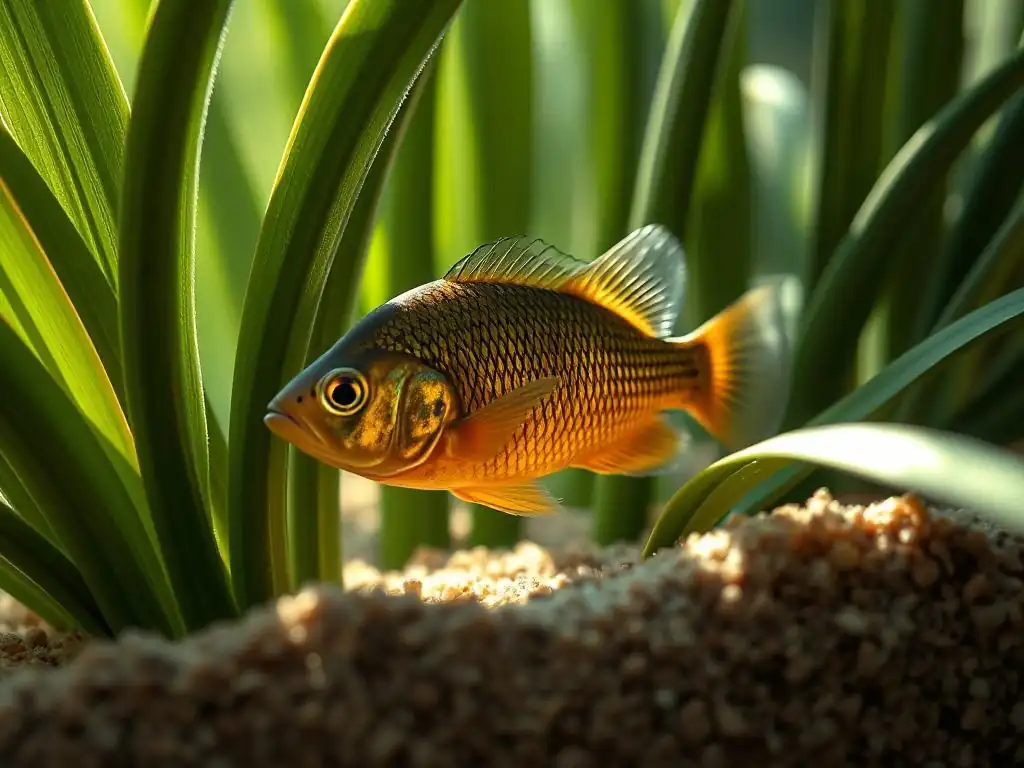
Consistent monitoring of water parameters is paramount for the long-term health and stability of an Amazon biotope aquarium. For most Amazonian setups, especially blackwater environments, the focus is on maintaining soft, acidic water. Regularly test pH, aiming for a range of 4.5 to 6.5, depending on the specific biotope replicated. General Hardness (GH) and Carbonate Hardness (KH) should be kept very low, ideally between 0-3 dGH/dKH. These low hardness levels are crucial for the well-being of many Amazonian fish and plants.
In addition to hardness and pH, it is vital to regularly test for nitrogenous compounds: ammonia, nitrite, and nitrate. Ammonia and nitrite should always be at 0 ppm, indicating a healthy and fully cycled biological filter. Nitrate levels should be kept below 20 ppm through regular water changes and healthy plant growth. Consistent monitoring allows for early detection of issues and timely intervention, ensuring your Amazon biotope remains a thriving ecosystem.
Water Changes and Filtration for a Healthy Amazon Biotope
Regular water changes are fundamental to maintaining pristine water quality in an Amazon biotope aquarium. They replenish essential trace elements, remove accumulated nitrates, and dilute pollutants. For most Amazonian setups, a weekly water change of 20-30% is a good general guideline. For tanks housing sensitive species like Discus, or those with a higher bioload, more frequent smaller changes (e.g., 10-15% twice a week) might be beneficial. When performing water changes, ensure the replacement water matches the tank's parameters (temperature, pH, GH/KH) as closely as possible, especially if using RO/DI water remineralized to specific levels.
Filtration is equally important. A good canister filter provides excellent mechanical, chemical (if needed, though activated carbon can remove tannins which are desirable), and biological filtration. Sponge filters are also excellent for Amazon biotopes, especially for breeding tanks or tanks with delicate fry, as they provide gentle flow and robust biological filtration without creating strong currents. The goal is to maintain clear water with appropriate flow without disturbing the natural tranquility of the Amazonian environment.
Feeding Your Amazonian Fish: Replicating Their Natural Diet
Replicating the natural diet of your Amazonian fish is crucial for their health, coloration, and natural behaviors. The Amazon basin supports a wide variety of fish with diverse dietary needs, from herbivores to carnivores and omnivores. Research the specific dietary requirements of each species in your biotope. For example, many tetras and dwarf cichlids are omnivores, benefiting from a varied diet.
A high-quality staple flake or pellet food should form the base of their diet. Supplement this with frozen foods such as bloodworms, brine shrimp, daphnia, and mysis shrimp, which provide essential proteins and nutrients. Live foods, if sourced safely, can also be offered periodically to encourage natural hunting behaviors. Herbivorous species like Otocinclus catfish will graze on algae and appreciate blanched vegetables (e.g., zucchini, spirulina wafers). When feeding, provide small amounts multiple times a day rather than a single large feeding, as this mimics their natural foraging patterns and reduces waste.
Pruning and Plant Maintenance: Keeping Your Aquascape Thriving
Maintaining the plant health within your Amazon biotope aquarium is essential for both aesthetic appeal and the overall ecosystem balance. Regular pruning prevents plants from becoming overgrown, which can block light to lower leaves, create excessive shading, and lead to decaying plant matter that negatively impacts water quality. For stem plants like Cabomba, simply trim the tops and replant them to propagate, or discard the trimmed sections. For Echinodorus species, remove older, yellowing, or damaged leaves at the base to encourage new growth.
Beyond pruning, monitor your plants for signs of nutrient deficiencies (e.g., yellowing leaves, stunted growth) and address them with appropriate liquid fertilizers for water column feeders or root tabs for heavy root feeders. Ensure adequate CO2 if you are running a high-tech planted tank, though many Amazonian plants thrive in lower CO2 environments. Regularly remove any decaying plant matter or excess leaf litter that has completely broken down to prevent ammonia spikes and maintain water clarity. This diligent plant care is a vital Amazon biotope aquarium landscaping tip for a flourishing aquascape.
Amazon Biotope Aquarium Landscaping Tips: Achieving Authenticity and Balance
Creating Depth and Perspective in Your Aquascape
Creating a sense of depth and perspective is a fundamental Amazon biotope aquarium landscaping tip that transforms a flat glass box into a captivating, immersive underwater scene. This is achieved through strategic placement of hardscape and plants, often leveraging principles like the rule of thirds and vanishing points. Place larger, more prominent pieces of driftwood in the foreground or mid-ground, slightly off-center, to act as focal points. Use smaller pieces and branches to extend these focal points towards the background, creating a sense of distance.
Plant layering is crucial: taller, denser plants (like large Echinodorus species) should be placed at the back, gradually transitioning to shorter plants or open sand areas in the foreground. Utilizing negative space – areas intentionally left open – can draw the eye and emphasize the main elements. Additionally, arranging driftwood to create converging lines that lead towards a single point in the background can enhance the illusion of depth, mimicking the vastness of a natural river.
Utilizing Lighting to Mimic the Amazon Rainforest Canopy
The lighting in an Amazon biotope aquarium should be carefully selected to mimic the subdued, dappled light that filters through the dense rainforest canopy. Unlike high-tech planted tanks that require intense light, most Amazonian plants and fish thrive under moderate to low light conditions. Excessive light can lead to rapid algae growth and stress for light-sensitive fish like Discus or Cardinal Tetras, which naturally inhabit dimly lit blackwater environments.
Modern LED lights with adjustable spectrum and intensity are ideal for this purpose. You can choose a setting that emphasizes warmer tones (reds and yellows) to enhance the blackwater effect and bring out the colors of your fish. Consider adding floating plants like Amazon Frogbit ( Limnobium laevigatum) or Red Root Floaters ( Phyllanthus fluitans) to diffuse the light further, creating natural shadows and providing additional cover for fish. A programmed light cycle, typically 8-10 hours, with a gradual ramp-up and ramp-down (dawn/dusk simulation), can further enhance the natural feel and reduce stress on the inhabitants.
Simulating Water Flow for a Natural Environment
The simulation of appropriate water flow is a subtle yet impactful Amazon biotope aquarium landscaping tip. While some Amazonian rivers have strong currents, many of the biotopes commonly replicated in aquariums, particularly blackwater tributaries and flooded forest areas, feature relatively slow to moderate water movement. The goal is to create gentle, consistent currents that mimic natural flow without creating excessive turbulence or strong currents that would stress fish adapted to calmer waters.
Position your filter outflow (e.g., from a canister filter or hang-on-back filter) to create a gentle circulation throughout the tank, ensuring there are no stagnant areas where debris can accumulate. For larger tanks, a small, adjustable powerhead can be used to augment circulation, but ensure its output is diffused or directed to avoid a direct, strong blast of water. The flow should be sufficient to move leaf litter gently and distribute nutrients to plants, but not so strong that it pushes fish around or uproots plants.
Troubleshooting Common Issues in Amazon Biotope Aquariums
Even with meticulous planning, issues can arise in an Amazon biotope aquarium. Common problems include algae outbreaks, fish disease, and cloudy water. Algae, often green or brown, is typically a symptom of an imbalance in light, nutrients, or CO2. For blackwater setups, too much light (duration or intensity) is a common culprit; try reducing your light cycle to 8 hours or lowering intensity. Ensure regular water changes are removing excess nutrients.
Fish diseases often stem from poor water quality, unstable parameters, or stress. Consistent monitoring of pH, GH, KH, ammonia, nitrite, and nitrate is crucial. If parameters fluctuate, identify the cause (e.g., insufficient water changes, overfeeding, or a dying filter) and correct it. Cloudy water can indicate a bacterial bloom (common in new tanks or after a large disturbance), overfeeding, or inadequate filtration. Addressing the root cause—be it reducing feeding, increasing water changes, or cleaning/upgrading filtration—is key. Patience and observation are your best tools for troubleshooting.
Advanced Amazon Biotope Aquascaping Techniques
Blackwater Extracts and Their Impact on Water Chemistry
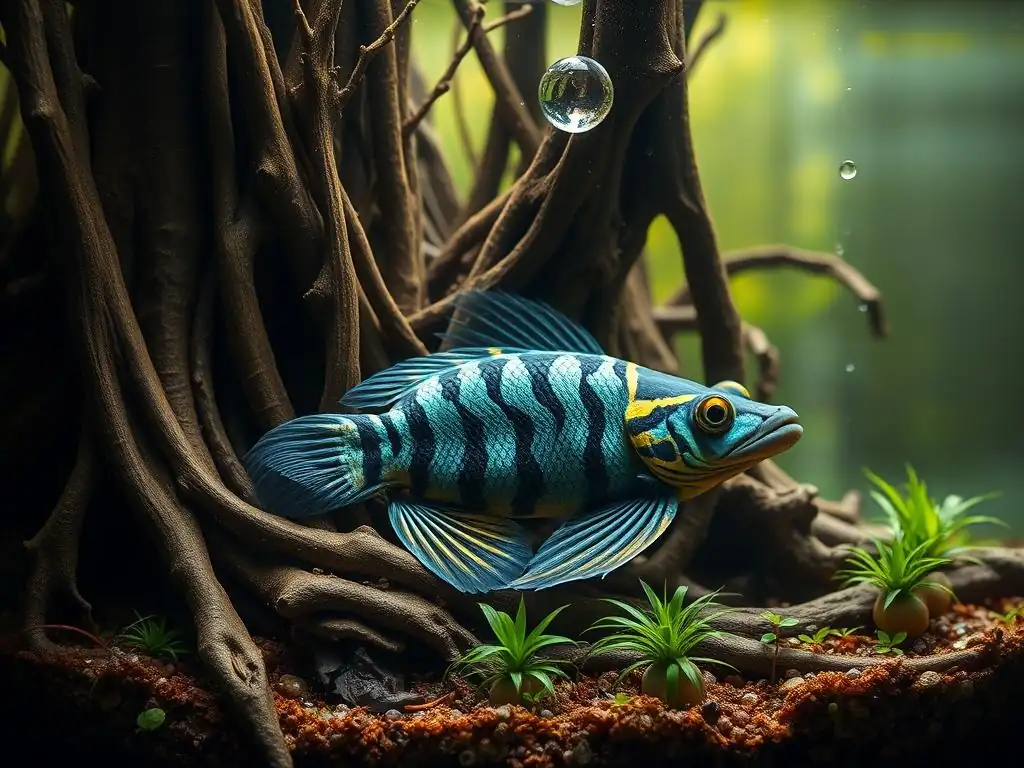
For aquarists aiming for the purest Amazon blackwater biotope, commercially available blackwater extracts offer a consistent and controlled method to achieve the desired water chemistry and visual aesthetic. These extracts are typically concentrated solutions of humic and fulvic acids, often derived from peat or specialized plant extracts. Unlike relying solely on leaf litter and driftwood, which can be inconsistent in their tannin release, blackwater extracts allow for precise dosing to maintain a stable low pH and low general hardness (GH), mimicking the soft, acidic waters of the Rio Negro or other blackwater tributaries.
The impact on water chemistry is significant: they buffer the water, preventing pH swings, and contribute to the characteristic tea-stained appearance. Beyond aesthetics, the humic substances in these extracts are highly beneficial for fish health. They have mild antiseptic properties, reduce stress by mimicking natural conditions, and can enhance the vibrant coloration of species like Cardinal Tetras and Discus. For example, products like Seachem Discus Trace or various peat granules slowly release these beneficial compounds, creating an ideal environment.
Cultivating Microfauna for a Balanced Ecosystem
A truly authentic Amazon biotope extends beyond just fish and plants to include the cultivation of beneficial microfauna. These microscopic organisms and small invertebrates (such as copepods, ostracods, and various detritivores) play a crucial role in a balanced, self-sustaining ecosystem. They break down organic waste, process uneaten food, and contribute to the nutrient cycle, effectively acting as a natural clean-up crew. Furthermore, they provide a continuous, natural food source for many smaller fish species, promoting natural foraging behaviors.
Encouraging microfauna involves providing ample surface area for biofilm growth, such as on driftwood, leaf litter, and plant leaves. Avoiding harsh chemical treatments and maintaining stable, pristine water parameters also supports their proliferation. Introducing small, non-predatory invertebrates like various types of freshwater snails (e.g., Ramshorn snails) can further aid in detritus consumption. A thriving microfauna population is a strong indicator of a healthy, mature biotope that closely mimics its wild counterpart.
Breeding Fish in Your Amazon Biotope Aquarium: Creating Optimal Conditions
One of the most rewarding aspects of a well-established Amazon biotope aquarium is the potential for breeding its inhabitants. Many Amazonian fish, particularly dwarf cichlids ( Apistogramma spp. ), Angelfish ( Pterophyllum spp. ), and even Discus ( Symphysodon spp. ), will attempt to spawn when provided with optimal conditions that closely replicate their natural breeding grounds. The soft, acidic water parameters, abundant hiding spots, and appropriate hardscape elements of a biotope tank are inherently conducive to breeding.
For Apistogramma species, providing small caves (e.g., coconut shells, clay pots, or crevices within driftwood) is essential for egg laying and fry rearing. Angelfish and Discus prefer broad, vertical surfaces like large Echinodorus leaves or flat pieces of slate. Maintaining stable water parameters, offering a varied and protein-rich diet, and ensuring minimal stress are crucial. For some species, a slight increase in temperature or a small, daily cool water change can trigger spawning. Observing breeding behaviors and raising fry in a biotope setting provides an unparalleled connection to the natural world.
Showcasing Your Amazon Biotope Aquarium: Photography and Presentation
Capturing the Beauty of Your Amazonian Aquascape
Once your Amazon biotope aquarium has matured and reached its full splendor, capturing its beauty through photography allows you to share your achievement and preserve memories. Effective aquarium photography requires attention to a few key details. First, ensure the glass is impeccably clean, both inside and out, free from algae, water spots, or fingerprints. Use a tripod to minimize camera shake and ensure sharp images.
Lighting is crucial: turn off room lights and use your aquarium's main lights, possibly supplemented by external LED lights directed at the tank, to highlight features and bring out fish colors. Avoid using a flash directly on the glass, as it will cause glare. Shoot during the fish's active periods, often morning or evening. Focus on composition, using the Amazon biotope aquarium landscaping tips you employed to create depth and focal points, guiding the viewer's eye through the scene. Experiment with different angles and settings to capture the intricate details of your meticulously crafted underwater world.
Sharing your Amazon biotope aquarium with the wider aquascaping community is a fantastic way to celebrate your success, receive feedback, and inspire others. Online platforms such as dedicated aquascaping forums (e.g., The Barr Report, plantedtank.net), social media groups (Facebook groups for biotope aquariums or general aquascaping), and specialized websites (like Aquarium Mastery itself) are excellent venues for sharing photos and videos.
Consider entering biotope aquascaping contests, such as the Biotope Aquarium Design Contest (BADCT), which specifically celebrates setups that accurately replicate natural habitats. Participating in these communities allows you to connect with fellow enthusiasts, learn new techniques, and contribute to the collective knowledge of aquarium keeping. Your meticulously designed Amazon biotope can serve as an educational tool, raising awareness about the importance of conservation and the intricate beauty of the Amazonian ecosystem.
Conclusion: The Rewarding Journey of Creating an Authentic Amazon Biotope Aquarium.
The journey of crafting an authentic Amazon biotope aquarium is a deeply rewarding endeavor that transcends typical aquarium keeping. It is a commitment to ecological accuracy, a testament to patience, and a continuous learning experience. From the initial meticulous research into specific Amazonian regions and their unique characteristics, through the careful selection of native fish and plants, to the strategic placement of hardscape elements and the diligent maintenance of precise water parameters, every step contributes to a living, breathing miniature ecosystem.
The payoff is immense: a stunningly beautiful and dynamic aquascape that not only captivates the eye but also provides an optimal environment for its inhabitants, often encouraging natural behaviors, enhanced coloration, and even successful breeding. The process itself deepens your understanding of aquatic biology and the intricate balance of nature. Ultimately, creating an Amazon biotope is more than just setting up a fish tank; it is about bringing a piece of the Amazon rainforest into your home, offering a unique and profoundly satisfying connection to one of the world's most vital natural wonders.
Frequently Asked Questions
How do I choose the right plants for an Amazon biotope aquarium?
Select plants that are native to the Amazon region or closely resemble them. Echinodorus (Amazon Sword) and Cabomba are popular choices, ensuring your aquascape mimics the natural environment of the biotope.
What substrate should I use to replicate the Amazon riverbed?
A mix of fine gravel and aquarium-safe sand works well. Consider adding leaf litter, such as dried Indian Almond leaves, to replicate the tannin-rich waters and provide shelter for fish.
What fish are best suited for an Amazon biotope aquarium?
Choose fish species native to the Amazon River basin. Cardinal tetras, Discus, and Corydoras catfish are popular and readily available examples that thrive in these conditions.
How important is water chemistry for an Amazon biotope aquarium?
Maintaining the correct water parameters is crucial for success. Aim for slightly acidic water (pH 6.0-7.0) and soft water conditions, replicating the natural environment of the Amazon.
What are some tips for recreating the Amazonian look in my aquarium?
Use driftwood and rocks to create natural-looking hardscape. Arrange plants in clusters, mimicking how they grow in the wild. And don't forget leaf litter to add authenticity and beneficial tannins.
Final Reflection: Cultivating Miniature Ecosystems
The journey from the vast Amazon rainforest to the confines of a home aquarium might seem improbable, yet the principles of biotope aquascaping reveal a profound connection. Understanding and replicating the natural environment of aquatic species is not merely a hobby, but a commitment to responsible and informed fishkeeping. By embracing the intricacies of the Amazonian ecosystem, we can create thriving aquatic havens that reflect the beauty and balance of the natural world.
This exploration into Amazon biotope aquascapes has underscored the power of observation and the importance of mimicking nature's design. The dedication required to research and recreate these environments fosters a deeper appreciation for the delicate balance of aquatic ecosystems and our role in their preservation. In nature, nothing is perfect and everything is perfect. Trees can be contorted, bent in weird ways, and they're still beautiful.
- Alice Walker. This quote reminds us that even the seemingly imperfect elements of a natural biotope contribute to its overall harmony and resilience, a lesson applicable to our own aquascaping endeavors.
As you contemplate the possibilities of crafting your own Amazon biotope aquarium, remember that the most rewarding aspect lies not just in the aesthetic appeal, but in the creation of a sustainable and thriving ecosystem. Let the knowledge gained inspire you to delve deeper into the natural world, to understand the needs of your aquatic inhabitants, and to contribute to the preservation of these vital ecosystems, one carefully crafted aquarium at a time.
Ignite Your Aquatic Passion: Build Your Dream Biotope Now!
Thank you for diving into the world of biotope aquascaping! We hope you've gained valuable insights into creating an authentic and thriving underwater ecosystem. Now it's time to translate that knowledge into action.
Here are a few ways to bring your biotope vision to life:
- Define your 'Origin': Carefully research the specific parameters (pH, GH, temperature) and inhabitants of the biotope region you wish to replicate. Don't cut corners here, authentic biotopes require commitment.
- Explore uncommon plants: Research and discover aquatic plant species that are not typically found in aquarium stores, but that are native to your target biotope. Consider ordering online from specialized vendors.
- Share Your Biotope Journey: Document your progress online - either with the Aquarium Mastery community, or on your social accounts - and inspire others to build their own.
What unique challenge are you most excited to tackle in creating your biotope aquarium?