How to Encourage Guppies to Breed: Tips from Aquarium Mastery
🐠 Unlock the secrets of guppy breeding with expert guppy breeding tips aquarium enthusiasts trust. Discover ideal tank conditions, water parameters, and…
Read article
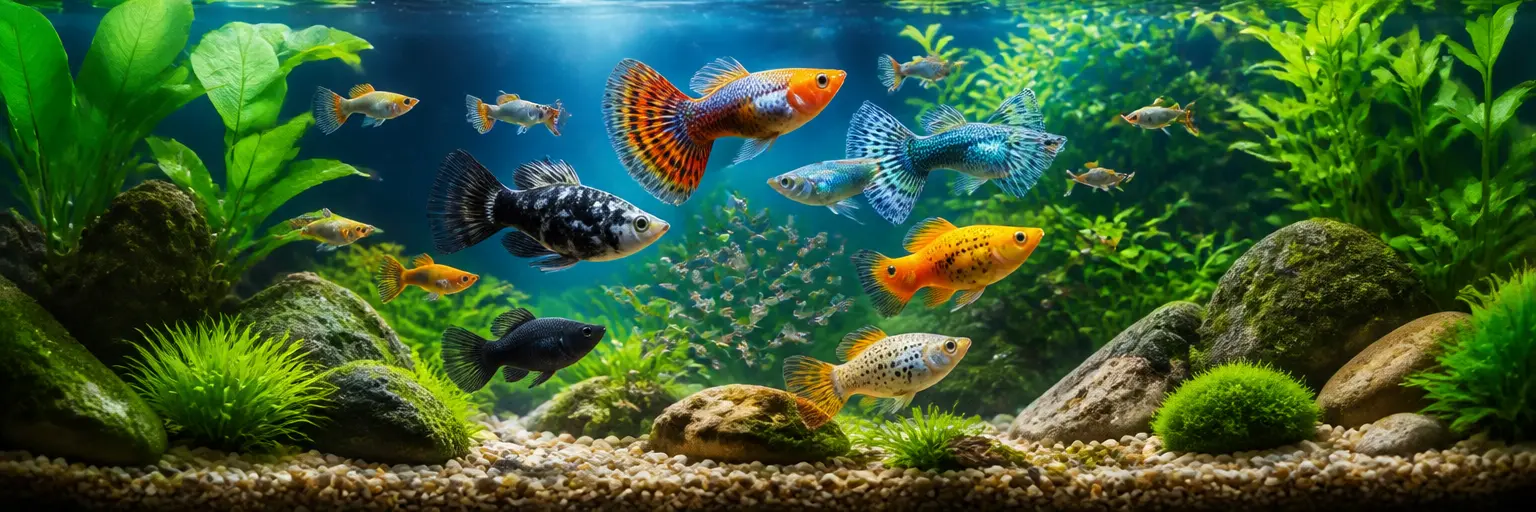
Discover the colorful world of livebearer fish with practical profiles and breeding guidance for guppies, mollies, and platies 🐠✨ Learn about care requirements, water parameters, tank mates, feeding, gender identification, pregnancy, fry care, and strategies for managing their famously prolific breeding. Whether you’re a beginner aquarist or an experienced fishkeeper, Aquarium Mastery helps you create a healthy freshwater aquarium and enjoy thriving, vibrant livebearers with confidence.
🐠 Unlock the secrets of guppy breeding with expert guppy breeding tips aquarium enthusiasts trust. Discover ideal tank conditions, water parameters, and…
Read article
🐠 Struggling with mollies dying freshwater aquarium? Learn common causes like poor water quality, inappropriate tank conditions, or disease, and discover effective…
Read article
🐟 Discover essential tips on Molly fish illness treatment to keep your aquatic friends healthy. Early detection and proven methods can prevent…
Read article
🐠 Discover expert Molly fry care tips to successfully raise your juvenile molly fish from birth. AquariumMastery.com offers comprehensive guidance on water…
Read article
🐠 Is your Platy hiding? Discover the key signs of stress and sickness in Platies, and learn how to create a healthy…
Read article
🐟 Ensuring optimal platy fry food nutrition is vital for healthy growth. AquariumMastery.com offers expert advice on selecting the best foods to…
Read article
🐠 Discover the charming quirks of Balloon Mollies and master their care with expert Balloon Molly care tips. Learn how to create…
Read article
🌟 Discover the essentials of vibrant platy fish care with AquariumMastery.com’s comprehensive guide, covering setup, water chemistry, and maintenance tips to ensure…
Read article
🥰 Discover essential Mickey Mouse Platy care tips to keep this charming fish healthy and vibrant. AquariumMastery.com offers expert guidance on setup,…
Read article
🌟 Witness the incredible Molly birthing in aquarium as these vibrant fish nurture their young. AquariumMastery.com offers expert tips on creating the…
Read article
🐠 Discover effective Aggressive Molly tank solutions to manage their temperament and ensure a peaceful aquarium environment. This article offers expert insights…
Read article
🌟 Discover effective Platy velvet disease treatment with our step-by-step guide. Learn how to identify symptoms, apply remedies, and restore your fish’s…
Read articleWelcome to the Aquarium Mastery guide to livebearing freshwater fish, including guppies, mollies, and platies. This subcategory provides practical species profiles, aquarium care information, tank mate recommendations, water parameter guidance, feeding advice, disease prevention tips, and proven breeding strategies. Whether you are a beginner setting up a community aquarium or an experienced aquarist raising fry, you will find clear, reliable information for keeping healthy and colorful livebearers.
Guppies are among the most popular beginner-friendly freshwater fish because of their bright colors, flowing tails, peaceful behavior, and adaptability. Our guppy profiles explain ideal tank size, temperature, pH, water hardness, filtration, aquarium plants, feeding routines, and compatible community fish. You can also learn how to distinguish male and female guppies and how different strains vary in color, pattern, fin shape, and care requirements.
Guppies are prolific breeders, so responsible planning is essential. Expect guidance on setting up a breeding tank, protecting newborn fry, selecting healthy parents, preventing overcrowding, and maintaining excellent water quality. Live guppy fry care, suitable fry food, grow-out tanks, and methods for managing population growth are covered in practical detail.
Mollies are active, social livebearers available in many varieties, including black mollies, dalmatian mollies, balloon mollies, sailfin mollies, and lyretail mollies. Our care information covers molly fish tank requirements, recommended aquarium size, water temperature, pH, hardness, salt considerations, diet, filtration, and swimming space. Readers can compare molly varieties and choose the best option for a planted tank or peaceful freshwater community aquarium.
Mollies can produce large broods and require careful monitoring of female health, pregnancy signs, and fry survival. Learn how to identify a pregnant molly, prepare a safe nursery area, reduce stress, and maintain stable water conditions. Aquarium Mastery also explains why mollies may become ill in unsuitable water and how to improve long-term health through proper nutrition, regular maintenance, and compatible tank mates.
Platies are peaceful, hardy livebearers that suit many community aquariums. Species profiles explore popular types such as red wag platies, sunset platies, blue platies, tuxedo platies, and Mickey Mouse platies. You will find information about platy fish care, aquarium size, schooling behavior, water parameters, feeding, planted aquarium design, and signs of good health.
Like guppies and mollies, platies reproduce readily in well-maintained aquariums. Our guides explain how to recognize pregnancy, estimate the gestation period, prepare for birth, and raise platy fry successfully. You can also learn how to choose peaceful tank mates and create hiding places with live plants, floating vegetation, caves, and aquarium décor.
Livebearer breeding is accessible to new aquarists, but successful results depend on preparation. Expect detailed advice on breeding ratios, selecting healthy fish, identifying gravid females, understanding pregnancy stages, and creating a low-stress environment. A common recommendation is to keep one male with multiple females to reduce excessive chasing and harassment.
Newborn fry need protection from adult fish, strong filtration intake, and poor water quality. Learn about breeder boxes, separate nursery tanks, sponge filters, dense plants, powdered foods, baby brine shrimp, crushed flakes, water changes, and growth monitoring. These techniques help improve fry survival while supporting healthy development and manageable population levels.
Stable water quality is central to livebearer health, breeding success, and disease prevention. Our freshwater aquarium guides discuss ammonia, nitrite, nitrate, pH, general hardness, carbonate hardness, temperature, cycling, and safe water changes. You will learn how to test aquarium water, recognize dangerous readings, and establish a consistent maintenance schedule.
Livebearers generally benefit from clean, oxygen-rich water and reliable biological filtration. Aquarium Mastery explains how to select sponge filters, hang-on-back filters, and planted aquarium filtration while protecting delicate fry. Routine aquarium maintenance, controlled feeding, substrate cleaning, and quarantine practices can help prevent common problems such as fin damage, ich, constipation, and recurring water-quality stress.
Live plants improve the appearance of a livebearer aquarium while providing shelter, surface area for beneficial microorganisms, and cover for newborn fish. Learn how to use Java moss, guppy grass, hornwort, water sprite, floating plants, and other low-maintenance aquarium plants to create a secure habitat for guppies, mollies, and platies.
Well-planned décor can reduce aggression and improve natural behavior. Our recommendations focus on smooth ornaments, open swimming areas, hiding places, gentle water flow, and safe materials. Fry-friendly aquarium design allows young fish to escape adult mouths while making feeding, observation, and maintenance easier.
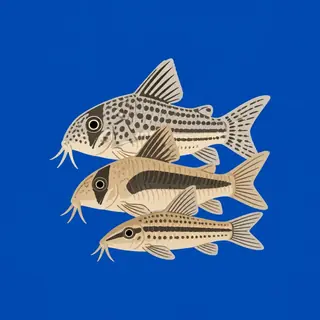
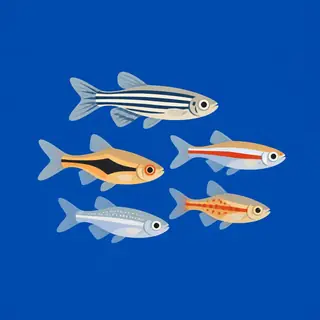
Choosing compatible tank mates is important because livebearers are active but generally peaceful community fish. Our guides compare suitable companions such as corydoras, small peaceful tetras, rasboras, bristlenose plecos, and other non-aggressive species. You will learn how tank size, temperature, water hardness, swimming level, and adult fish size influence compatibility.
Some species should be avoided because they may nip fins, eat fry, compete aggressively for food, or require very different water conditions. Aquarium Mastery provides practical freshwater fish compatibility guidance to help you build a calm, balanced aquarium with appropriate stocking levels and enough hiding space.
Healthy livebearers are alert, active, well-fed, and free from visible lesions, clamped fins, rapid breathing, or abnormal swimming. This subcategory explains how to identify early warning signs and investigate common issues affecting guppies, mollies, and platies. Topics may include ich, fin rot, fungal infections, parasites, shimmying, wasting, swim bladder problems, and pregnancy-related stress.
Prevention is more effective than emergency treatment. Learn how quarantine, stable water parameters, high-quality nutrition, careful acclimation, and regular observation support fish health. When problems occur, our troubleshooting advice emphasizes testing water first, isolating affected fish when appropriate, and avoiding unnecessary medications that can damage beneficial bacteria or sensitive tank inhabitants.
The correct number depends on aquarium size, filtration, plant coverage, and maintenance ability. As a general guideline, begin conservatively and avoid overcrowding. For mixed-sex groups, keep more females than males to reduce stress caused by constant mating attempts. Remember that livebearers reproduce quickly, so future fry must be included in stocking plans.
Guppies, mollies, and platies may give birth approximately every few weeks under favorable conditions, although timing varies by species, age, health, temperature, and whether females stored sperm from previous mating. A single female can produce multiple broods, making population management an important part of responsible livebearer care.
Not always. Many guppies and platies thrive in freshwater without salt, while mollies often prefer harder, more mineral-rich water. Salt should not be added automatically because it can harm certain plants, shrimp, snails, and salt-sensitive fish. Test your water and research the needs of every species before making changes.
Fry can eat finely crushed high-quality flakes, specially formulated fry food, powdered pellets, microworms, and newly hatched baby brine shrimp. Feed very small portions several times daily and remove uneaten food. Clean water and frequent, carefully managed maintenance are just as important as nutrition for rapid and healthy fry growth.
Common causes include uncycled aquariums, ammonia or nitrite, high nitrate, sudden temperature changes, poor acclimation, overcrowding, inadequate diet, aggressive tank mates, and untreated disease. Start by testing water parameters and checking temperature. Then review stocking, filtration, feeding, quarantine, and maintenance practices before selecting any treatment.