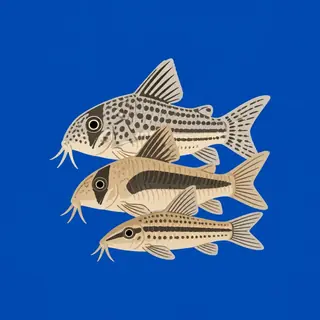
🐟 Plecos, Ancistrus & Otocinclus: Algae Control & Catfish Care
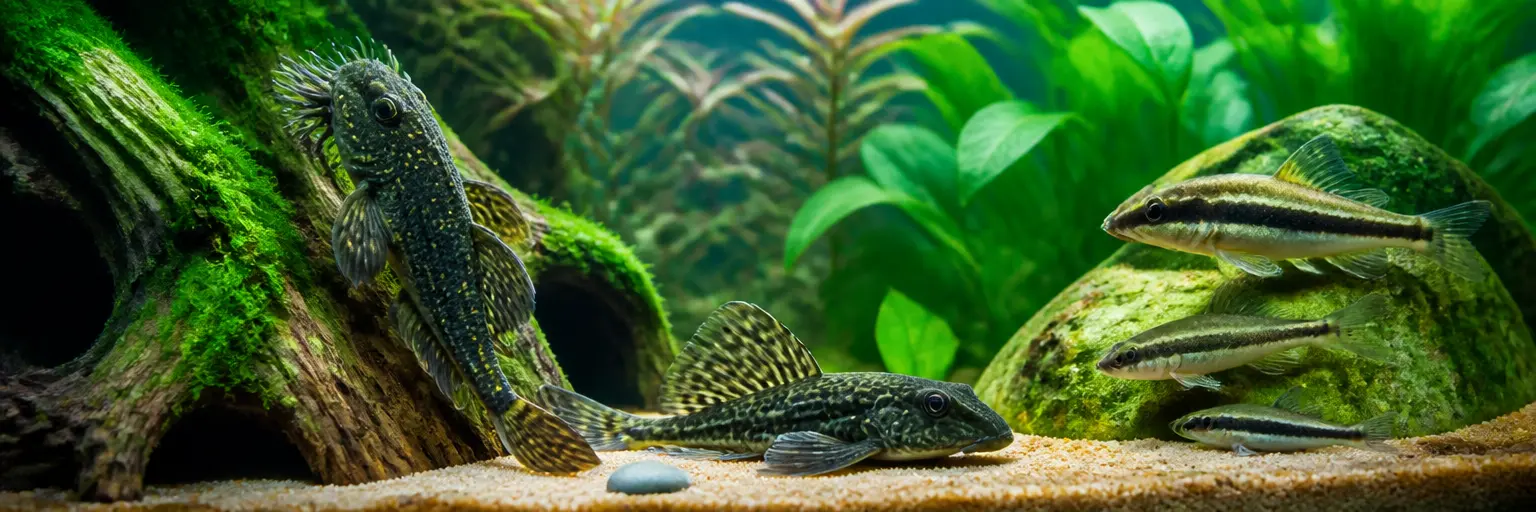
Welcome to the Plecos, Ancistrus & Otocinclus subcategory at Aquarium Mastery, your practical resource for choosing, keeping, and understanding freshwater algae-eating catfish. Explore detailed species profiles, aquarium care guides, tank size recommendations, feeding advice, water parameters, compatibility tips, breeding information, and health troubleshooting for popular suckermouth catfish. Whether you are keeping a bristlenose pleco, common pleco, clown pleco, rubber lip pleco, or otocinclus catfish, you will find expert-focused information to support a clean, stable, and thriving community aquarium.
🧽 Algae Control and Natural Aquarium Maintenance
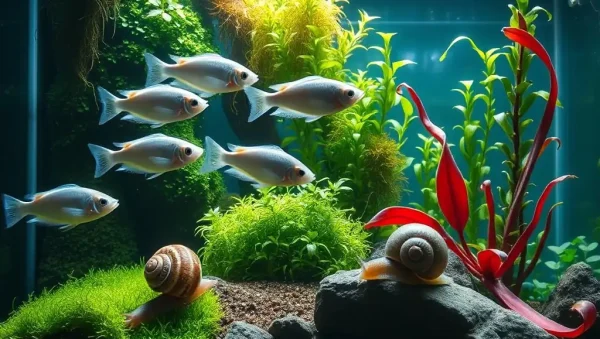
Plecos, Ancistrus, and Otocinclus are often selected as algae eaters for planted tanks and freshwater community aquariums. Our guides explain which species consume soft green algae, biofilm, diatoms, and other natural growth, while clarifying why no catfish should be treated as a complete replacement for regular aquarium maintenance. Learn how algae-eating fish fit into a balanced cleaning routine that includes water changes, glass cleaning, filtration, lighting control, and responsible feeding.
Discover how to choose the right algae-eater for your aquarium size and conditions. Species-specific algae control advice helps you avoid common mistakes, such as placing a large common pleco in a small tank or expecting otocinclus catfish to survive on algae alone. Find practical methods for supporting natural grazing behavior with driftwood, live plants, mature surfaces, and supplemental foods.
🐠 Pleco and Ancistrus Species Profiles
Explore informative profiles covering popular pleco and Ancistrus varieties, including bristlenose plecos, common plecos, clown plecos, rubber lip plecos, and other freshwater suckermouth catfish. Each profile can help you compare adult size, minimum aquarium volume, temperament, activity patterns, lifespan, diet, filtration requirements, and compatibility with community fish. Understanding the differences between species is essential for responsible aquarium stocking.
Our content emphasizes realistic adult growth and long-term care, not only the small size of fish commonly sold in aquarium shops. Learn which plecos need driftwood, which species prefer strong oxygenation, which varieties may require caves, and how behavior can change as a catfish matures. These guides make it easier to select a pleco or Ancistrus that genuinely suits your freshwater aquarium.
🌿 Otocinclus Catfish Care for Planted Tanks
Otocinclus catfish are peaceful nano fish well suited to carefully established planted aquariums. Learn about their social behavior, preferred group size, gentle temperament, water quality needs, and sensitivity to sudden changes. Our otocinclus care resources explain why a mature aquarium with naturally occurring biofilm and algae is often safer than a newly cycled tank with limited food sources.
Find guidance on acclimation, quarantine, feeding, oxygenation, and tank stability. Proper otocinclus care depends on a consistent environment, abundant natural grazing areas, and nutritious supplements such as blanched vegetables, algae wafers, and specialized foods when appropriate. Learn how to identify signs of stress, underfeeding, illness, or poor acclimation before problems become serious.
🍽️ Pleco, Ancistrus and Otocinclus Diets
Algae-eating catfish require more than the algae found on aquarium glass. Explore feeding guides covering algae wafers, sinking catfish pellets, vegetable foods, driftwood, biofilm, and occasional protein-rich options where suitable for the species. Learn how diet varies between herbivorous, omnivorous, and wood-grazing plecos, as well as how to provide food without overfeeding the rest of the aquarium.
Good nutrition supports healthy growth, coloration, digestion, immune function, and breeding condition. Our articles explain feeding schedules, nighttime feeding strategies, food competition, and how to monitor whether bottom-dwelling fish are receiving enough nutrition. You will also learn how to remove uneaten vegetables and wafers to protect water quality.
🏡 Tank Size, Aquascaping and Water Parameters
Design a suitable aquarium for plecos, Ancistrus, and Otocinclus with practical advice on tank volume, swimming space, hiding places, substrate, filtration, water movement, and oxygen levels. Learn why caves, shaded areas, driftwood, broad-leaved plants, and smooth surfaces can improve comfort and encourage natural behaviors. Aquarium Mastery connects aquascaping choices with the needs of bottom-dwelling freshwater fish.
Find information about temperature, pH, hardness, ammonia, nitrite, nitrate, and water-change routines. Stable, clean water is more important than chasing a perfect number, especially for sensitive otocinclus and newly introduced plecos. Our care content helps aquarists build a reliable maintenance schedule and recognize when poor water quality may be contributing to stress or disease.
🤝 Tank Mates and Community Aquarium Compatibility
Learn which freshwater fish can live peacefully with plecos, Ancistrus, and otocinclus catfish. Compatibility guides consider temperament, adult size, swimming level, water requirements, feeding behavior, and territorial habits. Suitable tank mates may include many peaceful tetras, rasboras, danios, livebearers, gouramis, dwarf cichlids, and other community species, depending on the aquarium setup.
Our articles also explain which fish may cause problems, including aggressive cichlids, fin-nipping species, highly territorial bottom dwellers, and fish that compete aggressively for food. Successful community stocking requires more than matching water parameters; it also requires enough floor space, hiding areas, and a thoughtful feeding plan.
🪨 Breeding Plecos and Ancistrus Responsibly
Ancistrus and some pleco species can breed in home aquariums when provided with suitable water quality, caves, diet, and environmental conditions. Learn how to select healthy adults, identify males and females, prepare breeding caves, and support spawning behavior. Guides may also cover egg care, parental behavior, fry development, and the importance of protecting newly hatched catfish from filtration hazards.
Responsible breeding includes planning for the offspring before spawning occurs. Aquarists should consider tank capacity, available homes, genetic diversity, and food requirements before encouraging reproduction. Our breeding resources focus on sustainable practices rather than uncontrolled population growth or impulse sales.
🩺 Health, Disease Prevention and Troubleshooting
Find help identifying common health concerns affecting plecos, Ancistrus, and otocinclus, including weight loss, sunken bellies, rapid breathing, pale coloration, damaged fins, fungal growth, ich, bacterial infections, and unusual inactivity. Articles explain how poor water quality, stress, insufficient food, parasites, transport, and unsuitable tank mates can contribute to illness.
Learn how to improve survival through quarantine, gradual acclimation, water testing, clean maintenance, and species-appropriate nutrition. Early observation is one of the most effective tools in aquarium health care. Our troubleshooting guides help you evaluate symptoms carefully and encourage consultation with an aquatic veterinarian or qualified specialist when necessary.
❓ Frequently Asked Questions About Plecos, Ancistrus and Otocinclus
🐟 Are plecos effective algae eaters?
Plecos can help consume algae, biofilm, and leftover organic material, but they are not a complete solution for algae problems. Their effectiveness depends on the species, age, diet, aquarium conditions, and type of algae present. Regular water changes, controlled lighting, appropriate stocking, and balanced feeding remain essential.
📏 What size aquarium does a pleco need?
The required aquarium size depends on the species and its adult length. A bristlenose pleco may be suitable for a moderately sized community tank, while a common pleco can grow very large and may require an exceptionally spacious aquarium. Always research the adult size and full care requirements before purchase rather than choosing a tank based on juvenile size.
🌿 How many otocinclus catfish should be kept together?
Otocinclus are social fish and generally do best in a group rather than alone. A group of several individuals can provide greater security and encourage natural behavior, provided the aquarium has adequate floor space, stable water quality, and enough natural grazing surfaces. Introduce them only to a mature, well-established aquarium with a dependable food supply.
🍽️ Do plecos need food if algae is present?
Yes. Aquarium algae alone is often insufficient to meet the nutritional needs of plecos, Ancistrus, and otocinclus. Offer species-appropriate sinking foods, algae wafers, vegetables, and driftwood where required. Monitor body condition and feeding activity to ensure each bottom-dweller receives adequate nutrition without allowing excess food to pollute the water.
💧 What are the most important water conditions for these catfish?
Stable temperature, low ammonia and nitrite, controlled nitrate, good oxygenation, and consistent water chemistry are key priorities. Avoid sudden changes and test the aquarium regularly, especially after adding fish or changing filtration. Clean water and gradual acclimation are particularly important for sensitive otocinclus and newly imported specimens.