Common Diseases in Swordtail Breeding Colonies & How to Combat Them
🐠 Discover essential swordtail breeding disease treatment tips to keep your colonies healthy. This guide from AquariumMastery.com helps you identify, prevent, and…
Read article
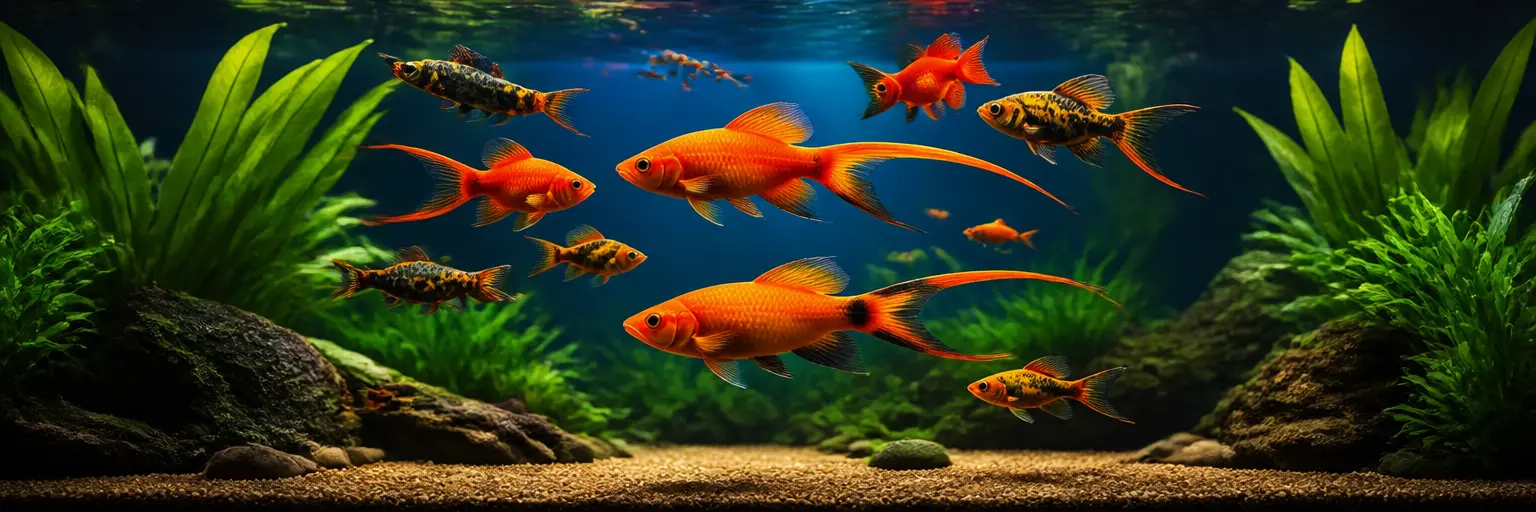
Explore expert guidance for swordtails and variatus in freshwater aquariums, from selective line breeding and color development to tailored care, tank setup, water parameters, nutrition, and compatible tank mates. 🐠 Discover practical tips for encouraging healthy growth, identifying breeding traits, managing fry, and preventing common health issues—helping aquarists create thriving, well-planned livebearer communities with confidence. 🌿
🐠 Discover essential swordtail breeding disease treatment tips to keep your colonies healthy. This guide from AquariumMastery.com helps you identify, prevent, and…
Read article
🌟 Unlock the secrets of Red Swordtail Mastery with expert tips on Red Swordtail Color Breeding to achieve vibrant hues and optimal…
Read article
🐟 Discover effective Swordtail fin rot treatment and prevention strategies to keep your fish healthy. AquariumMastery.com offers expert guidance on diagnosing, treating,…
Read article
🌟 Master your Swordtail aquarium water parameters with our comprehensive guide. Learn essential tips on pH, hardness, and more to ensure a…
Read article
🐟 Discover the art of line breeding variatus fin extensions to enhance your aquarium's beauty. This detailed guide on Lyretail Variatus offers…
Read article
🐟 Protect your Swordtails with effective disease prevention and treatment strategies. AquariumMastery.com offers expert guidance on identifying, preventing, and treating common swordtail…
Read article
🐟 Discover the ultimate Platy illness treatment guide with Variatus Platy Health Watch, offering essential tips to identify and cure common ailments,…
Read article
🐟 Explore expert Variegated Variatus breeding techniques to unlock stunning, mottled masterpieces. AquariumMastery.com offers comprehensive guidance on setting up, maintaining, and perfecting…
Read article
🐠 Discover essential Variatus platy line breeding tips to achieve vibrant, pure colors. This guide on AquariumMastery.com offers expert advice on selecting,…
Read article
🌟 Unlock the secrets to extending your Swordtail fish lifespan with expert care tips. AquariumMastery.com offers comprehensive guidance on optimal tank setup,…
Read article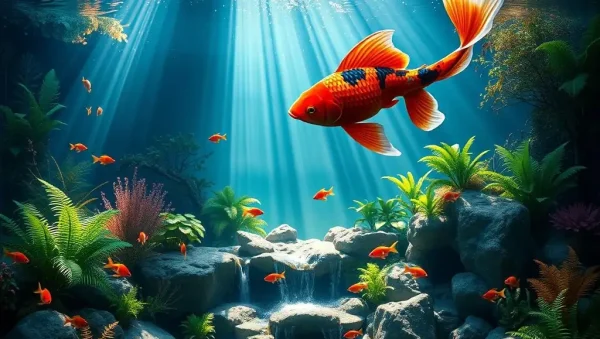
🌟 Discover how to master line breeding koi swordtails to enhance their vibrant patterns and distinct color separation. AquariumMastery.com offers expert tips…
Read article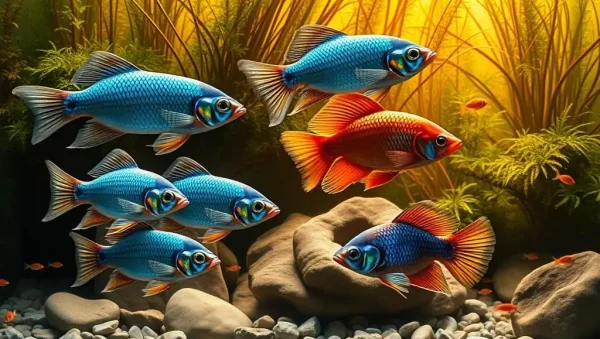
🌟 Discover how to craft your ideal Swordtail strain with our comprehensive Swordtail breeding line genetics guide. Learn step-by-step techniques to enhance…
Read articleWelcome to Aquarium Mastery’s expert guide to swordtail and variatus platy line breeding, selective breeding, genetics, and specialized freshwater fish care. This subcategory is designed for aquarists who want to develop healthy, attractive livebearer strains while maintaining excellent water quality, responsible breeding practices, and long-term fish health. Explore practical advice for choosing breeding stock, setting up dedicated tanks, identifying fry, managing genetics, and preventing common problems in swordtails and variatus platies.
Learn how to plan a responsible swordtail breeding program or variatus platy line, including the selection of healthy males and females with desirable colors, fin shapes, body forms, and patterns. Detailed guidance can help you understand dominant and recessive traits, genetic diversity, inheritance, and the importance of avoiding excessive inbreeding.
Readers can expect practical strategies for maintaining accurate breeding records, separating juveniles, and evaluating offspring over multiple generations. Whether you are developing red swordtails, koi variatus, tuxedo patterns, wagtail strains, or other livebearer varieties, careful selection and consistent documentation are essential for predictable results and vigorous fish.
Discover how to create an ideal aquarium for swordtails and variatus, including recommended tank size, filtration, heating, lighting, water movement, substrate, and aquatic plants. Swordtails are active swimmers and may require more horizontal space, while variatus platies are adaptable but still benefit from stable water conditions and plenty of cover.
This section explains how to maintain suitable temperature, pH, hardness, ammonia, nitrite, and nitrate levels for livebearers. You will also find advice on aquarium cycling, water changes, quarantine procedures, plant selection, and maintenance routines that support healthy growth, breeding behavior, and strong coloration.
Understand the livebearing reproductive cycle, courtship behavior, pregnancy signs, and methods for protecting newborn fry. Swordtail and variatus females can produce numerous young, so breeders need a plan for maternity tanks, floating plants, breeding boxes, or densely planted community aquariums.
Learn how to feed fry with appropriately sized foods such as crushed flakes, powdered fry food, baby brine shrimp, and other nutritious options. Helpful guidance covers growth rates, water changes, sorting juveniles, avoiding overcrowding, and identifying strong young fish for future breeding lines.
A balanced diet is vital for swordtail and variatus health, fertility, coloration, and proper development. Explore feeding schedules that combine quality flakes or micro-pellets with suitable vegetable matter and occasional protein-rich foods. Natural ingredients such as spirulina, blanched vegetables, and live or frozen foods can support digestion and enhance appearance.
Readers will learn how to prevent overfeeding, monitor body condition, and adjust nutrition for adults, pregnant females, and growing fry. Consistent feeding and excellent water quality help reduce stunted growth, deformities, poor fertility, and dull coloration in selectively bred livebearers.
Find suitable tank mates for swordtails and variatus platies, including peaceful livebearers, small rasboras, compatible tetras, Corydoras catfish, and other community fish with similar water requirements. Compatibility depends on temperament, adult size, swimming space, filtration capacity, and the needs of each species.
This subcategory also explains which fish to avoid, such as aggressive species, fin-nippers, very large predators, and fish requiring significantly different water conditions. Use thoughtful stocking practices and provide hiding areas so adults, females, and fry can thrive with less stress.
Learn how to recognize early warning signs such as clamped fins, lethargy, weight loss, abnormal swimming, white spots, fungus, fin damage, bloating, and rapid breathing. Swordtails and variatus are generally hardy, but poor water quality, overcrowding, temperature fluctuations, nutritional deficiencies, and untreated disease can quickly create problems.
Practical troubleshooting guidance covers quarantine, testing aquarium water, improving filtration, performing safe water changes, and reviewing recent changes to the tank. The goal is to identify underlying causes rather than relying only on medication, helping maintain healthy, resilient breeding colonies.
Aquarium size depends on the number of fish and the planned breeding setup. A group of swordtails usually benefits from a tank with substantial horizontal swimming space, while a small group of variatus platies can often be maintained in a moderately sized community aquarium. Always account for adult size, fry production, filtration, and swimming behavior.
Both species generally prefer stable, clean, moderately hard to hard water with neutral to slightly alkaline pH. Exact preferences vary by strain and source, so avoid sudden changes and prioritize consistent conditions. Test ammonia and nitrite regularly, keep nitrate controlled with water changes, and acclimate fish gradually.
Begin with healthy, unrelated or carefully selected breeding stock from a trustworthy source. Choose fish based on health first, then color, pattern, fin shape, and body form. Keep detailed records, separate breeding groups when necessary, and periodically introduce unrelated genetics to reduce inbreeding and maintain vigor.
Newborn fry can be eaten by adult fish, including their parents. Protect them with dense live plants, floating vegetation, a dedicated fry aquarium, or a carefully used breeding system. Feed small portions several times daily, remove waste, and maintain stable water quality to encourage rapid, healthy growth.
Common causes include poor water quality, overcrowding, unsuitable tank mates, nutritional problems, temperature instability, and introducing disease through new fish or equipment. Test the water first, quarantine new arrivals, observe symptoms carefully, and correct environmental problems before choosing treatment. Early action is often the most effective form of disease prevention.