Green Neon Tetra: The Subtle, Elusive Jewel of the Amazon – InDepth Care
🌟 Discover the mesmerizing beauty of the Green Neon Tetra, an elusive Amazon jewel. Our in-depth Green Neon Tetra care tips ensure…
Read article
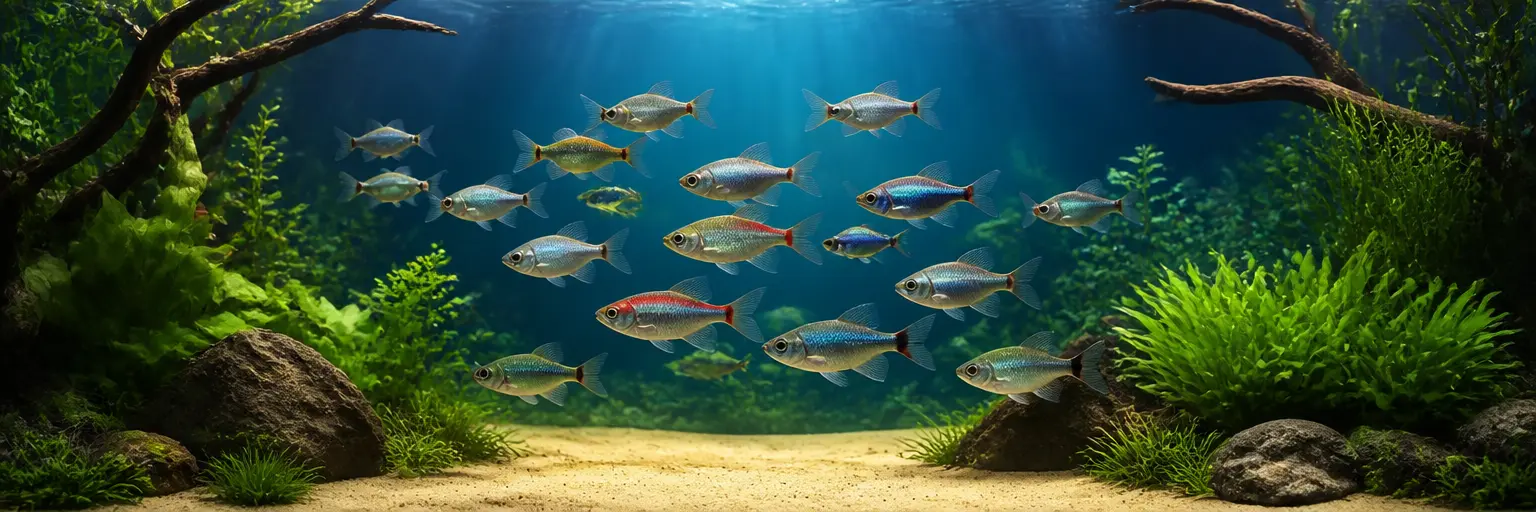
Discover vibrant tetra fish species with expert profiles, care guidance, and schooling advice for a thriving freshwater aquarium 🐟🌿 Learn about ideal tank size, water parameters, diet, behavior, compatible tank mates, and breeding tips for popular tetras. Whether you’re choosing neon, cardinal, ember, or other peaceful community fish, Aquarium Mastery helps you create a healthy, active, and visually stunning school with confidence.
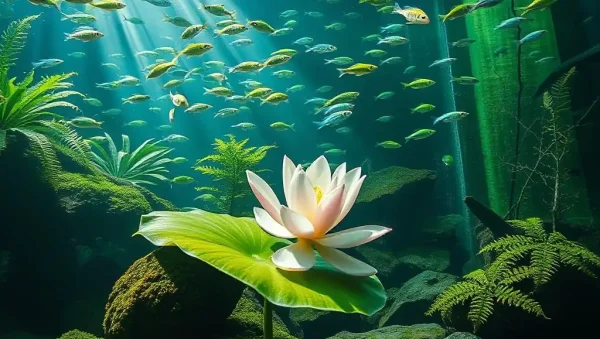
🌟 Discover the mesmerizing beauty of the Green Neon Tetra, an elusive Amazon jewel. Our in-depth Green Neon Tetra care tips ensure…
Read article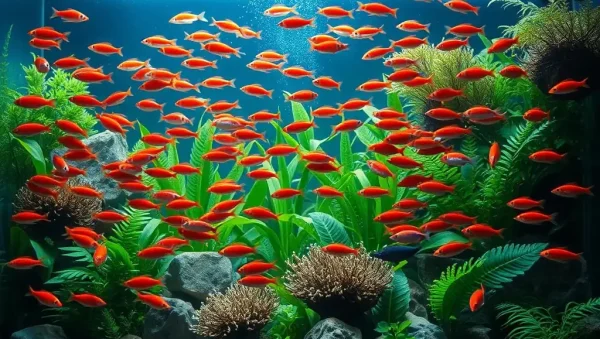
🌟 Discover the vibrant world of Bloodfin Tetra care with our comprehensive Bloodfin Tetra Care Guide. Learn about their lively schooling behavior…
Read article
🌟 Discover how proactive tetra health management can prevent common diseases. Early tetra disease treatment is crucial for maintaining vibrant, healthy fish.…
Read article
🌟 Discover the mystery behind Golden tetra guanine buildup, differentiating true species from mere deposits. AquariumMastery.com offers expert insights into maintaining vibrant…
Read article
🌟 Discover essential tips to keep your Glowlight Tetra vibrant and healthy. Our guide addresses common Glowlight Tetra health problems, ensuring their…
Read article
🐟 Unlock the secrets to enhancing your aquarium with expert tips on Cardinal tetra schooling behavior. Discover ideal conditions and setup strategies…
Read article
😊 Discover the perfect harmony in your aquarium by choosing Glowlight tetra compatible tank mates that enhance their peaceful nature. Our guide…
Read article
🌟 Discover the vibrant allure of Blue Tetra schooling care, perfect for adding a flash of electric blue to your planted aquarium.…
Read article
🐠 Discover the secrets behind Happy fish schooling dynamics and learn how optimal group size and social behavior enhance aquarium harmony. AquariumMastery.com…
Read article
🌟 Unlock the secrets to Neon Tetra breeding success with expert tips on tank setup, water conditions, and care techniques. AquariumMastery.com offers…
Read article
🌊 Discover the allure of the Black Phantom Tetra with our comprehensive Black Phantom Tetra Care Guide. Learn how to create a…
Read article
🌟 Unlock the secrets of Emperor tetra breeding with our comprehensive Emperor Tetra Breeding Guide, helping you cultivate a stunning line of…
Read articleExplore the colorful world of tetra fish with Aquarium Mastery’s detailed guide to tetra species profiles, aquarium care, tank mates, schooling behavior, feeding, breeding, and health. From peaceful neon tetras and cardinal tetras to active rummynose, ember, glowlight, black skirt, and Congo tetras, this subcategory helps freshwater aquarists choose the right species and create a safe, stable community aquarium. Learn how to provide proper tank size, water parameters, plants, hiding places, nutrition, and group numbers for healthy, vibrant schooling fish.
Discover the differences between popular tetra species, including neon tetra, cardinal tetra, ember tetra, rummynose tetra, black neon tetra, glowlight tetra, lemon tetra, serpae tetra, pristella tetra, and Congo tetra. Each profile explains typical adult size, coloration, temperament, lifespan, swimming level, activity patterns, and compatibility with community aquarium fish. Species-specific information makes it easier to select tetras that suit your aquarium’s size, layout, lighting, and water conditions.
Readers can compare schooling habits, fin shapes, color intensity, and care requirements before purchasing fish. Profiles also highlight important differences between peaceful and occasionally fin-nipping species, helping beginners and experienced aquarists avoid unsuitable combinations. Use these guides to make informed choices when planning a planted tank, nano aquarium, blackwater setup, or larger freshwater community.
Learn how to build a healthy tetra aquarium with guidance on tank size, filtration, water temperature, pH, hardness, cycling, water changes, and aquarium maintenance. Most tetras thrive in stable, clean freshwater with gentle to moderate flow, subdued lighting, and plenty of swimming space. Consistent water quality is essential because sudden changes can cause stress, disease, faded coloration, and poor appetite.
Detailed care advice covers aquarium plants, driftwood, leaf litter, substrate, décor, and safe hiding areas. You will also find practical recommendations for acclimating new tetras, testing ammonia and nitrite, managing nitrate, and establishing a reliable maintenance schedule. These fundamentals support long-term tetra health and help create a natural environment where schooling behavior is easy to observe.
Tetras are social fish that feel safer and behave more naturally when kept in an appropriate group. Learn why a school of at least six individuals is often recommended, while larger groups may produce stronger colors, more confident movement, and more interesting interactions. Proper group size reduces stress and can discourage hiding, skittishness, and aggression within the aquarium.
This section explains how tank dimensions, open swimming areas, plant density, lighting, and the presence of other fish influence tetra schooling. Readers can learn to distinguish normal shoaling from stress behavior, recognize signs of overcrowding, and plan a balanced community aquarium with enough space for every species to swim comfortably.
Find out what to feed tetras for balanced growth, strong coloration, and healthy immune function. A varied diet may include quality micro pellets, crushed flakes, frozen foods, and appropriately sized live foods such as baby brine shrimp or daphnia. Since many tetras have small mouths, fine, sinking, and slow-moving foods are often easier for them to eat.
Helpful feeding guidance covers portion control, feeding frequency, fasting, competition at the surface, and how to prevent uneaten food from harming water quality. Readers will learn how to observe appetite and body condition so they can identify potential problems early while maintaining clean water and a healthy biological filter.
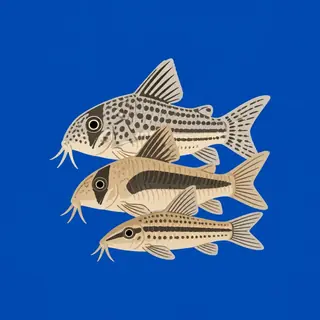
Choose suitable tetra tank mates for a peaceful freshwater community aquarium. Compatible options may include small rasboras, peaceful livebearers, Corydoras catfish, otocinclus catfish, small plecos, freshwater shrimp, and other calm community species, depending on the tetra variety and aquarium size. Temperament and adult size should always be considered before combining fish.
These guides explain which fish may be too large, aggressive, territorial, or predatory for tetras. You will also learn how to reduce conflict with plants, visual barriers, open swimming zones, and appropriate stocking levels. Careful compatibility planning helps protect delicate fins and allows tetras to display their natural schooling behavior.
Learn the basics of breeding tetras in a dedicated breeding aquarium. Many tetra species are egg scatterers that require clean water, mature breeding fish, subdued lighting, fine-leaved plants or spawning mops, and protection for the eggs. Species profiles explain differences in spawning behavior, conditioning diets, water preparation, and the importance of removing adult fish after spawning.
Breeding information also covers egg development, hatching, free-swimming fry, infusoria, liquid fry food, baby brine shrimp, and gradual growth to juvenile size. Because tetra eggs and fry can be vulnerable to fungus, poor water quality, and predation, careful preparation and gentle maintenance are essential for successful reproduction.
Identify common tetra health concerns, including ich, fin rot, fungal infections, bacterial disease, wasting, bloating, faded coloration, clamped fins, rapid breathing, and unusual swimming. Aquarium Mastery explains how to evaluate symptoms alongside water-test results, tank history, recent additions, and feeding behavior. Early observation can make treatment more effective and prevent problems from spreading.
Preventive care includes quarantine, stable water parameters, regular testing, proper nutrition, low-stress stocking, and responsible aquarium maintenance. Readers will find practical troubleshooting steps for sudden deaths, schooling at the surface, tetra hiding, loss of color, and unexplained aggression. Always confirm water quality first and use medications carefully according to the product label and the needs of sensitive tank inhabitants.
Most tetra species should be kept in a group of at least six, although larger groups of 8 to 12 or more often encourage more natural schooling and bolder behavior. The ideal number depends on the species, aquarium dimensions, filtration, and the number of tank mates. Avoid overcrowding and provide sufficient open swimming space.
Most community tetras do well in stable tropical freshwater around 22–28°C (72–82°F), with a mildly acidic to neutral pH and low to moderate hardness. Exact preferences vary by species. Stable parameters, a fully cycled aquarium, low ammonia and nitrite, and controlled nitrate are more important than making sudden adjustments to achieve a specific number.
A 10-gallon aquarium may suit a small group of tiny species such as ember tetras when stocking is carefully planned, but a 20-gallon long tank is often a better starting point. Larger or more active species, including Congo tetras, need substantially more swimming room. Choose a tank based on adult size, group size, swimming behavior, and compatible tank mates.
Many peaceful tetras can live with Corydoras, otocinclus, small rasboras, and other calm community fish. Adult shrimp may coexist with small tetras, but shrimp fry can be eaten. Avoid large, aggressive, or predatory species, and provide dense plants, moss, driftwood, and hiding areas to protect smaller tank inhabitants.
Color loss and hiding may result from stress, an undersized school, poor water quality, inappropriate tank mates, sudden environmental changes, illness, or insufficient cover. Test ammonia, nitrite, nitrate, pH, and temperature, then review stocking and recent changes. Improving water stability, increasing suitable group size, adding plants, and checking for disease can help restore normal behavior.