Are Cleaner Wrasses Truly Reef Safe? The Controversial Truth Revealed
🌊 Are cleaner wrasses truly reef safe? Discover the controversial truth behind cleaner wrasse reef tank safety, including potential risks and best…
Read article
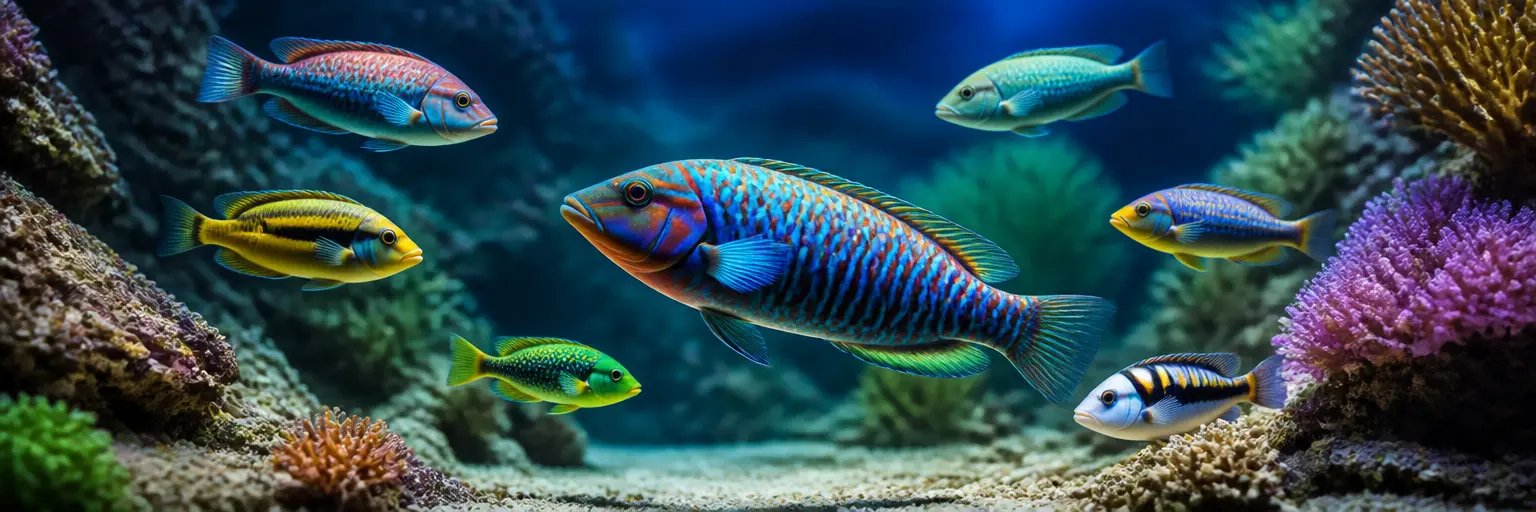
Explore wrasse species for saltwater aquariums, from vibrant reef-safe cleaners to fascinating hunters with unique personalities and social behaviors. Discover expert guidance on wrasse care, diet, tank size, compatibility, temperament, habitat needs, and reef safety to help you choose the ideal fish for your marine setup. 🐠🌊 Learn how different wrasses interact with corals, invertebrates, and tank mates, plus practical tips for acclimation, health, and long-term success from Aquarium Mastery.
🌊 Are cleaner wrasses truly reef safe? Discover the controversial truth behind cleaner wrasse reef tank safety, including potential risks and best…
Read article
🌟 Discover the vibrant Red Lined Wrasse (Halichoeres biocellatus), a hardy and colorful pest-eater perfect for experienced aquarists. Our guide on Red…
Read article
🌟 Master the art of SPS wrasses tank selection with our expert guidance, ensuring a harmonious, delicate ecosystem. Discover tips for choosing…
Read article
🌊 Discover the fascinating world of the Eightline Wrasse with our comprehensive Eightline Wrasse care guide. This shy, elusive striped marvel adds…
Read article
🌊 Explore the intriguing question of wrasse and clam compatibility in saltwater aquariums. While they can coexist peacefully, potential risks exist. Learn…
Read article
🌊 Discover the stunning world of Tamarin Wrasses with our comprehensive Tamarin Wrasses Care Guide. Learn how to meet their delicate, demanding…
Read article
🌊 Discover the fascinating world of Wrasse courtship behavior and displays, as these vibrant fish perform intricate dances and flashing displays to…
Read article
🌊 Discover the causes of Wrasse stress and erratic swimming behaviors, and learn effective strategies to restore calm and health to your…
Read article
😊 Discover the reasons behind shy wrasse behavior hiding and learn effective strategies to create a comfortable environment, encouraging your fish to…
Read article
🌟 Spot early signs of wrasse health problems solutions with expert tips from AquariumMastery.com. Recognizing symptoms early ensures your wrasse's well-being and…
Read article
😊 Discover how to ensure peace between your fish and invertebrates by understanding Wrasse compatibility with invertebrates. AquariumMastery.com offers expert advice on…
Read article
🌊 Discover the mesmerizing world of wrasse spawning in your home aquarium with our expert Wrasse spawning aquarium setup tips. Learn how…
Read articleExplore the fascinating world of saltwater wrasses with Aquarium Mastery’s detailed species profiles, care guidance, behavior insights, tank mate recommendations, and reef compatibility advice. Wrasses are among the most colorful and active marine aquarium fish, ranging from peaceful cleaner wrasses and vibrant fairy wrasses to energetic six-line wrasses, sand-burying species, and larger predatory varieties. Whether you are planning a beginner saltwater aquarium, a reef tank, or an advanced marine fish system, this subcategory helps you choose a wrasse that matches your aquarium size, aquascape, livestock, and experience level.
Learn how to identify popular wrasse species by their coloration, body shape, adult size, swimming behavior, and natural habitat. Our profiles cover widely kept fish such as fairy wrasses, flasher wrasses, six-line wrasses, melanurus wrasses, yellow coris wrasses, cleaner wrasses, leopard wrasses, and larger hogfish-like wrasse species. Each guide explains the differences between juveniles and adults so aquarists can avoid purchasing a fish based only on its appearance at the store.
Readers can expect practical information about minimum aquarium size, swimming space, substrate requirements, feeding habits, temperament, and expected lifespan. Detailed species comparisons make it easier to select a healthy wrasse for a community marine aquarium, fish-only system, or coral reef aquarium while considering long-term adult growth and behavior.
Successful wrasse care begins with a stable saltwater aquarium designed around the species’ natural habits. Many wrasses are active swimmers and benefit from open water, secure live rock formations, caves, and shaded retreats. Sand-burying species require an appropriate depth of fine, soft substrate, while jumping species need a tightly fitted aquarium lid or mesh cover.
Guides in this subcategory explain essential water parameters, filtration, lighting, temperature, salinity, acclimation, quarantine, and maintenance routines. You will also find advice on creating stress-reducing aquascapes, selecting suitable hiding places, and providing excellent water quality through regular testing and scheduled water changes.
Wrasse behavior can vary dramatically between species. Some are peaceful, curious, and ideal for community reef tanks, while others may become territorial, harass similar-looking fish, or prey on smaller invertebrates. Fairy and flasher wrasses often display energetic swimming and courtship behavior, whereas six-line wrasses may become more aggressive as they mature.
Discover how to interpret common behaviors such as hiding, sand diving, flashing, chasing, fin displays, and sudden changes in activity. Understanding territorial behavior and social hierarchy helps aquarists introduce wrasses safely, reduce conflict, and create a more stable marine aquarium community.
Many wrasses are considered reef safe, but “reef safe” does not mean every species is harmless to every aquarium inhabitant. Fairy wrasses and flasher wrasses are generally excellent coral reef fish, while some larger wrasses may eat ornamental shrimp, snails, crabs, clams, feather dusters, or other small invertebrates. Species-specific research is essential before adding a wrasse to a mature reef system.
Our reef compatibility guidance explains which wrasses are typically safe with soft corals, LPS corals, SPS corals, anemones, and cleanup crews. You will also learn how to assess invertebrate risk, adult feeding behavior, hunting instincts, and coral aquarium suitability before making a purchase.
Choosing compatible wrasse tank mates requires attention to temperament, body size, swimming level, feeding competition, and territory. Suitable companions may include peaceful clownfish, gobies, blennies, cardinalfish, tangs, angelfish, dartfish, and other carefully selected reef fish. However, combining multiple wrasses requires additional planning because similar colors, body shapes, or behaviors can trigger aggression.
Expect practical stocking advice covering introduction order, quarantine procedures, acclimation boxes, aquarium dimensions, and the importance of providing multiple retreats. These recommendations help build a peaceful saltwater fish community and reduce stress, chasing, fin damage, and competition during feeding.
Wrasses are active marine fish with high energy requirements, so a varied and nutritious diet is essential. Depending on the species, suitable foods may include marine pellets, frozen mysis shrimp, enriched brine shrimp, chopped seafood, krill, copepods, and other protein-rich foods. Frequent small feedings are often helpful for active species and newly introduced fish.
Learn how to recognize signs of a healthy wrasse, including clear eyes, intact fins, strong appetite, normal swimming, and appropriate body condition. Guides also discuss common health concerns such as marine ich, velvet, bacterial infections, nutritional deficiencies, internal parasites, and stress-related illness, along with the value of quarantine and early treatment.
Wrasse breeding is an advanced subject because many species are protogynous hermaphrodites, meaning individuals may change sex as they mature and as social conditions shift. Courtship may involve dramatic color changes, rapid swimming, displays, and spawning behavior in the water column.
This subcategory introduces the reproductive biology of wrasses and explains why successful captive breeding can be challenging. Readers interested in marine fish breeding can explore spawning triggers, larval care, specialized foods, tank separation, and the need for advanced equipment and careful observation.
Some wrasses are suitable for beginners, especially hardy and peaceful species such as selected fairy wrasses, flasher wrasses, and certain smaller reef-safe varieties. Beginners should choose a species that matches their aquarium size and experience, provide stable water parameters, and use a secure lid because many wrasses are excellent jumpers.
No. Many small reef wrasses are coral safe, but some may eat shrimp, crabs, snails, worms, clams, or other ornamental invertebrates. Always research the exact species, adult size, and natural diet before adding it to a reef tank or cleanup crew.
Required aquarium size depends on the species. Small fairy and flasher wrasses may thrive in moderately sized aquariums with open swimming space, while larger, highly active, or predatory wrasses require substantially larger systems. Aquarium dimensions, not only water volume, are important for active swimmers.
Most wrasses benefit from a varied carnivorous or omnivorous diet that includes high-quality marine pellets, frozen mysis shrimp, brine shrimp, chopped seafood, copepods, and other marine foods. Feed according to the species’ natural diet, and offer frequent small meals to support energy needs and healthy weight.
Yes. A secure lid or fine mesh screen is strongly recommended because many wrasses leap from aquariums when startled, chased, or introduced to a new environment. Covering openings around plumbing and equipment can further reduce the risk of escape.