Tanganyikan Cichlids: Shell Dwellers, Featherfins & Cyprichromis 🐚🐟
Explore the fascinating world of Lake Tanganyika cichlids with Aquarium Mastery’s in-depth guides to shell dwellers, featherfins, and Cyprichromis. This specialized freshwater fish subcategory covers species profiles, aquarium setup, water chemistry, tank mates, feeding, breeding, behavior, health, and long-term maintenance. Whether you are planning a compact shell-dweller aquarium or a spacious Tanganyikan community tank, you will find practical information to create a stable, natural, and successful habitat.
🐚 Shell-Dwelling Cichlid Profiles and Care
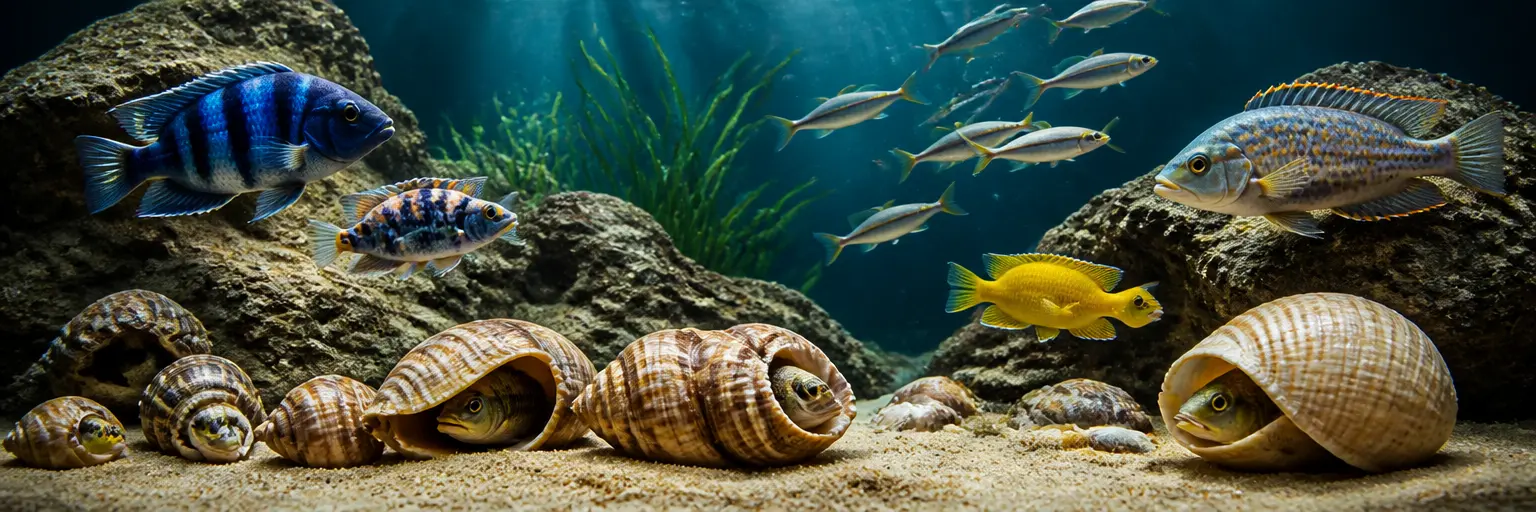
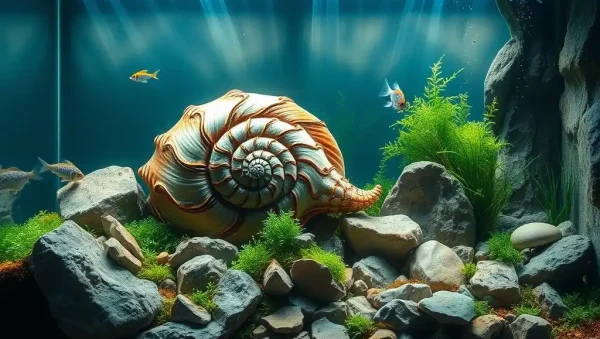
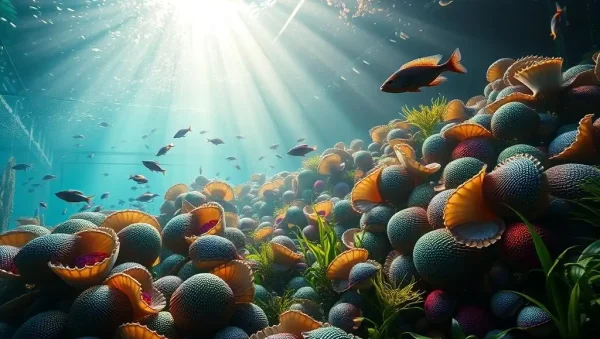
Shell dwellers are among the smallest and most engaging Lake Tanganyika fish, yet their personalities and territorial behavior are remarkably impressive. Learn how species such as Neolamprologus multifasciatus, Neolamprologus similis, and related shell-dwelling cichlids use empty snail shells for shelter, spawning, and territory defense. Our guides explain suitable aquarium sizes, shell placement, substrate depth, filtration, lighting, and group planning.
Readers can expect practical advice on shell dweller care, including feeding routines, social behavior, compatible tank mates, and methods for reducing aggression. Discover how to build a species-appropriate Tanganyikan biotope with alkaline water, stable hardness, and carefully arranged shells that support natural breeding and colony development.
🪶 Featherfin Cichlid Aquarium Setup and Behavior
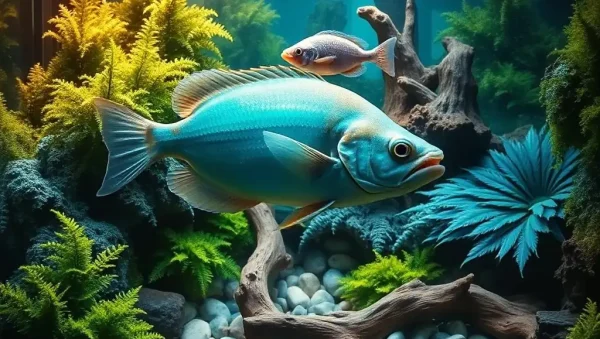
Featherfins are graceful, specialized Tanganyikan cichlids known for their elongated fins, distinctive swimming style, and fascinating breeding behavior. This section explores the needs of featherfin species, including appropriate tank dimensions, open swimming areas, sand zones, rockwork, water movement, and secure hiding places. You will learn why horizontal floor space and thoughtful territory planning are essential for maintaining healthy featherfins.
Our featherfin guides also cover feeding, sex identification, compatibility, breeding behavior, and stress prevention. Because these cichlids may be sensitive to overcrowding and poor water quality, readers will find recommendations for filtration, maintenance schedules, water testing, and creating a calm Tanganyikan community aquarium.
🌊 Cyprichromis Profiles, Schooling, and Tank Mates
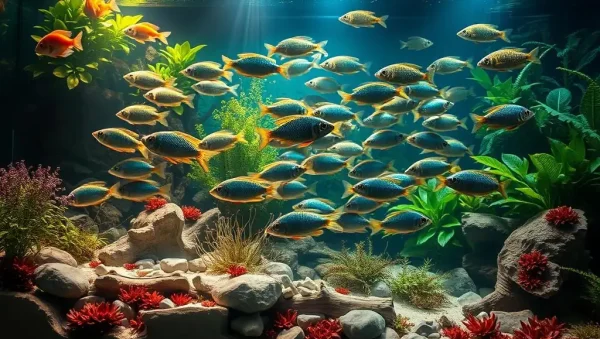
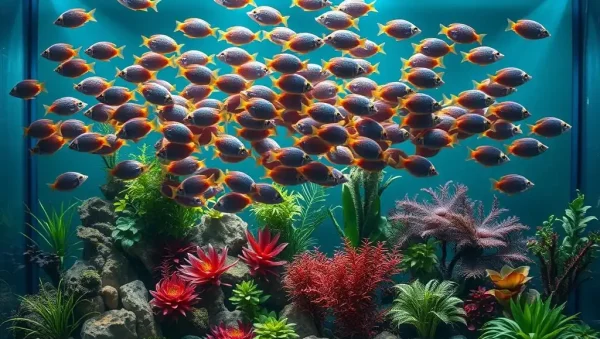
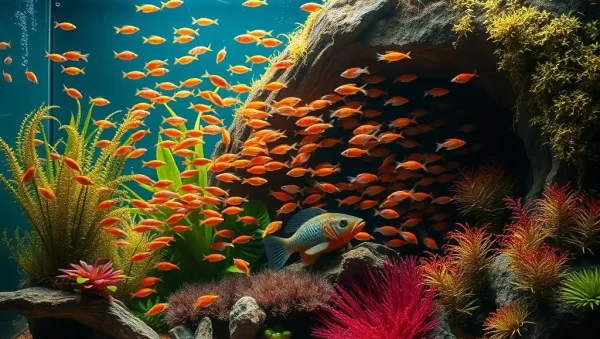
Cyprichromis are open-water cichlids that bring constant movement and shimmering color to a Lake Tanganyika aquarium. Learn about popular species such as Cyprichromis leptosoma and Paracyprichromis nigripinnis, including their natural habitat, schooling requirements, adult size, feeding preferences, and swimming patterns. These guides explain why a tall, spacious aquarium with strong oxygenation and open water is important for their well-being.
Find reliable advice on Cyprichromis tank mates, group size, male-to-female ratios, breeding, and community planning. You will also learn how to combine open-water fish with carefully selected shell dwellers or rock-dwelling Tanganyikan cichlids while minimizing competition, territorial conflict, and feeding problems.
💧 Tanganyikan Water Chemistry and Aquarium Maintenance
Lake Tanganyika cichlids require stable, mineral-rich water that differs from the soft, acidic conditions preferred by many tropical freshwater fish. This section explains ideal pH, carbonate hardness, general hardness, temperature, ammonia, nitrite, and nitrate levels for shell dwellers, featherfins, and Cyprichromis. Aquarium Mastery provides clear guidance on testing water, managing evaporation, performing water changes, and using buffers safely.
Readers can expect detailed recommendations for filtration, biological stability, oxygenation, substrate selection, and routine aquarium maintenance. Learn how to avoid sudden chemistry changes, recognize signs of poor water quality, and establish a dependable maintenance schedule for a healthy Tanganyikan cichlid aquarium.
🦐 Feeding, Health, and Disease Prevention
A balanced diet is essential for maintaining color, growth, immunity, and breeding condition in Tanganyikan cichlids. Discover suitable foods for shell dwellers, featherfins, and Cyprichromis, including quality pellets, flakes, frozen foods, and carefully selected live or prepared options. Our feeding guides address portion control, feeding frequency, competition, and the dietary risks associated with excessive or inappropriate foods.
This subcategory also helps aquarists identify common health concerns, including stress, malnutrition, parasitic infections, bacterial disease, poor buoyancy, fin damage, and symptoms linked to unstable water chemistry. Learn how to quarantine new fish, monitor behavior, respond to illness, and use prevention-focused aquarium care rather than relying only on treatment.
🥚 Breeding Tanganyikan Cichlids Successfully
Tanganyikan cichlids display a wide range of reproductive strategies, from shell spawning to open-water mouthbrooding and specialized pair bonding. Explore how shell dwellers arrange colonies and protect fry, how featherfins select breeding territories, and how Cyprichromis reproduce within a schooling environment. Guides cover conditioning adults, identifying breeding behavior, protecting eggs and fry, and providing suitable nursery conditions.
Readers will also find practical information about fry foods, parental behavior, water quality during breeding, population management, and responsible rehoming. Whether you are a beginner observing your first spawn or an experienced aquarist developing a dedicated Tanganyikan breeding project, these resources help make breeding more predictable and sustainable.
❓ Frequently Asked Questions About Tanganyikan Cichlids
What aquarium size is best for Tanganyikan cichlids?
The ideal aquarium size depends on the species and group. A small species-only aquarium may suit a shell-dweller colony, while featherfins and Cyprichromis generally require a larger tank with more swimming space. Always consider adult size, group numbers, territory requirements, filtration capacity, and compatible tank mates before choosing an aquarium.
What water parameters do Lake Tanganyika cichlids need?
Tanganyikan cichlids typically prefer warm, hard, alkaline freshwater with stable mineral content. Maintain consistent temperature, pH, general hardness, and carbonate hardness, and keep ammonia and nitrite at zero. Regular testing and gradual water changes are safer than making sudden adjustments.
Can shell dwellers, featherfins, and Cyprichromis live together?
They can sometimes be combined in a carefully planned Tanganyikan community aquarium, but compatibility depends on tank size, layout, group numbers, and individual temperament. Shell dwellers occupy the substrate, while Cyprichromis use open water; featherfins require additional space and may be more sensitive to competition. Avoid overcrowding and monitor aggression closely.
What do Tanganyikan cichlids eat?
Most Tanganyikan cichlids thrive on a high-quality species-appropriate diet of prepared pellets and flakes supplemented with suitable frozen foods. Feed small portions regularly and avoid excessive rich foods. Shell dwellers and Cyprichromis may have different feeding behaviors, so distribute food carefully to ensure every fish receives adequate nutrition.
How can I encourage Tanganyikan cichlids to breed?
Provide mature, stable water, excellent filtration, nutritious food, suitable group composition, and a natural habitat design. Shell dwellers need clean snail shells, featherfins need appropriate territories, and Cyprichromis need spacious schooling conditions. Minimize stress, observe courtship behavior, and allow parents or brooding adults appropriate space to care for offspring.